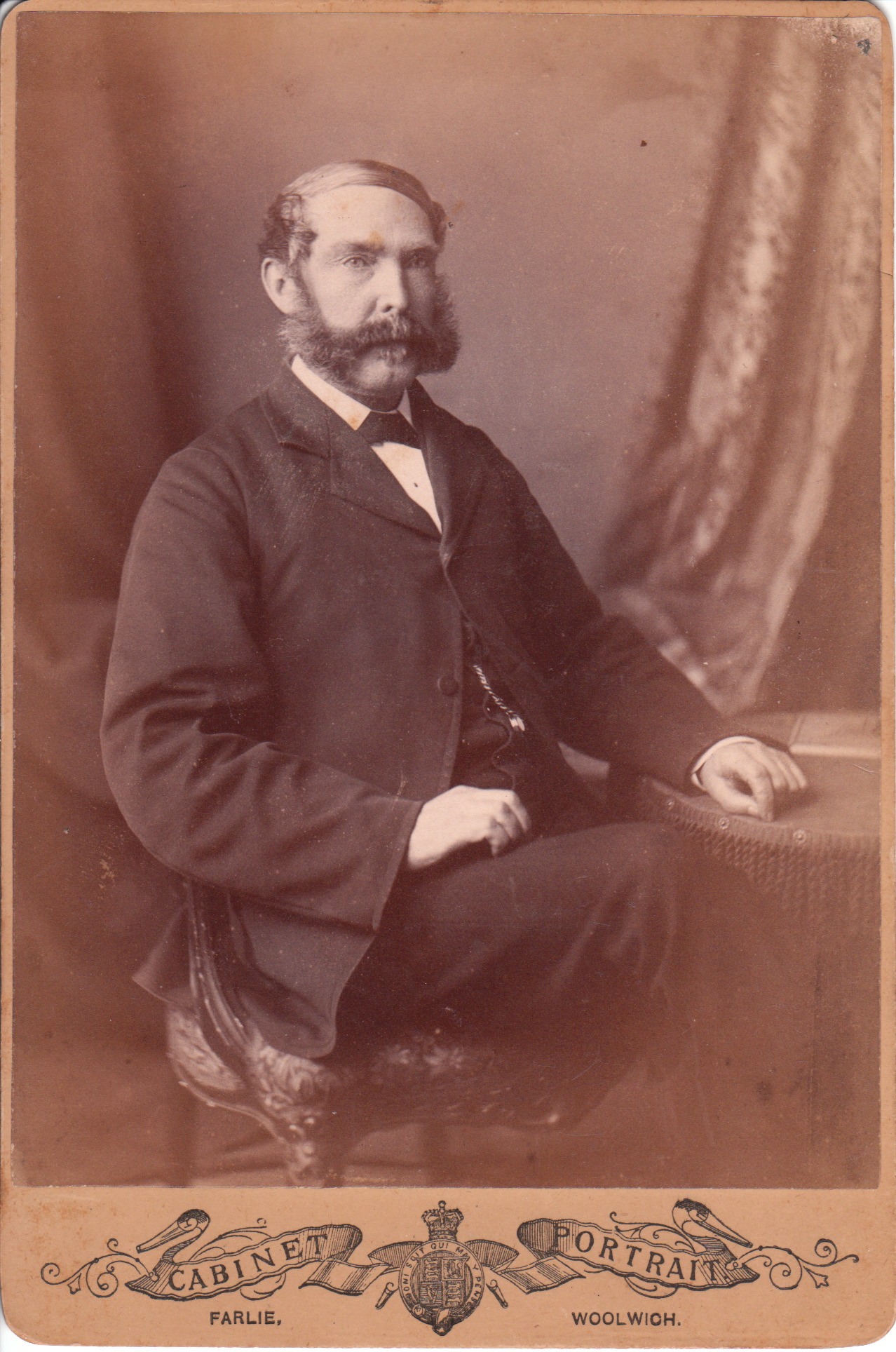
 A man with distinctive muttonchops poses for his portrait at the C. J. Farlie studio in Woolwich. Charles James Farlie (1839-1901) was located at 74 Wellington. The town of Woolwich is part of greater London. Farlie worked as a photographer in the town between the 1860’s and 1880’s. He was married twice. One of his wives was Selina Louisa Farlie who died in 1873 at the age of 32. The subject of this photograph is formally dressed and is wearing the usual pocket watch with the chain exposed under his coat. The gentleman’s interesting facial hair gains him entry into the Cabinet Card Gallery’s category of “Mustaches (Only the Best). Peruse the intriguing facial hair by clicking the category.
A GENTLEMAN AND HIS MUTTON CHOPS IN WOOLWICH, ENGLAND

HUNTER AND HIS DOG IN VIENNA, AUSTRIA
 A hunter poses with his dog and gun for Paul Pietschmann at his studio in Vienna, Austria. Note the man’s pocket watch and great hat. The dog appears to be very alert and “at the ready”.
HANDSOME MAN WITH FORMIDABLE MUSTACHE IN NEW YORK CITY
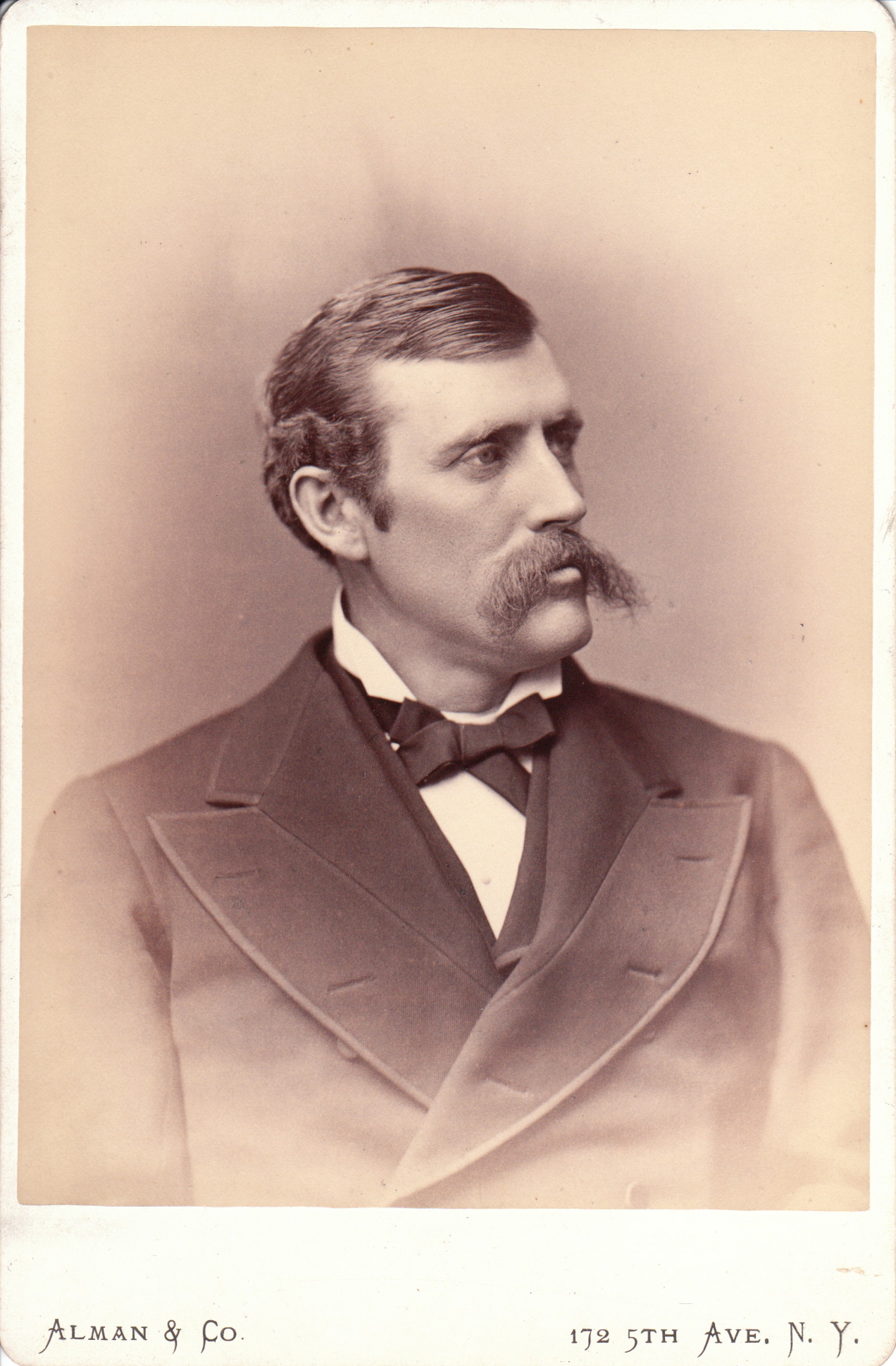
A formally dressed gentleman poses for his portrait at the Alman & Company studio in New York City. He has a great bushy mustache which earns a spot in the category “Mustaches (Only the Best)”. Click on this category to view other facial hair masterpieces. Note the man’s wide lapels and bow tie. One source states that Louis Alman (1835-?) was active in New York City and Newport, Rhode Island from the 1870’s through 1920. The dates have not been confirmed by research.
ANTIQUE OCCUPATIONAL PHOTO : ROOFERS WORK CREW w/ WOMEN & CHILD : c1890s
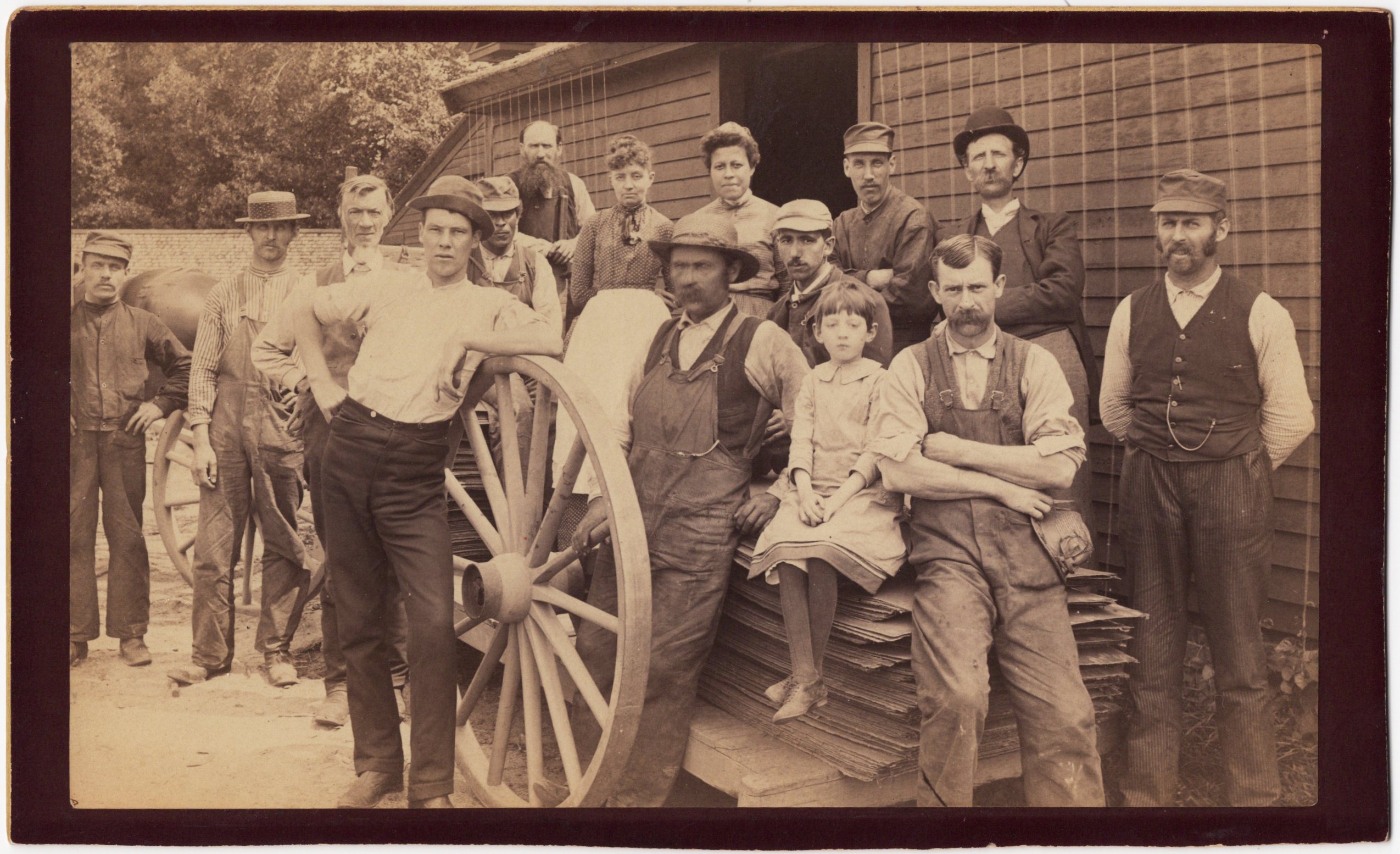
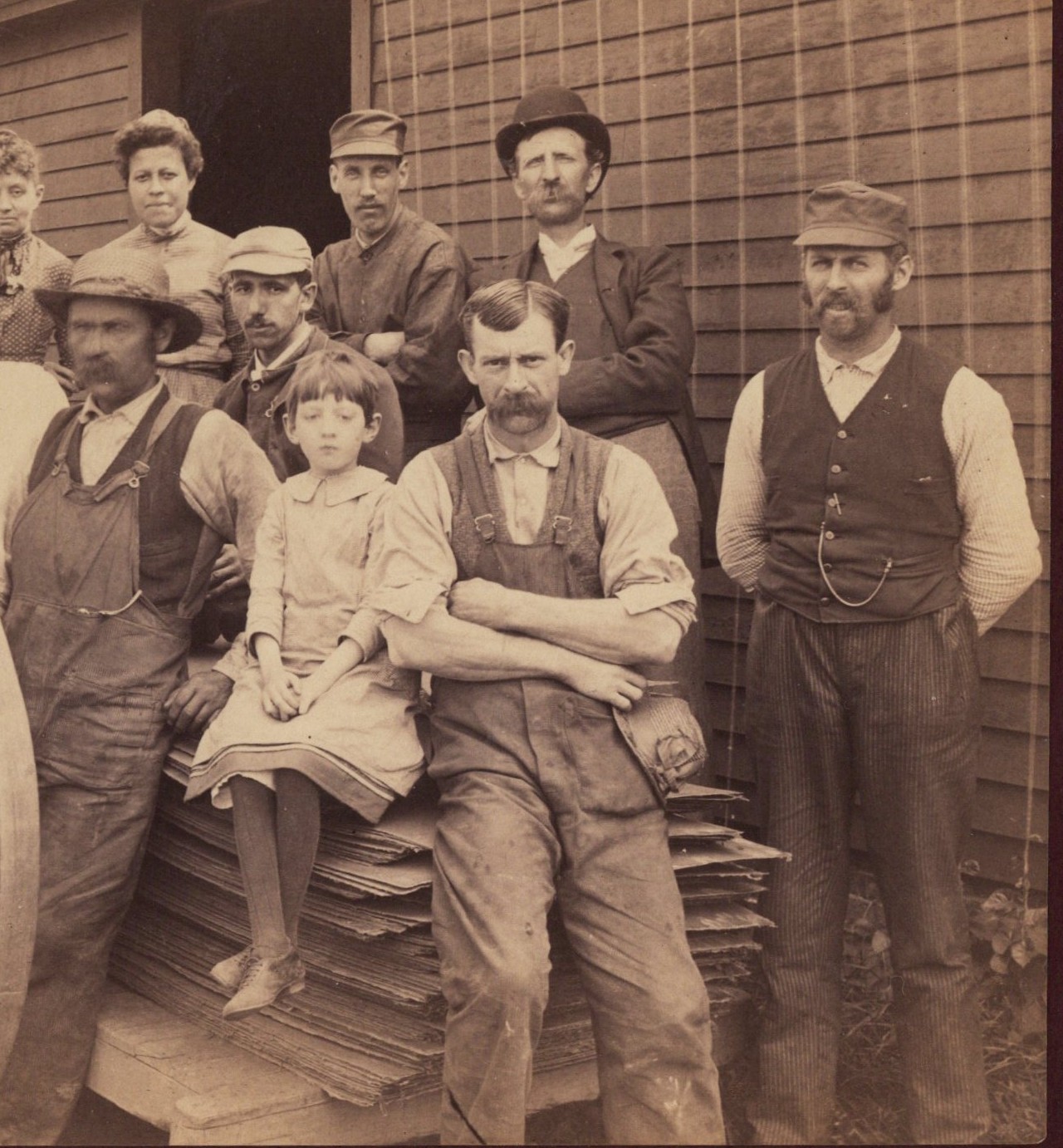
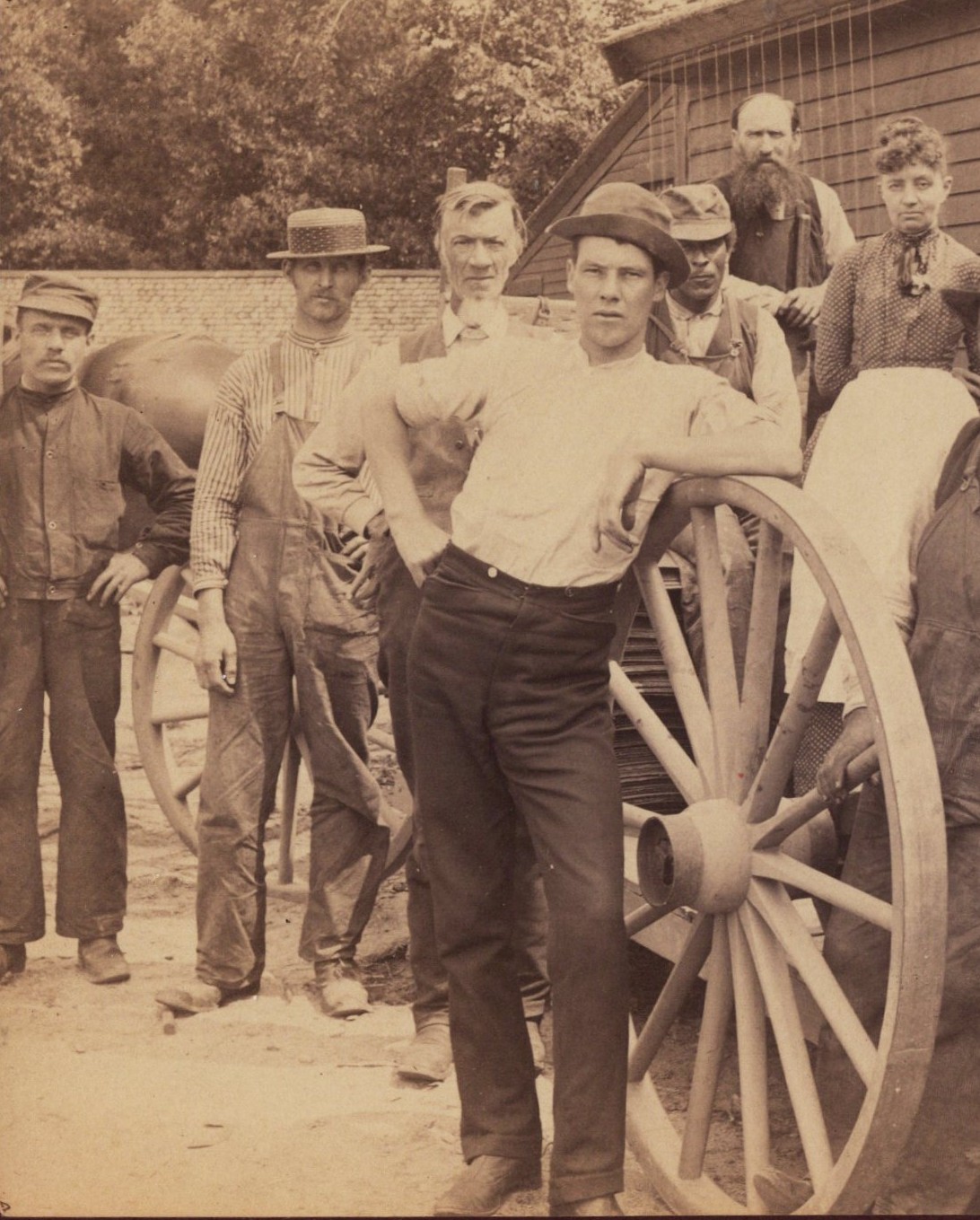
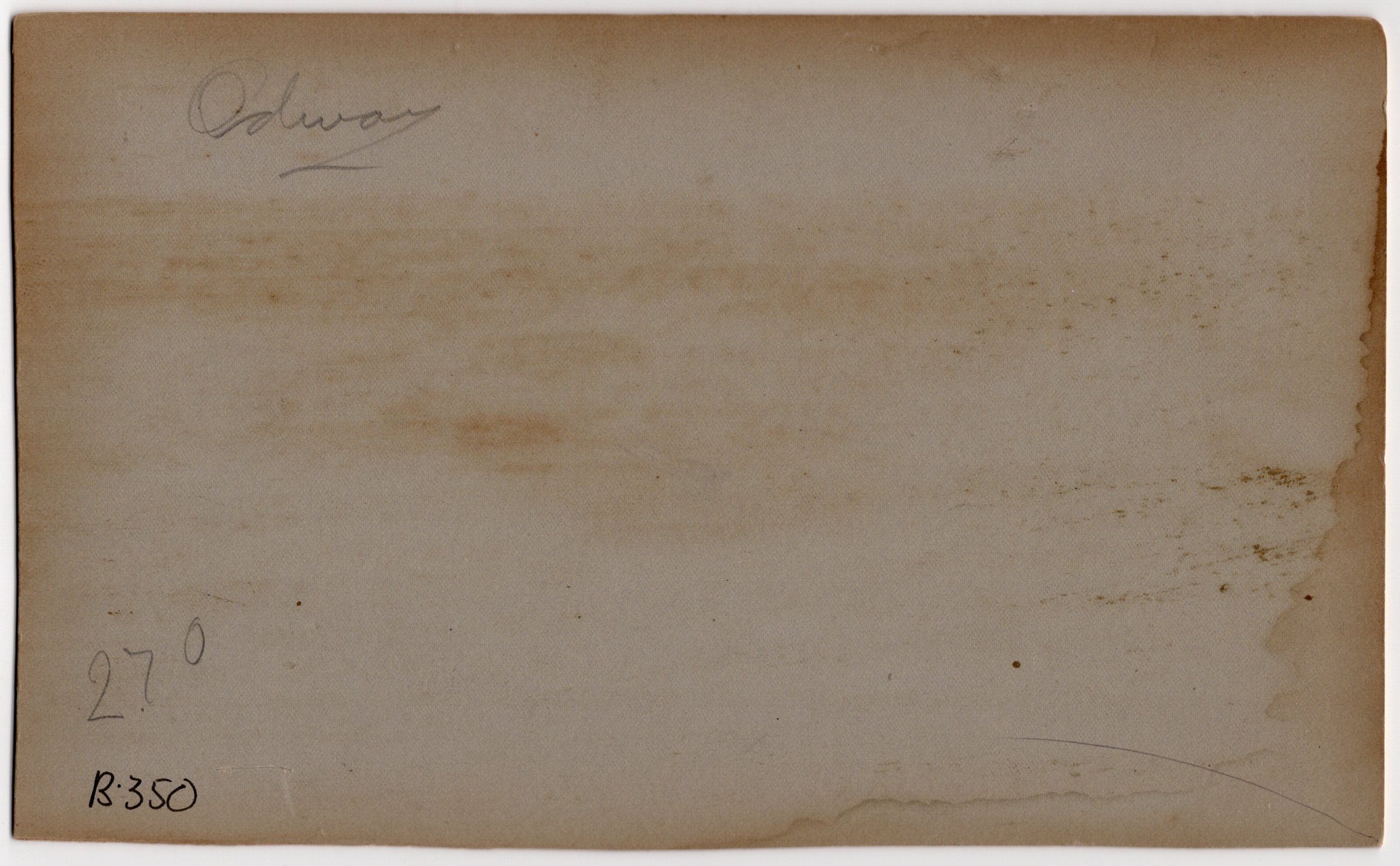
This is an original antique occupational photograph dating to the late 19th century. It depicts a large group of laborers, very likely roofers or builders, posed in front of a wooden structure. The photo measures 8 3/8 inches by 5 inches and is mounted on its original card stock. The group consists of about fifteen individuals—primarily men in work clothes, along with two women and one young girl, which makes this an especially unusual occupational image. The men are dressed in a mix of overalls, work shirts, caps, bowler hats, and vests, several sporting mustaches and stern expressions that were typical of the period. One man leans confidently against a large wooden wagon wheel, emphasizing both his stature and his pride in the trade. The women stand in the back, dressed in patterned blouses and aprons, while the young girl is seated front and center atop a stack of roofing materials. Her presence suggests she may have been a daughter brought along for the day. The individuals in the group wear varied expressions: some men stare directly into the camera with serious or defiant looks, while others appear more casual or even slightly amused. Together, they present a strong and dignified record of late-Victorian occupational (working class) life. On the reverse of the mount, the word “Odway” is written in pencil. It is difficult to decipher and could possibly read Oddway or Ordway. If it is Ordway, it may refer to the town of Ordway, Colorado (founded in the 1890s), though it is equally possible that it is simply a surname. It may be the surname of person that possessed the photograph. (SOLD)
BAND MEMBER AND HIS CLARINET IN SALT LAKE CITY, UTAH
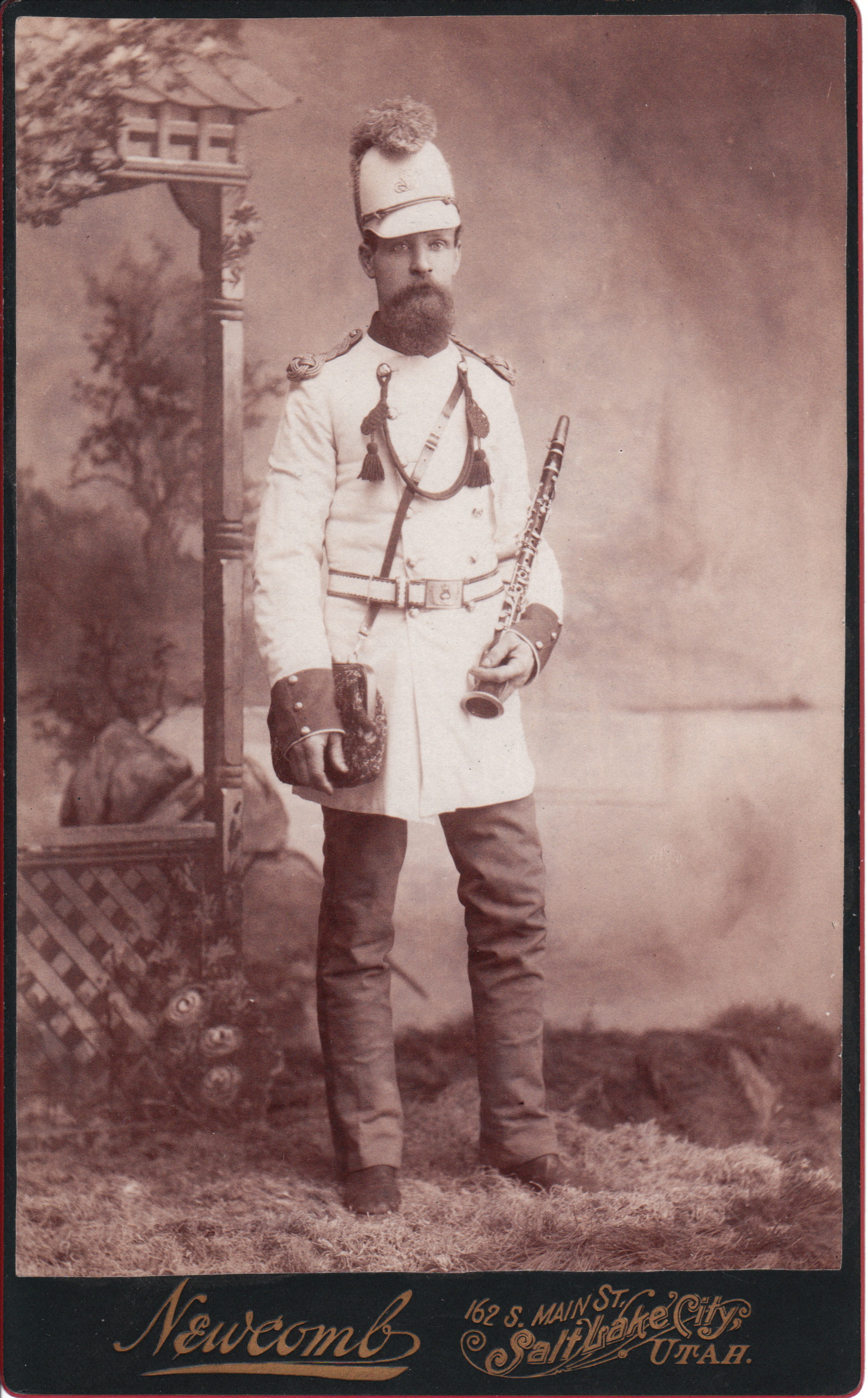
This large format cabinet card features a thick bearded man wearing a band or fraternal uniform holding a clarinet at his side. His uniform suggests that he is a member of a band or a fraternal organization. He is wearing a bag strapped over his left shoulder. Could that bag be his clarinet case? This photograph was produced by the Newcomb studio in Salt Lake City, Utah. Photographer Scott Newcomb operated out of the 162 South Main Street address listed on the bottom of this cabinet card. According to reference site Langdon Road, Scott Newcomb was a photographer in Salt Lake from the 1890s until 1905. A photographer named Marion W. Newcomb (1851-?) also was active at an unknown address in Salt Lake City during the cabinet card era. It is likely that the two men were relatives as one source noted that a female photographer, Flossie Newcomb, was from a family of photographers in Salt Lake City. Flossie operated her own studio in Vernal, Utah in 1906 and married noted photographer Fred Hartsook.
WOMAN ON A PEDESTAL: LOTTIE GILSON (THE LITTLE MAGNET)
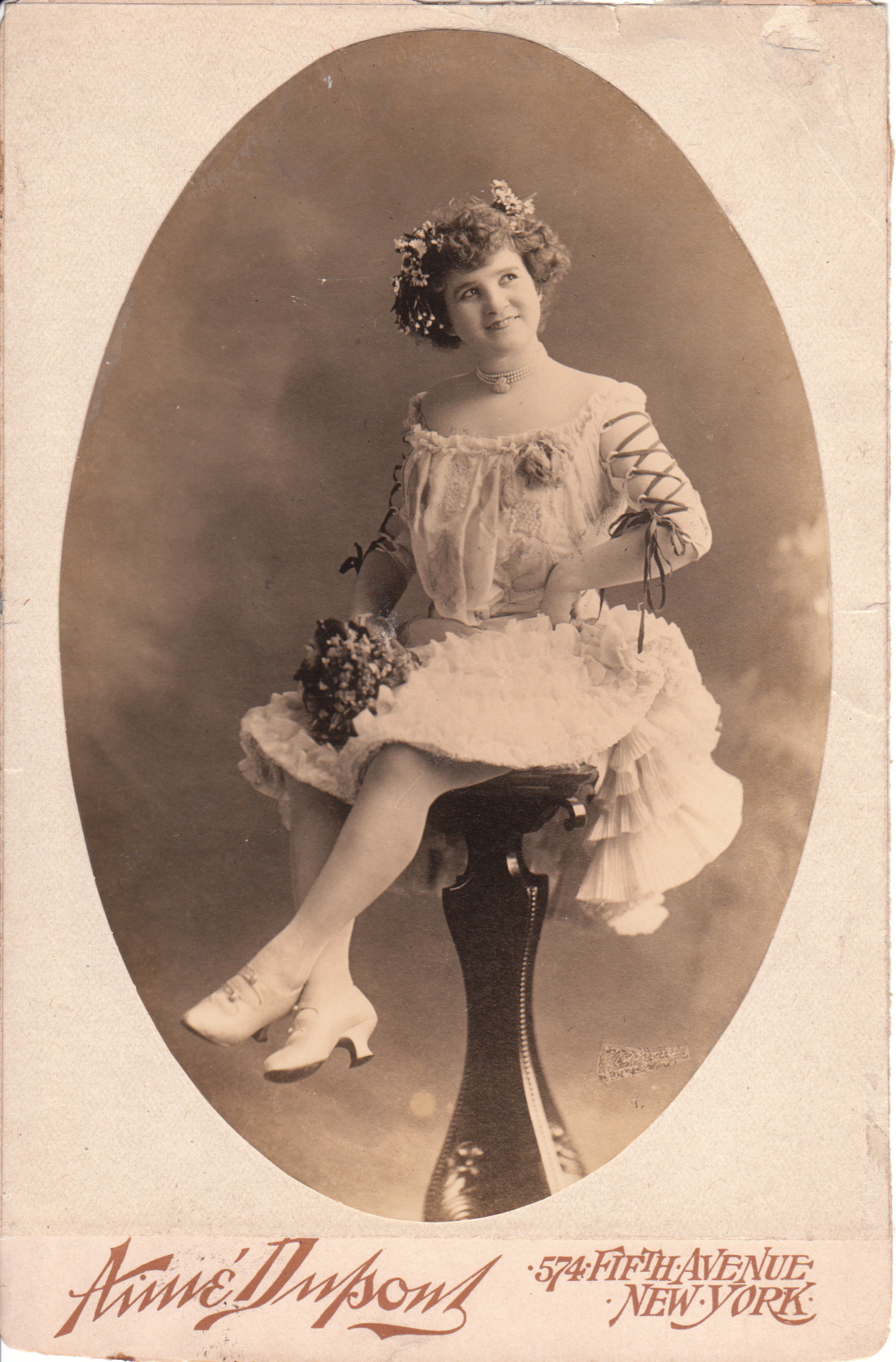
This cabinet card portrait of actress Lottie Gilson was produced by celebrated New York City photographer, Aime Dupont. Gilson is perched on a pedestal and this image is a bit risque for its era. Note Miss Gilson’s coy smile, her exposed neck, relativesly low cut dress, the straps on her arms, and the leggy view. Gilson’s nickname, “the little magnet” is written on the reverse of the photograph. Also on the back of the cabinet card is a stamp from “Culver Pictures” which was a company that supplied photographs to the media for a price. Lottie Gilson (1871-1912) was a popular comedienne and vaudeville singer born in Basil, Switzerland. She was called “the little magnet” because of her popularity with audiences and her ability to propel the sales of sheet music. Her musical hits included “The Sunshine of Paradise Alley” and “The Little Lost Child”. The date of her theatrical debut is unknown but it is certain that she performed at the Bowery’s Old National Theatre in 1884. She later performed in many of New York’s theaters and was the top soubrette of her day. She is noted as the originator of the stunt of having a boy come out of the balcony singing along with one of her songs. This became a common vaudeville routine. The San Francisco Call (1900) reported Gilson’s third wedding (she was only twenty nine at the time). The article also mentioned that her first husband was sent to the penitentiary for setting her hat on fire. The New York Times (1912) printed an obituary for Gilson. They reported that she had been out of the public eye for five years prior to her sudden death. Another source states that she died after years of self destructive behavior, illness, and depression. To view other photographs by Dupont, click on the category “Photographer: Dupont”.
HANDSOME DEVIL IN ALLENTOWN, PENNSYLVANIA
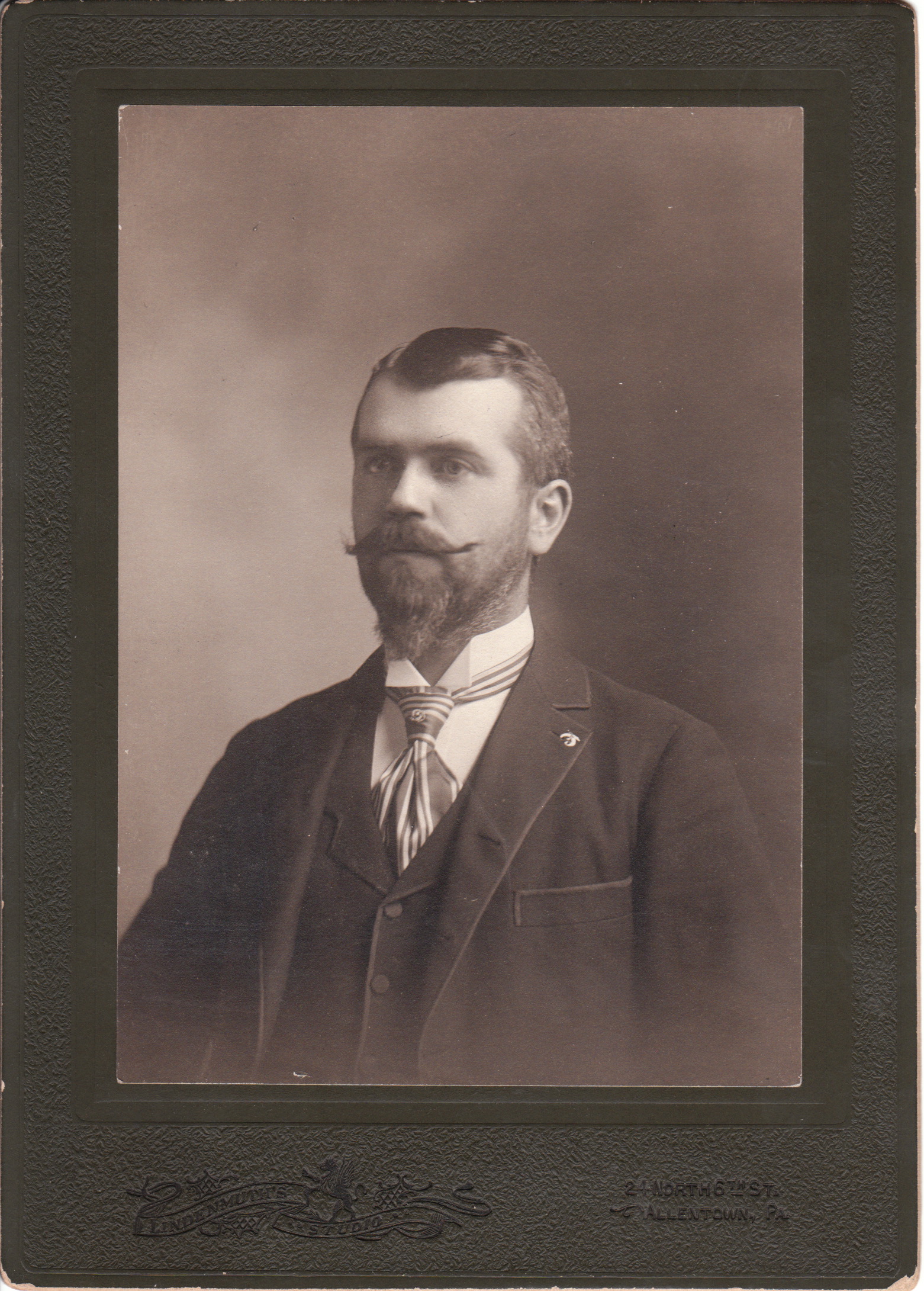
A handsome well dressed and devilish looking man poses for his portrait at Lindenmuth’s studio which was located at 24 North 6th Street in Allentown, Pennsylvania. He looks terrific in his three piece suit and his well groomed beard and handlebar mustache. Writing on the reverse of the photograph dates the image as being produced in 1899. The photographer of this portrait is primarily known for his work as an artist. Arlington Nelson Lindenmuth (1856-1950) was an American landscape and portrait painter who lived and painted in Allentown and the Lehigh Valley region of Pennsylvania. The Pennsylvania native was a member of the “Baum Circle”., the group of artists either were taught by or influenced by Pennsylvania impressionist painter, Walter Emerson Baum. Lindenmuth was also one of the earliest professional photographers in the Lehigh Valley area. He opened his first studio in Allentown in 1881. Prior to that, he operated studios in Tamaqua, Philadelphia, and Pottstown. All three cities are in Pennsylvania. As early as 1862, Lindenmuth was also employed as a traveling sales representative for Eastman Kodak. To view other photographs by Lindenmuth, click on the category “Photographer: Lindenmuth”.
A GENTLEMAN AND HIS GIANT MUSTACHE IN BROOKLYN, NEW YORK
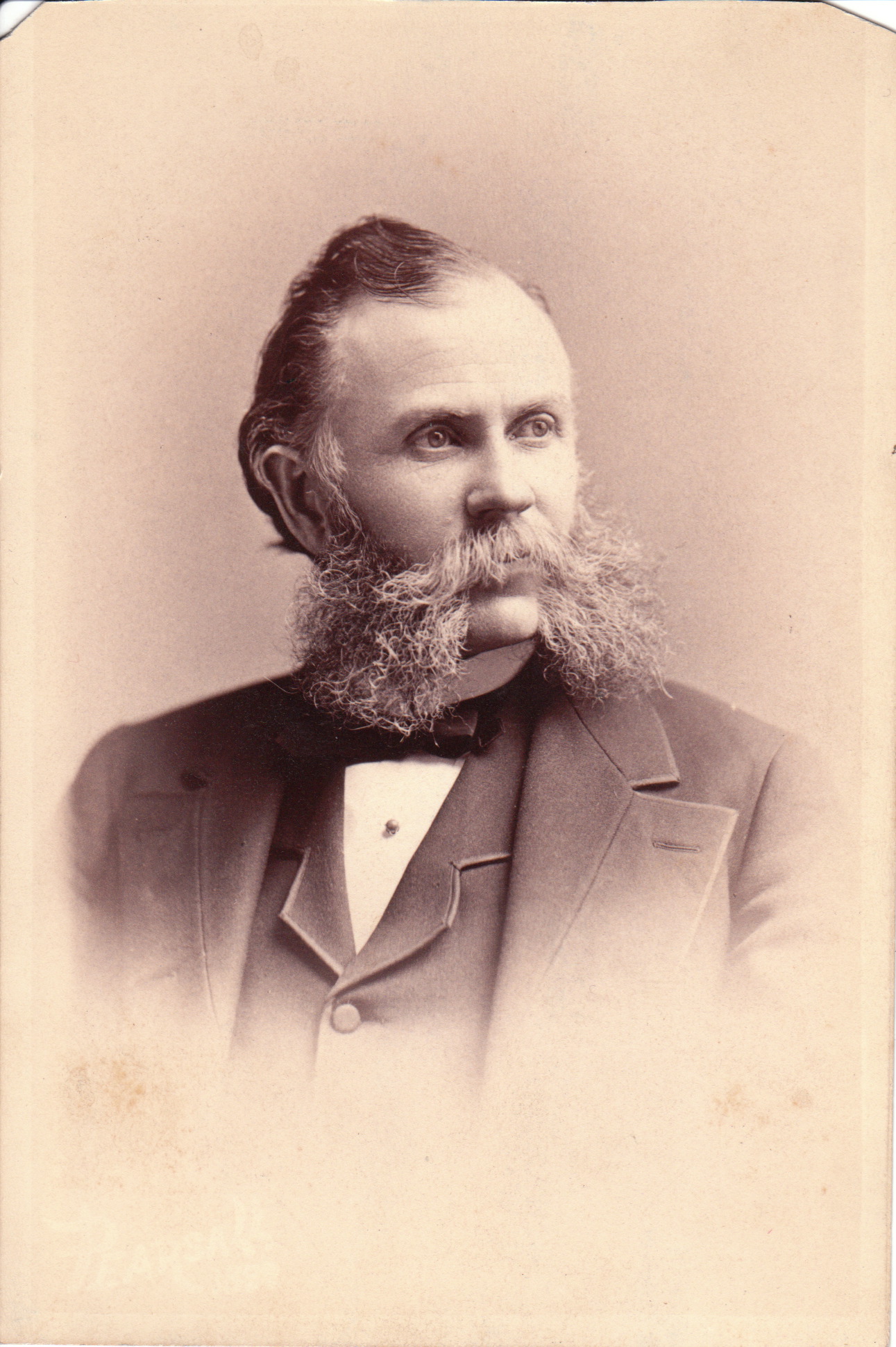 A man with a partial beard, mutton chops, and a very bushy mustache is captured by photographer George Frank E. Pearsall. The address of Pearsall’s studio was 298 Fulton Street in Brooklyn, New York. This portrait earns a spot in the cabinet card gallery’s category “Mustaches (Only the Best)”. Take a look at the category for some very interesting facial hair images. Frank Pearsall was born in New York City. His father was a life boat builder. Pearsall’s parents died when he was young and he and his two brothers were raised by an aunt in Saratoga, New York. In 1852 he began to learn about the photography business from his uncle who operated a gallery. After two years, his uncle left for Australia and the business failed despite Pearsall’s aunt’s efforts. Frank and his older brother left for an adventure and they spent eight years in such places as Cuba, West Indies, Venezuela, and elsewhere. In 1862 he returned to New York and worked as a positionist with celebrated New York City photographer Benjamin Gurney (see category “Photographer: Gurney”). He refined his skills working in the Gurney studio. In 1866 he married Long Islander Elizabeth Conrow. In 1870 he opened a photographic studio in Brooklyn which operated for two years at which point he moved his business to the 298 Fulton Street address. An 1880 advertisement asserted that Pearsall’s studio was the largest one in Brooklyn. Pearsall developed a historic camera in 1883. The camera was called the “Pearsall’s Compact Camera” and was unique in that it came in its own “carrying case” that also housed needed accessories. This design was imitated by all of the major camera manufacturers through the 1920’s. The British Journal of Photography (1876) published an article pertaining to a court case involving Pearsall. The case, Pearsall vs Schenck. was followed by photographers through out the United States because it involved a matter of universal importance to their business. The case concerned a couple that set for 17 poses at Pearsall’s studio. He sent them the proofs and they returned them. The couple contended that they did not like the pictures and would not pay for them. Pearsall demanded payment regardless of whether the couple liked the pictures. The journal took the side of Pearsall when they wrote that photography does not make “the human face divine”, it only reproduces it. The journal argued that the photographer does not have the responsibility of the painter to please the sitter for the portrait because the photographer can not control an image the way a painter can control a painting. Photographer can no change their subject’s “bad features”. The nose that is “snubby” will be “snubby” in photographs. “It is too bad to blame the poor photographer for the facial accidents of nature”. Tongue in cheek, the journal suggests the couple should have paid their bill or else the photographer might put their portraits in the gallery’s main display cases to be seen by all visitors. Pearsall won the legal case and the couple was ordered to pay for the photographs. The New York Times (1876) also reported this story but was less supportive of Pearsall. However, their article stated that the photographer should be paid for his time and supplies. The Times also made an analogy concerning the relationship of medical doctor and patient. The article asserted that patients had to pay their doctors even when they were not cured by the doctors efforts. Research revealed two interesting side notes. Pearsall was the President of the Brooklyn Archery club and in 1881 was the Secretary and Treasurer of the National Archery Association. A second bit of trivia is that Pearsall’s brother, Alva Pearsall, was a camera operator for Matthew Brady in 1871.
DRESSED FOR A DRIVE IN MONAWA, WISCONSIN
 Although this terrific photograph is from the post cabinet card era, I want to share it with Cabinet Card Gallery visitors. The five individuals in this photograph appear to be dressed for an auto tour. One can easily imagine them sitting in an open motoring car driving down an open country road. The groups wardrobe and good looks bring to mind images of Bonnie and Clyde. Three of the subjects of this photograph are identified on the reverse as Ed Fetzer, Ed Heideman, and Martha Krause. This photograph was taken at the Quimby Studio in Manawa, Wisconsin. The Manawa Wisconsin Gazeteer and Business Directory (1903) lists A. C. Quimby as operating as a photographer in the town of Manawa.
A GENTLEMAN IN EVANSTON, ILLINOIS
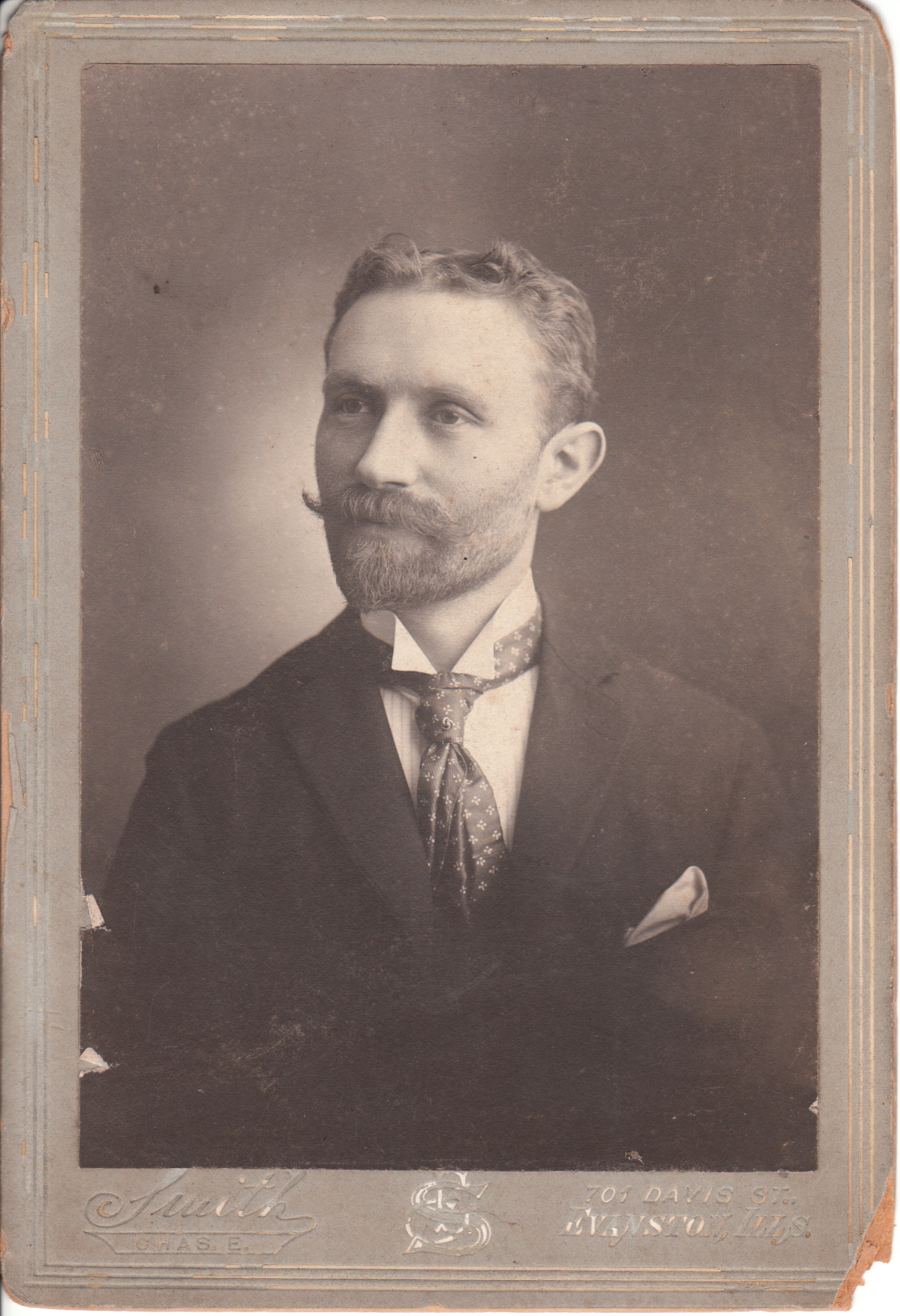 Photographer Charles E. Smith photographed the gentleman in this photograph at his studio in Evanston, Illinois. The studio was located at 701 Davis Street. The subject is well groomed and well dressed. His pose in this portrait gives an appearance of confidence. Photographer Smith is cited as an exhibition participant in the Bulletin of Photography (1912)


 THE CABINET CARD GALLERY