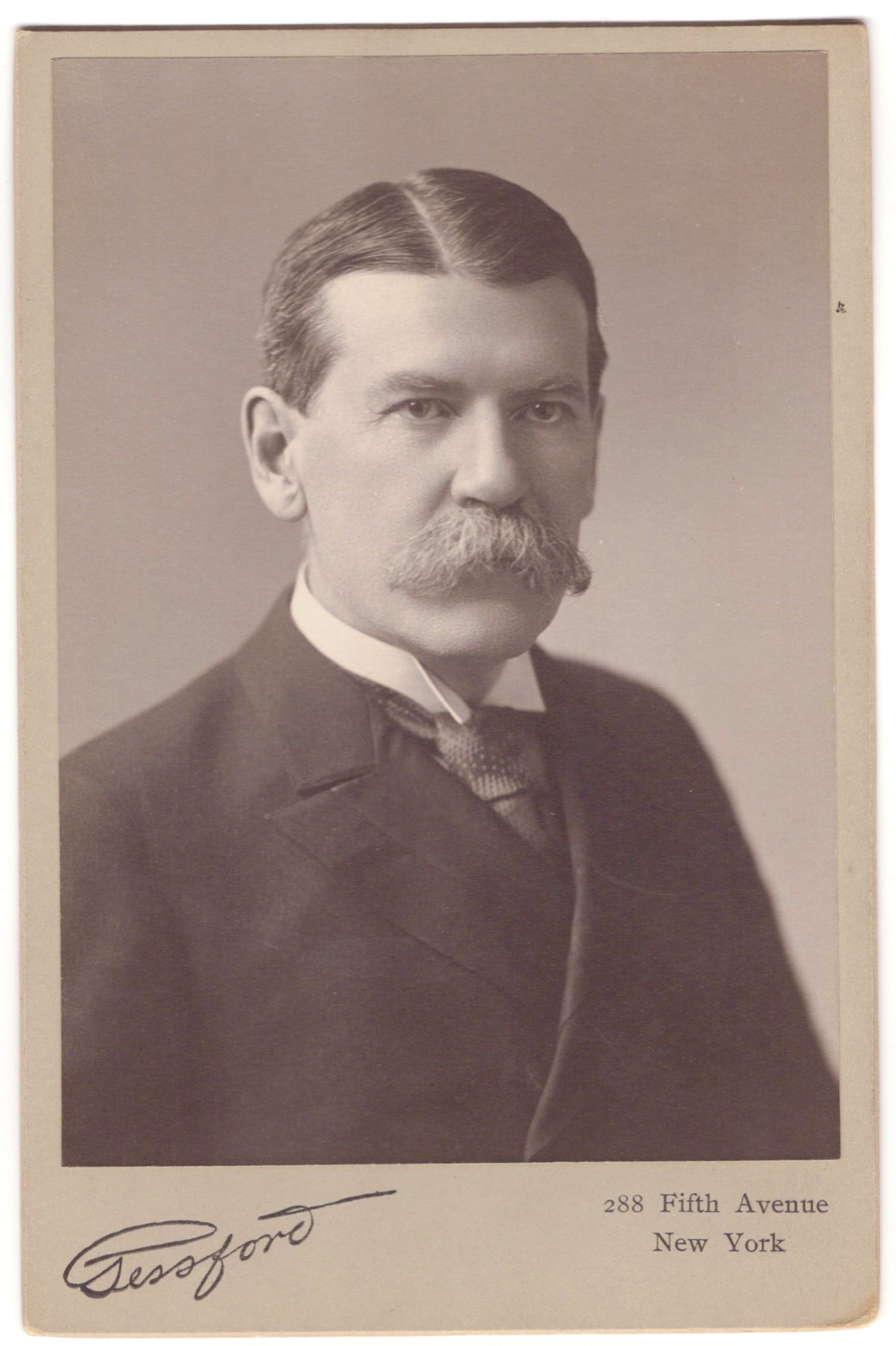
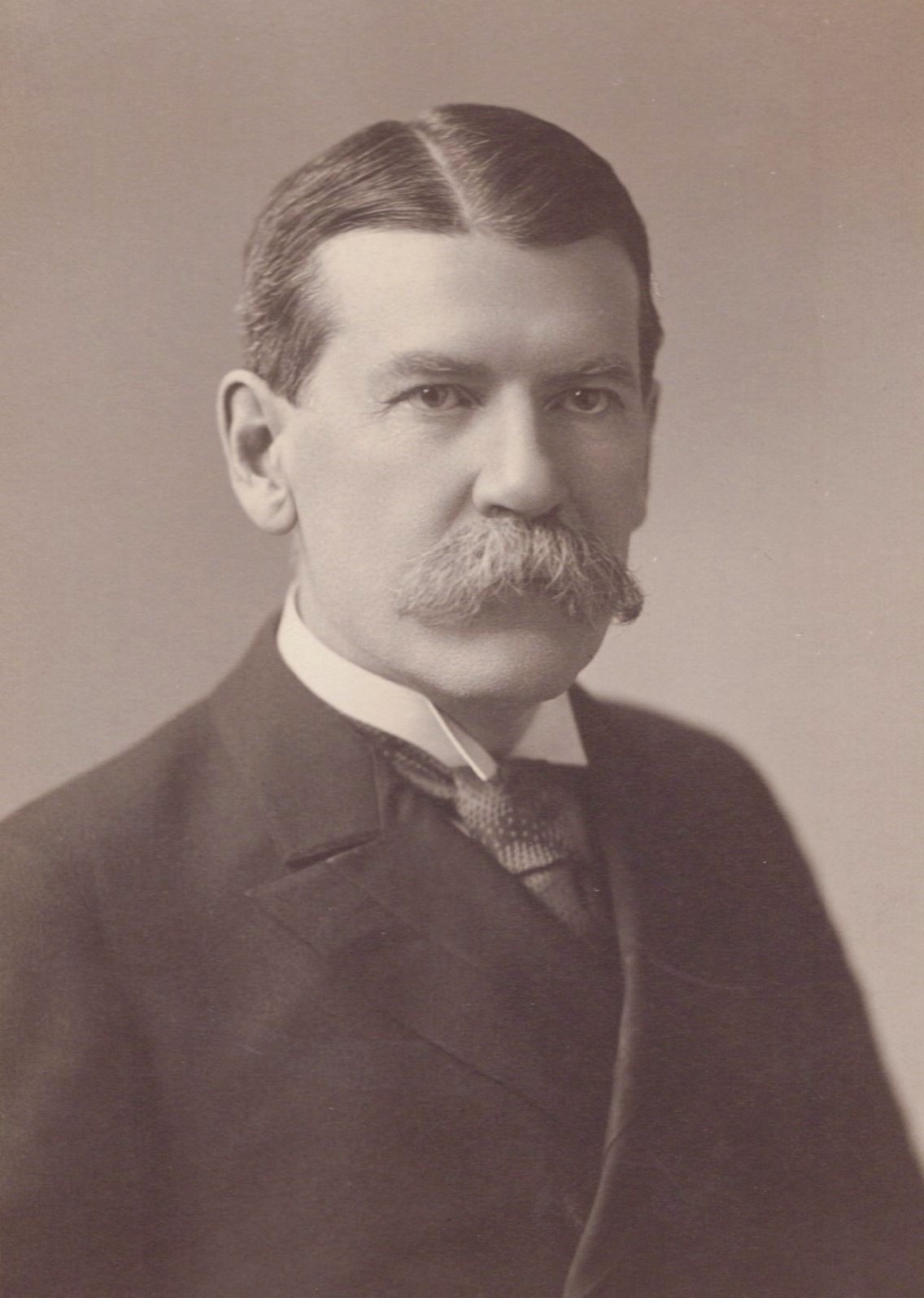
The subject of the photograph is Horace Porter, who was quite an accomplished man who played an integral part in American history. Horace Porter (1837-1921) is most well known for his activities during the civil war. He served as a Lieutenant Colonel, Ordnance Officer, and Staff Officer in the Union Army. In 1866 he was appointed brevet Brigadier General in the U. S. Army. He was also personal secretary to General and President Ulysses S. Grant and to General William Sherman. Later, he was the Vice President of the Pullman Palace Car Company and the United States ambassador to France (1897-1905). Horace Porter was born in Huntingdon, Pennsylvania. He was the son of David R. Porter who who served as Pennsylvania’s Governor. His cousin, Andrew Porter was a Mexican-American War veteran and Union Army Brigadier General. Horace Porter was educated at Harvard University and graduated from West Point in 1860. He was distinguished in the Battle of Fort Pulaski (Georgia), Chickamauga, the Battle of the Wilderness, and New Market Heights. He received the Medal of Honor for his efforts at Chickamauga. He later wrote a memoir “Campaigning With Grant” (1897). The photographer of this cabinet card portrait is Joseph G. Gessford. Gessford (1875-1925) operated a prominent New York City studio located at 288 Fifth Avenue. Gessford was best known as a photographer of celebrities and socialites during the first two decades of the twentieth century. He photographed Mark Twain in 1904, and when the author requested gratis copies of the portraits, Gessford famously replied, “I could no more afford to give you these pictures than you can afford to write books for free.” SOLD
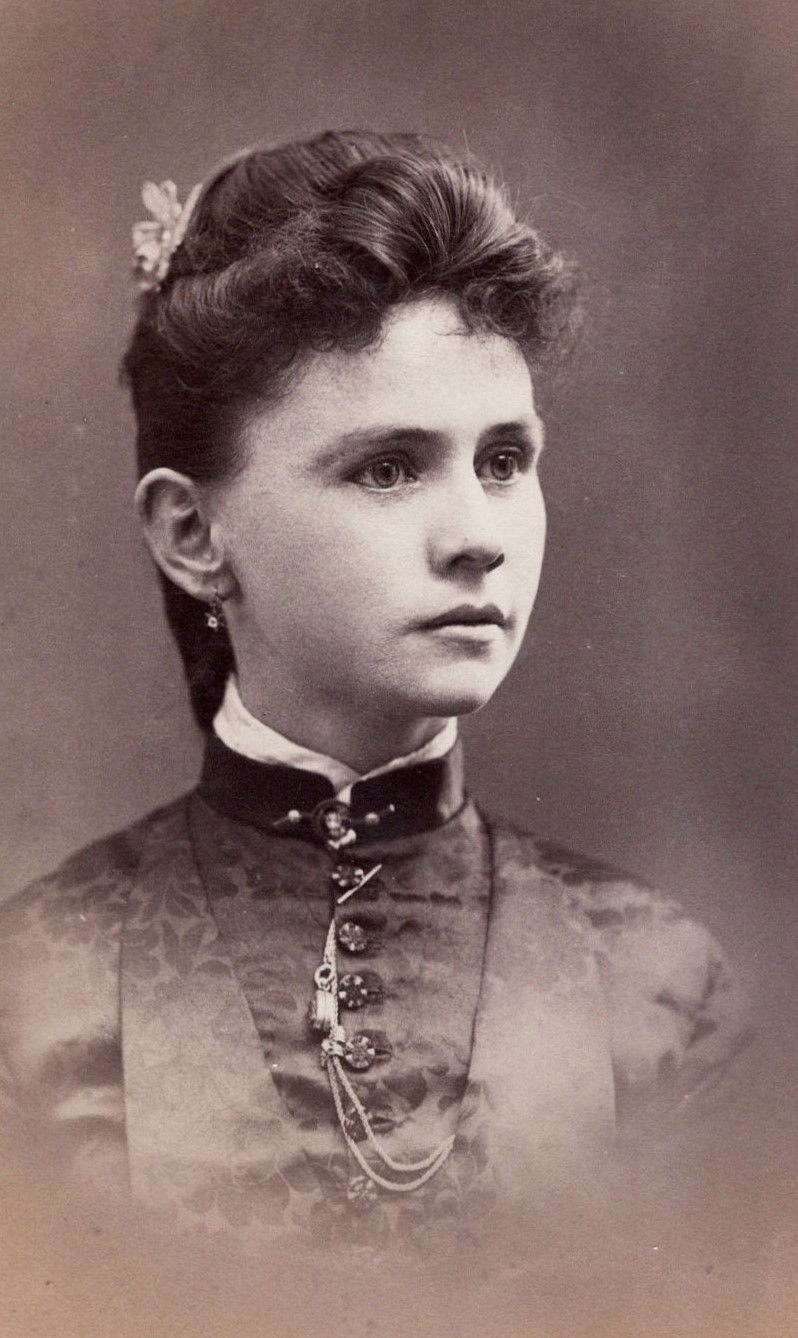
PRETTY AND FASHIONABLE TEENAGE GIRL IN SPENCER, MASSACHUSETTS : CABINET CARD
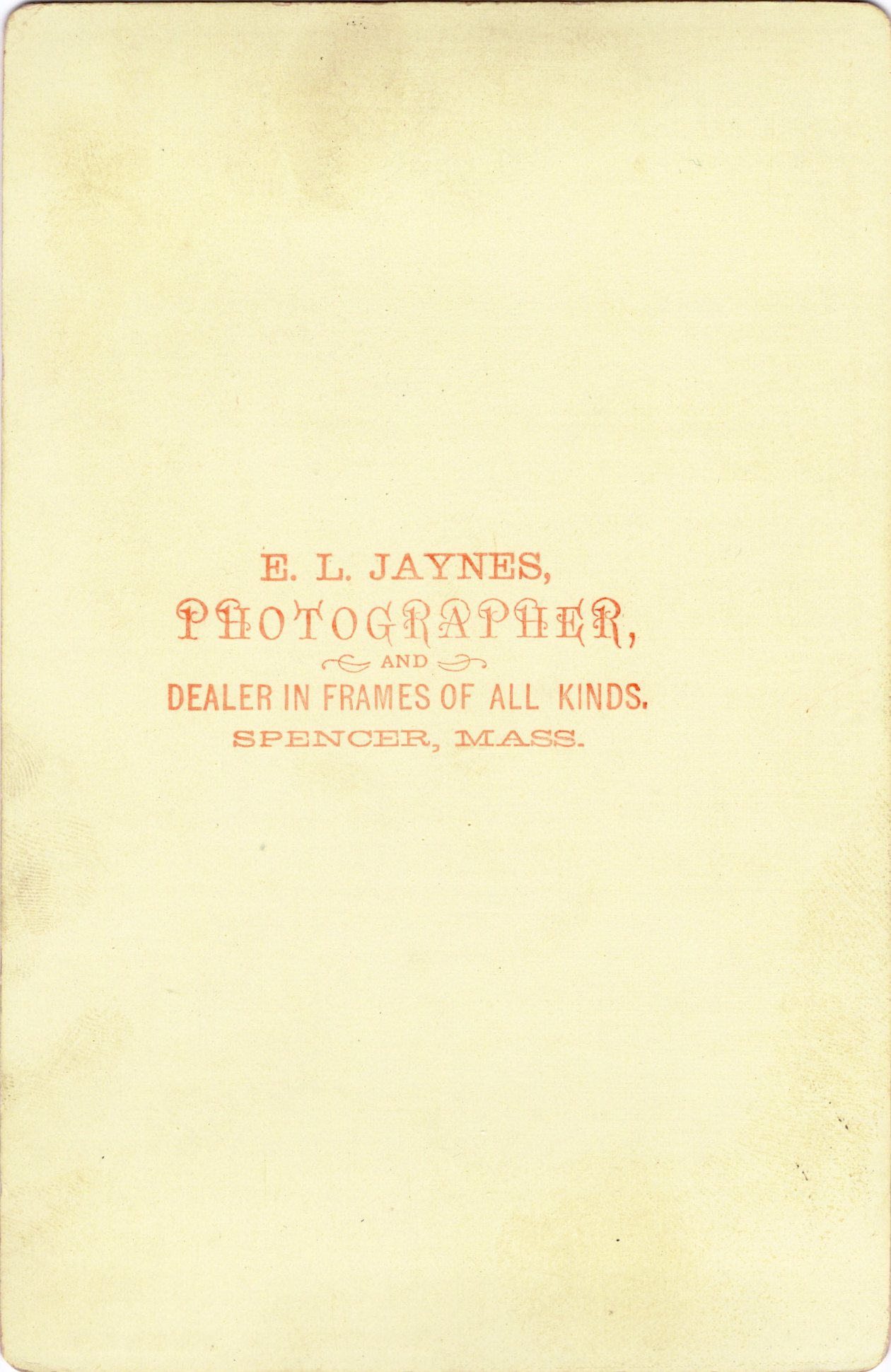
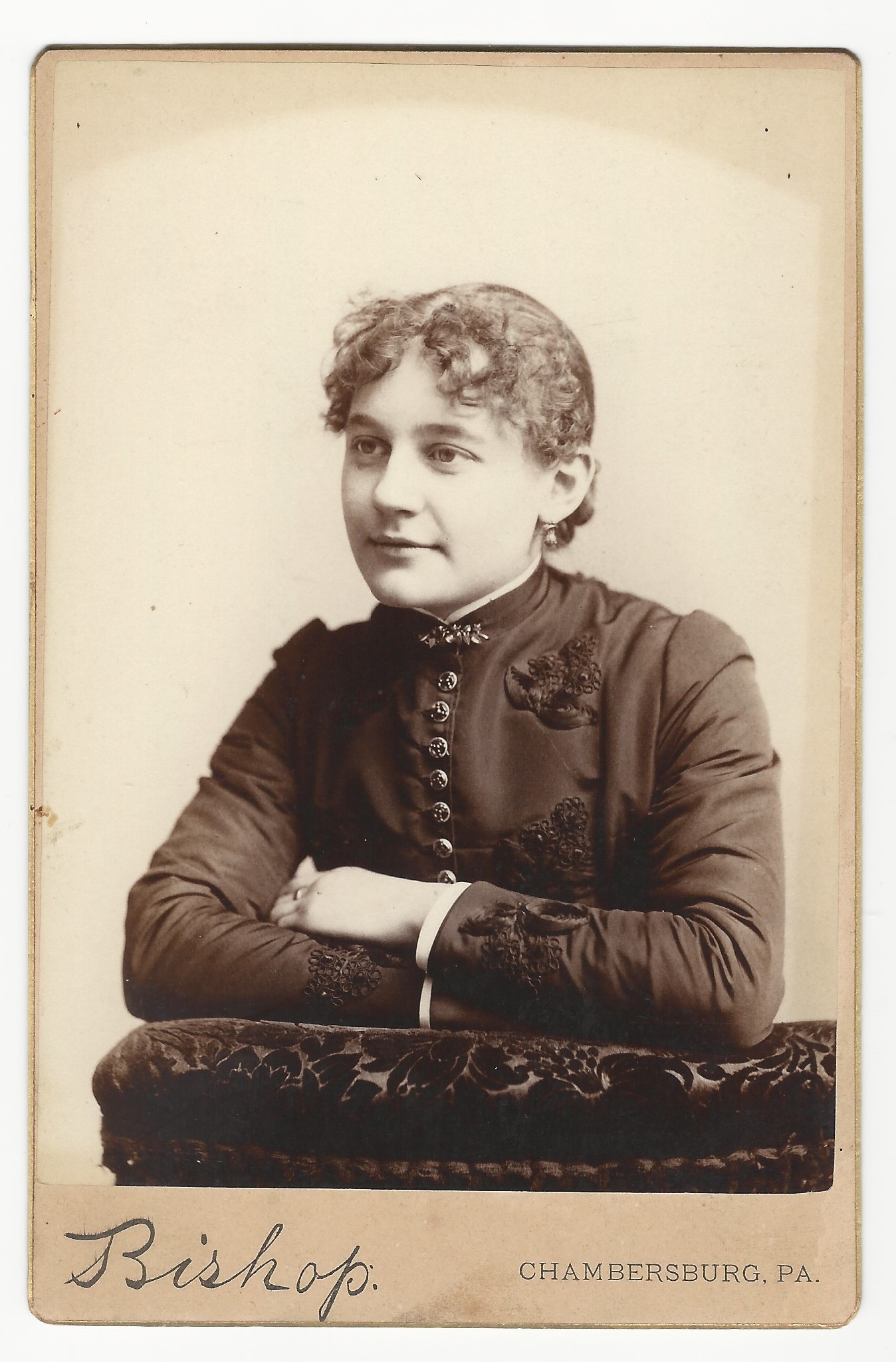
This cabinet card portrait features a pretty and fashionable young woman. She appears to be in her teenage years. Note that she is wearing a brooch at her collar. The young lady’s portrait was taken by Edward Lyman Jaynes at his studio in Spencer, Massachusetts. Jaynes operated his studio in Spencer between 1873 and 1920. Jaynes was born in Massachusetts 1842. He served in the Massachusetts 17th infantry regiment during the civil war. He began and finished his service as a private. One source reports that Jaynes died in 1937, at age 95. This cabinet card has gold bevelled edges. (SOLD)
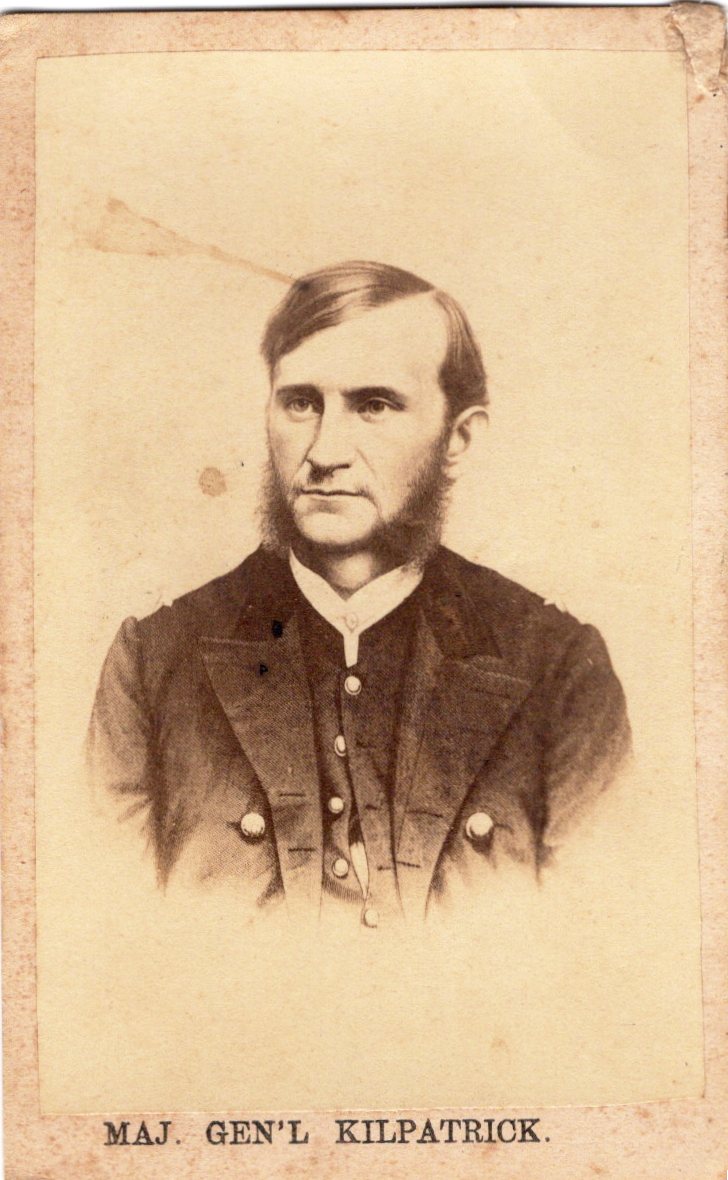
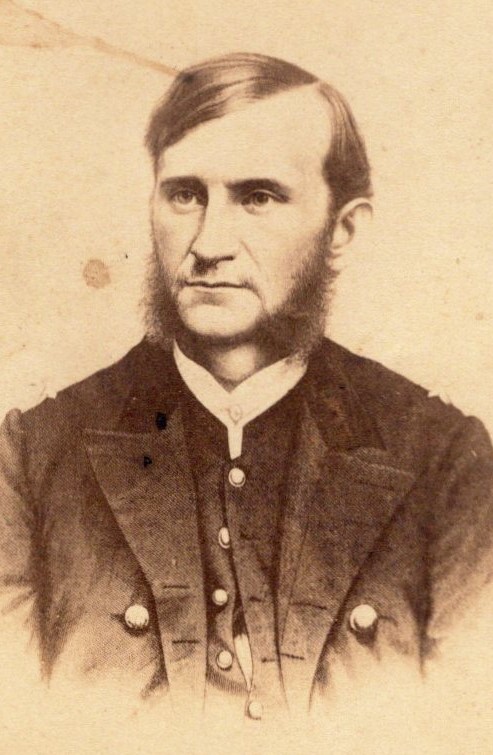
MAJOR GENERAL JUDSON KILPATRICK : CARTE de VISITE : CIVIL WAR : WEST POINT 1861
This carte de visite portrait features Civil War Union Cavalry Major General, Hugh Judson Kilpatrick (1836-1881). He was a 1861 graduate of West Point and quickly rose in the ranks as the war progressed. As a General, he was considered to be reckless with the lives of his soldiers. He developed a disparaging nickname of “Kilcavalry” or “Kill-Cavalry” for his disregard of the lives of his men. After the war, he became the United States Minister to Chile. This cdv is on thinner than usual card stock. The photo has a bumped top right hand corner and is in overall fair condition. SOLD
PROFILE PORTRAIT OF A PROPER PRETTY WOMAN IN LOGANSPORT, INDIANA
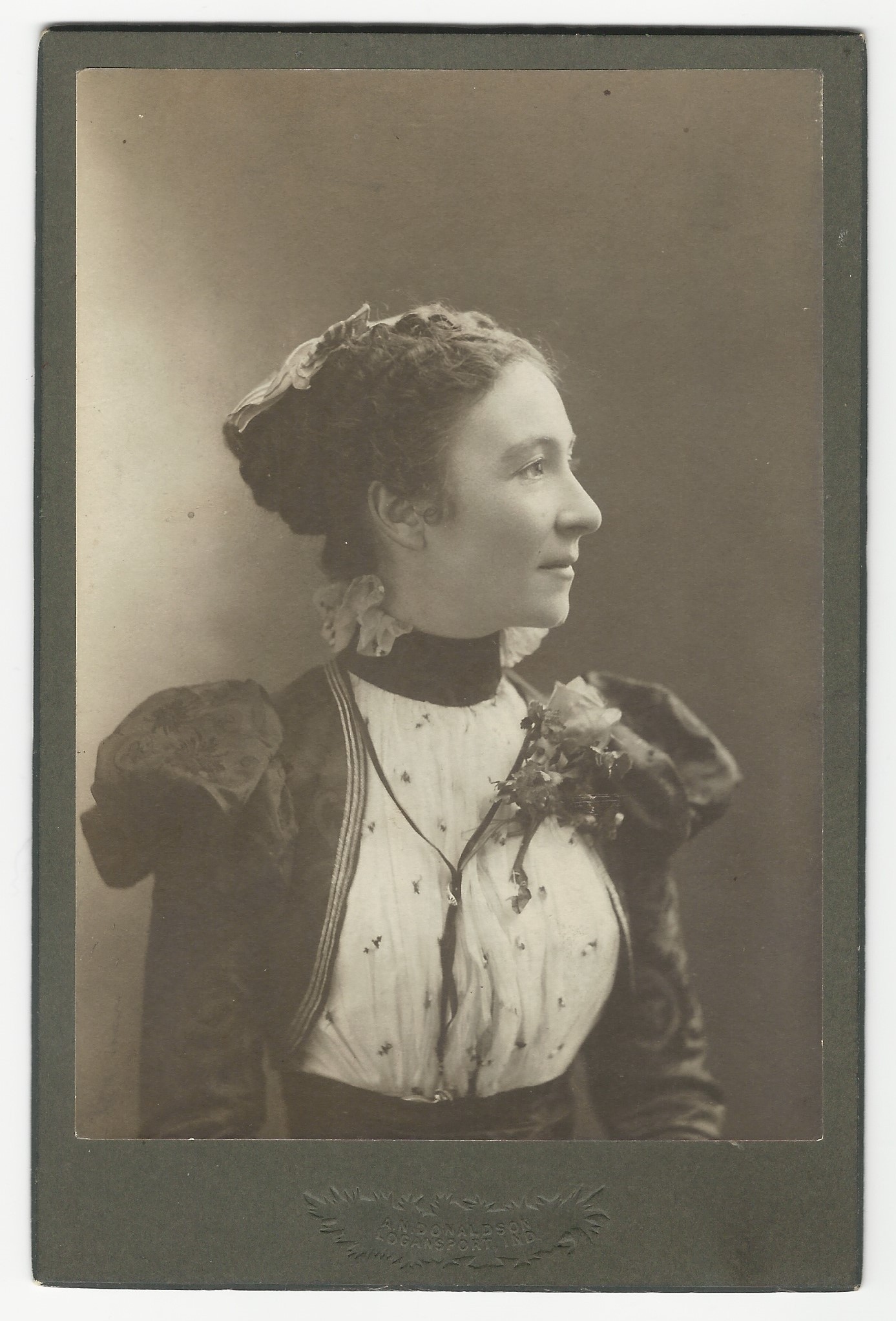
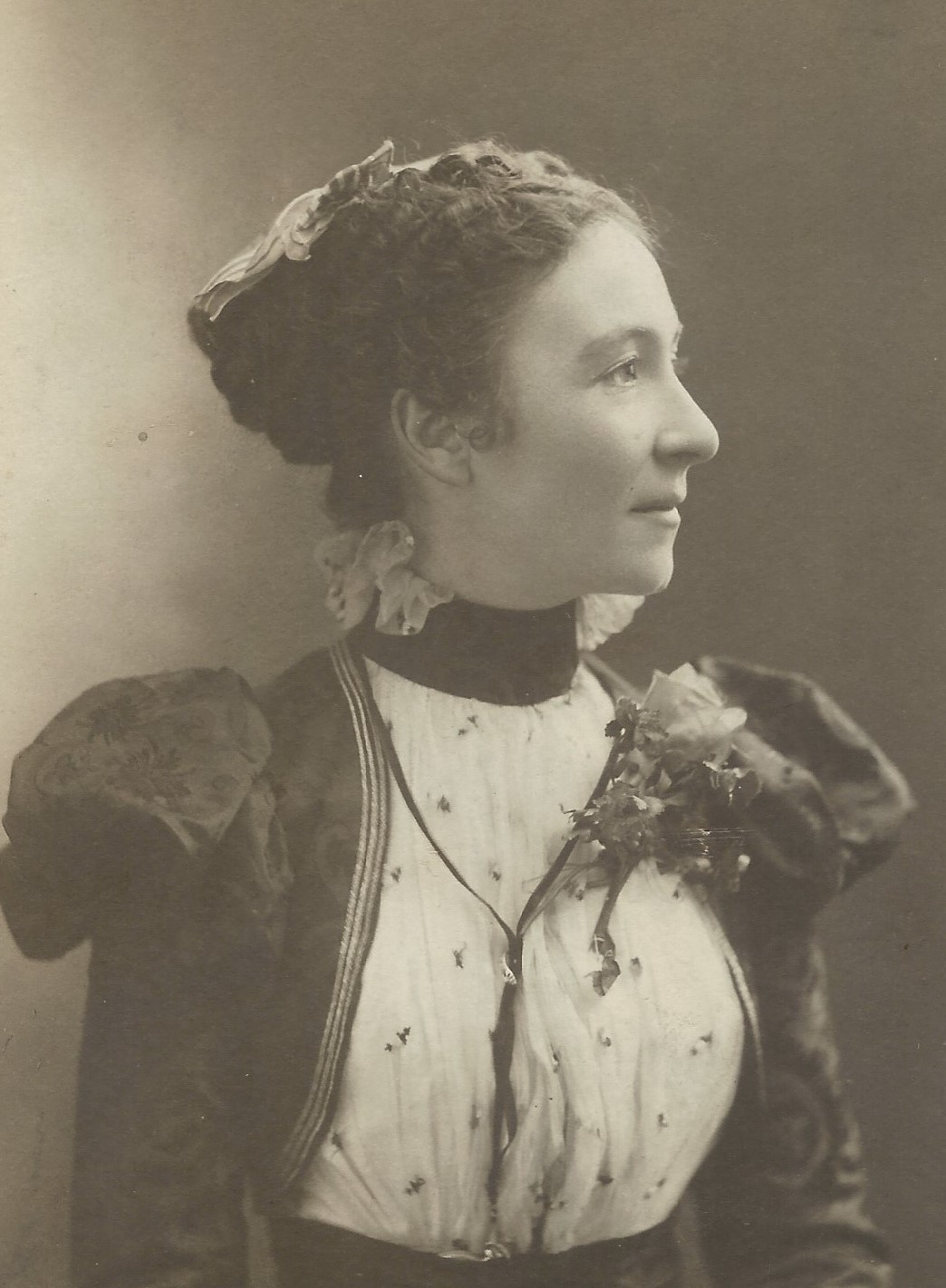
This post cabinet card era portrait features a profile view of a pretty woman. She looks quite proper in her fashionable clothing and with her hair gathered atop her head. She is wearing flowers as well as a lace-like necklace hanging down the front of her dress. I can’t decide it’s purpose but perhaps it is to hold a pocket watch. In fact, I believe I may see a timepiece peeking out from the top of her skirt. This image comes from the A. N. Donaldson studio in Logansport, Indiana. He did a terrific job with the soft backlighting seen in this photograph. Research revealed some biographical information about the photographer Albert Newton Donaldson (1841-1906). He settled in Logansport in 1867. Earlier, he had participated in the civil war. In 1861 he entered the service as a private and after some time left the service as a corporal. He served in Indiana’s 10th Infantry (Company H). One source reports that Donaldson deserted from his unit on 6/15/1862 at Corinth, Mississippi. A second source never mentions the desertion. The 1880 US census revealed that he was married in 1865 to Susan E Donaldson. The 1880 census, as well as the 1900 census, listed his occupation as being a photographer. SOLD

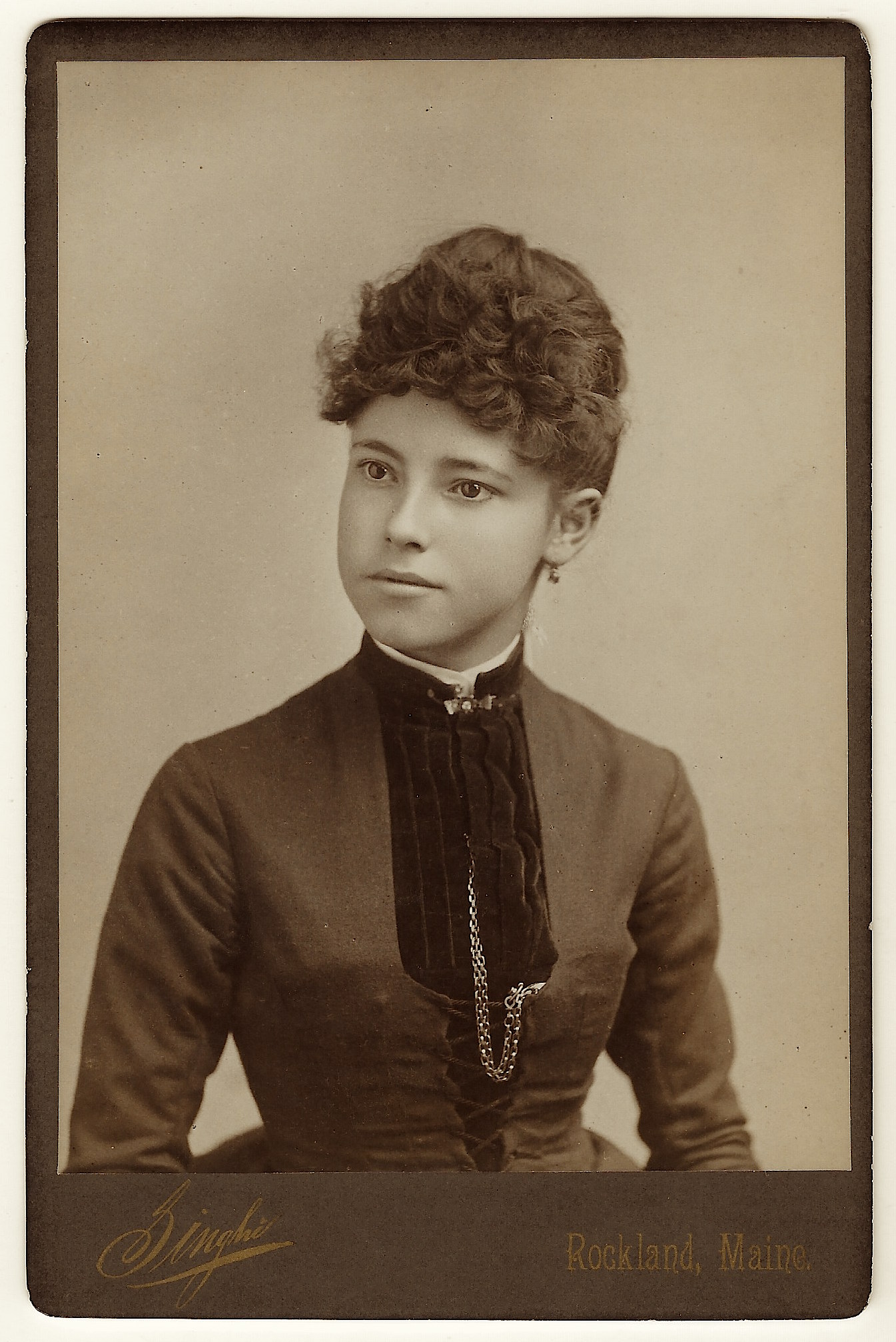
PRETTY AND ELEGANT YOUNG WOMAN IN ROCKLAND, MAINE


A pretty and elegant looking young woman poses for her portrait at the Singhi studio in Rockland, Maine. She is beautifully dressed and wearing a watch chain emanating from a watch in her dress pocket. She appears very business-like. The photographer was named John F. Singhi (1834-1906). He was a native of Maine but his father was born in Italy. Mr. Singhi was a participant in the Civil War. He entered the Union Army as a Private in the 4th Infantry Regiment of Maine. He was mustered in in April, 1861 and mustered out in July,, 1864. He was promoted to Corporal in 1862. Upon entry into the army, he was listed as a leader of the company band and Fife Major. The fourth regiment was assembled in Rockland. In all, 144o men served in the regiment during the war and 170 of them died in or from battle. Forty men died in Confederate prisons and 137 soldiers died from disease. The Fourth Regiment participated in many major battles including The First Bull Run, Fredericksburg, Chancellorsville, and Gettysburg. After the service, he worked as a photographer. He was listed in Rockland city directories as a photographer from 1877 through 1897. In addition to soldiering, music and photography; John Singhi liked to get married. He especially liked marrying younger women. The 1870 US census revealed that John lived with a woman named Frances who was presumably his wife. In 1872 he married Hannah C. Bartlett. John and Hannah were reported in the 1880 census. John was 46 while his wife was 31. In 1898, John married Caroline Look who was 17 years his junior. In 1901, John married Georgie Dow, a woman who was 13 years younger than him. In 1906, John Singhi died at age 72. His death certificate listed his cause of death to be “Shock (Paralysis)”. From that description, one imagines he died from a stroke. Perhaps cavorting with his numerous younger wives was deleterious to his health. (SOLD)

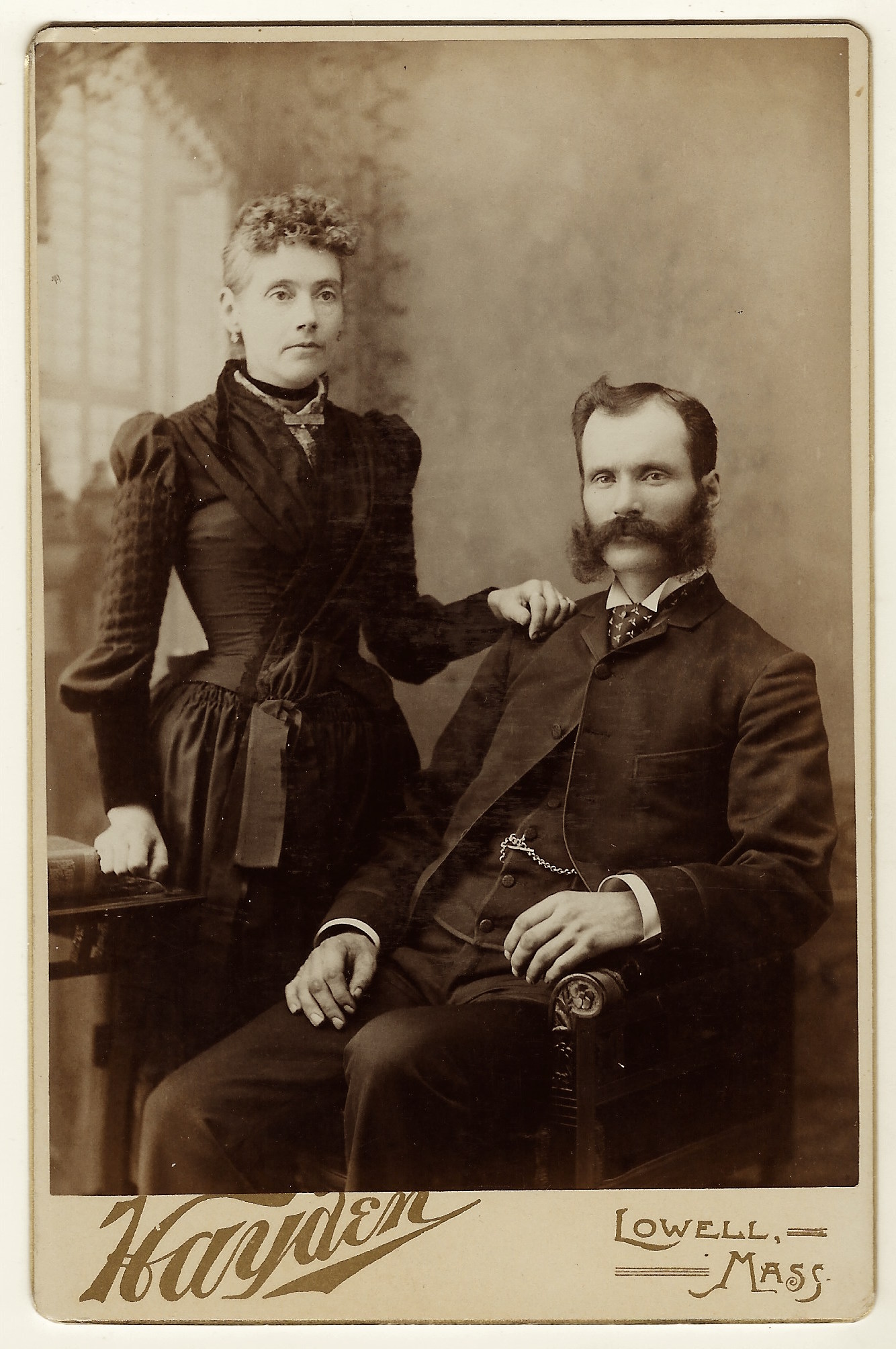
GENTLEMAN WITH MUTTON CHOPS POSING WITH HIS WIFE IN LOWELL, MASSACHUSETTS (CIVIL WAR VETERAN PHOTOGRAPHER)


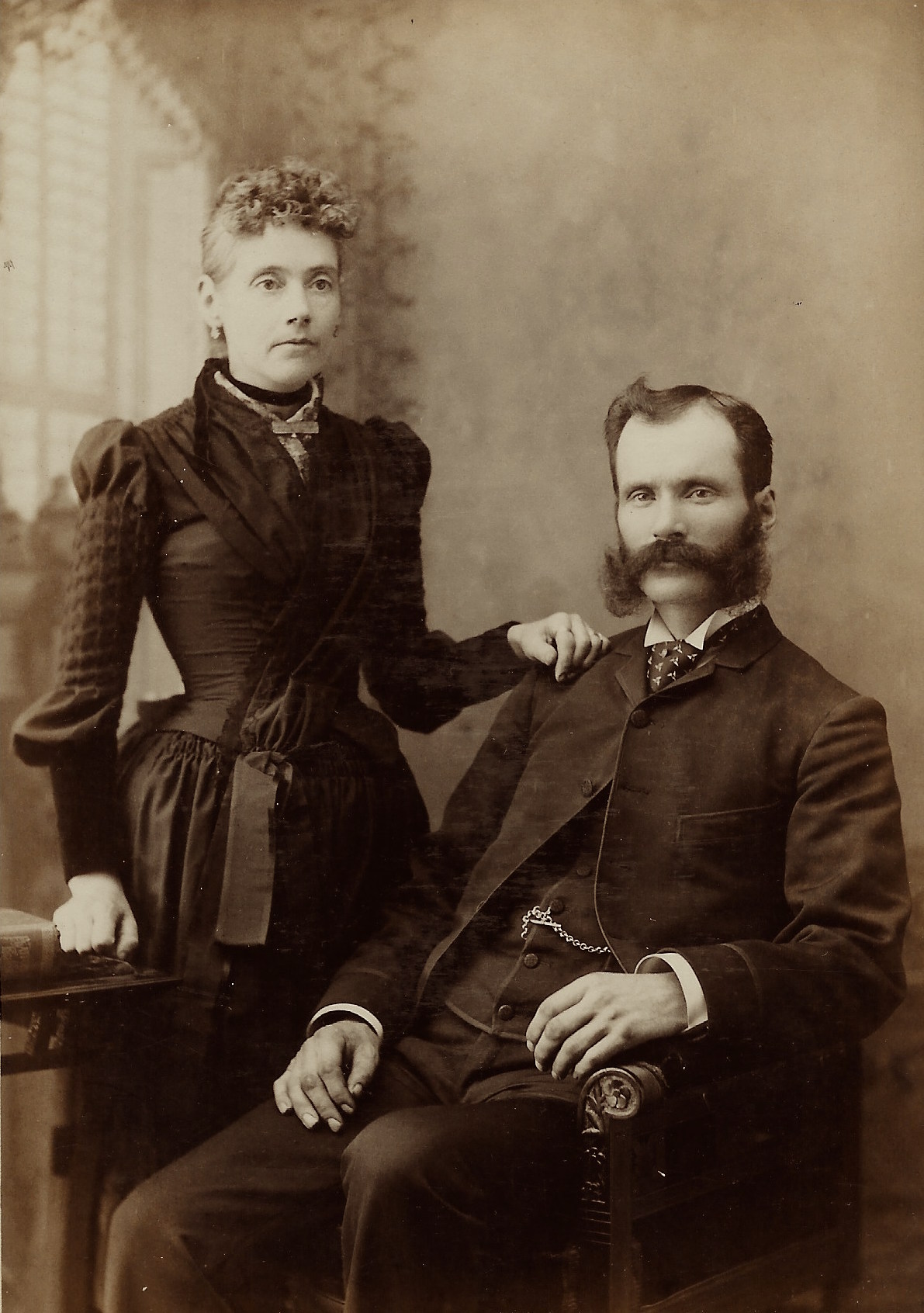
This cabinet card features a well dressed couple posing for their portrait at the Hayden studio in Lowell, Massachusetts. The gentleman has wonderful mutton chops with a connecting mustache. The photographer of this photograph is Marshall M. Hayden (1847-1928). He operated a studio in Lowell between 1867 and 1900, according to one Massachusetts historical site. However, my preliminary research found that he actually is listed as a photographer in the 1880 through 1920 US census. Interestingly, he was also listed in the 1926 Lowell business directory as a photographer (he was 79 years old). Earlier in his career he worked as a bread deliveryman (1870 US Census). Hayden was a veteran of the Civil War. He served in Company H of the 6th Massachusetts Infantry. He served nine months in 1862 and 1863. He was a private and a musician. (SOLD)

PORTRAIT OF A WELL DRESSED MAN TAKEN IN A RAILROAD PHOTO CAR BY A CIVIL WAR VETERAN KNOWN TO BE “ECCENTRIC IN HIS HABITS”

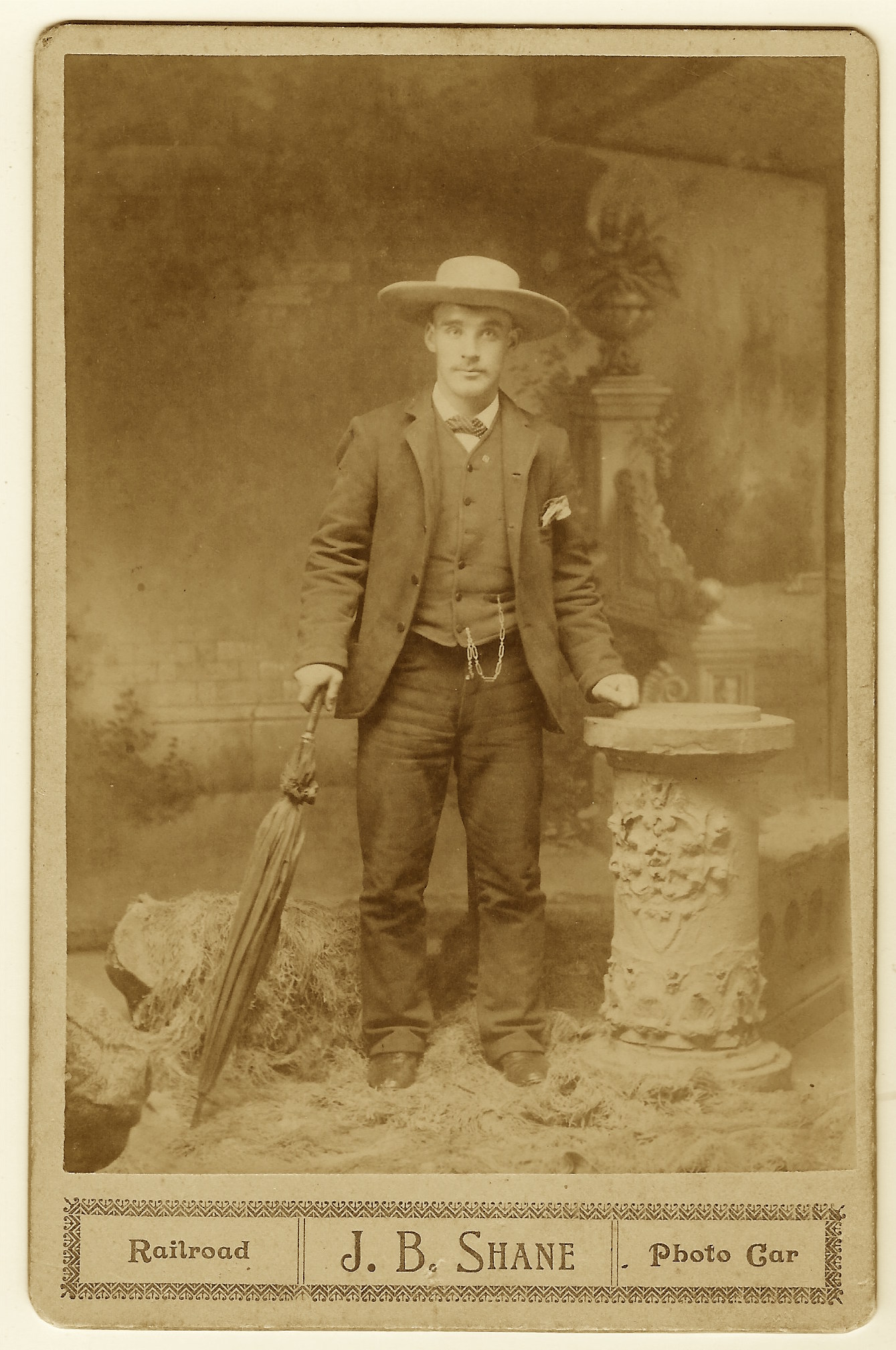
A well dressed man poses for this cabinet card portrait taken by photographer J. B. Shane in a railroad photo car. The gentleman is dressed in his fancy clothes. He is wearing a suit with a vest and a pocket watch. He is also wearing a wide brim hat and is holding an umbrella.The photographer of this image is Captain James Boucher Shane (1840-1913). He earned the rank of captain in the Civil War where he served with distinction in the 16th Kentucky Infantry (Company D). He entered the Union Army as a Sergeant and mustered out as a First Lieutenant. After the war, he was promoted to Captain. It is my hypotheses that he suffered from Post Traumatic Stress Disorder from his experiences in the war. My reasons for diagnosing him 104 years after his death will become apparent later in this story. After the war Capt. Shane moved his family to Abilene, Kansas. He tried his hand at a number of businesses including farming, In 1878, he moved to Lawrence, Kansas and operated a photo studio from a railroad car as well as studios in the town of Lawrence. In 1902 he was convicted of murder and was sent to the state penitentiary until his parole in 1912. Shane’s daughter, Juno Belle Shane, operated the studio after Shane went to prison. Her husband, Herbert Thompson eventually took over the business and renamed it to the Thompson studio. The gallery continued to do business until 1953. A collection of Shane’s and Thompson’s papers and photographs are kept by the University of Kansas libraries. I was curious about the details of Shane’s crime and further research found details about his offense. The Journal of the Annual Encampment of the Grand Army of the Republic (1911) has a brief article about J. B. Shane. The journal explains that the Kansas Department of the GAR had proposed and passed a resolution to appeal to the Kansas Governor (W. R. Stubbs) to get Shane out of jail. The appeal was based on the fact that Shane was not allowed to testify on his own behalf during his trial. The appeal states that if he had been allowed to testify, charges would have been lowered to manslaughter, which had a shorter prison term than murder. He would have had to serve a maximum term of ten years for the lower charge. The appeal also explained the details of Shane’s crime. The article states that after the war, Shane had bad fortune in his photography business and became “eccentric in his habits”. It seems that the young boys in the town made sport of harassing Capt. Shane. They would annoy him by putting graffiti on his building and throwing sticks into his studio. The appeal declares that Shane was “a man of irritable temper” and reports that one day the boys threw sticks into his studio and Shane reacted by fatally shooting one of them. This occurred before the invention of the term “PTSD”, but rest assured that such a condition existed among the veterans of the civil war. It is likely that Capt. Shane was a victim of this disorder. (SOLD)

A PROFILE PORTRAIT OF A PRETTY WOMAN IN KANSAS CITY, MISSOURI (PHOTOGRAPHED BY A CIVIL WAR PHOTOGRAPHER)

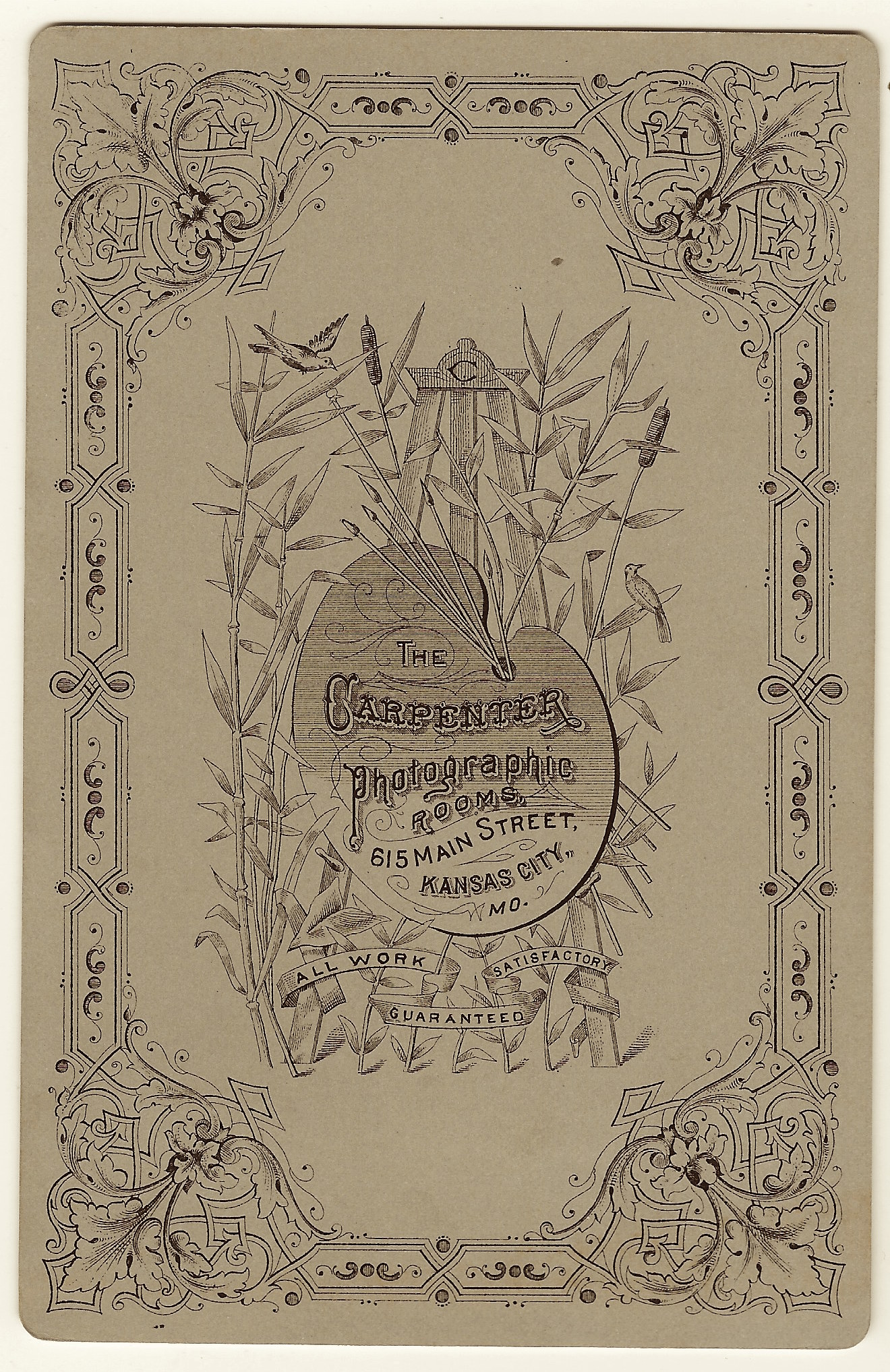
This cabinet card photograph features a profile view of a pretty young woman. She is wearing a high collar blouse and jacket. The young lady’s hair is worn up in a sweep and she is wearing earrings. The photograph was produced by the Carpenter Photographic Rooms in Kansas City, Missouri. Marion S. Carpenter was a daguerreotypist in Dayton, Ohio in 1850. He than conducted his photography business in Cincinnati at the Palace Art Studio between 1857 and 1865. During the Civil War he was a staff photographer for the United States Government. He photographed Abraham Lincoln on three occasions. After the war he went to Kansas City, Missouri where he continued to operate a photography business. The Bulletin of Photography (1913) notes his passing at age 84 while living in Kansas City. The notification indicates that he was still actively involved in business in 1913, the year of his death.