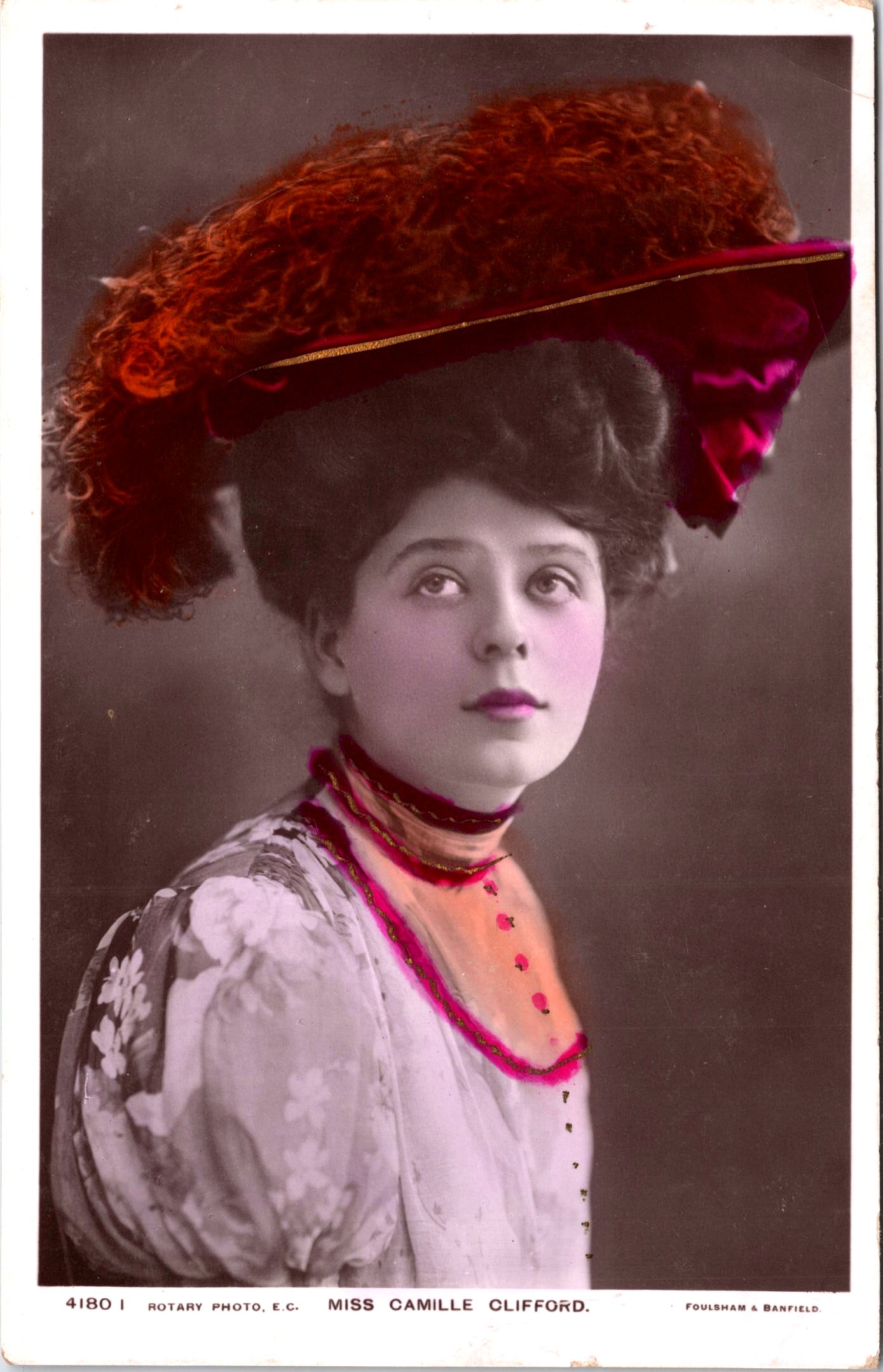
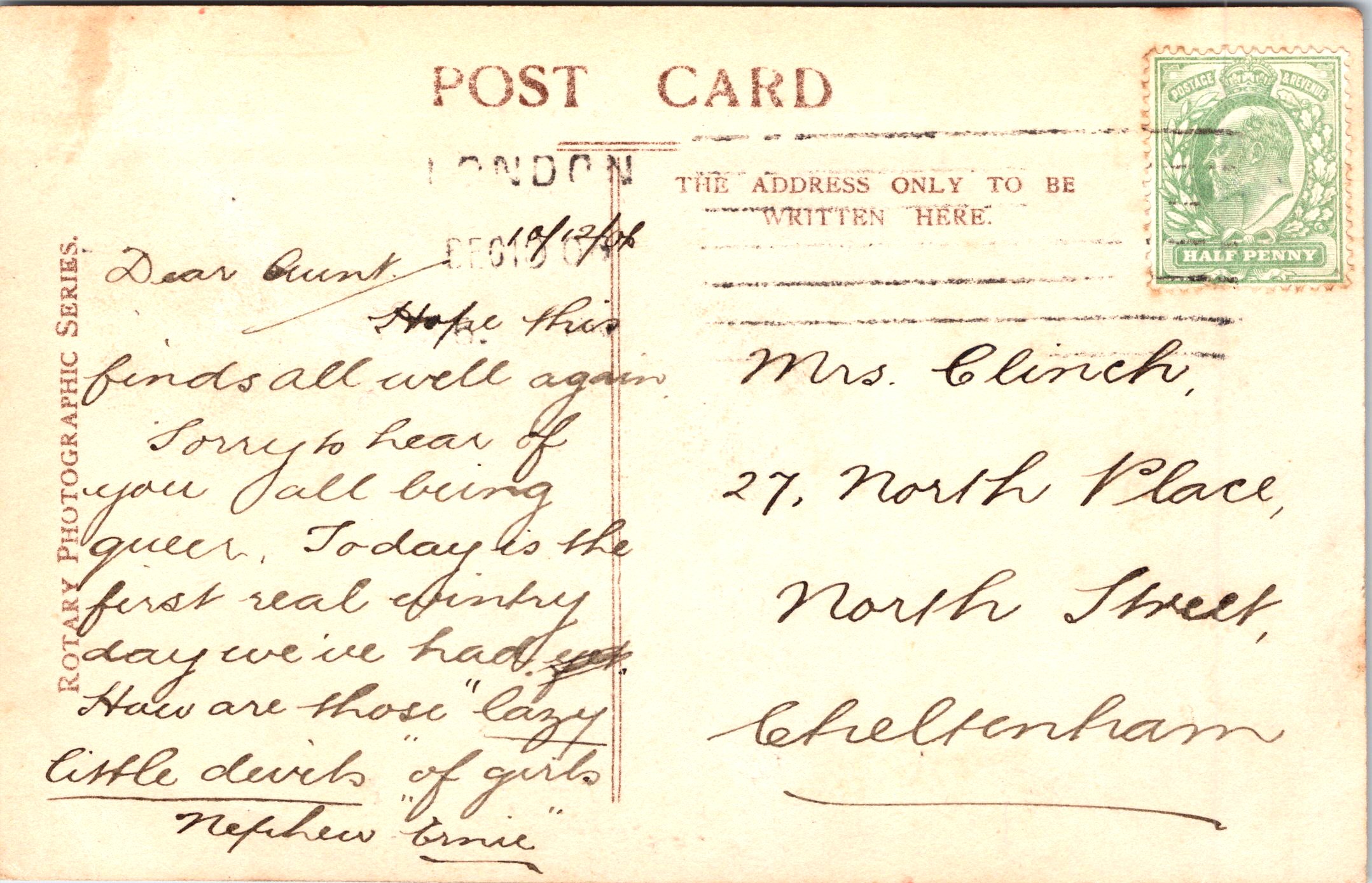
Camille Clifford (1885–1971) was a Belgian-born stage actress and fashion icon best known as the quintessential “Gibson Girl”, a feminine ideal created by American illustrator Charles Dana Gibson. Born in Antwerp, Belgium, she was raised in Sweden and later in Boston, Massachusetts. In 1902, she entered and won a contest sponsored by Gibson seeking the perfect embodiment of his Gibson Girl drawings, which rocketed her to fame. Clifford’s signature look — an hourglass figure, piled-high coiffure, and aristocratic bearing — made her an immediate sensation in Edwardian society. She soon transitioned to the London stage, where her statuesque beauty often overshadowed her acting roles. Her most famous performance was in the musical comedy The Catch of the Season (1904), where she appeared as the aristocratic Lady Crystal. In 1906, Clifford married the Hon. Henry Lyndhurst Bruce, son of the 2nd Baron Aberdare, and largely retired from the stage after marriage, though she made occasional returns in the 1910s and 1920s. After her husband’s death in World War I, she lived a quieter life but remained a symbol of Edwardian elegance. This is a striking hand tinted Rotary Photographic Series real photo postcard featuring Miss Clifford, serial number (4180 I). It was published by Rotary Photo, one of the most prolific and respected postcard publishers in early 20th-century Britain. In this image, Camille Clifford appears wearing an immense, lavishly plumed hat in rich tones of red and deep pink, its dramatic sweep perfectly framing her elaborately coiffed dark hair. Her gown, light and sheer with a delicate floral pattern, is accented by a high ruffled collar and ribbons tinted in shades of crimson and coral. The colorist has applied subtle blush to her cheeks and a soft rose tint to her lips, heightening her serene yet alluring expression. She gazes slightly upward and away from the camera, her eyes thoughtful and composed, embodying the calm confidence and refined beauty that made her one of the most photographed women of the early twentieth century. The reverse of the postcard is written and postally used, addressed to Mrs. Clinch, in Cheltenham. The message, written in ink, reads: Dear Aunt, Hope this finds all well again. Sorry to hear of your fall being queer. Today is the first real drizzly day we’ve had yet. How are those “lazy little devils” of girls? Nephew Ernie. The postcard bears a green half-penny King George V stamp, which was first issued in 1911. The postmark is partially legible but shows London, and appears to read 1912. This dating aligns perfectly with the height of Camille Clifford’s stage fame and with the active period of Rotary Photo, E.C. and Foulsham & Banfield, the photographers credited at the right. Together these details place the postcard firmly in the early 1910s, likely around 1912, when hand-colored photographic postcards of theatrical personalities such as Clifford were immensely popular with collectors throughout Britain. (SOLD)

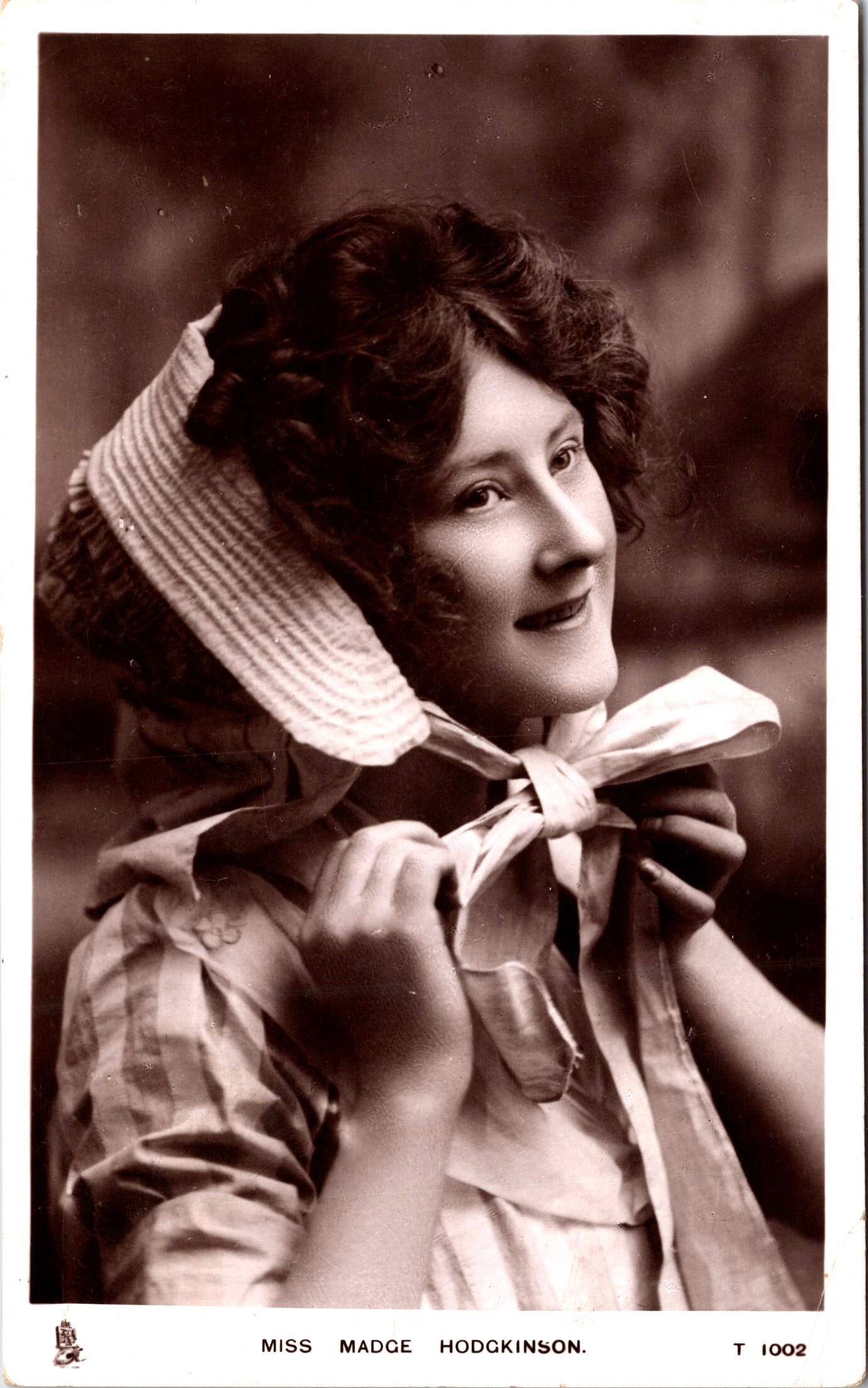
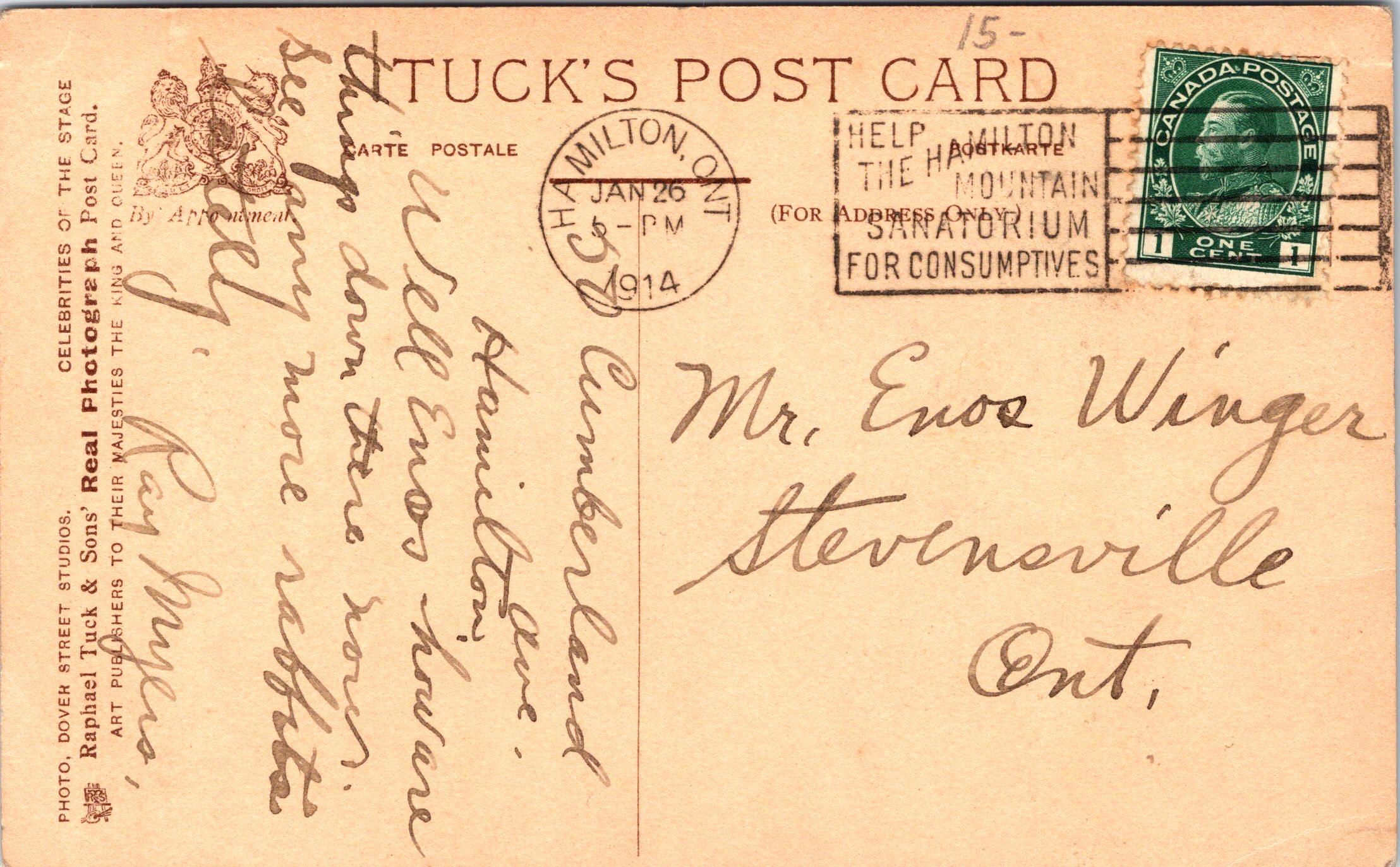
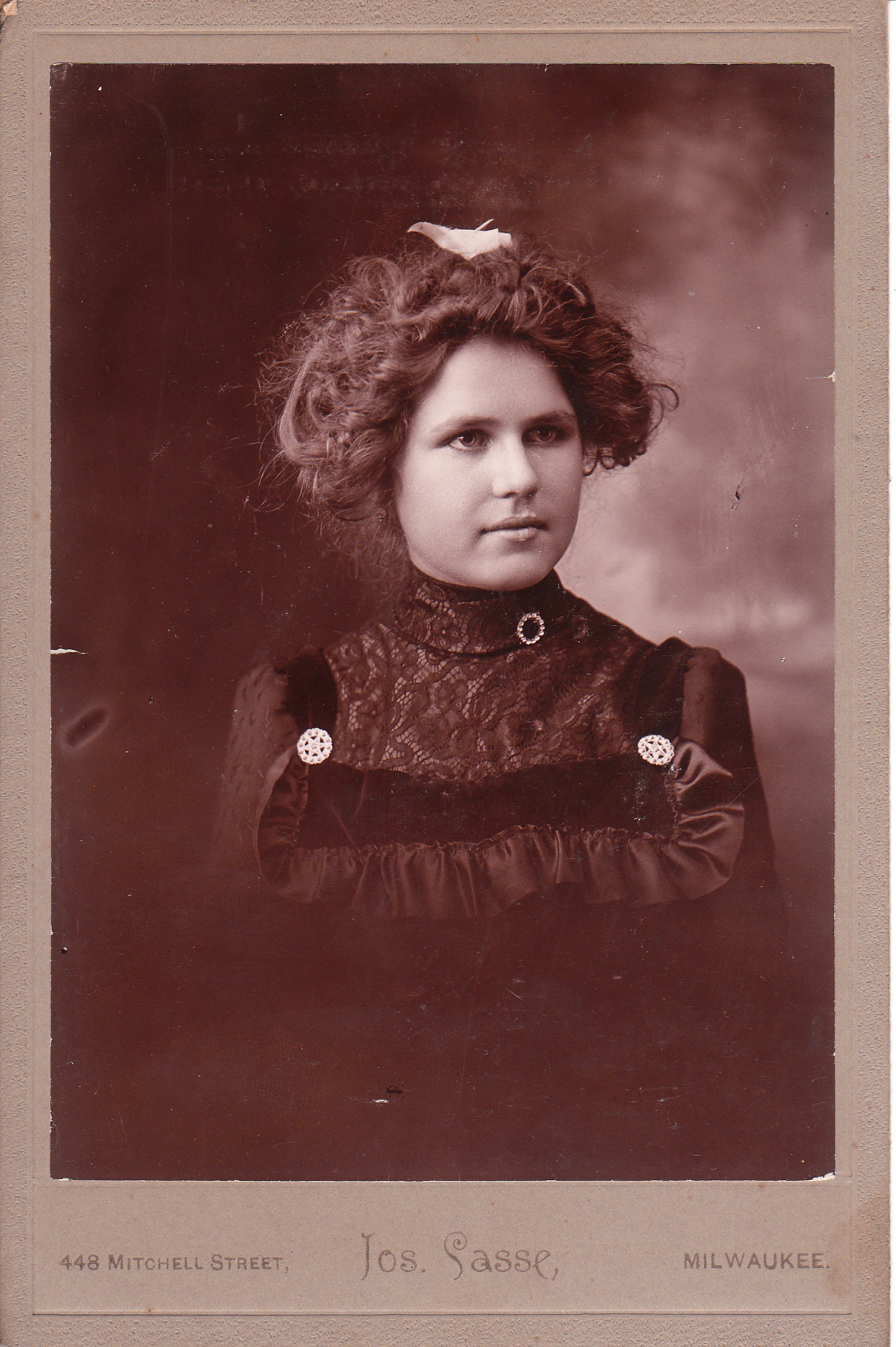
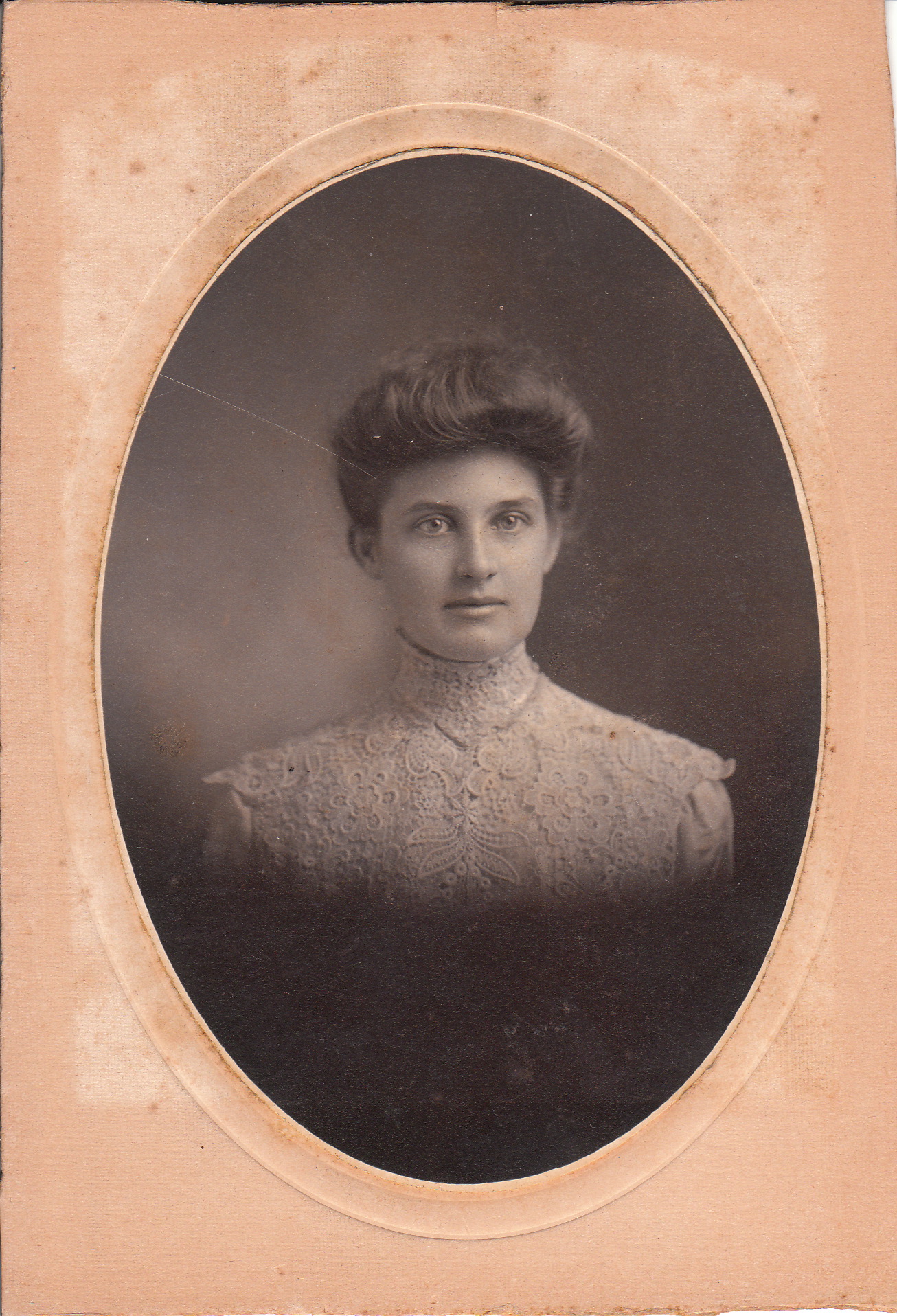
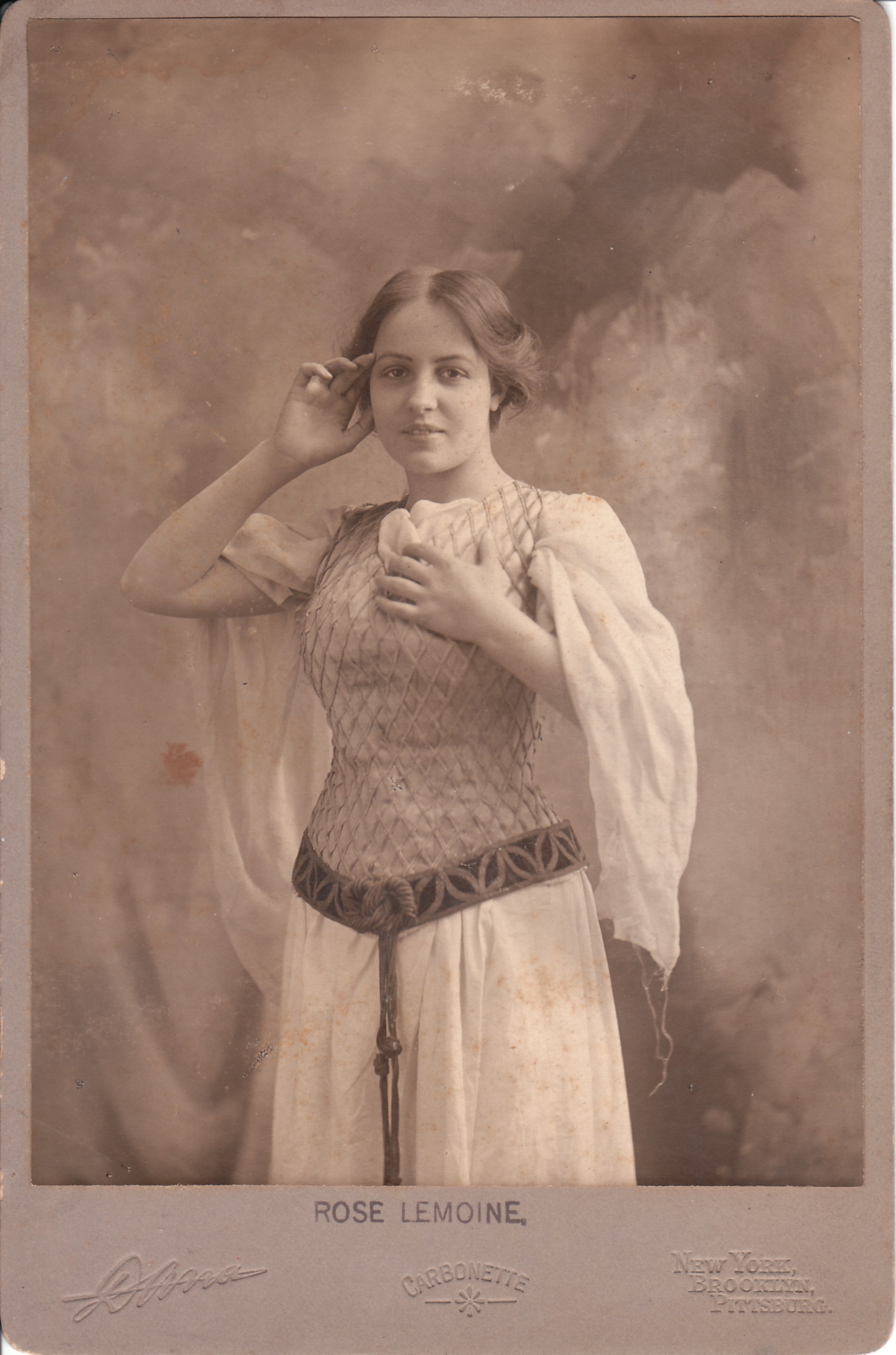 Theater actress Rose Lemoine is the subject of this Cabinet Card photographed by the Dana studio of New York. The photograph was part of the Charles L. Ritzmann collection. Ritzmann was a famous importer of theatrical photographs. The attractive Ms Lemoine was thought by some to be the model or the “Gibson Girl”. This upset some Americans because Lemoine was from Cuba, not the United States and the “Gibson Girl” was illustrator Charles Dana’s personification of the feminine ideal. The “Gibson Girl” was a popular figure for twenty years (about 1890-1910). Lemoine’s mother was Cuban and her father was a French coffee planter. In 1903, the New York Times mentions Lemoine as appearing in a Broadway play called “The Best of Friends”. Also appearing in that play was Lionel Barrymore and Agnes Booth.


 THE CABINET CARD GALLERY