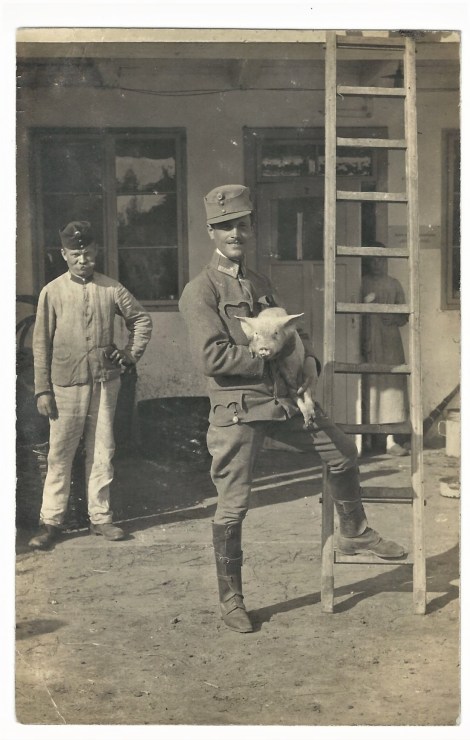
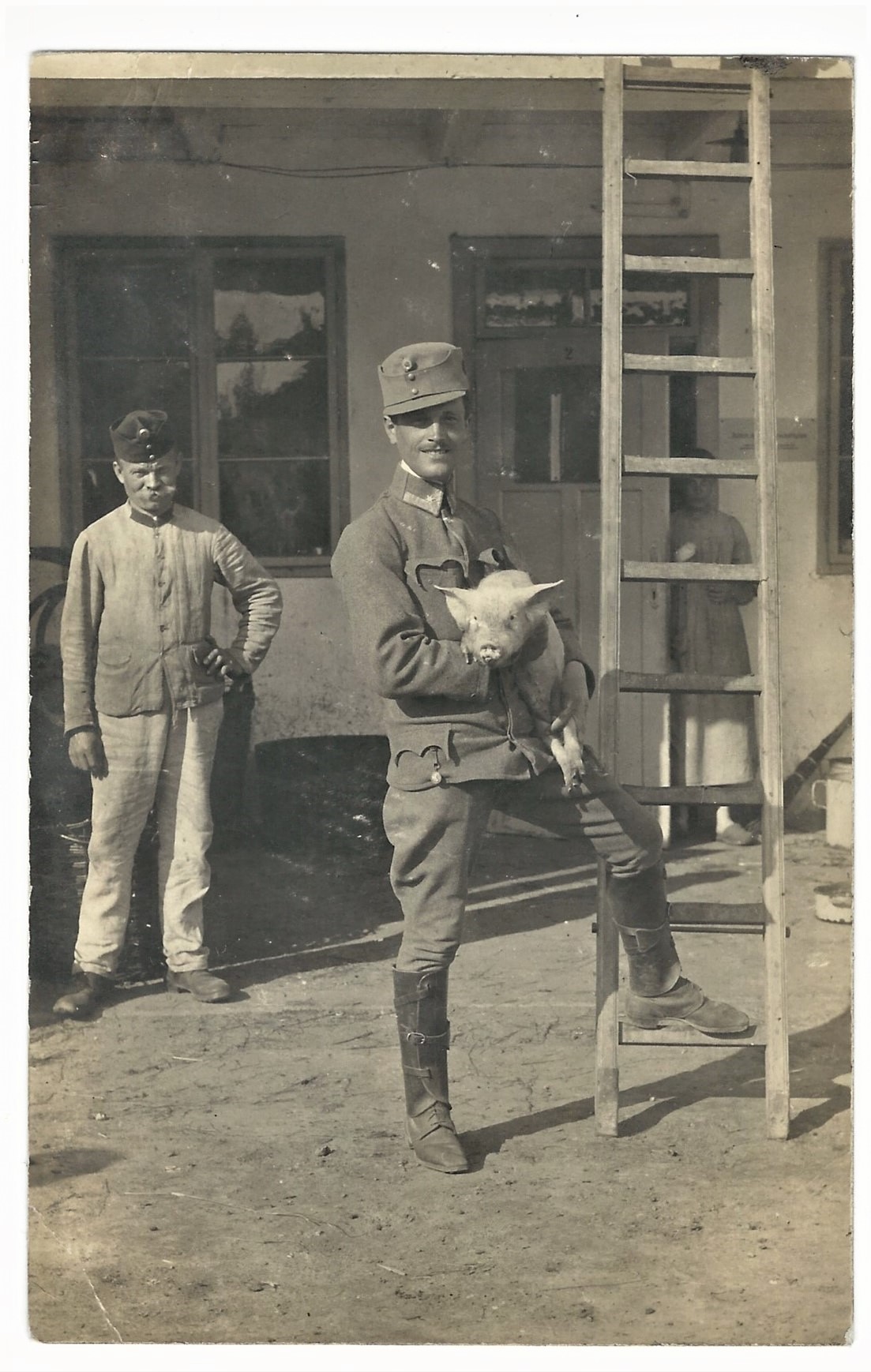
This vintage real photo postcard features a uniformed World War I soldier holding a piglet in his arms. The soldier’s smile makes me nervous. Does he have some culinary plans for this cute pigling? The soldier has two observers. A mustachioed military man stands behind him and a woman is peering through a doorway at the soldier with the pig. The piglet carrier is wearing a pin on his lapel. Is he an officer? What country does he represent? My guess is that he is a member of the Austro-Hungarian military. It is just my best guess based on insufficient research. This postcard is in good condition (see scans).
Buy this Vintage Real Photo Postcard (includes shipping within the US) #3156
To purchase this item, click on the Pay with PayPal button below
$28.50
Buy this Vintage Real Photo Postcard (includes International shipping outside the US) #3156
To purchase this item, click on the Pay with PayPal button below
Maria Corda (1898-1976) was a Hungarian actress and a star during the silent film era in German and Austria. She began her career in acting in the theaters of Budapest during the beginning period of World War I. One of her gigs was working as a dancer with the Royal Opera in Budapest. When the Austria-Hungary Empire fell apart, she began working in the film industry. She appeared in her first film in 1919 ;under the direction of Hungarian, Korda Sandor, who later changed his name to Alexander Korda. Korda was the leading movie director in Hungary and he featured her in three of his films in 1919. Maria became the most famous actress in Hungary. Hungary’s leader had Alexander seized by the secret police. Maria and her brother-in-law exerted pressure on the British Military consulate and was able to get her husband freed. The couple fled Hungary and settled in Vienna, Austria. It was in Vienna that the pair changed their names. He became Alexander Korda and she, for some unknown reason, became Maria Corda. In 1920, Alexander began directing films in Austria and Maria became an Austrian silent screen star. Alexander directed Maria in a number of films including “Samson and Delila” (1923). In 1926, the couple moved to Germany the couple teamed up again and were able to continue their film career success. The caught the attention of First National, a Hollywood movie studio. Alexander and Maria were offered a package deal to come to American and make movies. They settled in Beverly Hills. Maria did not encounter the success that she had in Europe. Her Hollywood career aspirations were crushed in 1928 by the advent of sound pictures. She knew little English and had a thick accent. In addition to her movie career, her turbulent marriage also came to an end. They divorced in 1930. Her husband returned to Europe where he had a long successful career in British filmmaking. Maria moved to New York and wrote a number of novels. She spent her later years in Switzerland. In 1942, her husband was knighted and she insisted upon being called “Lady Korda”, even though Alexander was remarried. When Alexander died in 1956, he was onto his third marriage, but that did not stop Maria from trying to claim an inheritance. Maria had an interesting personality. Writers have asserted that she was temperamental and ambitious. She had a tendency to embellish her background. She often described herself as the “Hungarian Garbo”, an opinion reflecting aggrandizement. The IMDb reports that Maria had 28 film credits between 1919 and 1929. —–Postcard 1 was published by Ross Verlag (Berlin), The card was part of a series (no.1633/1). Note the “Fox” logo on the bottom right hand corner of the image. Maria starred in a Korda film for a Berlin based subsidiary of Fox in 1926. Therefore, this postcard is likely from 1926. The film was entitled “Madame Wants No Children”. The postcard was sold exclusively by Ballerini & Fratini of Florence, Italy. SOLD —–Postcard 2 was published by “Europe” which I believe was based in France. It is part of a series (no.315). This photograph of Corda is risque. She is barely covering herself with what appears to be a blanket. Only her strategically placed arm shields her from crossing the risque border. At the time that this photograph was taken, Maria Corda was under contract with Mercure Film. The logo of the company can be seen in the lower right corner of the card. This photo postcard features Corda in costume for her starring role in “The Private Life of Helen of Troy (1927). The film was directed by her husband, Alexander Korda. (SOLD)
This vintage real photo postcard features two well dressed young men sitting on what appears to be rails of a fence. The gentleman on the lower rail is wearing a suit that is swimming on him. The suit is so over sized that it likely belonged to the studio, and was borrowed by the young man for the photograph. The Cyko stamp box indicates that this postcard dates to sometime between 1904 and the 1920’s. SOLD
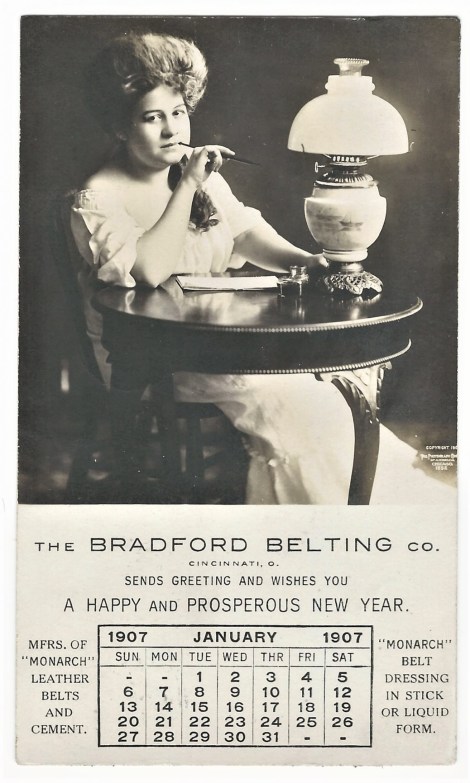
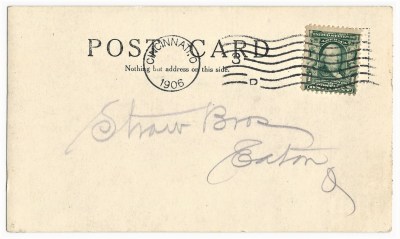
This vintage real photo advertising postcard served as a New Year’s greeting card. The postcard provided a January, 1907 calendar and provided wishes for a happy and prosperous new year. The postcard advertised the Bradford Belting Company as the manufacturer of “Monarch Leather Belts and Cement”. In addition, the postcard hawks “monarch belt dressing” which came in stick or liquid form. The card has a Cincinnati postmark from the year 1906. The addressee on the card, presumably one of Bradford’s customers, is the firm, Straw Brothers which was located in Easton, Ohio. Preliminary research yielded little information about the Bradford company. The Motor Way (1907) reports that Pope Motors built a business car (open delivery wagon) for Bradford. The photograph on this advertising postcard features a pretty woman writing a letter by lamplight. Using female models to sell products in male dominated industries or areas of interest, is a practice that continues today. The card was published by the Photographic Company of America, located in Chicago, Illinois It is numbered 1552. This vintage postcard is in very good condition (see scans).
Buy this Vintage Real Photo Postcard (includes shipping within the US) #3149
To purchase this item, click on the Pay with PayPal button below
$25.50
Buy this Vintage Real Photo Postcard (includes International shipping outside the US) #3149
To purchase this item, click on the Pay with PayPal button below
This vintage real photo postcard features a young girl and her dog. The photographer did an excellent job of photographing the dog. Capturing the dog in such a terrific pose couldn’t have been an easy task. I wonder how many photos had to be taken to accomplish the feat. The girl in this photograph has a wide smile and is smartly dressed. This photo portrait was taken at the Pageant House Studio. operated by F. S. Burroughs. The studio was located in Gorleston-On-Sea. Gorleston is a town in Norfolk, England. The name and address of the studio are embossed in the lower right hand corner of the card. SOLD
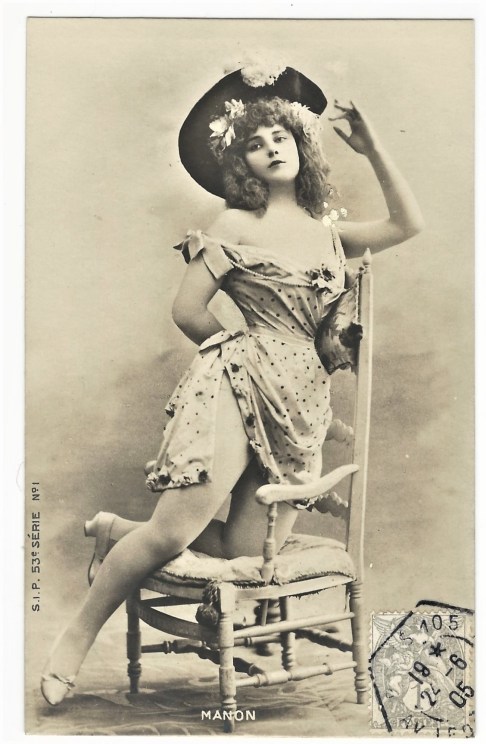
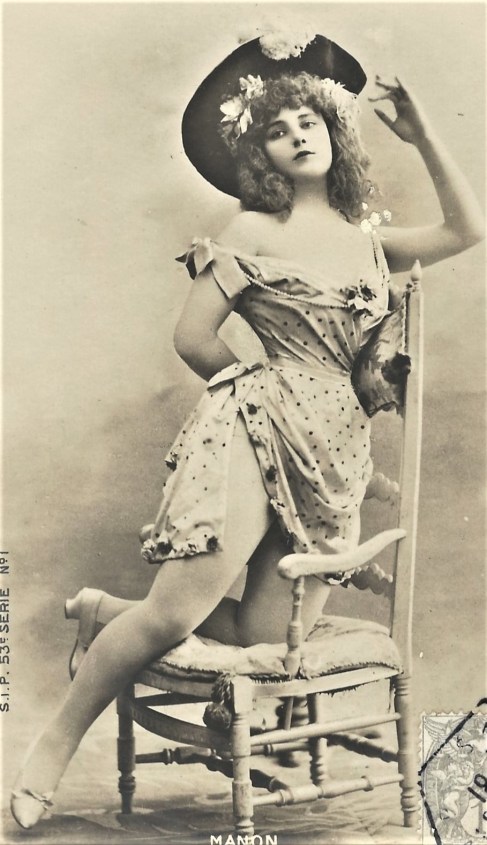
The skimpily dressed actress seen in this vintage real photo postcard is an early twentieth century actress named Lucy Manon. Preliminary research found no additional information about this pretty performer.This postcard was published by Societe Industrielle de Photograpie (SIP) of Rueil, France and was part of a series (53e Serie,No.1). The postcard was postmarked in 1905 and has a French stamp. The card is in very good condition. SOLD
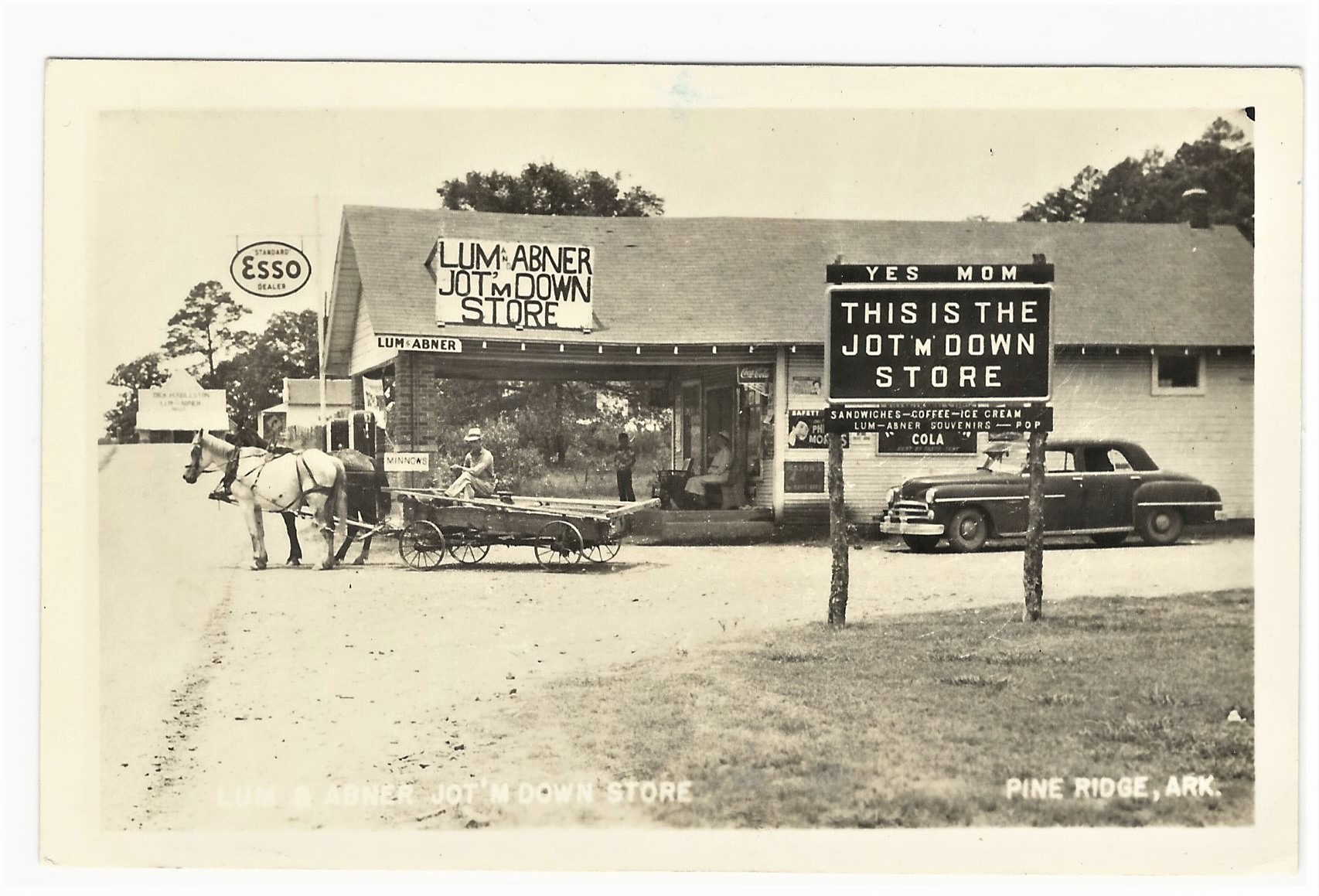
This vintage real photo postcard features the Lum & Abner Jot m Down Store. The business was located in Pine Ridge, Arkansas. Chester “Chet” Lauck (Lum Eddards) (1901-1980) and Norris “Tuffy” Goff (Abner Peabody) (1906-1978) operated the Lum & Abner” comedy radio show. They were the creators, actors, writers, sound effects men, and directors of the program.They received more fan mail than any other radio program of their time. They began as young amateur performers in Mena, Arkansas; the town where they grew up together. The duo entertained at school and civic functions. They were invited to perform at a Hot Springs, Arkansas radio station. They performed their old country storekeepers routine there. They must have shown much talent because they were offered a 13 week contract with NBC and were sponsored by Quaker Oats. The pair’s radio show was founded with an interesting focus. In small towns like Pine Ridge, the general store was the center of activity. The radio show followed fictional residents of the town. Of course, all the characters were played by Lauck and Goff. If you were to travel to Pine Ridge, you would find the Lum “n” Abner Museum and General Store. After entering show business the pair were required to move around and in 1939 they moved to Hollywood to make movies. Between the late 1930’s to the early 1950’s they made seven films. Even during their film careers, Goff and Lauck continued their radio programs. These radio personalities were “big time”. Their sponsors included Quaker Oats, Ford Motors, General Motors, and Alka Seltzer. This postcard has some interesting signage. There is an “Esso” sign and gas pumps. Posted signs advertise Phillip Morris (cigarettes) and Coca Cola. There is also a sign indicating that the store sells fishing bait (minnows). It is interesting to note the contrast of the parked car and the horse drawn wagon. An inscription on the reverse of the postcard indicates that it was purchased in 1955 as a souvenir. This postcard is in very good condition (see scans).
Buy this Vintage Real Photo Postcard (includes shipping within the US) #3137
To purchase this item, click on the Pay with PayPal button below
$17.50
Buy this Vintage Real Photo Postcard (includes International shipping outside the US) #3137
To purchase this item, click on the Pay with PayPal button below
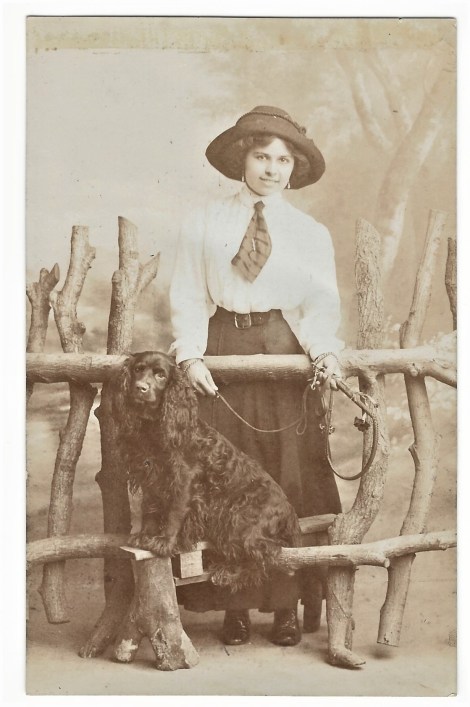
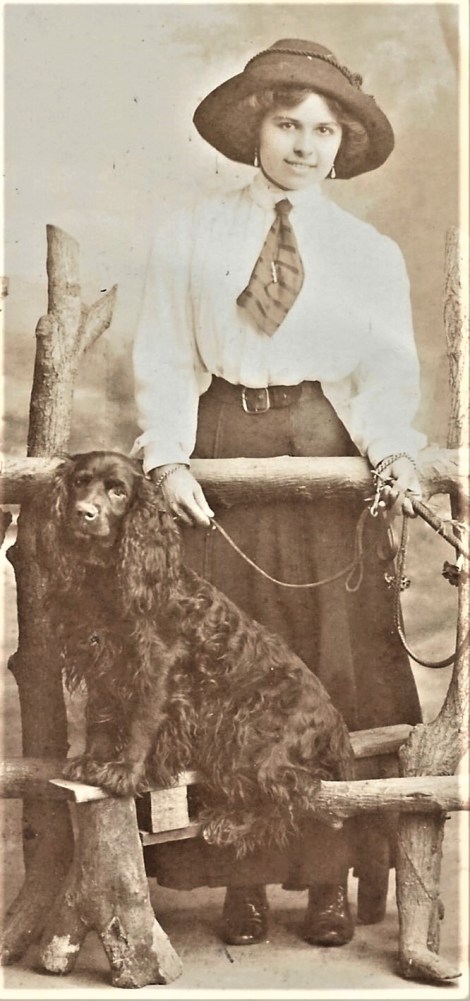
This vintage real photo postcard features a pretty young woman posing with her talented and handsome cocker spaniel. I judge the dog as talented because he is sitting on the railing of a fence. I don’t think that I have ever seen that before. The dog is on a leash which is held by the woman. She is wearing a sporty outfit which includes a baggy blouse, wide belt, a neckerchief tie, earrings, and wide brimmed hat. This photograph was taken by the W. Page studio, which was located in Shoreham-by-Sea, a seaside town and port in West Sussex, England. The photographer, William Page, was born in 1831, in Reading. In 1855. he married Martha Watts. By 1871, he was working as a photographer and in 1878 he moved to Shoreham where he continued to operate a photo studio. The 1881 census indicates that his two daughters assisted him in running the business. His two sons also assisted until 1884, when his son William, let to run his own studio in East Grinstead. The elder William was primarily a portrait photographer but he also took some photographs of sailing ships as well as some of the major buildings in Shoreham. He is also known for some of his photographs of the great blizzard that hit Shoreham in 1881. Page died in 1915. His son Albin continued the business until 1932. There is no evidence that Albin ever published any postcards. SOLD
The beautiful woman in this vintage real photo postcard is Millie Legarde. She was an actress and a singer. She was active in her career between 1898 and 1911. She was a sitter for eight portraits in Great Britain’s National Portrait Gallery. She performed in numerous theater productions and in one film (1905). Searching for biographical information about Miss Legarde was like looking for a needle in a haystack. Preliminary research revealed that she appeared in many plays. Newspaper articles of the time, mention her name, but provide little information. It’s as if she was in the “witness protection program” and nearly all information about her has been scrubbed. Millie posed for a number of postcards but this card is certainly the nicest one I’ve seen. This postcard was published by Ralph Dunn & Company which operated out of London, England. The card is part of a series (no.A476). The postcard was manufactured in Berlin, Germany. (SOLD)
When I first saw this vintage real photo advertising postcard, I thought it was inappropriate. I could not imagine why two little girls would be used to advertise a bottle of liquor. After some research, I realized that all wasn’t what it seemed to be. In fact, these two adorable girls were actually advertising a brand of mineral oil. The name of this brand was Hunyadi Janos. Janos was a military and political leader of the Hungarian military during the 15th century. He fought the Ottomans. The label on the bottle says “bitterquelle” which is a mineral or spring water. The owner of the company that produced the product was Andreas Saxlehner of Budapest, Hungary. The mineral water was advertised as a laxative. It was claimed that the mineral water was for fighting “the evil consequences of indiscretion in diet”. The product was also promoted as being effective at relieving hemorrhoids. This postcard has a 1905 postmark from Yonne, France. This vintage postcard is in very good condition (see scans). SOLD



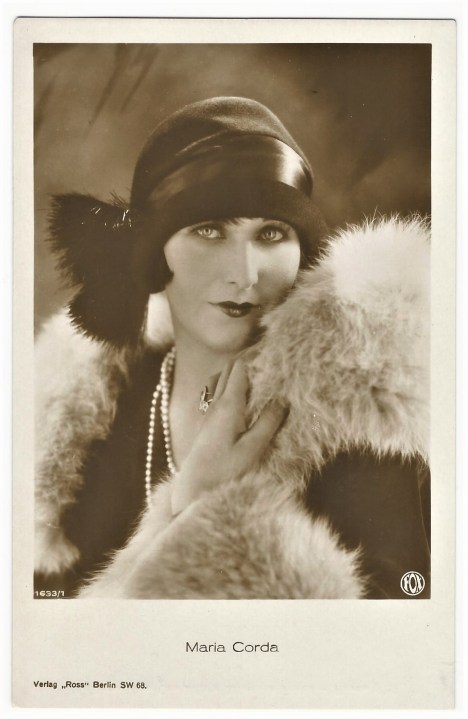 POSTCARD 1 (SOLD)
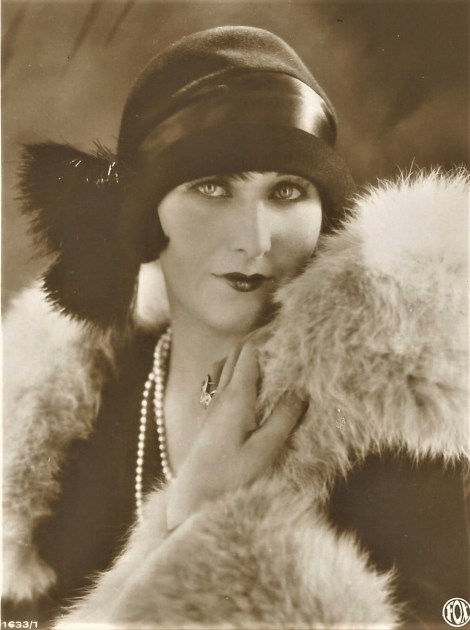 POSTCARD 1 (CLOSE-UP) (SOLD)
 POSTCARD 2 (SOLD)
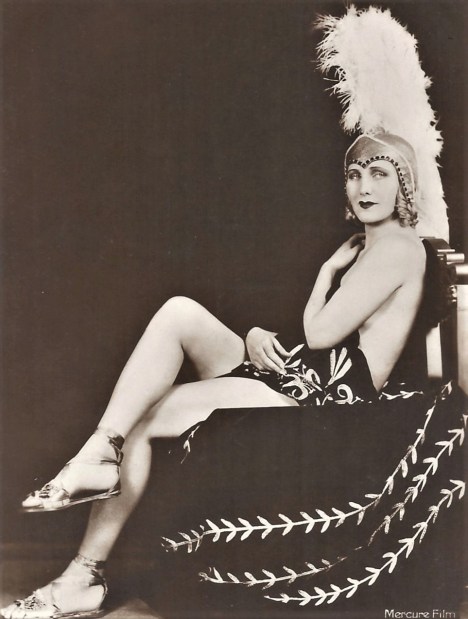 POSTCARD 2 (CLOSE-UP) (SOLD)
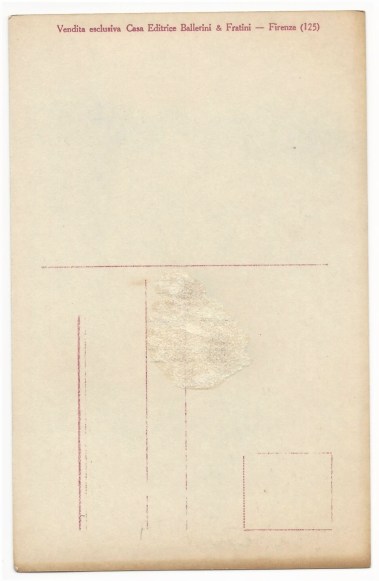 POSTCARD 1 (REVERSE)
 POSTCARD 2 (REVERSE)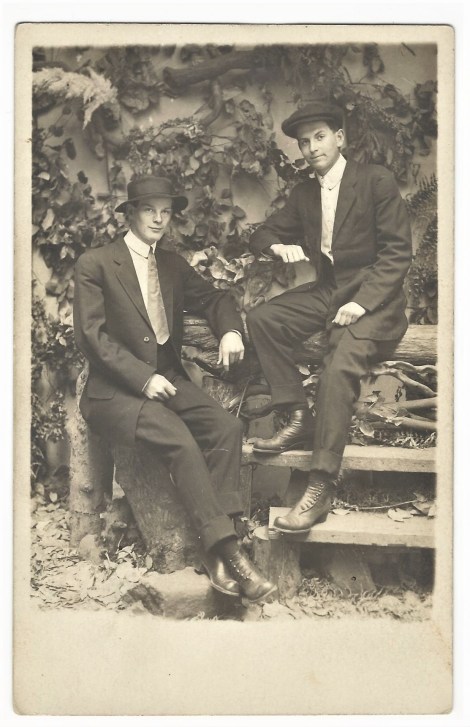
 This vintage real photo postcard features two well dressed young men sitting on what appears to be rails of a fence. The gentleman on the lower rail is wearing a suit that is swimming on him. The suit is so over sized that it likely belonged to the studio, and was borrowed by the young man for the photograph. The Cyko stamp box indicates that this postcard dates to sometime between 1904 and the 1920’s. SOLD






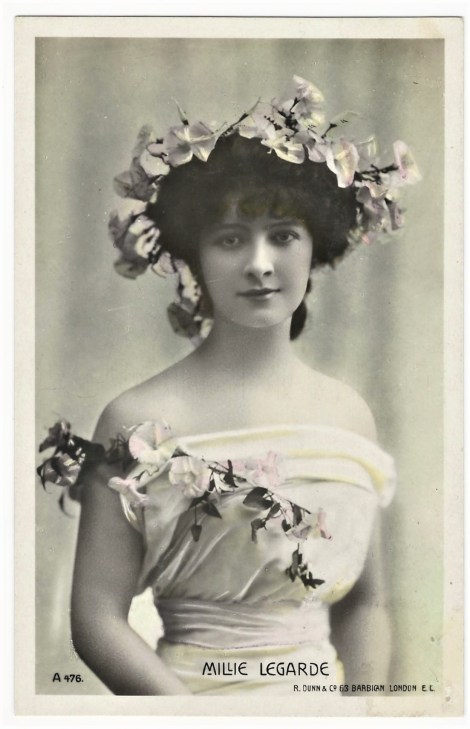 The beautiful woman in this vintage real photo postcard is Millie Legarde. She was an actress and a singer. She was active in her career between 1898 and 1911. She was a sitter for eight portraits in Great Britain’s National Portrait Gallery. She performed in numerous theater productions and in one film (1905). Searching for biographical information about Miss Legarde was like looking for a needle in a haystack. Preliminary research revealed that she appeared in many plays. Newspaper articles of the time, mention her name, but provide little information. It’s as if she was in the “witness protection program” and nearly all information about her has been scrubbed. Millie posed for a number of postcards but this card is certainly the nicest one I’ve seen. This postcard was published by Ralph Dunn & Company which operated out of London, England. The card is part of a series (no.A476). The postcard was manufactured in Berlin, Germany. (SOLD)




 THE CABINET CARD GALLERY
Buy this Vintage Real Photo Postcard (includes International shipping outside the US) #3137
To purchase this item, click on the Pay with PayPal button below
$26.00