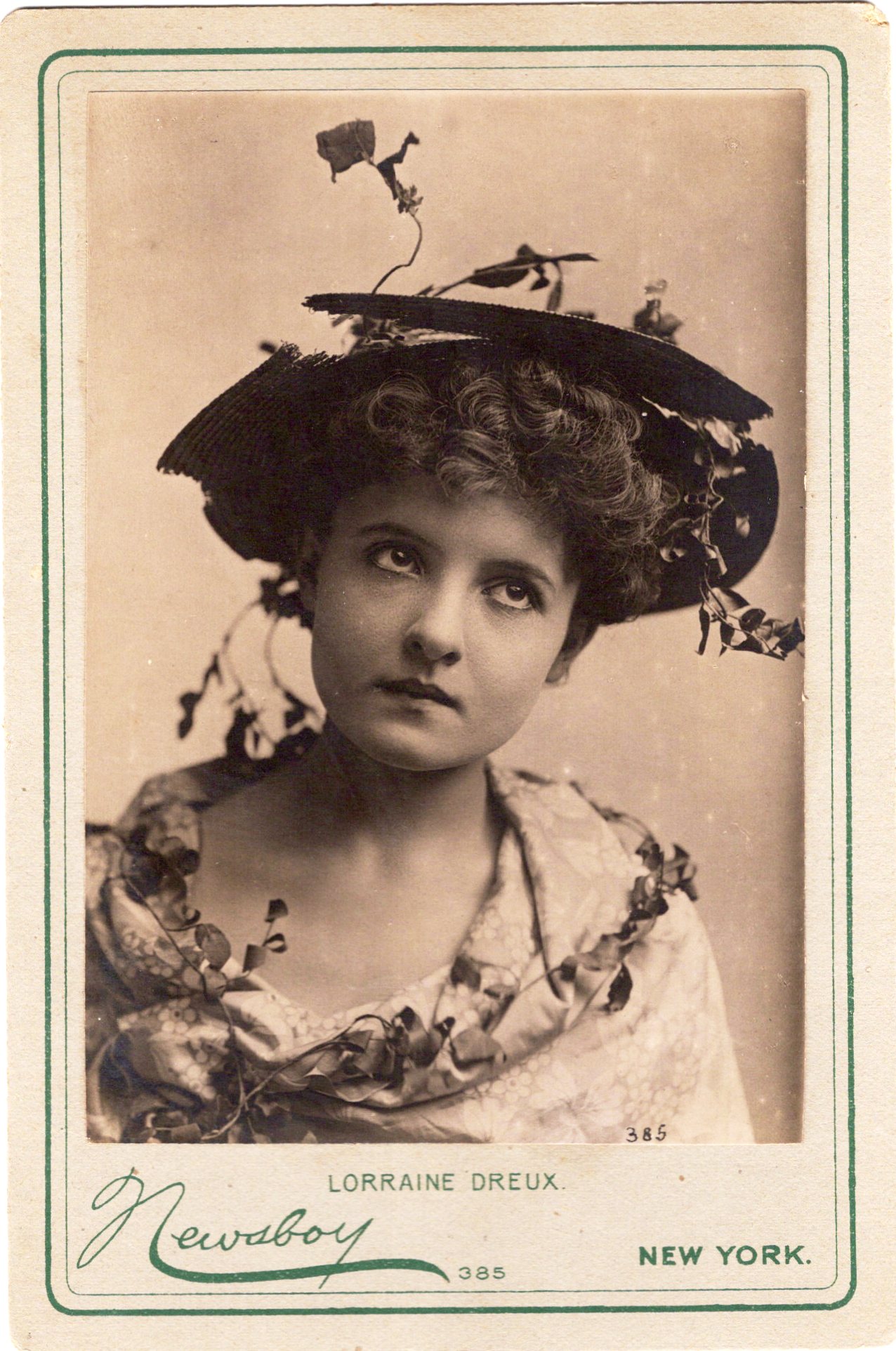
This cabinet card is a portrait of theatre actress, Lorraine Dreux. The image is part of the Newsboy Series (#385) and was published in New York City. The Newsboy series was used for advertising purposes by the Newsboy Tobacco Company. Celebrity photographs were given away as premiums upon the sale of tobacco products. Ms. Dreux looks like she ran through the woods in order to arrive at the photography studio in a timely fashion. She has twigs and leaves on her head and even is wearing a necklace of branches around her shoulders. It seems she is modeling “the natural” look. Her eyes are looking upward, as if to say, “Am I really wearing sticks and leaves?”. Who was Lorraine Dreux? The Illustrated America (1893) describes her as “young and pretty, with soft dark eyes, a tremulous little mouth, and a dazzling complexion”. She was born in Marquette, Michigan, of well to do parents. Her father did a great deal of business in the East and she spent much time on the banks of the Hudson River in New York. She was educated at home by a governess supervised by Dreux’s beautiful mother. She decided that she wanted to be an actress while in her early teens. Her parents reluctantly gave her permission and her first experience acting occurred while she was in London, England, with her mother. She was engaged by Mr Charles Wyndham to play comedy parts in London stage shows. She next joined the London Globe Theatre Stock Company playing sentimental roles. She then joined an English traveling theatre company. She soon returned to America and appeared in a number of plays, including “Ninety Days” with William Gillette. The article closes with the prediction that Dreux would be a successful actress in America because she possessed both beauty and talent. The New York Times (1894) reported on Dreaux’s appearance in “Lem Kettle” at the Bijou theatre. She also appeared in “Rush City” (1894) which was staged in Brooklyn (New York), and also in “Nance Oldfield” (1896) in New York. Dreux appeared in one Broadway production, “The Spectator” (1896). The New York Dramatic Mirror (1908) reported the tragic death of Lorraine Dreux. She was described as a well known and capable leading women of many stock companies outside of New York City. She died in New York’s Bellvue Hospital at age 35. The article reports that she “had fallen on evil days” and was “too proud to let her friends know of her plight”. She let an illness go till it turned into acute pneumonia which led to her death. Her last two engagements were in Worcester, Massachusetts and Rochester, New York. She received excellent reviews for her acting in both productions. However, her wardrobe was stolen and she was criticized for the way she dressed for her part in Rochester. She returned home “down hearted and discouraged” and sick, penniless and homeless. She met an old friend on the streets of New York who took her home to be fed and cared for but her condition worsened. A collection was made from other actors and actresses and the money was used to admit her to Bellvue Hospital where she died. Aid from the Actors Fund paid for her funeral and burial at Evergreen Cemetery. (SOLD)

ADRIENNE AUGARDE : POPULAR ACTRESS IN BRITAIN & US : RPPC : (1906)

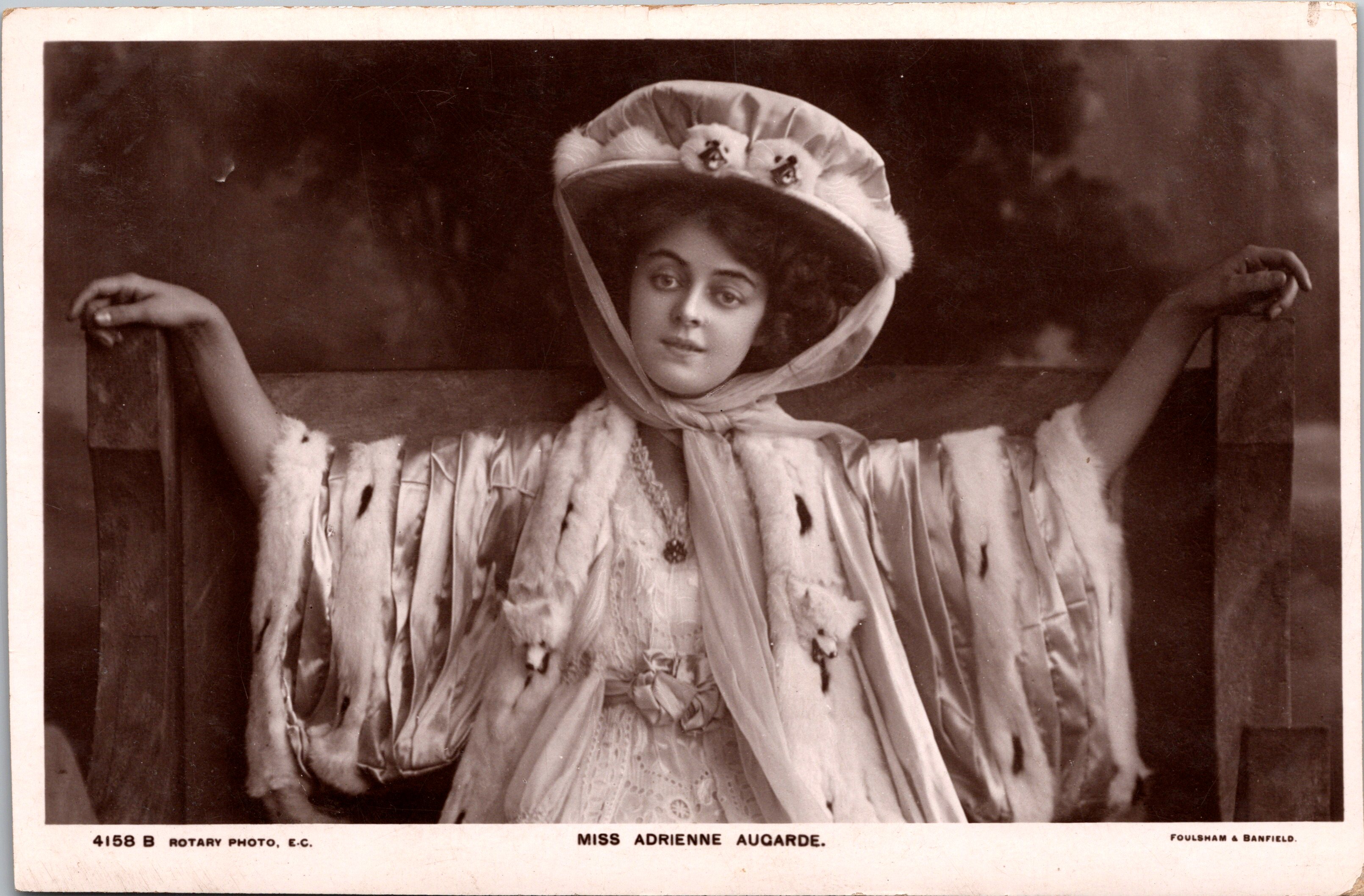
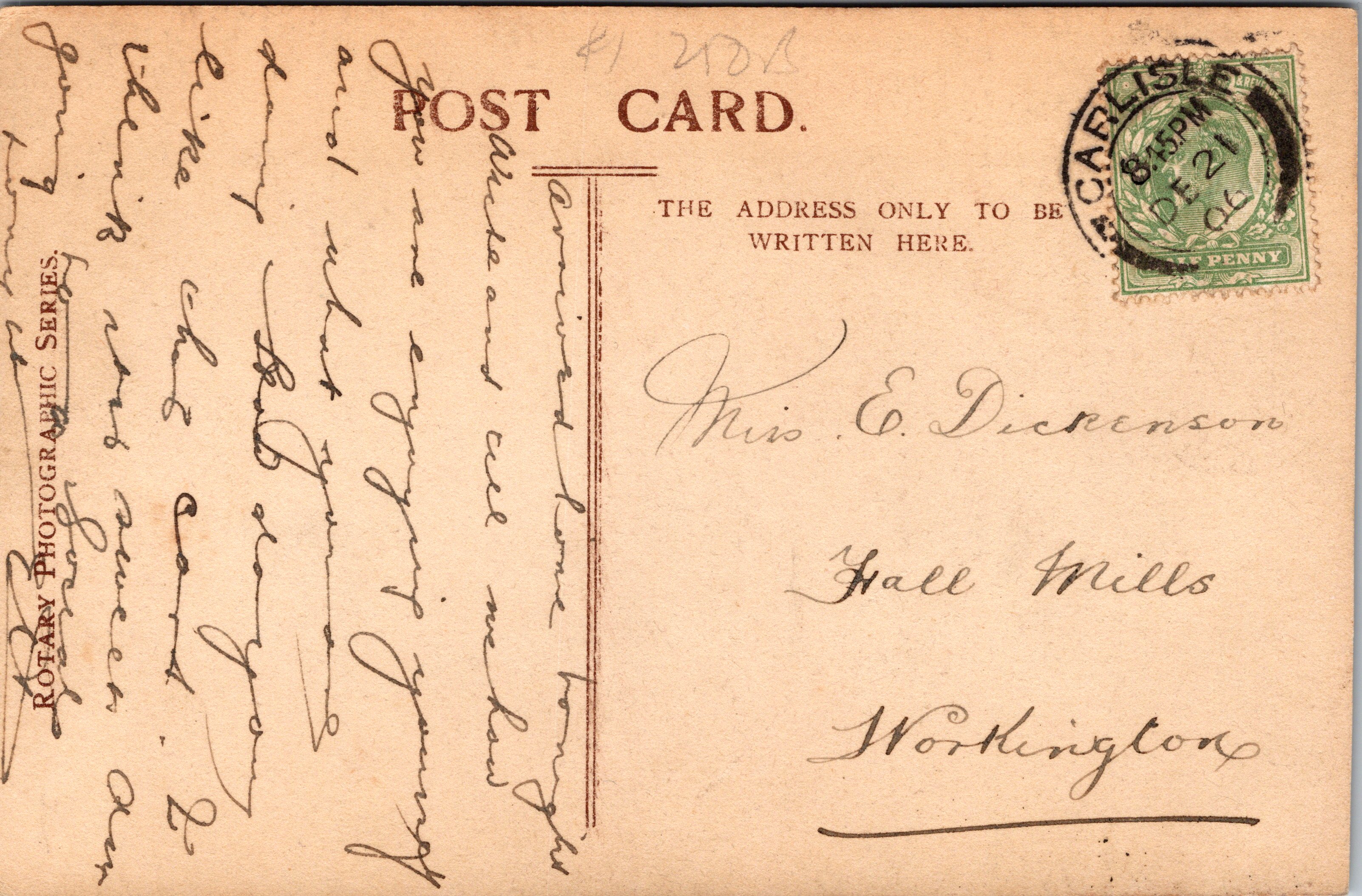
This vintage real photo postcard features English actress and singer, Adrienne Augarde (1882-1913). She was born in London. Her father was a violinist and her mother was a Belgian singer. Augarde had several other members of her extended family who were successful theatrical or music performers. Her popularity transcended beyond Great Britain to include the United States. In fact, she appeared in four Broadway plays between 1905 and 1912. These plays included “The Dollar Princess” (1909) which ran for 250 performances. She was most known for her roles in Edwardian musical comedy. Augarde started her career at age sixteen. She did pantomine and appeared in small roles in musical comedy and opera. Her popularity began with her playing leading roles in the musicals of George Edwardes. She then starred in a number of long running productions in both London and New York (1903-1912). While on a Vaudeville tour in the US, she became ill and died after an unsuccessful appendectomy. She was thirty years of age at the time of her death. She died in Chicago. Her ashes were put in an urn designed to look like a make-up box. Her cremains were sent to her mother in England. This card was published by Rotary Photo as part of a series (No.4158B). The photograph was taken by the Foulsham & Banfield studio. The postcard has a 1906 postmark. (SOLD)

MRS FISKE : THEATER STAR : ROTOGRAPH : BY MORRISON CHICAGO : RPPC
CABINET CARD 1 (SOLD)
POSTCARD 1 (SOLD)
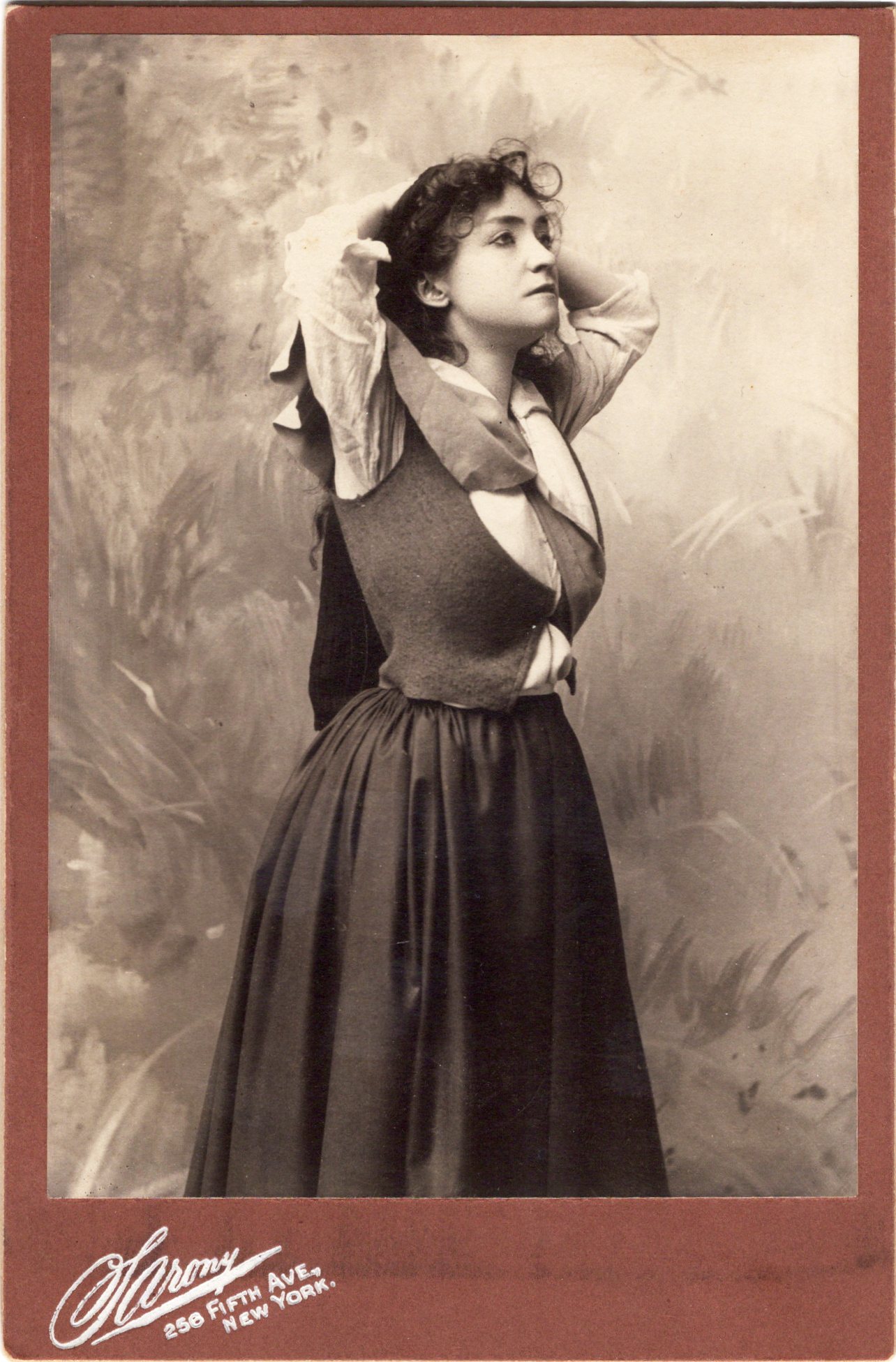
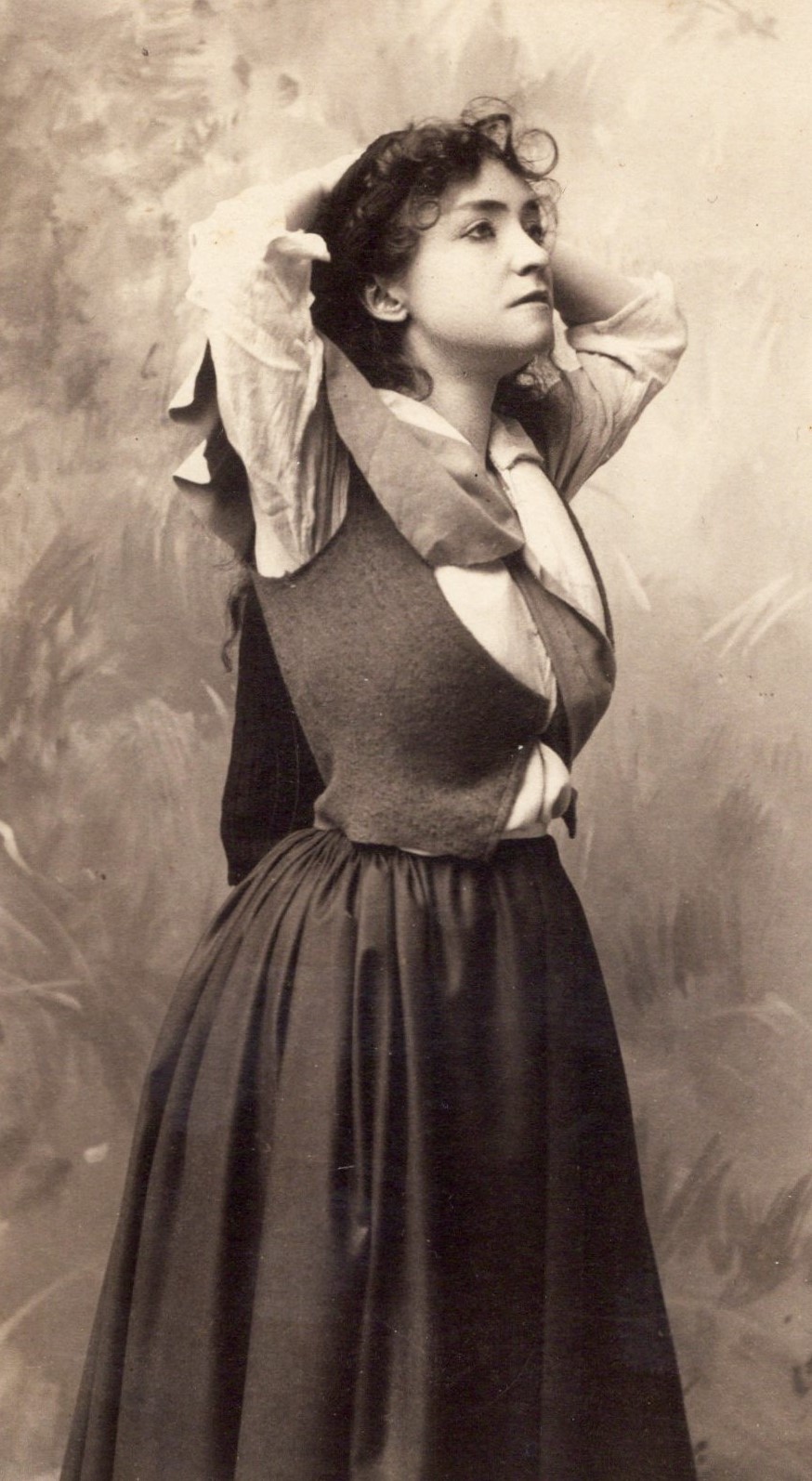
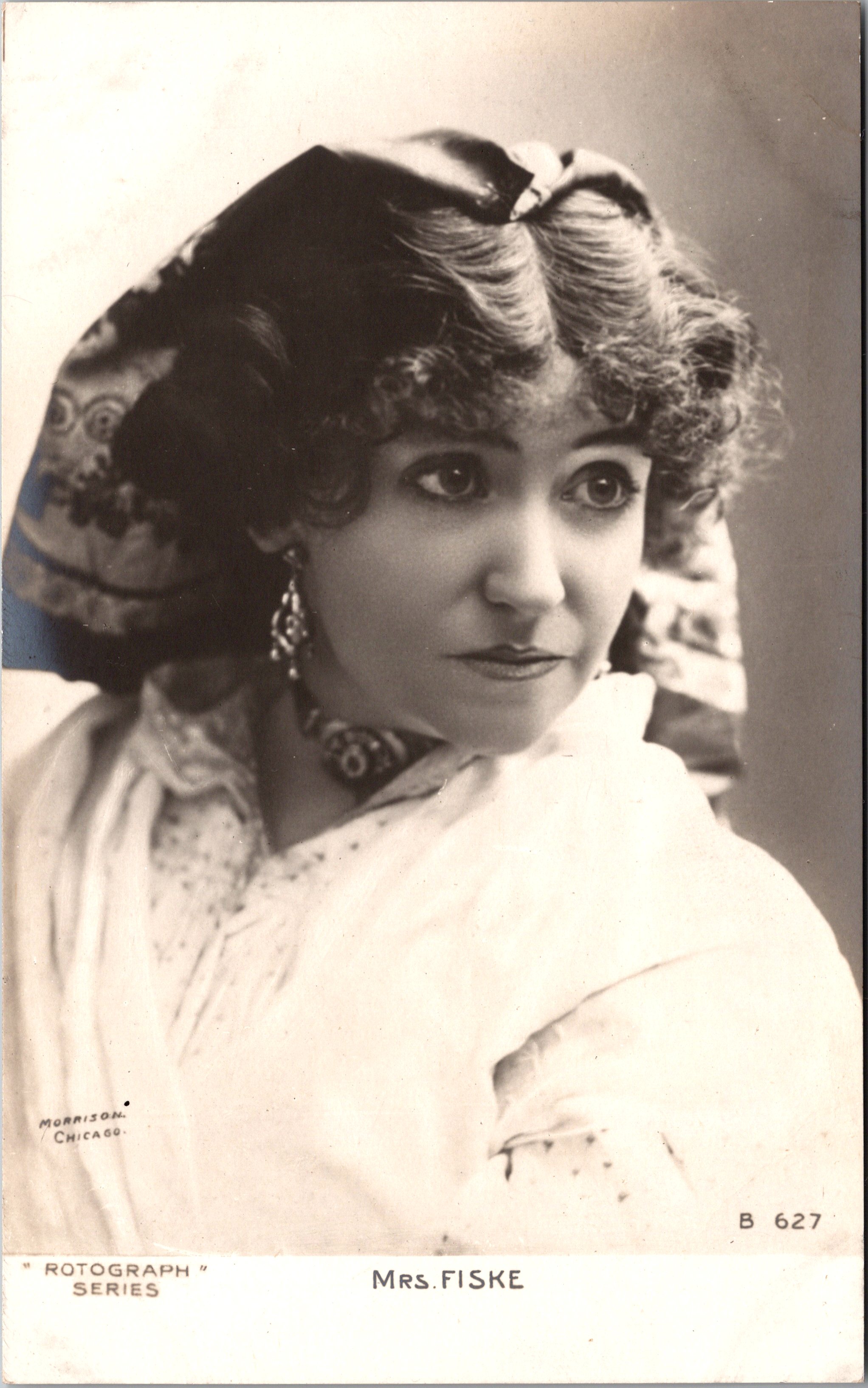
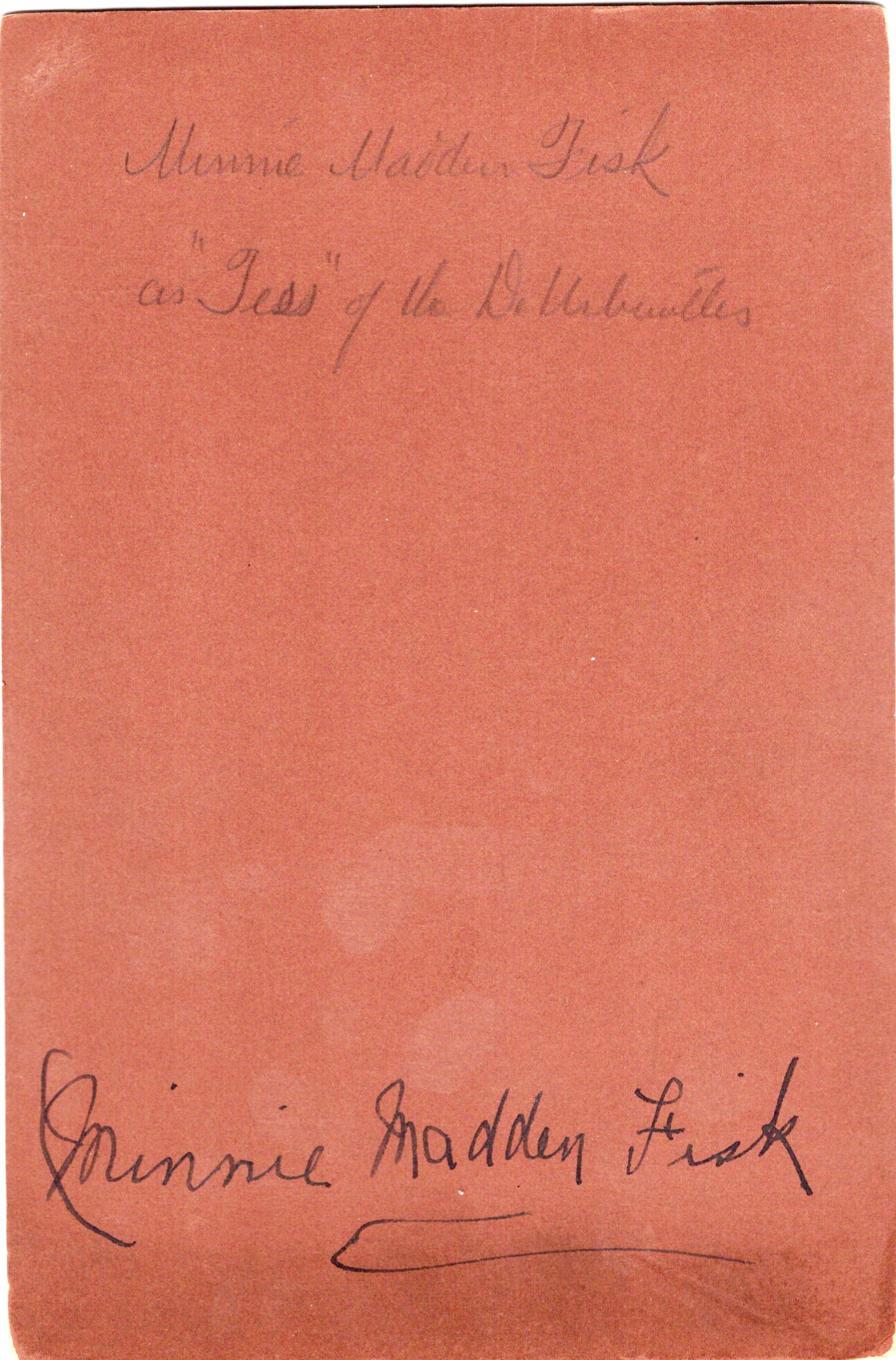
This vintage real photo postcard and this cabinet card features acclaimed theater actress, Minnie Maddern Fiske (1865-1932). When performing, she was often billed as “Mrs. Fiske”. She was one of America’s leading actresses during the late 19th and early 20th centuries. She performed in several Henrik Ibsen plays and is recognized as introducing American audiences to the Norwegian playwright. She was born in New Orleans, Lousiana, to parents that worked in the theater world. Her first professional acting gig was playing a role in a Shakespeare play. She was only three years old. By the age of four, she made her New York debut. Much of her childhood was spent touring with theater companies. At age sixteen, she played leading lady roles. She was recognized for her acting, but also for her beauty and singing voice. In 1890, she married Harrison Grey Fiske, successful playwright and Broadway producer. After takin three years off from acting, she returned to the theater in 1893 as an actor, playwright and director. The IBDb reports that she had 55 Broadway credits, combining her acting, writing, and directing. Among her successes on Broadway were “Tess of the d’Urbervilles (1897), “A Dolls House” (1902), “The Rose” (1905), and “The High Road” (1912). Her Broadway credits spanned from 1871 through 1930. In the mid 1910’s, Mrs Fiske starred in film adaptations of two of her stage successes. Although the films were well received, she believed she was more suited for theater than film. Despite her success in the theater, the talented actress died poverty stricken. Her financial downfall was realted to her battling against a group of producers that organized the Theatrical Trust (or Syndicate). The Syndicate controlled the nation’s best theaters and dictated what plays would appear and which actors would be in the cast. They relegated Mrs Fiske to appear in third rate theaters, churches, and skating rinks. Mrs. Fiske was not to be intimidated. She also was an advocate for animal welfare. She was involved in the activities of the ASPCA and other human leagues. She fought against the fashion craze of decorating hats with bird feathers. Many bird lives were sacrificed, and entire species were nearly wiped out as a result of this fad. She also educated the public about the cruelty involved in trapping animals. Because she was well known, respected and popular, she was able to influence animal reform. Mrs Fiske won a number of humanitarian awards. She was a strict vegetarian and was anti vivisection. During World War II, there was a liberty ship named the “SS Minnie M Fiske”. Minnie Maddern Fiske was a woman born before her time. She was a feisty activist.
Cabinet Card 1 features acclaimed theater actress, Minnie Maddern Fiske (1865-1932). The photograph captures her in her role in “Tess of the d’Urbervilles (1897). Mrs. Fiske’s photograph for this cabinet card was taken by eccentric celebrity photographer, Napoleon Sarony. (SOLD)
Mrs. Fiske’s photograph on Postcard 1 was taken by William Morrison of Chicago, Illinois. The card was published by Rotograph as part of a series (no.B 627). (SOLD)

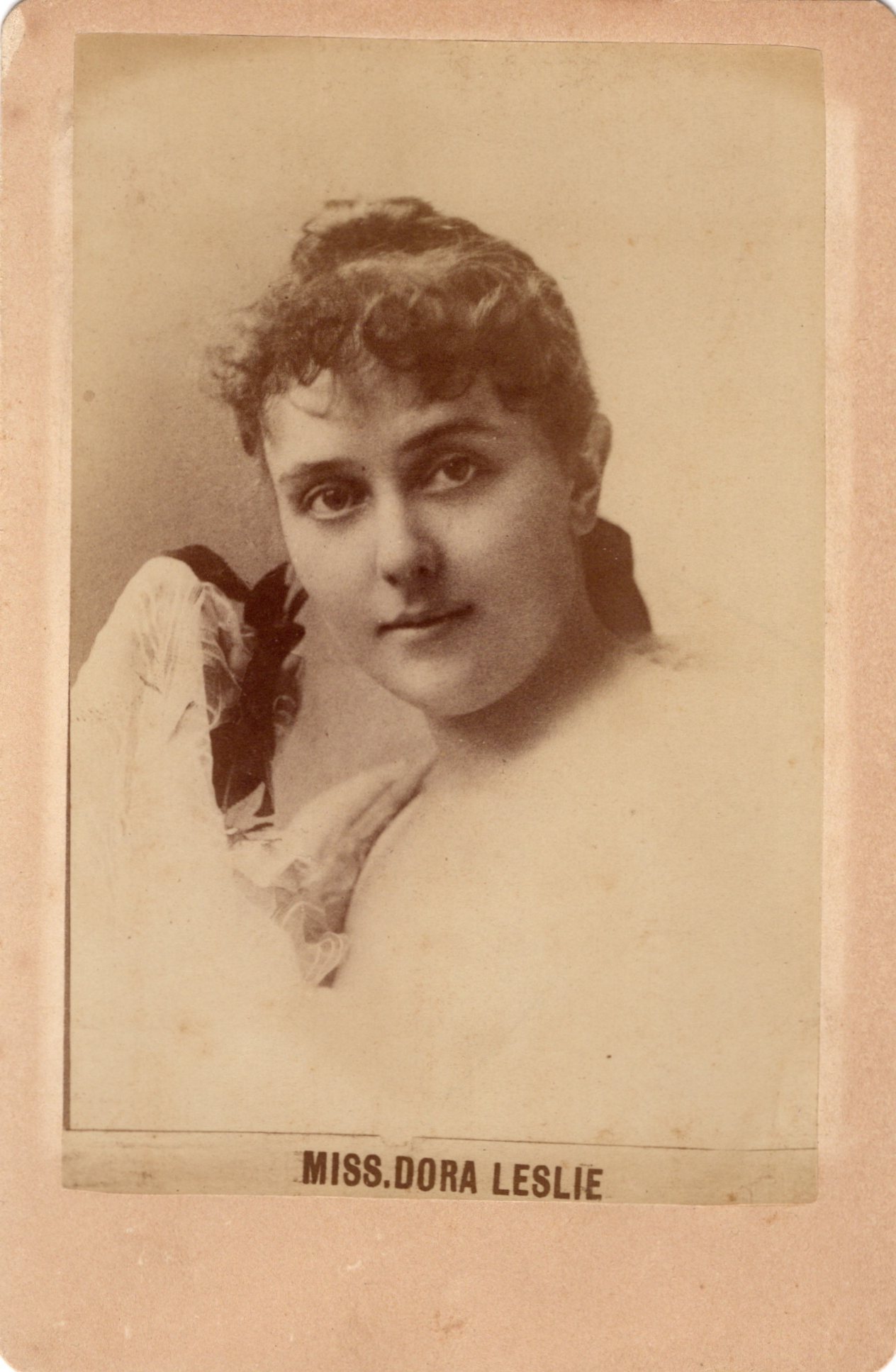
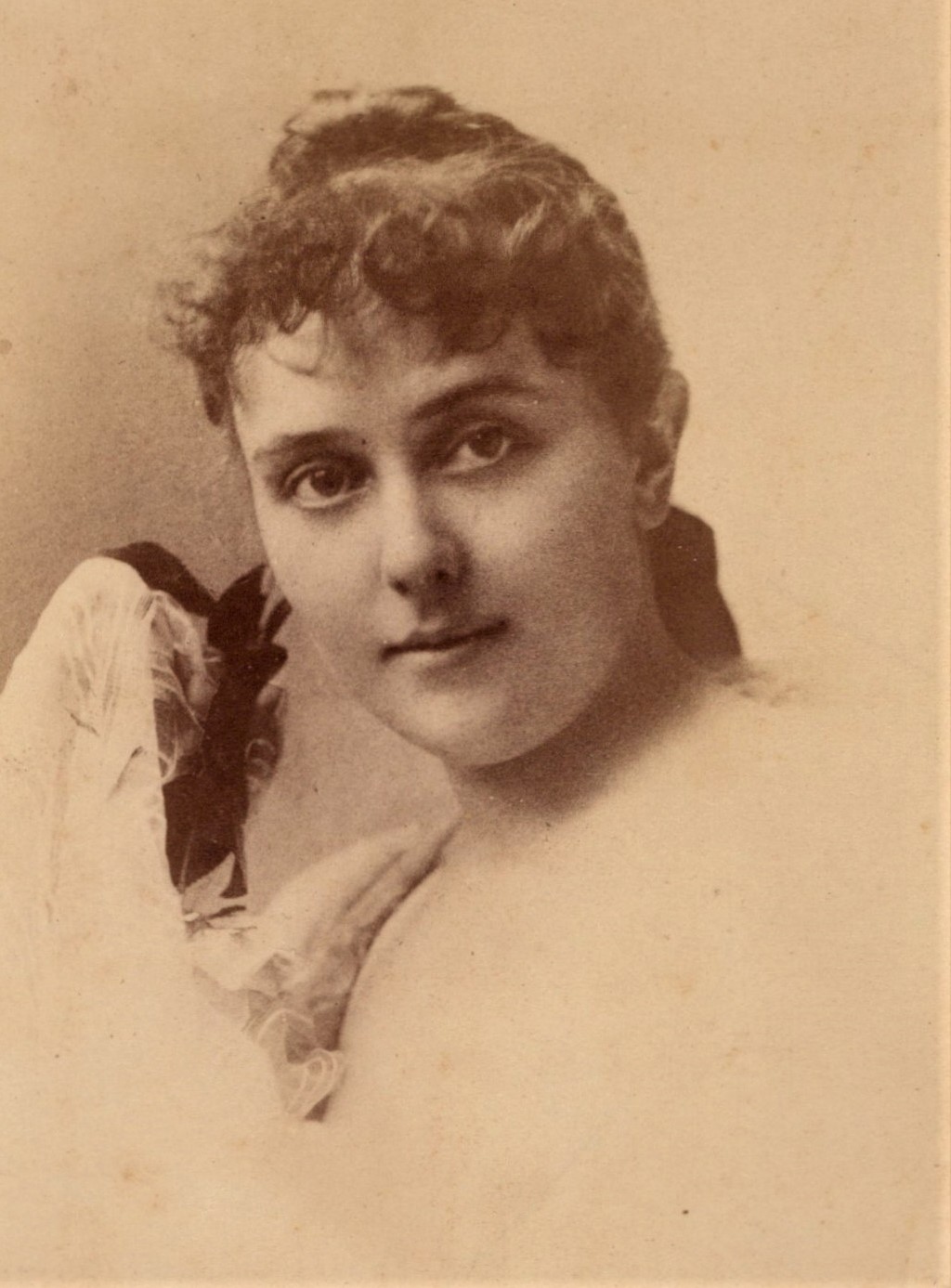
PRETTY THEATRE ACTRESS : DORA LESLIE : CLOSE-UP : CABINET CARD
Dora Leslie was a theatre actress whose career included Broadway appearances. In 1887 she was appearing in “Lord Chumly” in Boston and wanted to leave the production because she felt her role was too small and offered little opportunity. A fifteen year old replacement was sent by Daniel Frohman; her name was Maude Adams and she went on to great fame. Leslie is mentioned in the New York Times for appearing in “The Marquis” (1889) and in a play inspired by a Mark Twain story (1890). The photographer who produced this cabinet card portrait of Leslie, is unknown. This cabinet card portrait is in good condition (see scans).

Buy this Cabinet Card (includes shipping within the US) #3762
To purchase this item, click on the Pay with PayPal button below
$28.39

Buy this Cabinet Card Photograph (includes International shipping outside the US) 3762
To purchase this item, click on the Pay with PayPal button below
$37.39
PRETTY AMERICAN STAGE, FILM, AND TELEVISION ACTRESS: NANCY CARROLL
POSTCARD 2 (SOLD)
POSTCARD 2 (SOLD)
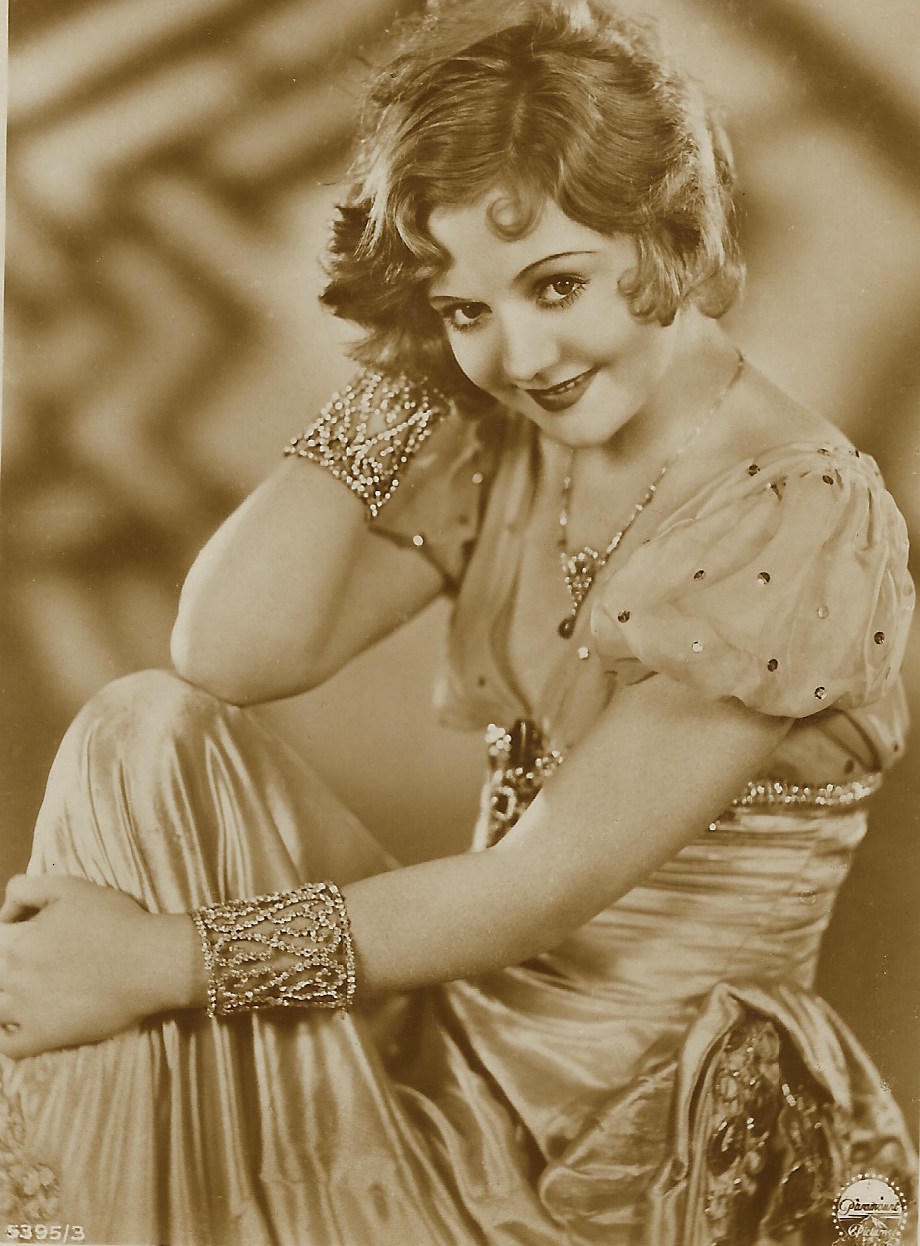
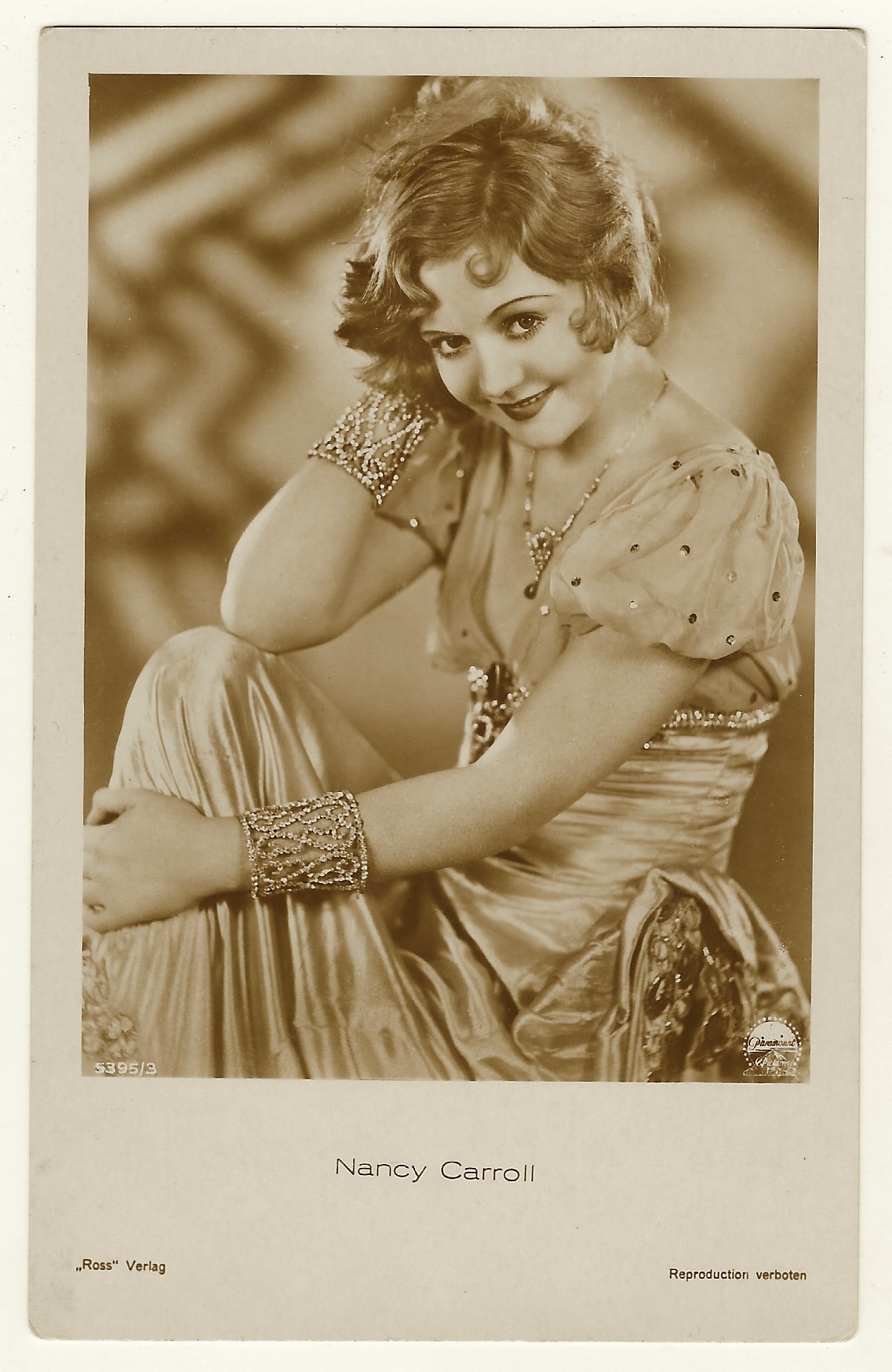
The beautiful actress pictured in these two real photo postcards is Nancy Carroll (1903-1965). Miss Carroll’s parents were Irish and she was born and raised in New York City. She left school at age sixteen to work as a stenographer for a lace manufacturing company. She and her sister participated in an amateur talent show. They performed a dance routine. She must have caught the acting bug because after this performance, she began pursuing a stage and screen career. She began her acting career in Broadway musicals. The IDBD lists Nancy Carroll as appearing in five Broadway productions between 1923 and 1948. Her musical background made her a successful “talkies” actress. She performed in movie musical in the 1930’s. Her movie debut was in “Ladies Must Dress” (1927). It seem 1928 was a busy year for Nancy Carroll. During that year she made eight films and one of them, “Easy Come, Easy Go” propelled her to stardom. Her costars over her career included George Bancroft, Cary Grant, and Randolph Scott. Carroll was under contract to Paramount Pictures and their relationship was stormy. She often refused roles the studio offered her and her reputation became damaged. She was seen as stubborn and uncooperative. Carroll was successful in light comedies, melodramas, and musicals and appreciated by critics and fans. In fact, during the early 1930’s she received more fan mail than any other star. Despite all these positives, Paramount released her from her contract. In the mid 1930’s she joined Columbia Pictures stable of performers but made four not very successful films and became a film actress no longer in demand. In 1938 she retired from films and returned to stage and starred in an early television series in 1950. She died of an aneurysm in 1965.
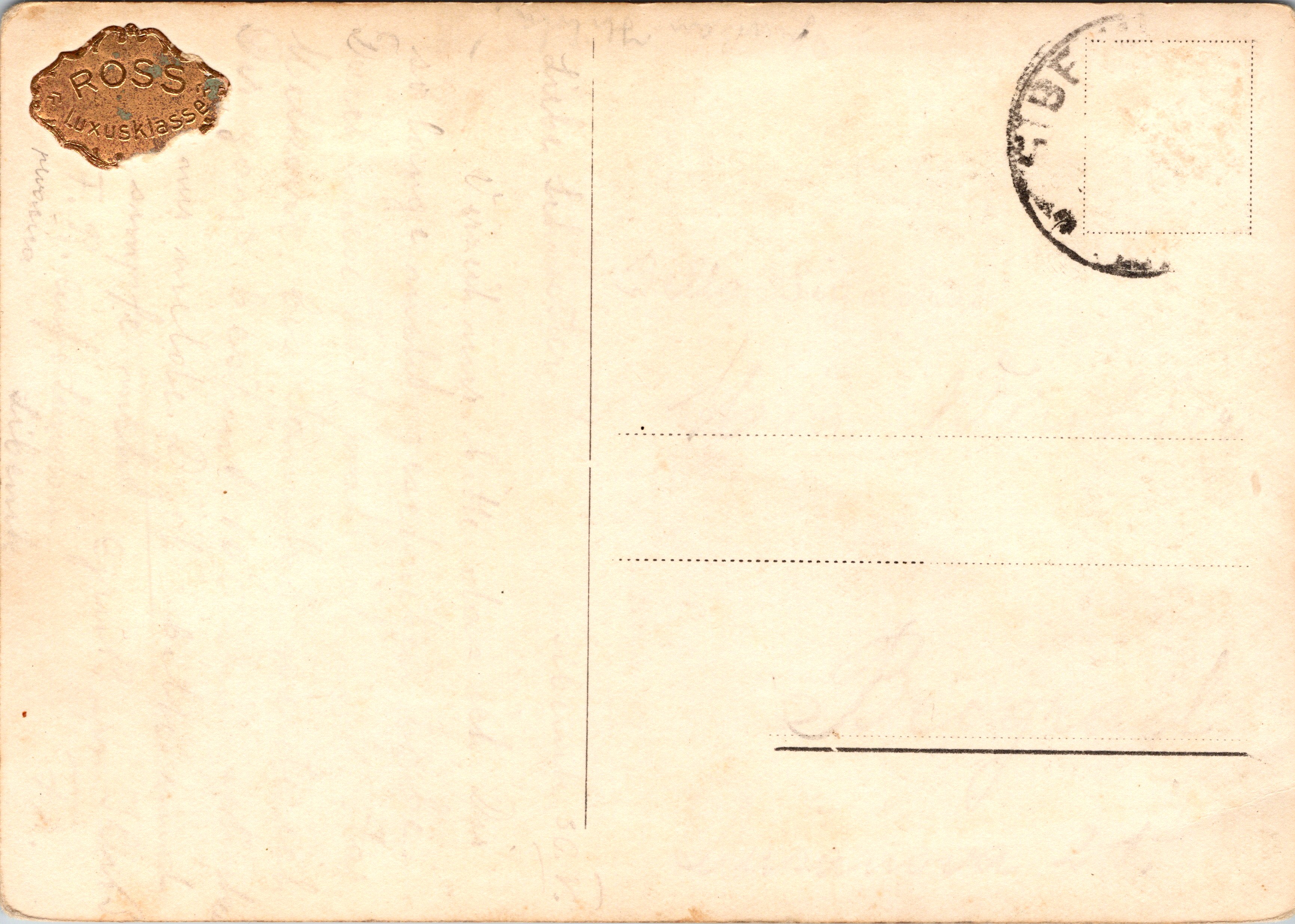
Postcard 1 was published by Ross Verlag (c.late 1920’s) as part of the luxus klasse (luxory class) series. It bears the logo of Paramount Pictures which indicates that the photograph was taken during Carroll’s stint with that studio. The postcard is part of a series (no.535). (SOLD).
Postcard 2 bears the logo of Paramount Pictures which indicates that this photograph was taken during Carroll’s stint with that studio. The postcard is part of a series (no.5395/3). SOLD
Nancy Carroll in a scene from the 1930 pre-code film “The Best Of Life” (1930)
Postcard 2 (SOLD)
CARRIE PERKINS : RISQUE PHOTO : WORE THE TIGHTEST DRESSES IN VAUDEVILLE
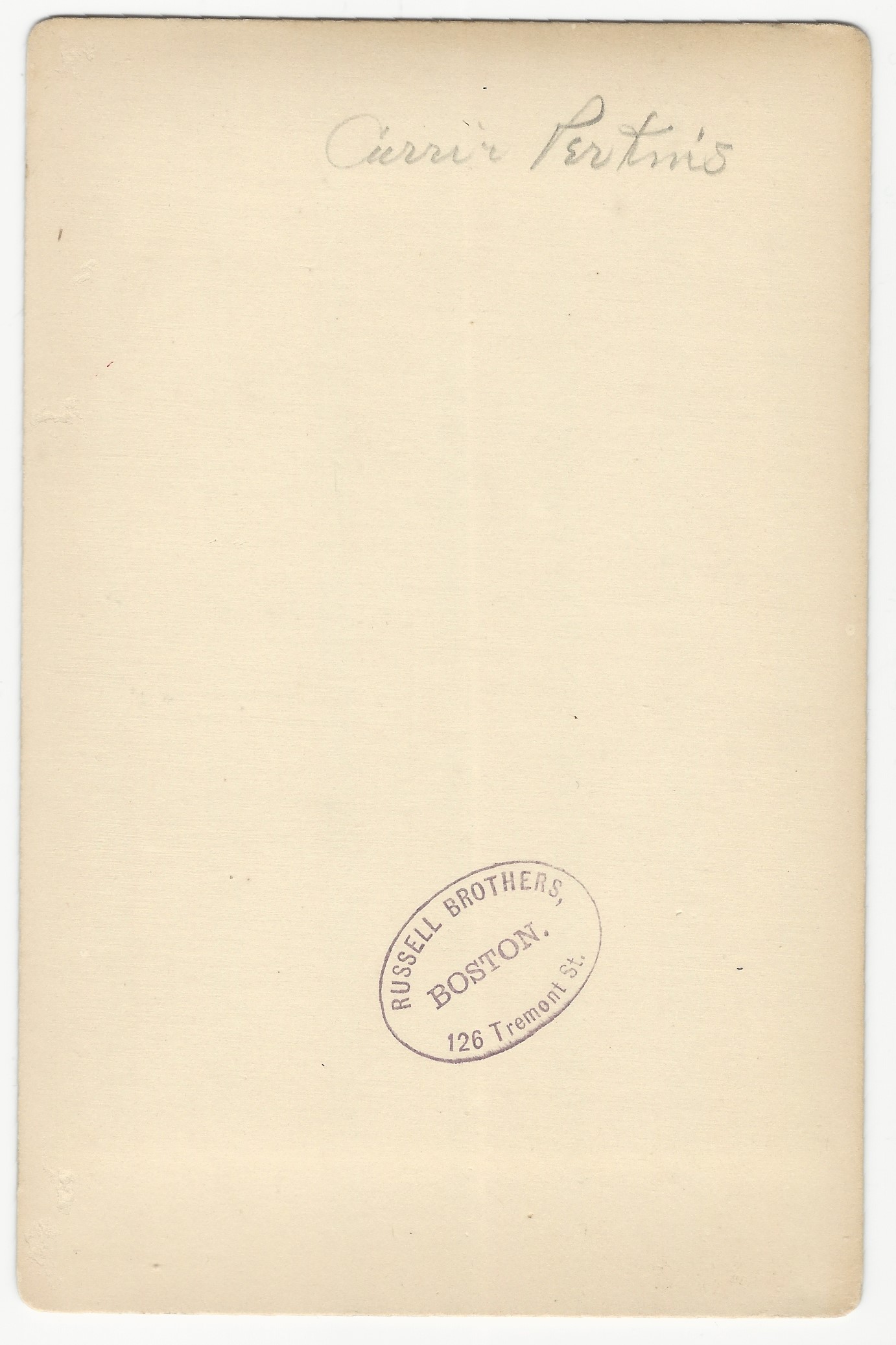
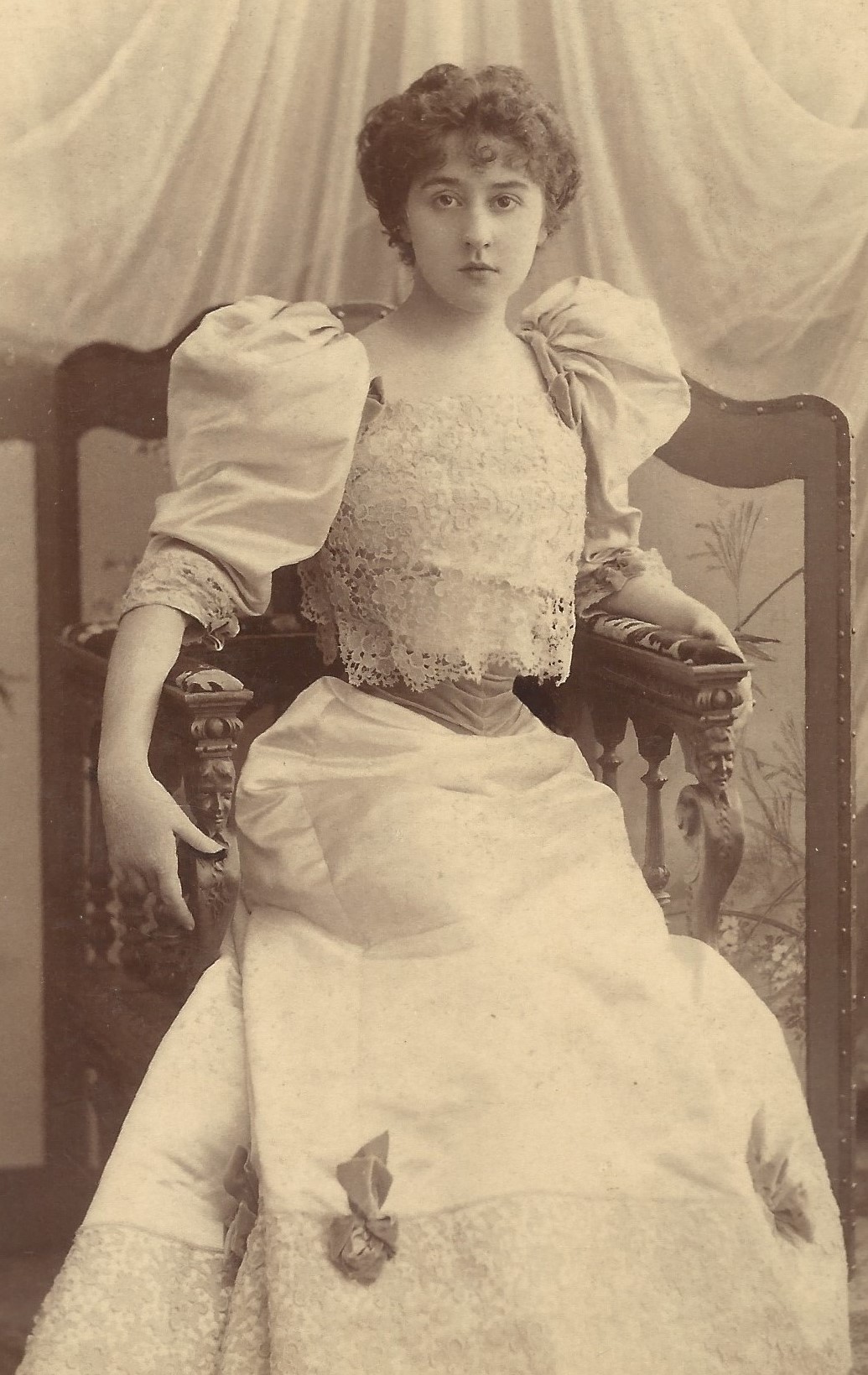
The pretty woman seen in this cabinet card portrait is actress, Carrie Perkins. Her acting included productions on Broadway, as well as, appearances on the Burlesque and Vaudeville stage. One of Perkins’s claims to fame, is that she was considered to be the actress that wore the tightest fitting costumes in all of vaudeville. She appeared in much advertising such as premium cards for cigarette brands. The website, “Broadway Photographs” provides a biography of Miss Perkins. She is described as “a vaudevillian with a trim body and a smart tongue”. The site states that “she plied both the visual and verbal dimensions of entertainment”. Although she was known for her tight gowns, the biographer states that “it was her urban girl wit that won her a ticket to Broadway”. She became known to the theatrical world in Garrick’s burlesque “Thrilby” (1895). She wasn’t considered beautiful enough to play lead roles. Instead she played roles that showcased “feminine audacity”. She appeared in nineteen Broadway productions according to the Internet Broadway Database (IBDB). These appearances occurred between 1888 and 1911. These performances included “Jack and the Beanstalk (1898), “The Casino Girl” (1901), and “The Merry Shop Girl’s” (1905). Her final show was “The Fascinating Widow”. which was a touring production with the popular actor and female impersonator Julian Eltinge. There seems to be agreement that Perkins was long on personality and appearance, but short on talent. Perkins rarely received praise from theatre critics. She found her place on the stage as a supporting actress/dancer/singer. This cabinet card photograph was taken by the Sparks Photo-Publishing Company. The studio was located in Philadelphia, Pennsylvania. The artist/manager of the studio was Elliott Houseworth. The 1880 census lists Elliott A. Houseworth as being born in 1855, residing in San Francisco, California, and working as a photographer. Houseworth also appears in the 1900 census as living in Norwood, Pennsylvania and working as a manager. These demographics fit the photographer of this image, since Houseworth managed Sparks Photography Studio and Norwood is only about eleven miles from Philadelphia. A stamp on the reverse of the image states “Russell Brothers, 126 Tremont Street, Boston”. Perhaps the Russell Brothers were photograph collectors or a photo gallery that sold celebrity photographs. Photographs of Miss Perkins are rare and this image is beautiful remnant of turn of the century Broadway theater. SOLD
LUCY GERARD : BEAUTIFUL FRENCH STAGE AND FILM STAR : (AKA LUCY MAREIL)
IMAGE 1 (SOLD)
IMAGE 1 CLOSE-UP (SOLD)
Image 1 is a vintage postcard that features French actress Lucy Gerard (1872-1941). She appeared both on stage and in film. She began her stage career in 1888 at the Theatre de la Renaissance and continued her career in France through 1900. She was absent from the performance scene for quite awhile until she returned to the stage with a “new” name, Lucy Mareil. During her stint away from the stage, she became an antique dealer. Equipped with her new name, Gerard landed numerous roles in theater and cinema from 1911 to 1923. In The IMDb credits Gerard with 24 film roles. The IBDb reports that she appeared in one Broadway play, “A Night with the Pierrots / Sesostra / The Whirl of Society” (1912). Lucy Gerard was a very pretty actress and her photo on this postcard shows her in what appears to be a Middle Eastern costume. On the top left hand corner of the front of the card is the word “Vaudeville”. At the time that this photo was taken, Miss Gerard was appearing at the “Theatre du Vaudeville” in Paris. The photographer of this postcard photo was Charles Pierre Ogerau (1868-1908). He was a Frenchman and was considered an excellent photographer. He was also known to be an anarchist activist at the beginning of the twentieth century. Ogerau opened his photographic studio on boulevard Montmartre in around 1885. He specialized in photographing actresses and his subjects included Cleo de Merode and Emma Calve. This vintage postcard portrait is uncommon. (SOLD)
Image 2 is a Cabinet Card portrait of the Miss Girard. She looks beautiful in this photograph. She is dressed in a fancy gown. This photo was taken at the celebrated Reutlinger studio. The Reutlinger Photography Studio was opened by Charles Reutlinger in Paris in 1850. Reutlinger was of German descent. The studio took portraits of many of the world’s beautiful, rich and famous people of the era. In 1880, Charles’ brother, Emile (1825-1907) took over operation of the studio. He was joined by his son Leopold (1863-1937) in 1883. Leopold began running the studio in 1890 and operated the business until 1930 when he lost an eye in an accident involving a champagne cork. A stamp on the reverse of this cabinet card reveals that it was formerly owned by Culver Pictures of New York City, New York. Culver Pictures has been collecting photographs and illustrations from the 19th and first half of the 20th century, since 1926. These pictures are used in books, films, and other forms of media. At the time that this cabinet card was stamped by the company, Culver Pictures was located in New York City. (SOLD)

IMAGE 1 (SOLD)
BLANCHE KELLEHER : BROADWAY THEATER ACTRESS (CABINET CARD)
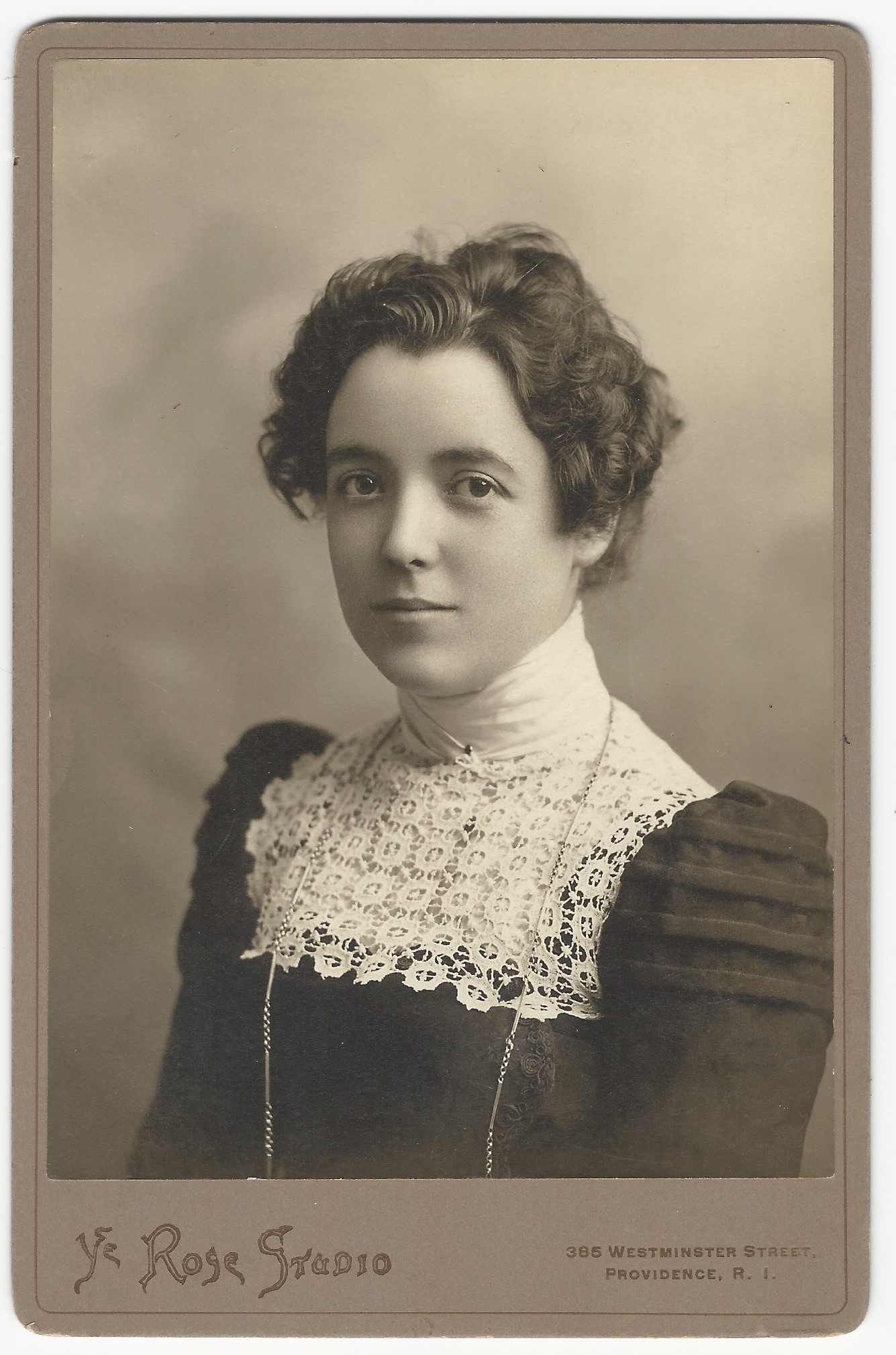
- This cabinet card portrait features stage actress, Blanche Kelleher. The IBDB reports that Miss Kelleher appeared in two Broadway productions. The first production, “Trelawney of the ‘Wells” was a comedy that appeared at the Lyceum Theatre (1898-?). Other performers in the play included Mary Mannering and Hilda Spong. The play was produced by Daniel Frohman. In 1928, this play was the basis of a film, “The Actress” . The second Broadway show that featured Miss Kelleher, was “The Ambassador” (February 5, 1900 – March 19, 1900). The show was a comedy produced by Daniel Frohman. It was presented at Daly’s theatre, and was on Broadway for 51 performances. This cabinet card portrait was taken at Ye Rose Studio, in Providence, Rhode Island. The studio opened in 1886 and was located in the Conrad building in downtown Providence. The building still exists. On the reverse of this photo is a stamp which indicates that the image once belonged to Frank A. Munsey (1854-1925). You may not have ever heard of Mr. Munsey but he was a well known man during his time. He was an American newspaper and magazine publisher. He was also an author of several novels. Munsey also founded a major financial institution. His accomplishments go on and on. Munsey provided major funding for Theodore Roosevelts ill fated campaign for the 1912 Republican Party nomination for President. In reaction to Roosevelt not receiving the nomination, he had his hand in the formation of the “Bull Moose Party”. Although he was born in Maine, he spent most of his life in New York City. The city of Munsey, New Jersey is named after him. Munsey receives credit for developing the idea of using high speed printing presses to print on cheap, untrimmed, pulp paper in order to produce affordable magazines. Many of these peiriodicals were sold for just ten cents. The stories appearing on this paper were often action and adventure fiction. The magazines were aimed at working class readers and were called “pulp magazines”. Think “Pulp Fiction”. Munsey eventually expanded into publishing newspapers. In 1925, Munsey died from a burst appendix. When he died, he left a fortune of 20 to 40 million dollars, which by today’s standards, would equal 250 to 500 million dollars. Among those that received sizable funds from Munsey’s estate was Bowdoin College and New York City’s Metropolitan Museum of Art. This cabinet card has excellent clarity and is in very good condition (see scans). Note the tiny chip near the top of the left edge of the card’s border. SOLD