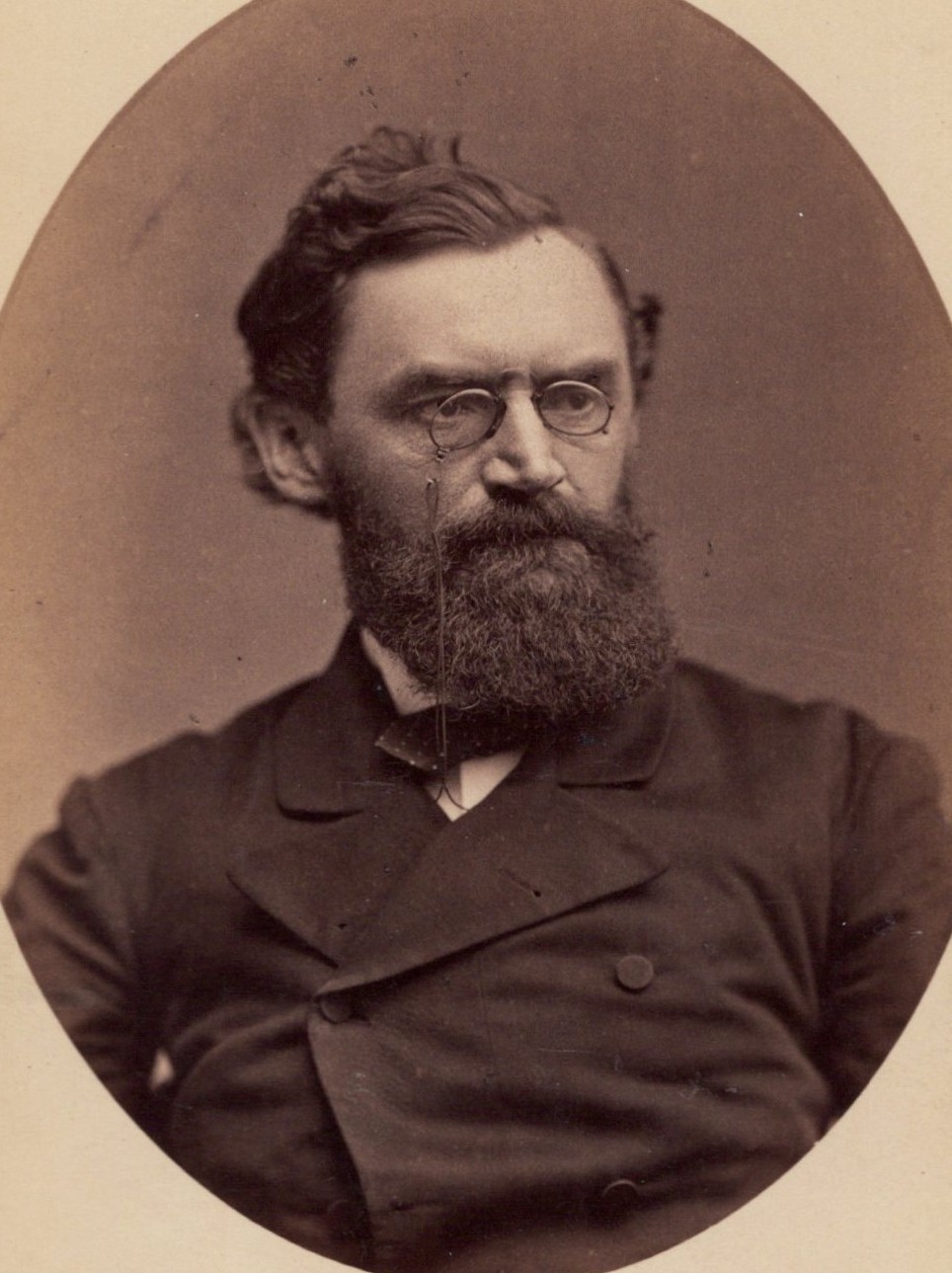
CARL SCHURZ ; CIVIL WAR GENERAL & SENATOR : WARREN’S, BOSTON : CABINET CARD

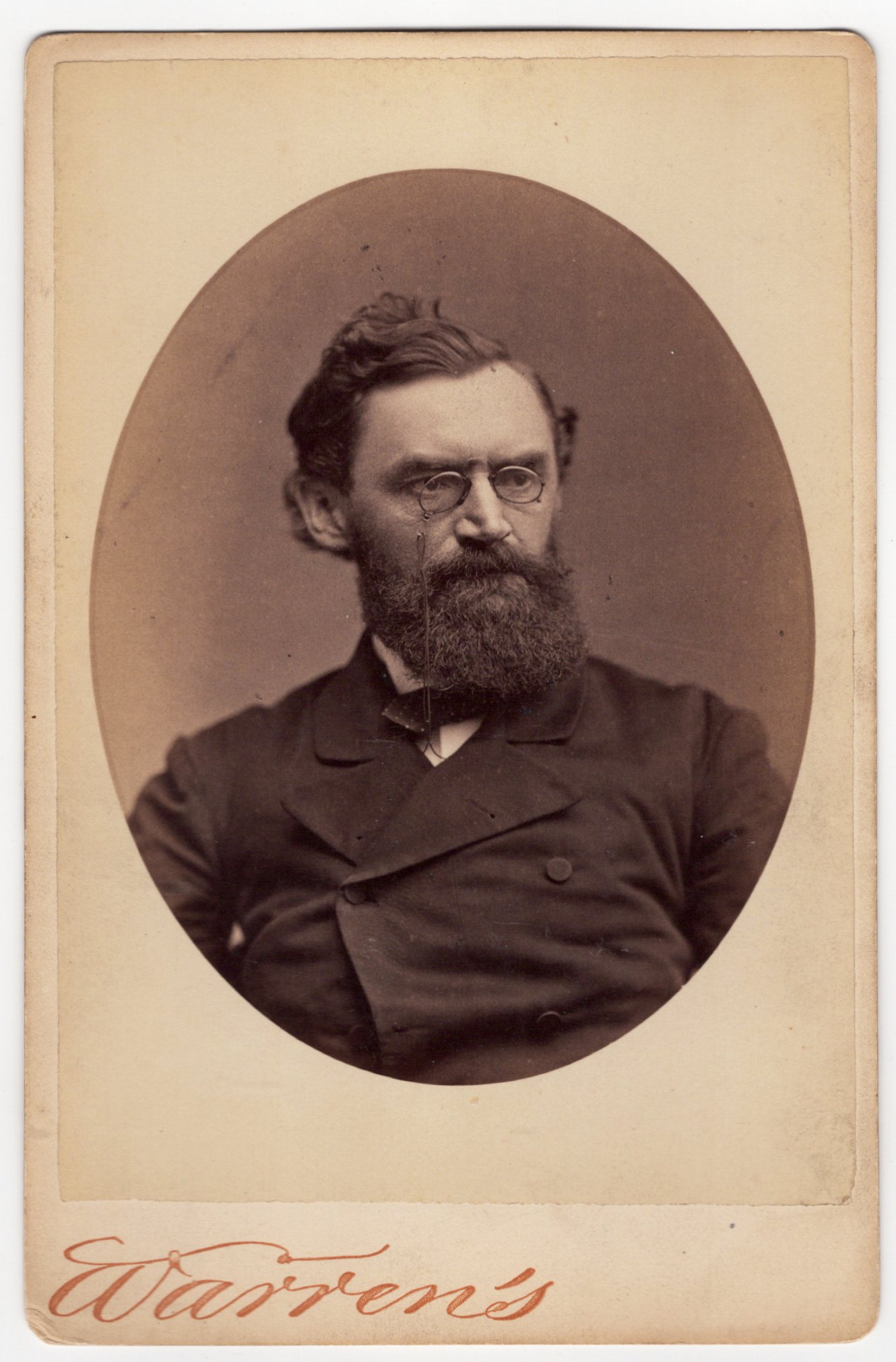
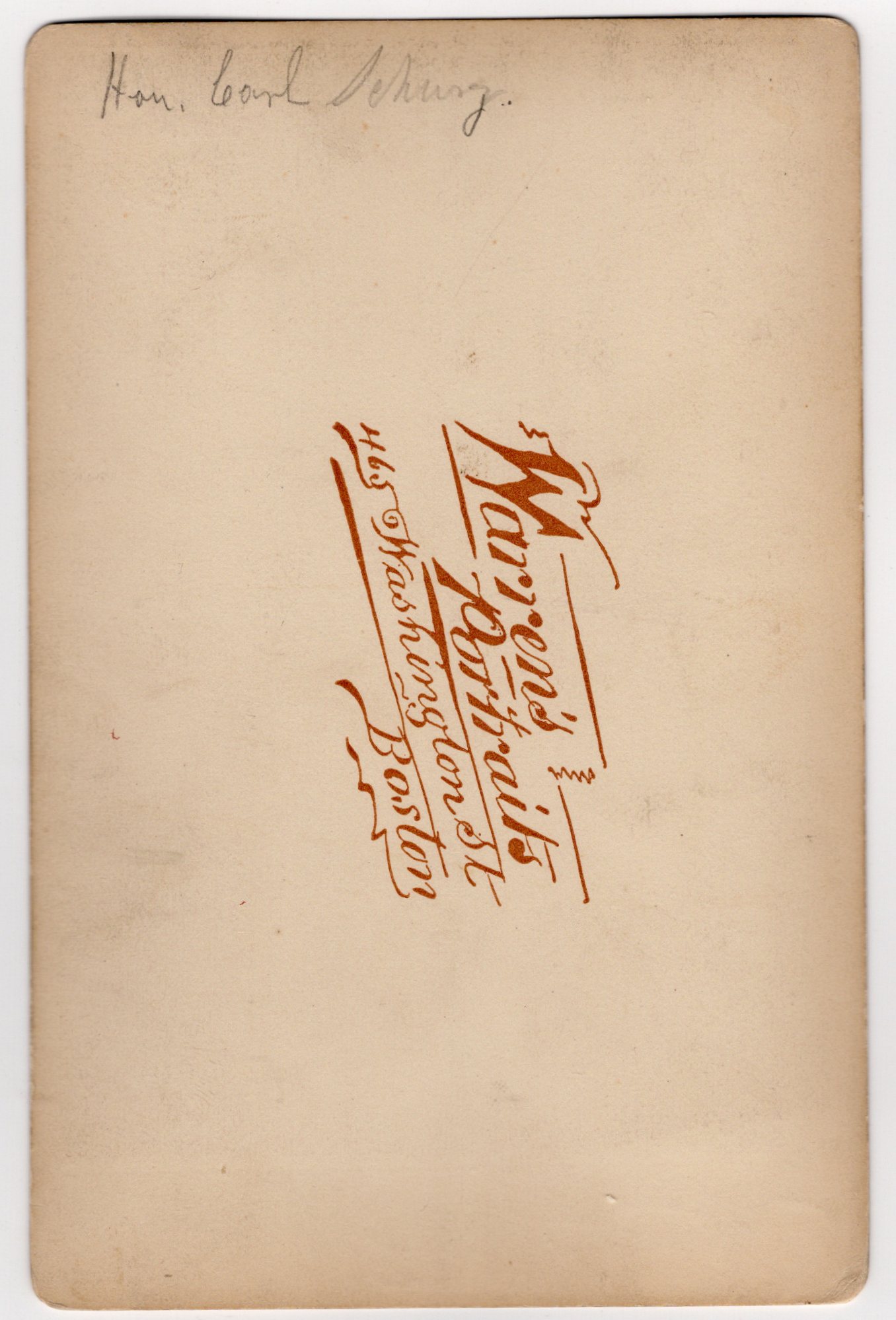
This striking 19th-century cabinet card features The Honorable Carl Schurz (1829-1906), a distinguished Civil War general, U.S. Senator, and reform-minded statesman. The photograph was taken at Warren’s Portraits, a prestigious Boston studio located at 465 Washington Street and renowned for its elegant images of notable figures during the late 1800s. In this formal portrait, Schurz is captured in a three-quarter view, seated in a dark, double-breasted coat with a subtle bow tie at his collar. His thick, well-kept beard and wavy hair give him a scholarly yet commanding presence. He gazes slightly to his left, a monocle suspended at his eye—projecting a look of intellectual rigor and seriousness. The background is a simple studio gradient, helping focus all attention on Schurz’s intense expression and refined appearance. On the reverse, the card is elegantly marked with the Warren’s Portraits logo. In pencil is written: “Hon. Carl Schurz,” affirming the identity of the sitter. Carl Schurz was born in Liblar, Prussia (modern-day Germany) in 1829. A revolutionary in his youth, he fought in the 1848 German uprisings, which ultimately failed, forcing him to flee Europe. He emigrated to the United States in 1852, where he quickly became involved in politics and the anti-slavery movement. During the American Civil War, Schurz was appointed brigadier general of Union volunteers by President Lincoln in 1862. He eventually rose to the rank of major general. Though courageous and respected, his battlefield performance received mixed reviews. He fought in key engagements including: the Second Battle of Bull Run (1862), the Battle of Chancellorsville (1863),  and the Battle of Gettysburg (1863), where his XI Corps was flanked on the first day. While he was not a professional military man, Schurz’s service was notable for his efforts to advocate for German-American troops and his commitment to the Union cause. He did not have prior military experience in Europe before serving in the U.S. Army. After the war, Schurz enjoyed a long and prominent career in politics. He served as a U.S. Senator from Missouri (1869–1875) and later as Secretary of the Interior under President Rutherford B. Hayes (1877–1881). A staunch advocate of civil service reform and anti-corruption measures, he became one of the leading voices of the Liberal Republican movement. This cabinet card was produced by Warren’s Portraits, one of Boston’s most prominent photography studios in the 19th century. Operated by William Shaw Warren, the studio specialized in elegant, high-quality portraits and was especially known for photographing celebrities, politicians, military figures, and distinguished members of Boston society. Warren’s operated primarily during the 1860s through the 1890s. Warren’s images often feature clean studio backdrops, strong lighting, and detailed retouching, emphasizing refinement and dignity—qualities clearly present in this cabinet card of Carl Schurz. (SOLD)
GENERAL WESLEY MERRITT : CIVIL WAR : CHANCELLORSVILLE, GETTTYSBURG, APPOMATTOX

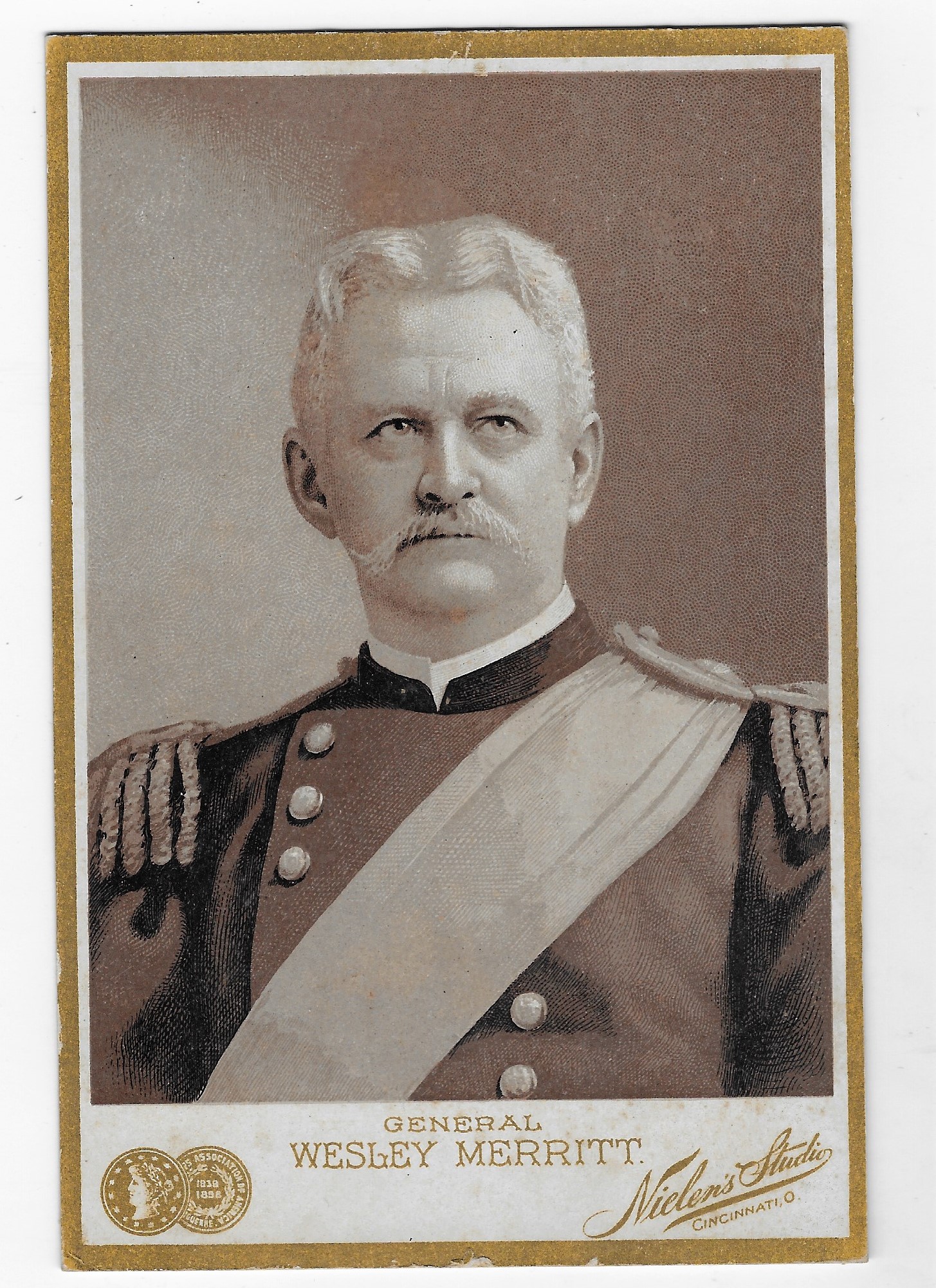
This cabinet card features a portrait of civil war General Wesley Merritt (1836-1910). During the war, he served on the side of the Union. Merritt graduated from West Point in 1860. Initially, as a second lieutenant, he served under John Buford in Utah. In 1862, he was named a Captain in the 2nd Cavalry and participated in the defense of Washington D.C.. In 1863, he was appointed adjutant for Major General George Stoneman. Merritt participated in Stoneman’s Raid in the Battle of Chancellorsville. He participated in the Gettysburg campaign as commander of the Reserve Brigade, 1st Division, Cavalry Corps of the Army of the Potomac. He saw no real action until the third day of the battle. He took part in the attack, led by Brig Gen Judson Kilpatrick on the Confederate right. He sustained a slight wound in the Battle of Brandy Station. His actions at Brandy Station contributed to his promotion to Brigadier General. Upon the death of John Buford, Merritt took over command of the 1st Division of the Cavalry Corps. He led the division during Grant’s Overland Campaign in 1864. Merritt later became the commander of the 1st Division Cavalry Corps of the Army of the Shenandoah, under Major Gen. Phillip Sheridan. He participated in Sheridan’s Valley Campaigns of 1864. His division routed the confederates in the Third Battle of Winchester. He was second to command under General Sheridan during the Appomattox Campaign and was present for the Confederate surrender at Appomattox. He had a long and accomplished career in the military, after the civil war. He commanded the Cavalry in the Southwest and participated in the Indian Wars. After serving on the frontier, he spent five years as superintendent of West Point. In 1895 he was promoted to major general in the regular army. In 1898, he commanded the Eighth Army Corp in the Spanish American War. After the victory, Merritt became the first American military governor of the Philippines. Merritt retired from the army in 1900. His military career had a 40 year duration. This cabinet card appropriately shows General Merritt in military uniform. Nielen’s Studio, in Cincinnati, Ohio is credited just below Merritt’s image. Andries Nielen (1850-1940) was born in Holland. He emigrated to the United States and in time, became the head of a tea and spice firm in Cincinnati. He retired in 1905 and he travelled around the world. He began a new career as a photographer and postcard publisher. He also was an amateur philosopher. He ran a publication espousing his philosophy as well as published the “wisdom” of others. SOLD

PRETTY WOMAN LACED IN ST. LOUIS, MISSOURI (CIVIL WAR HERO PHOTOGRAPHER)

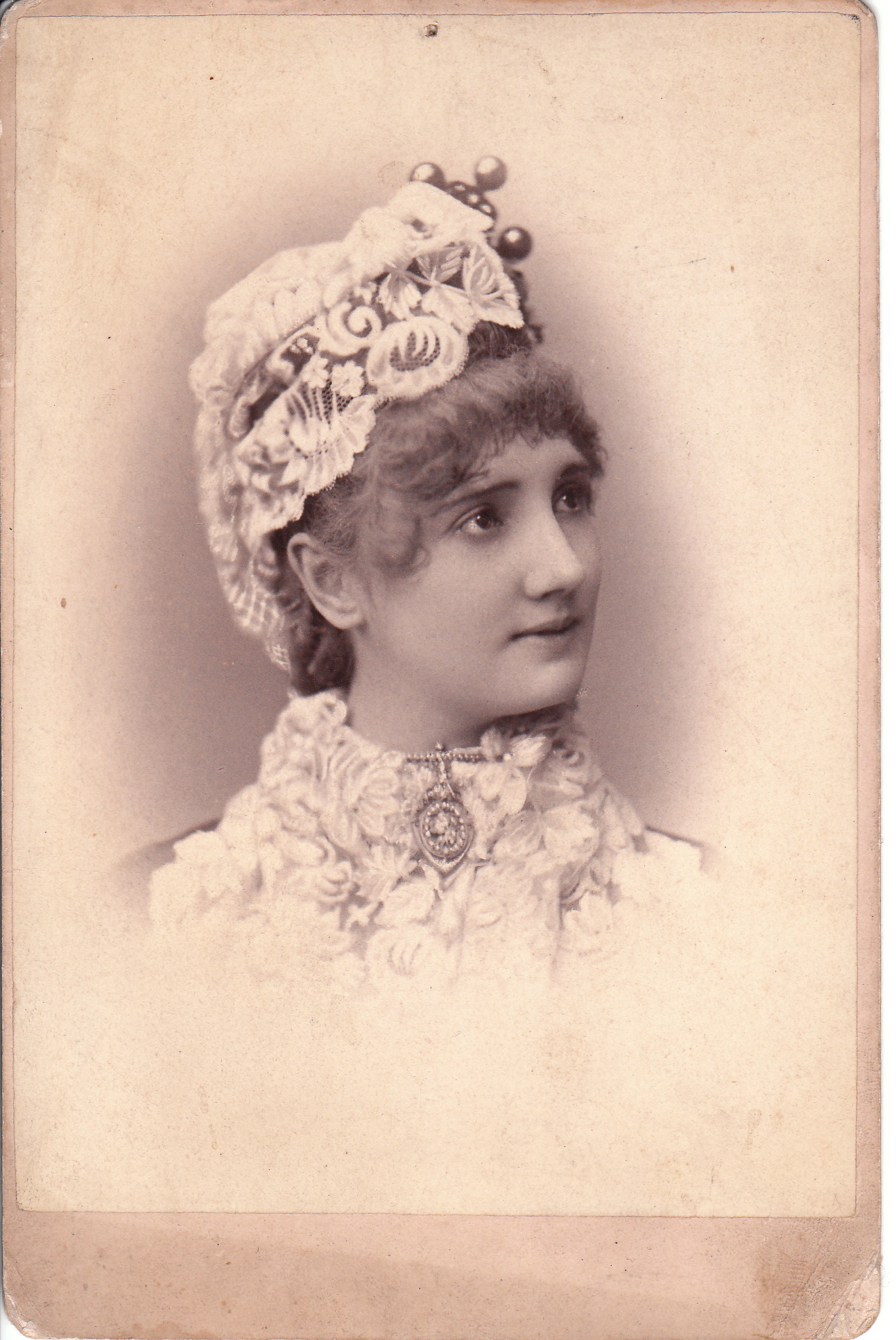
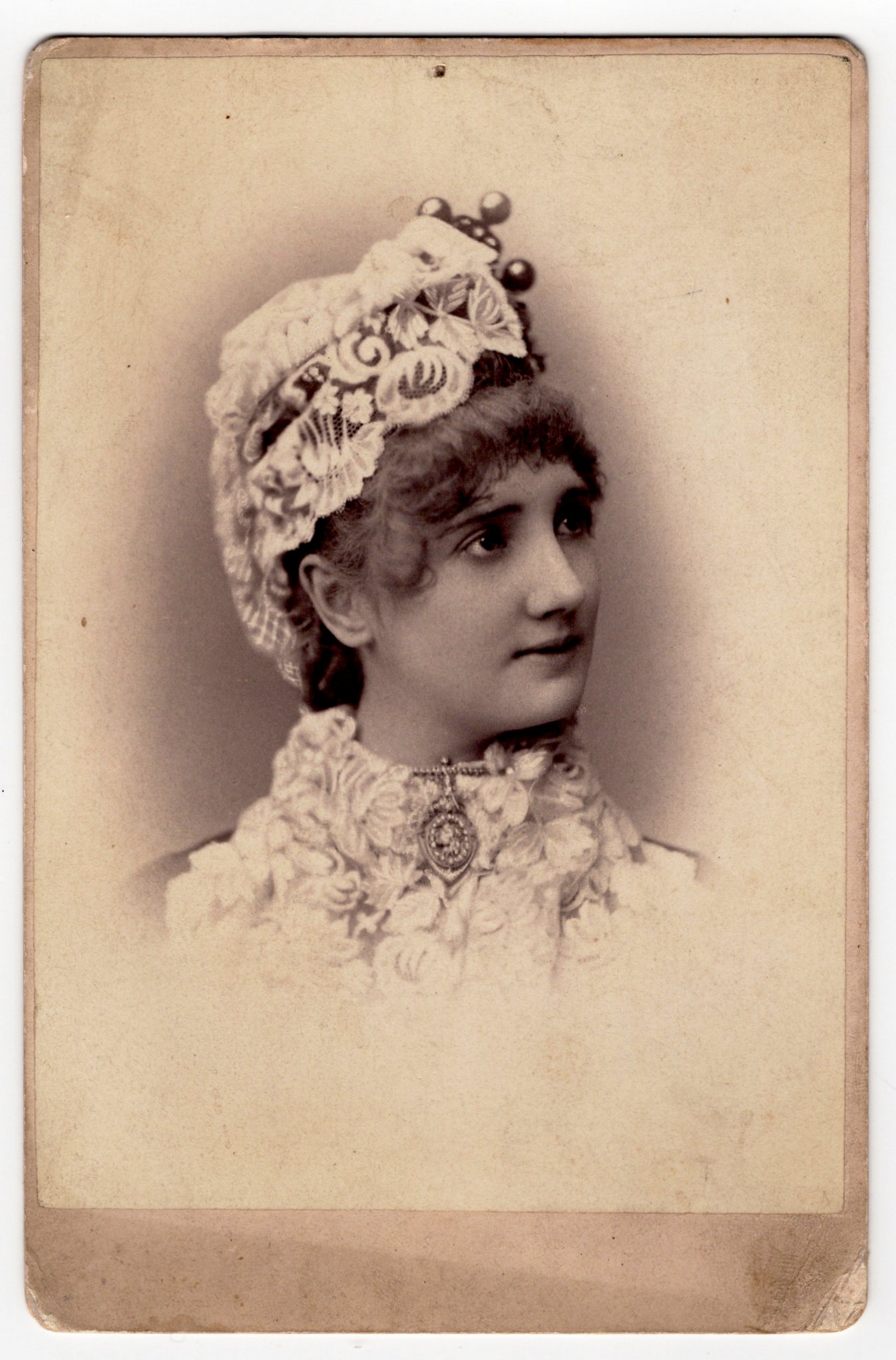
The attractive woman in this cabinet card is adorned with a lace cap and lace collar. Her outfit is a bit unusual but she would look beautiful no matter what she was wearing. The photographer of this image was F. W. Guerin, and his studio was located at 627 Olive Street, St. Louis, Missouri. Guerin received a medal for his work at the World Exposition in Paris (1878) and was similarly honored at the St. Louis Worlds Fair (1904). Fitz W. Guerin (1846-1903) was an excellent photographer but he was also a hero during the American Civil War. He was a recipient of the Congressional Medal of Honor. Guerin was a private in Battery A, 1st Missouri Volunteer Light Artillery. His citation states that along with two of his comrades, he voluntarily took a position aboard the steamer, Cheeseman, in which he took charge of all the guns and ammunition. He took this role while the steamer was unmanageable and under heavy enemy fire. After the war he became an apprentice photographer and later had a successful career photographing the well-to-do citizens of St. Louis. Guerin took many wonderfully posed photographs of beautiful women; he seems to have had an eye for the ladies. This cabinet card has corner wear and a pin hole near the center of it’s top edge. Overall this cabinet card portrait is in good condition (see scans).

6546

Buy this Cabinet Card Photograph (includes shipping within the US) #6546

To purchase this item, click on the Pay with Paypal button below

$30.00

6546

Buy this Vintage Original Cabinet Card (includes International shipping outside the US) #6546

To purchase this item, click on the Pay with Paypal button below

$42.00

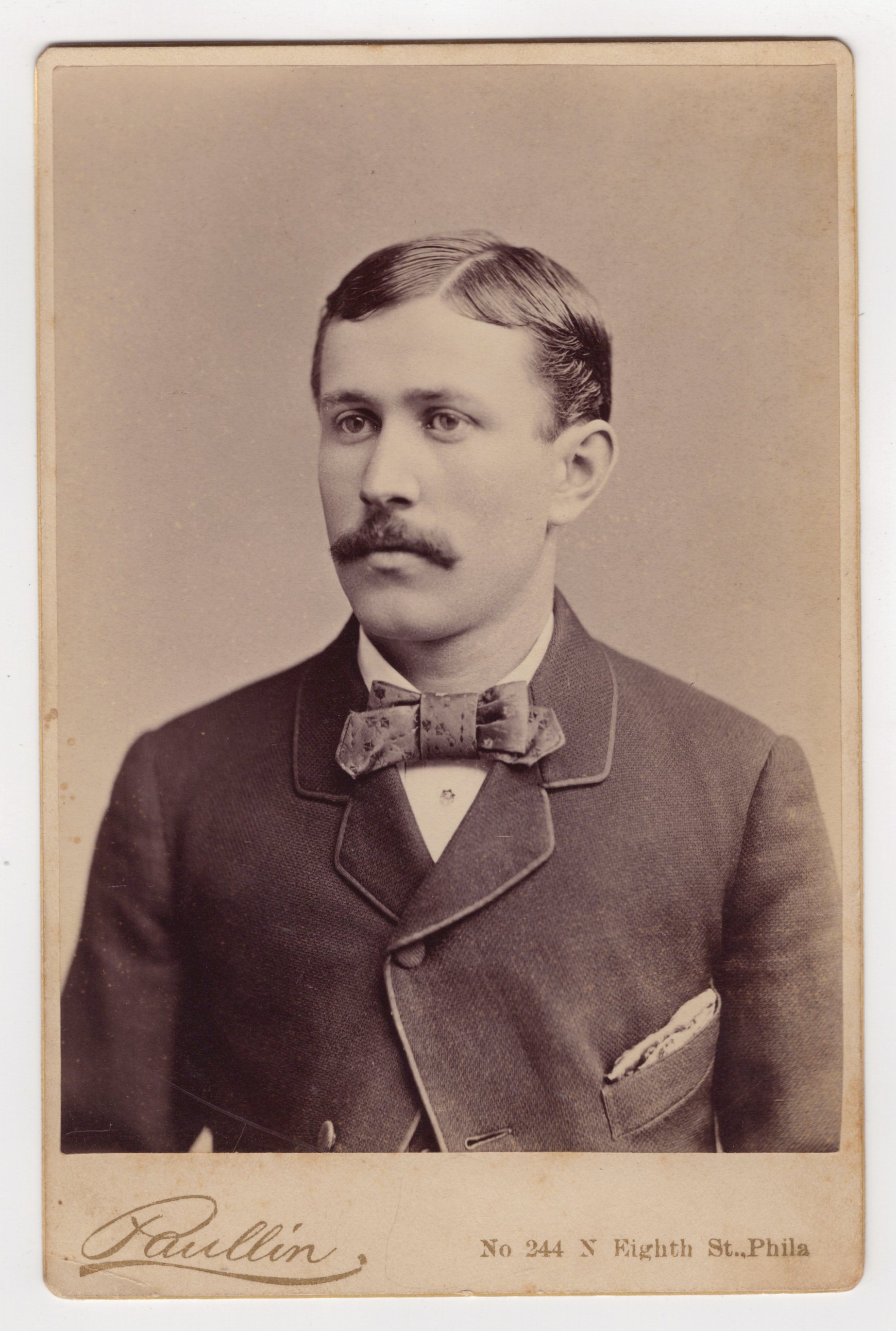
CIVIL WAR AERONAUT’S STUDIO PHOTOGRAPHS MAN WEARING BOW TIE IN PHILADELPHIA, PENNSYLVANIA


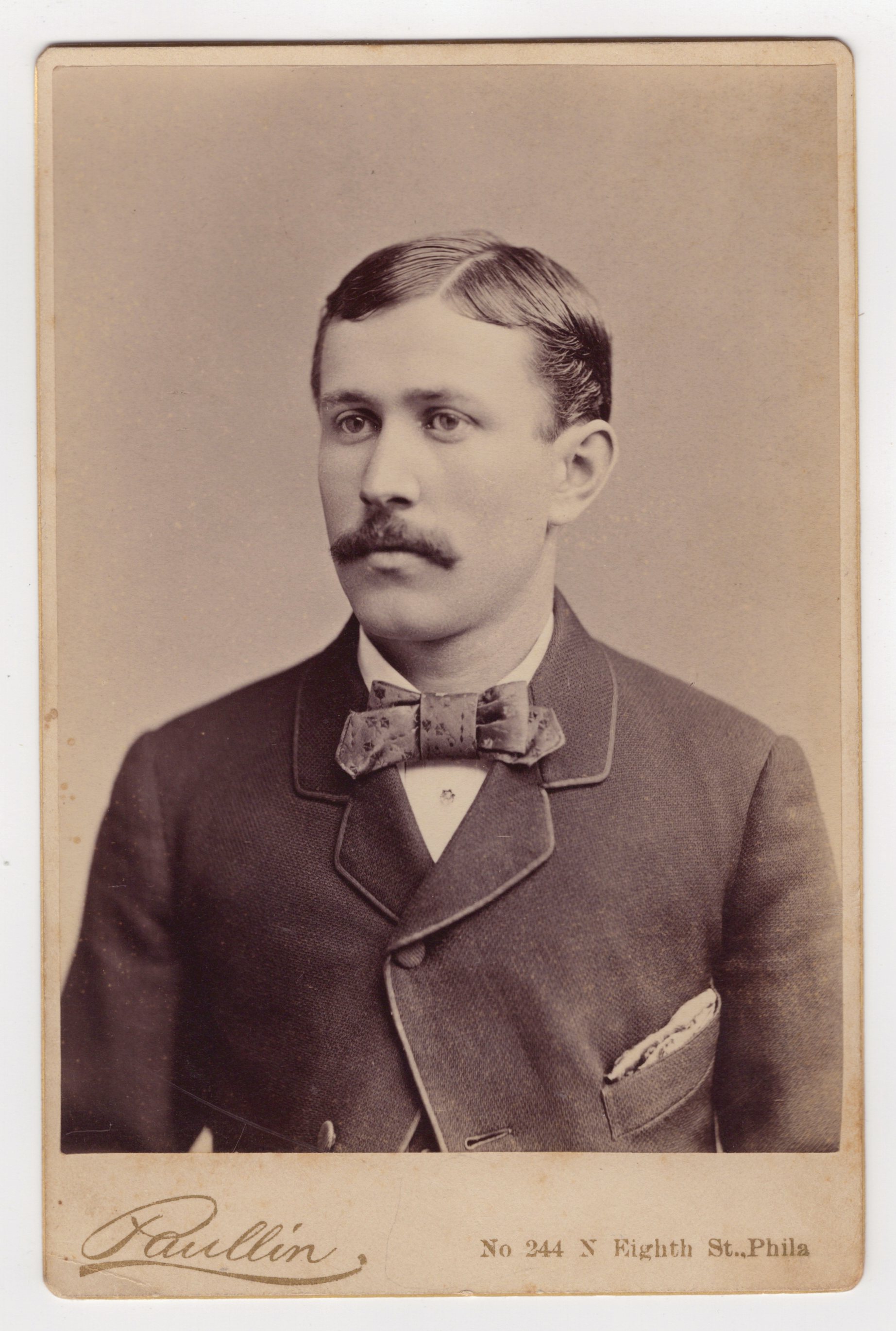
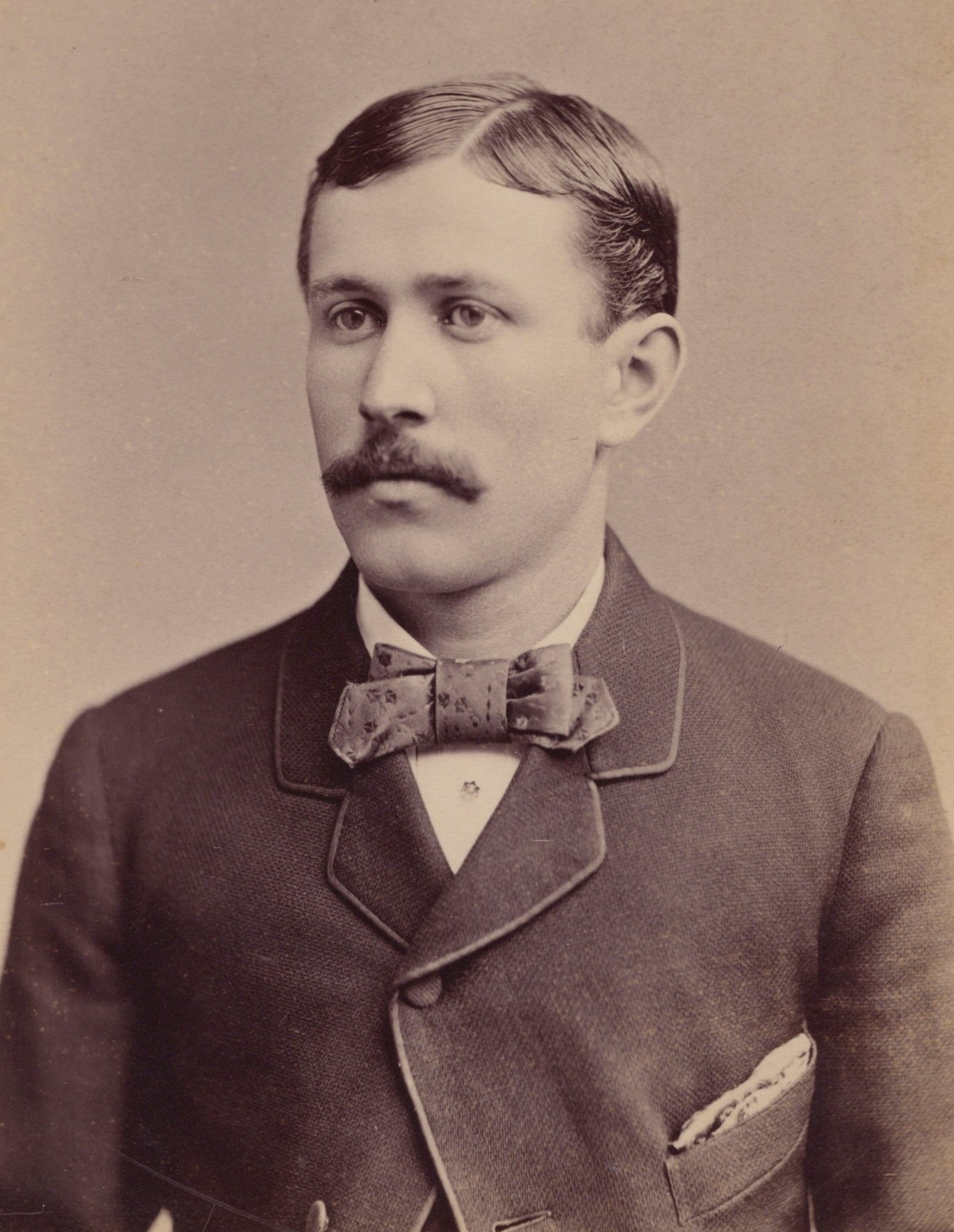
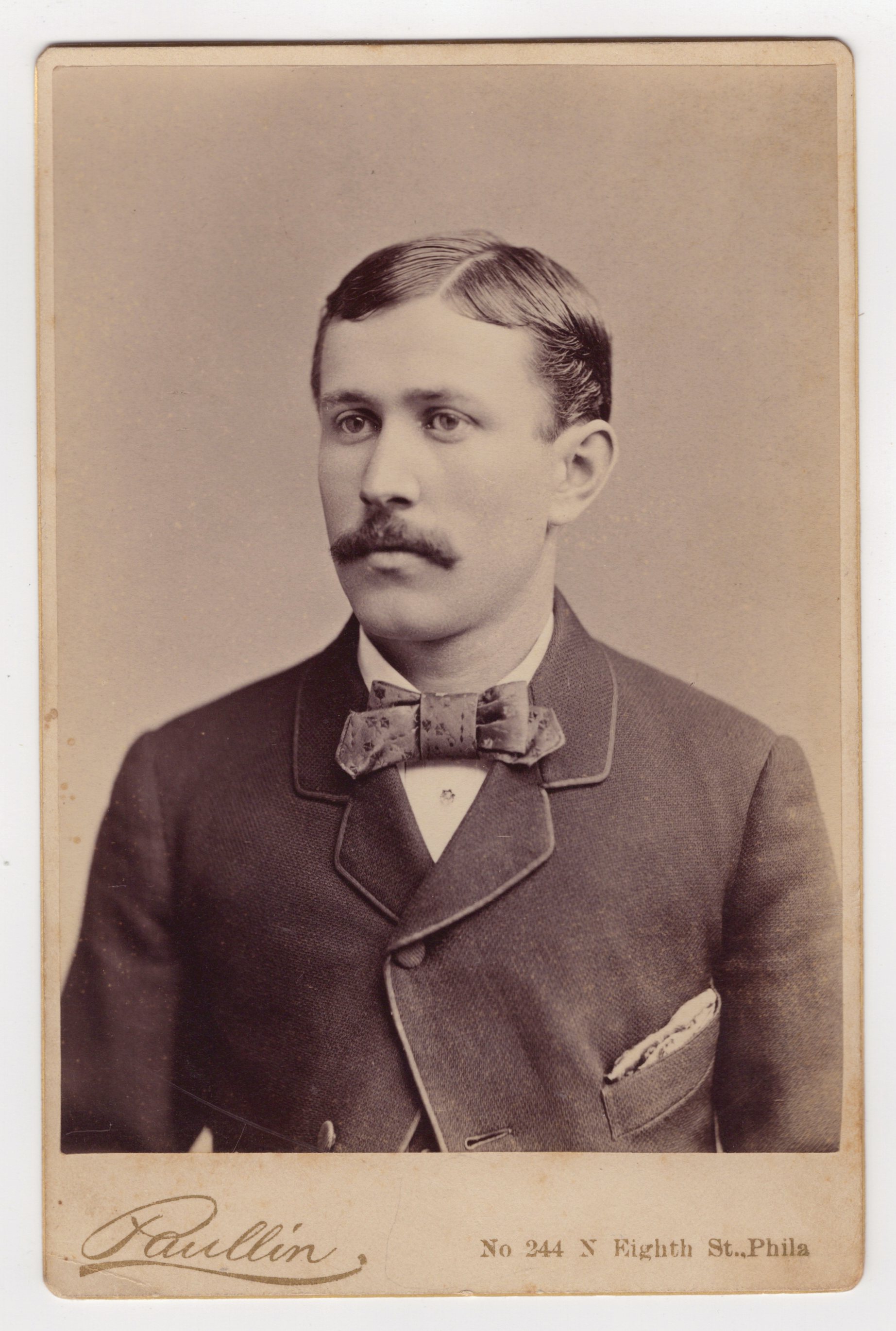
This cabinet card is a portrait of a well dressed gentleman sporting a bow tie. Cabinet card portraits of men with bow ties are not common place. The photographer is Paullin, of Philadelphia, Pennsylvania.  Further investigation is required, but this photographic studio may likely be the studio of William Paullin. W. F. Paullin (1812-1871) was an aeronaut who built his first balloon at the age of 21. He flew balloons in Philadelphia and other parts of the world including South America, Cuba, Haiti, Puerto Rico, and Mexico. During the civil war he was in the service of the balloon corps of the Army of the Potomac. His final ascension was under the command of General Joseph Hooker. After resigning from the Army, he became a photographer. This cabinet card was most likely produced after the death of Paullin. Perhaps a family member, or someone else continued the studio under the Paullin name. Further fact checking is needed.  This cabinet card portrait is in good condition (see scans).

Buy this Cabinet Card Photograph (includes shipping within the US) #6341

To purchase this item, click on the Pay with Paypal button below

$36.00

Buy this Vintage Original Cabinet Card (includes International shipping outside the US) #6341

To purchase this item, click on the Pay with Paypal button below

$46.00

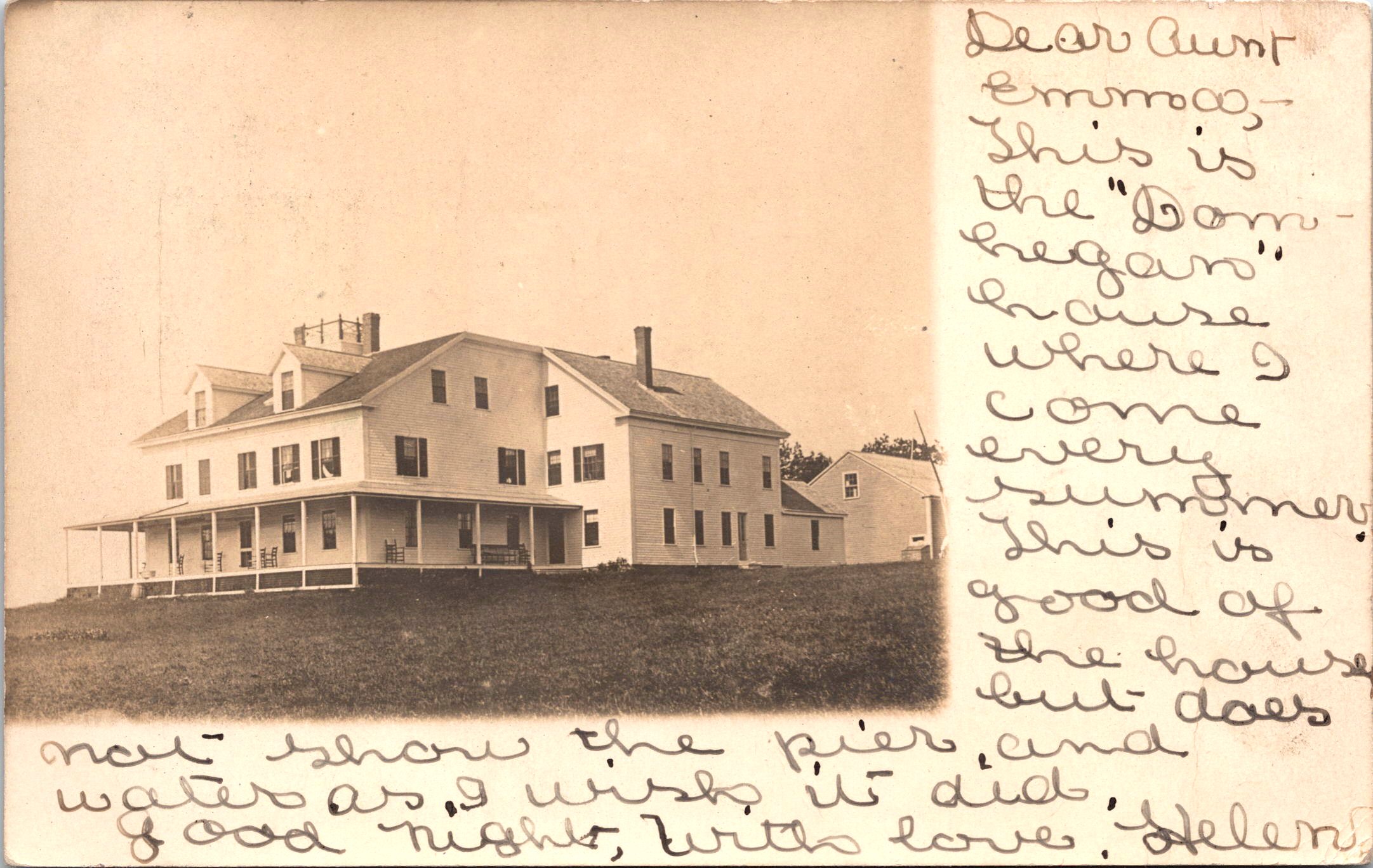
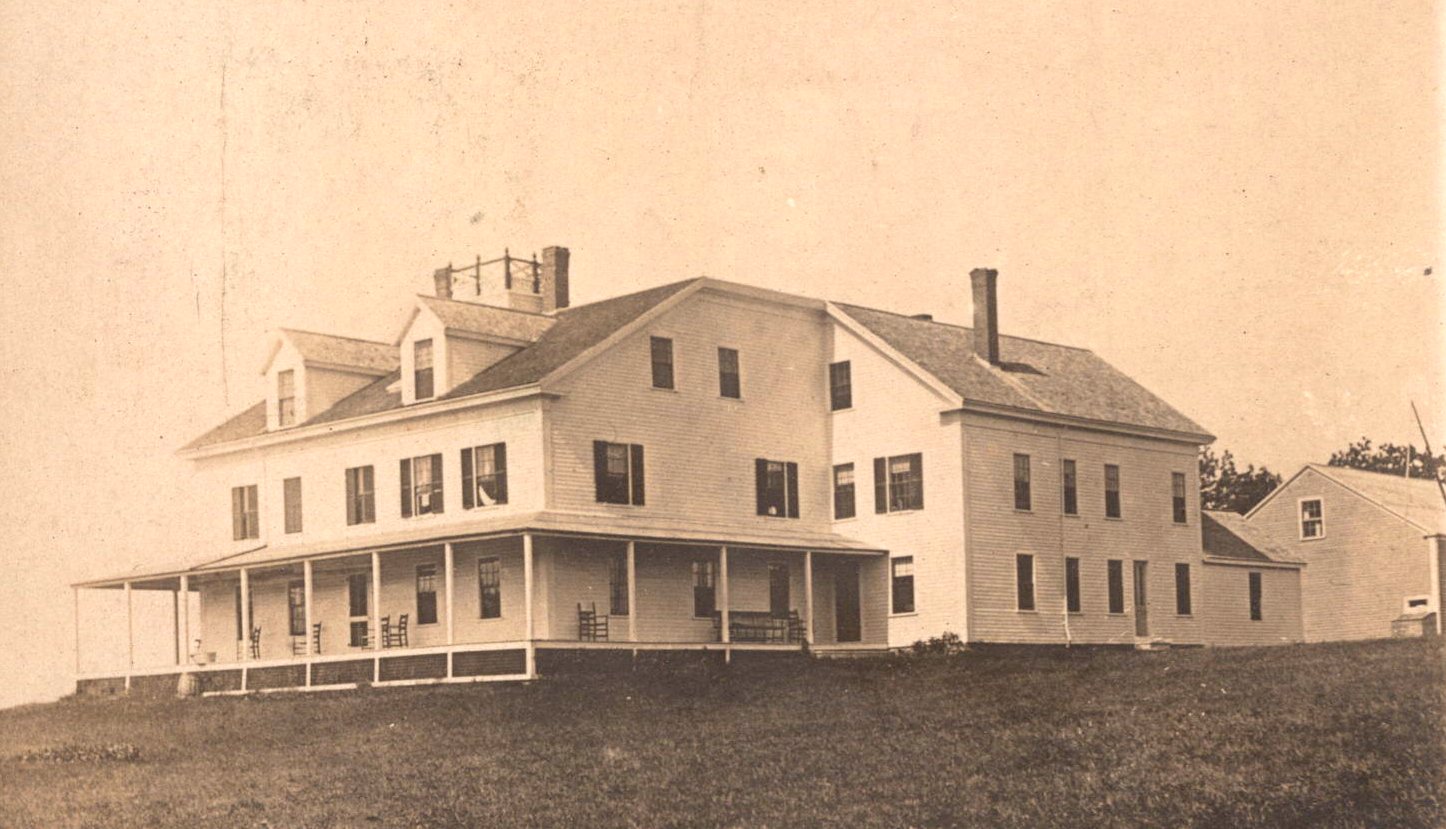
GEN. JOSHUA CHAMBERLAIN : CIVIL WAR : DOMHEGAN HOUSE : BRUNSWICK, MAINE : RPPC 1906

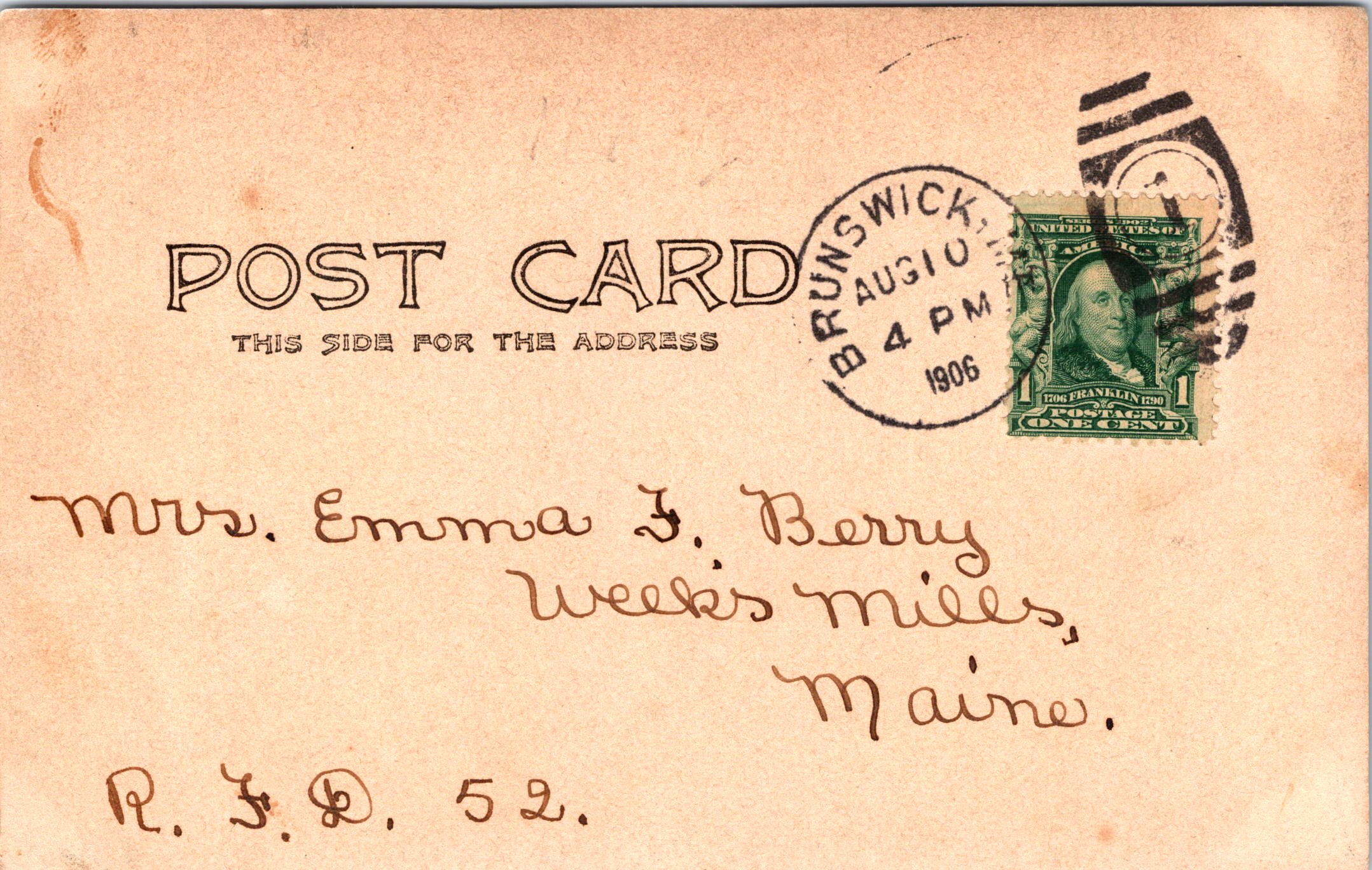
This vintage real photo postcard features a photograph of Domhegan, Joshua Lawrence Chamberlain’s (1828-1914) summer home.  Domhegan was located at Simpson’s Point, in Brunswick, Maine. The house was on Casco Bay and Chamberlain enjoyed sailing in the area. He paid one thousand dollars for the property which at the time was a shipyard. He used Domhegan as his summer house and as an artist colony. Chamberlain buried his war horse “Charlemagne” on the Domhegan property. He gave the horse a Christian funeral. Chamberlain was a college professor at Bowdoin college in Maine when the civil war broke out. He joined the Union Army and became a highly respected and decorated military officer. He was one of the major heroes of the battle of Gettysburg, when he led a desperate and surprise bayonet attack against Confederate forces. Chamberlain won the Medal of Honor for his bravery and leadership actions. He left the Army as a Brigadier General. After the war he served four terms as the Governor of Maine and then returned to Bowdoin College to serve as it’s President. He died in 1914 as a result of complications from one of his civil war wounds. Unfortunately, in 1940 Domhegan burned down to the ground. Helen, the writer of this postcard, tells her Aunt Emma, that she stays at Domhegan every summer. She praises the photograph of the house but points out that the property’s pier and water are not visible in the photo. This undivided back postcard was postmarked in 1906. Chamberlain was still alive during Helen’s visits. One wonders if she and her family had some familial or social connection to Chamberlain. SOLD

FAMOUS CIVIL WAR PHOTOGRAPHER CAPTURES TWO WOMEN MAKING A FASHION STATEMENT IN SNOWY PAINESVILLE, OHIO

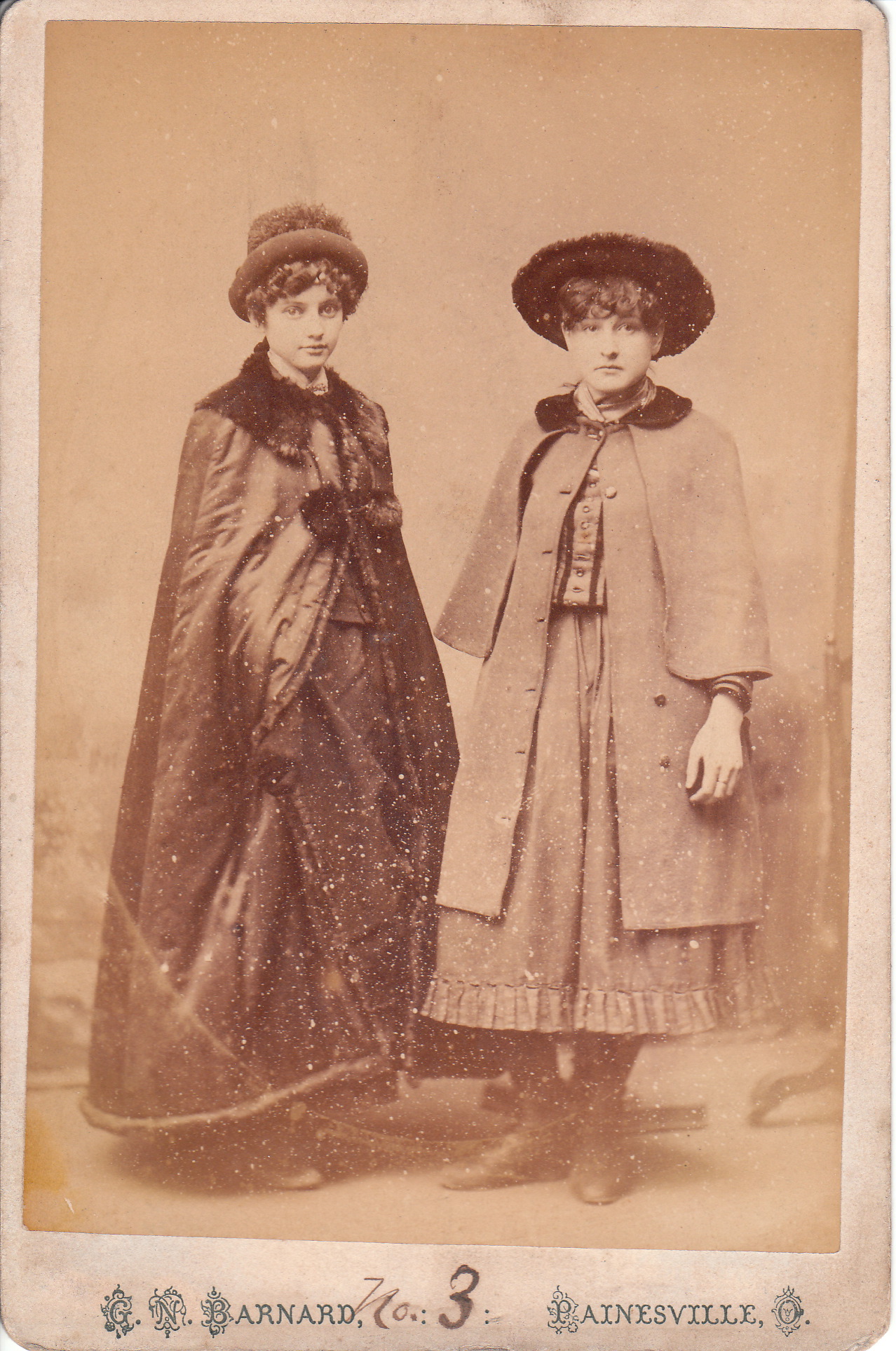
This cabinet card features two woman dressed in their winter cloaks and hats. They are in the studio of G. N. Barnard in Painesville, Ohio. The photograph has some special effects in the form of fake falling snow. The factor that makes this photograph most special, is the photographer’s life story. George N. Barnard (1819-1902), was a pioneer of nineteenth century photography. At age 23 he was producing daguerrotypes and four years later he opened his first studio in Oswego, New York. An 1853 grain elevator fire occurred in Oswego, and Barnard captured the fire with his camera. Some historians consider these photographs the first news photography in history. In 1854 he opened a short lived studio in Syracuse, New York. He then moved to New York City where he worked on stereoscopes for Edward Anthony’s Studio in 1859 .Soon, he was hired by Matthew Brady as a portrait photographer and Brady sent him to Washington D.C. to photograph Abraham Lincoln’s 1861 inauguration as President of the United States. He later became part of “Brady’s Photographic Corps” to photograph the Civil War. Barnard is best known  for his work in the civil war (1861-1865). He was the official army photographer for the Military Division of the Mississippi, commanded by Union General William T Sherman. Barnard’s book “Photographic Views of Sherman’s Campaign” is a photographic record of Sherman’s destructive Atlanta Campaign and subsequent March to the Sea. After the war, Barnard opened a studio in Chicago in 1869. The studio was destroyed in the “Great Fire” of 1871. He proceeded to take photographs of the rebuilding of Chicago over the next few years; providing a terrific record of that process. In 1884, Barnard opened his Painesville, Ohio studio; which brings us back to the cabinet card image of the two ladies in the snow.  (SOLD)

FLORENCE METTA YOUNG PONDERS IN MOUNT VERNON, OHIO

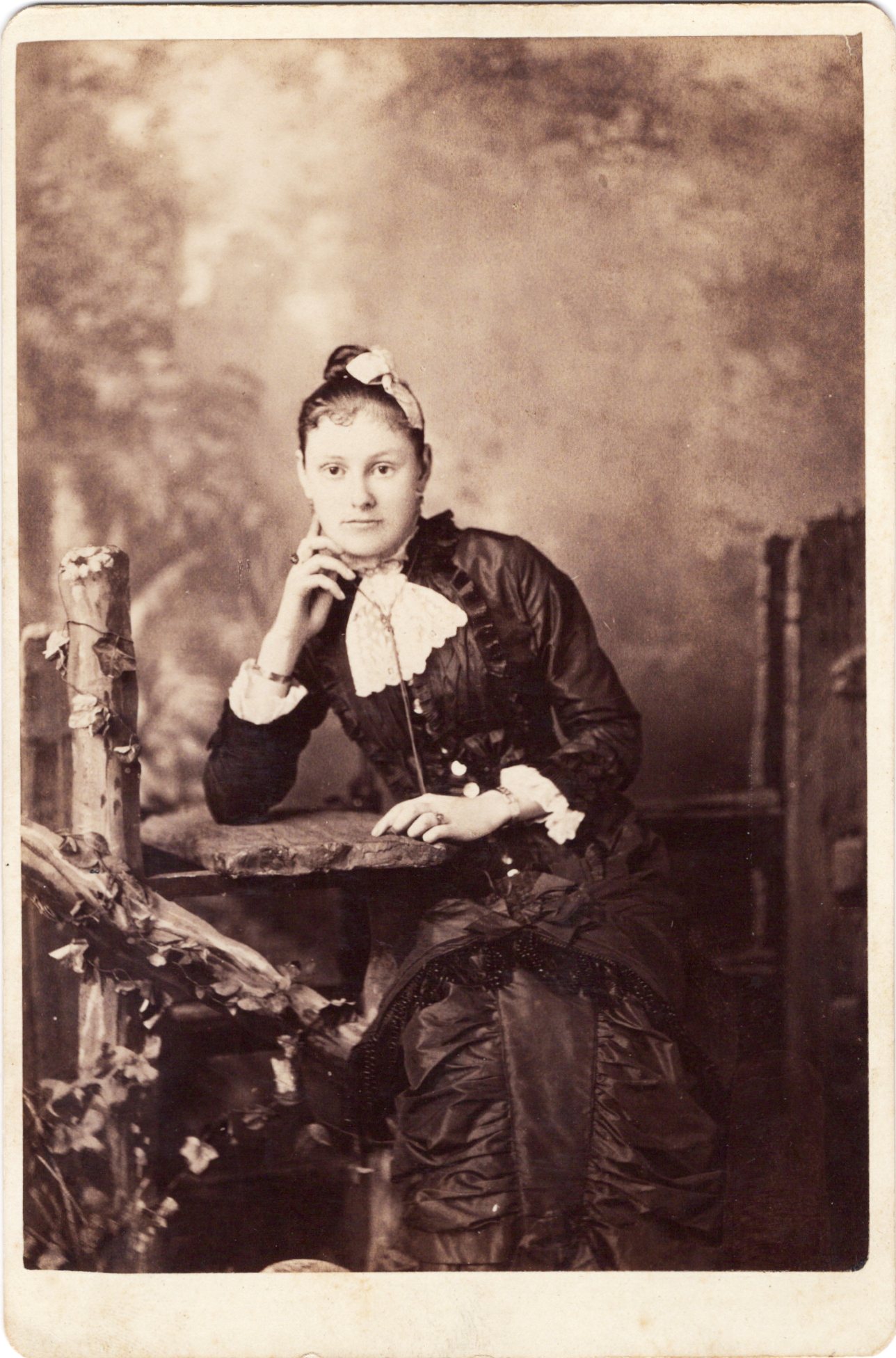
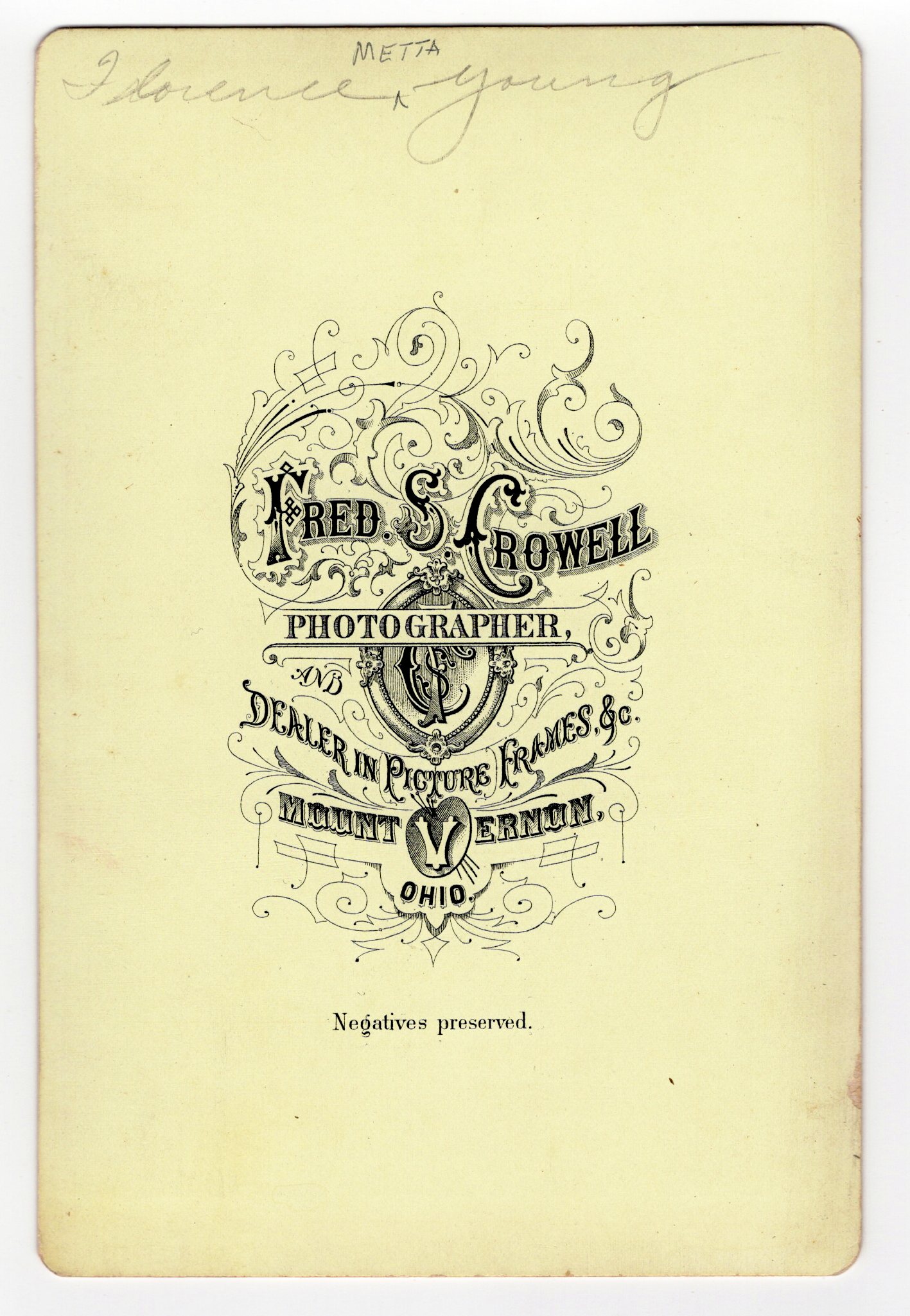
Florence Mette Young poses for her portrait at the studio of Fred S. Crowell, in Mount Vernon, Ohio. Florence is well dressed and apparently likes jewelry. She is wearing two rings, two bracelets and a necklace. Florence appears to be deep in thought. What might she be pondering about? The 1880 U.S. census reveals that she was born in 1862 and at the time of the census, she was living with her parents, Charles and Angelina Young. Her father was a farmer and her mother was a homemaker. The photographer of this cabinet card, Fred S. Crowell, can also be found in the 1880 census.He was born in 1844 and lived with his wife Ella, and their three children. Other research reveals that there was a Fred Crowell from the Mount Vernon area who enlisted in the 142nd Regiment of the Ohio Infantry during the Civil War.. He served only during 1864. Crowell trained as a photographer under Anna Payne, and worked in the profession in Norwalk, Sandusky, and Cleveland, Ohio. He then opened his own studio in Fredericktown in 1866. In 1869, he moved to Mount Vernon where he established another  photography studio that was in business until at least 1889. To view other photographs by Crowell, click on the category “Photographer: Crowell”. This cabinet card portrait is in good condition (see scans).

Buy this Cabinet Card (includes shipping within the US) #3799

To purchase this item, click on the Pay with PayPal button below

$28.00

Buy this Cabinet Card Photograph (includes International shipping outside the US) 3799

To purchase this item, click on the Pay with PayPal button below

$37.00

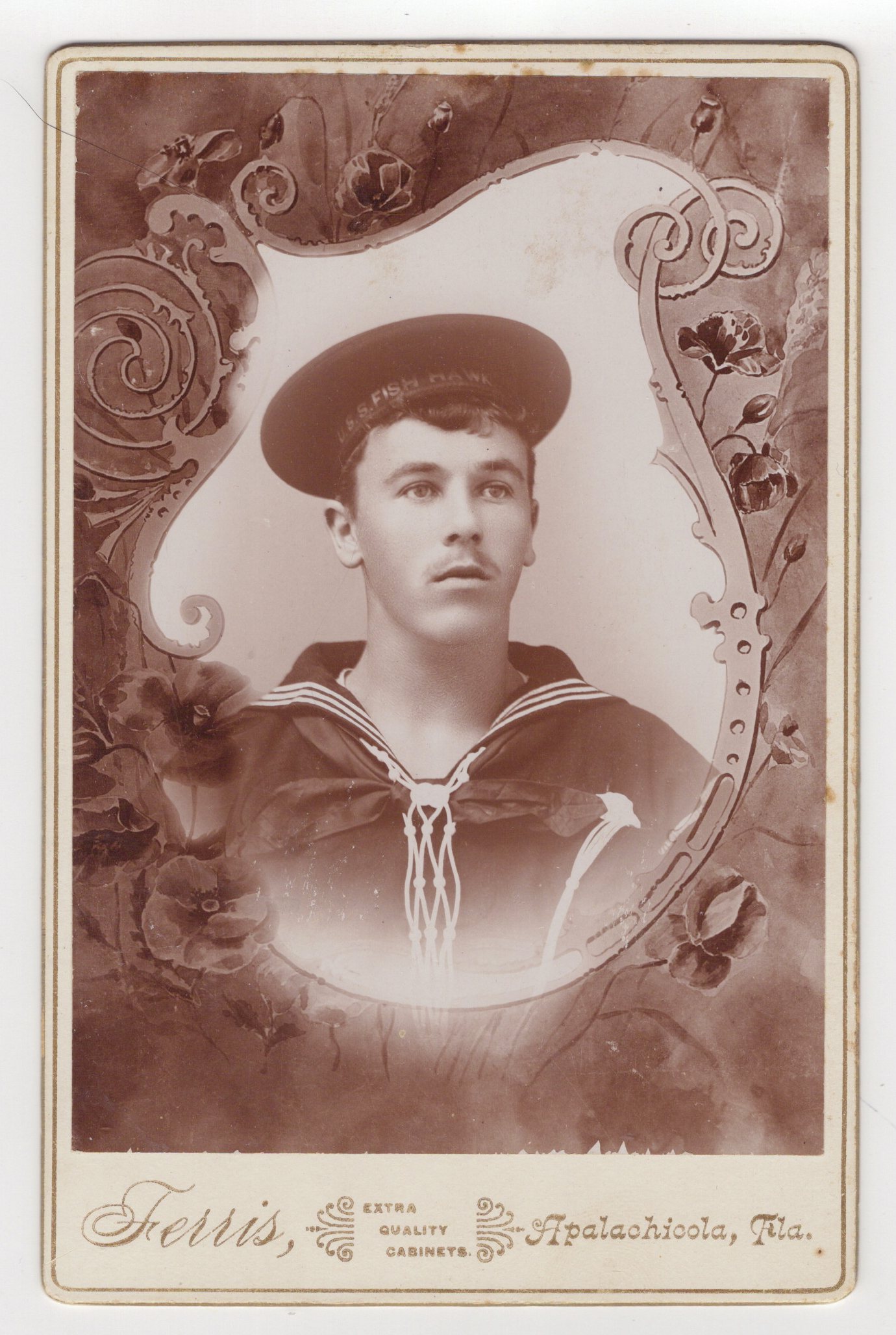
HANDSOME SAILOR : USS FISH HAWK : NAVY : APALACHICOLA, FLORIDA: CABINET CARD

This cabinet card portrait features a young and handsome naval sailor in uniform. His cap reveals that he was part of the crew of the USS Fish Hawk. The ship was launched in 1879. Originally, called the USFC Fish Hawk, the ship was a fisheries science research ship. It conducted research and ran a large fish hatchery on board. The ship was operated by the United States Commission of Fish and Fisheries. The Fish Hawk was the first large ship built by any country for the purpose of promoting fisheries. The ship operated during it’s 46 year career along the US eastern coast and in the Gulf of Mexico. However, the ship also served in the US Navy in 1898 during the Spanish-American War and from 1918 to 1919. The sailor seen in this cabinet card portrait was serving on the ship during the Spanish-American War. The sailor had his photograph taken a the Ferris studio in Apalachicola, Florida. The city of Apalachicola is located on the shore of Apalachicola Bay, an inlet of the Gulf of Mexico. The city was captured by the Union navy early in the Civil War. Before the late 19th century, Apalachicola was the third busiest port on the Gulf of Mexico. It was only behind New Orleans and Mobile. This cabinet card portrait is an interesting remnant of American naval history.  SOLD

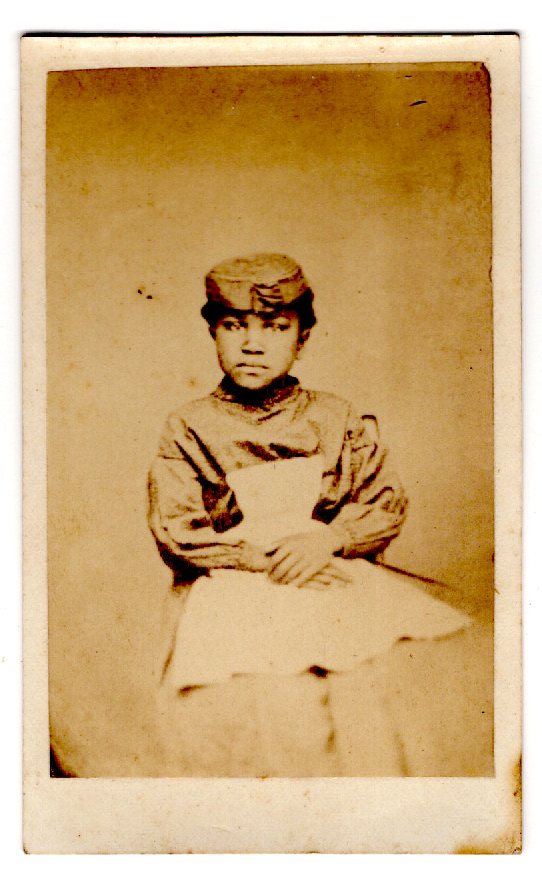
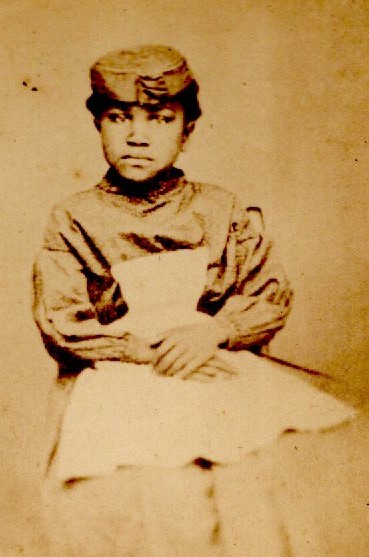
AFRICAN AMERICAN WOMAN : SLAVE OR FORMER SLAVE OR FREE WOMAN : CARTE DE VISITE

This carte de visite portrait features an African American woman. The woman is either a slave, former slave, or a free woman at the time of this photograph. The cdv image was taken sometime between the pre civil war period and shortly after the conclusion of the civil war. Her hat indicates that she is wearing her Sunday best but she is also wearing an apron. Was she “kitchen help”? This photograph is an excellent remnant of American and African American history. The image brings up thoughts about one of America’s most shameful periods in it’s history. (SOLD)

GENERAL HORACE PORTER, CIVIL WAR HERO, PRESIDENTIAL ADVISOR, AND DIPLOMAT

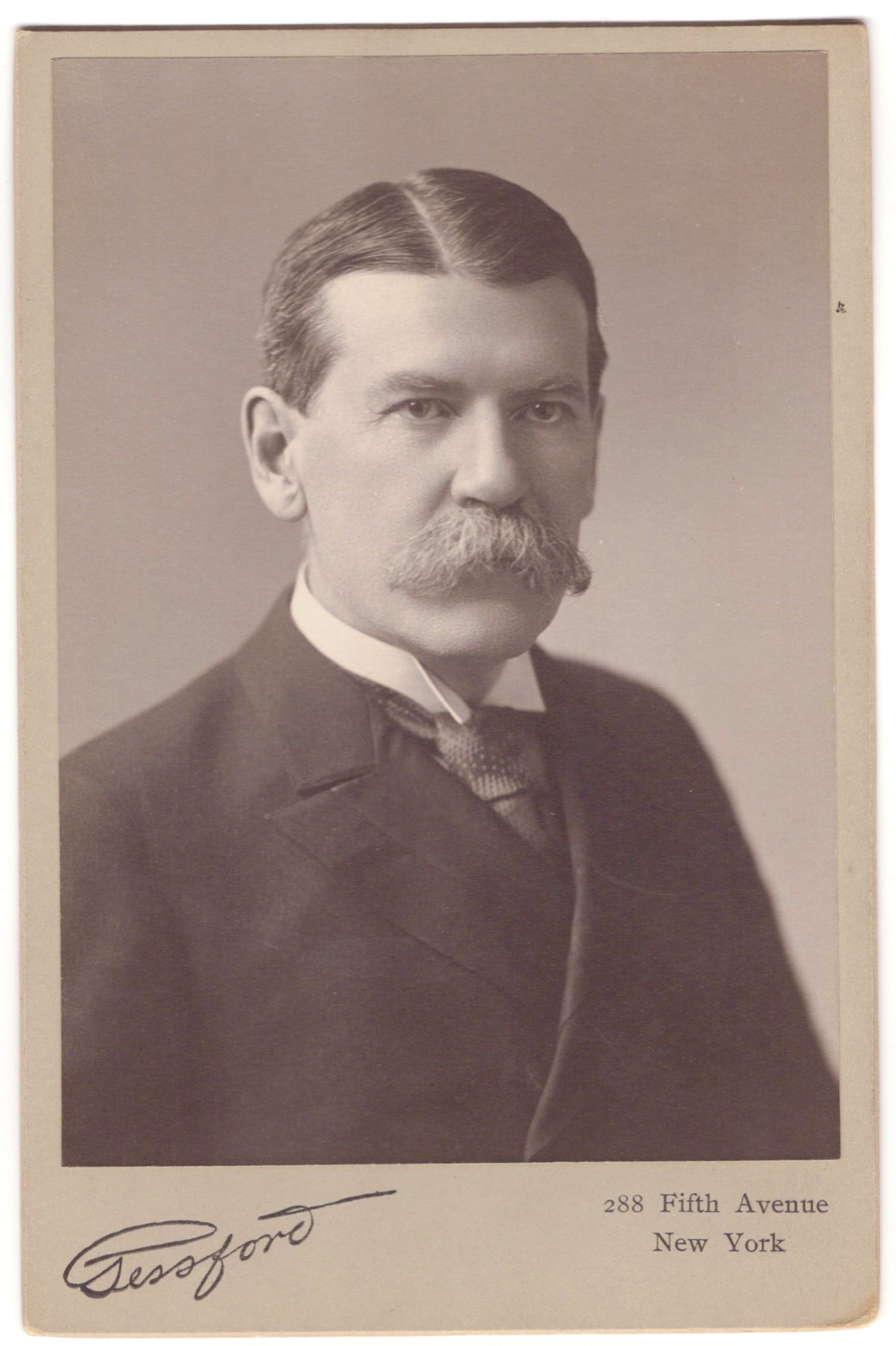
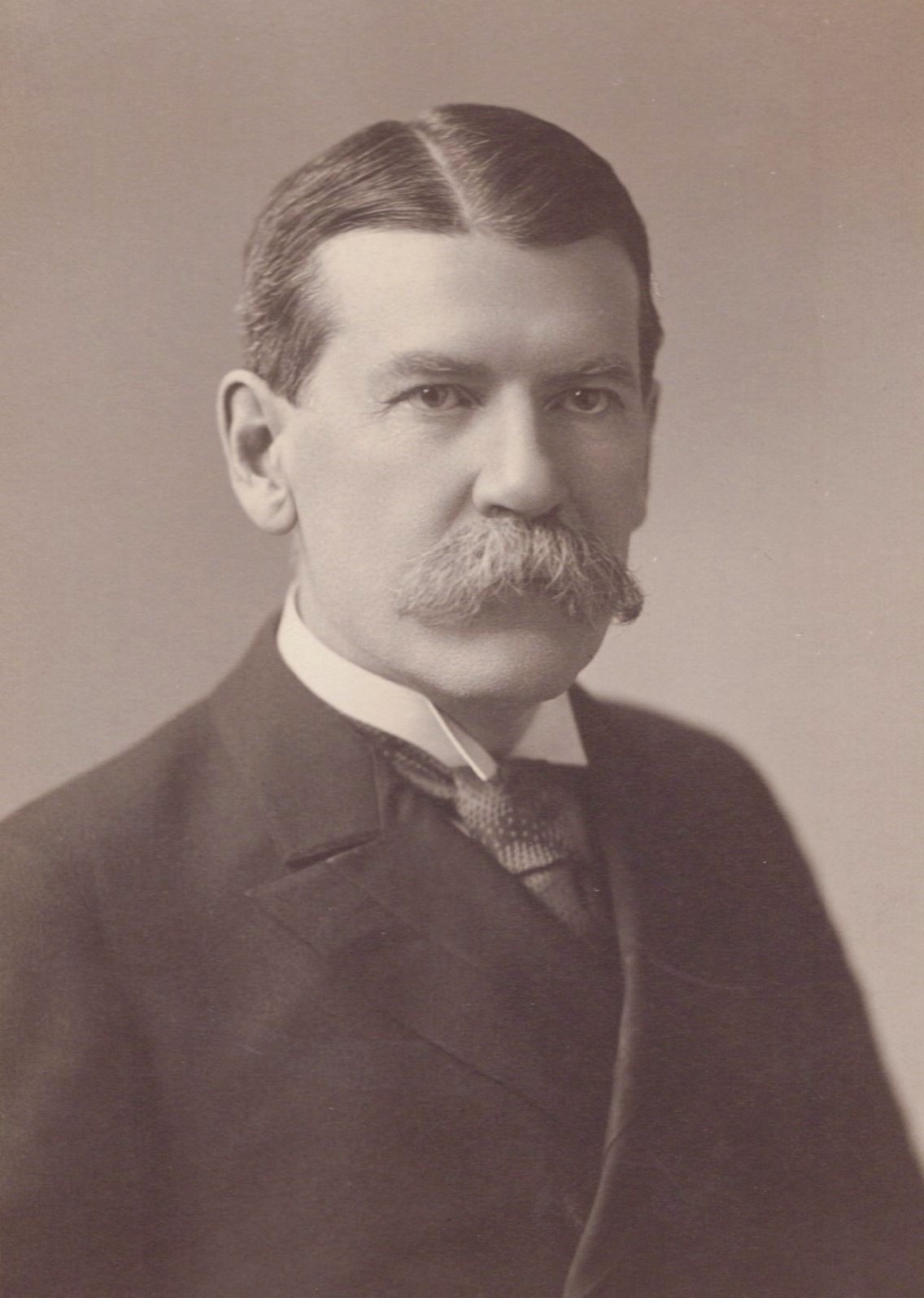
 The subject of the photograph is Horace Porter, who was quite an accomplished man who played an integral part in American history. Horace Porter (1837-1921) is most well known for his activities during the civil war. He served as a Lieutenant Colonel, Ordnance Officer, and Staff Officer in the Union Army. In 1866 he was appointed brevet Brigadier General in the U. S. Army. He was also personal secretary to General and President Ulysses S. Grant and to General William Sherman. Later, he was the Vice President of the Pullman Palace Car Company and the United States ambassador to France (1897-1905). Horace Porter was born in Huntingdon, Pennsylvania. He was the son of David R. Porter who who served as Pennsylvania’s Governor. His cousin, Andrew Porter was a Mexican-American War veteran and Union Army Brigadier General. Horace Porter was educated at Harvard University and graduated from West Point in 1860. He was distinguished in the Battle of Fort Pulaski (Georgia), Chickamauga, the Battle of the Wilderness, and New Market Heights. He received the Medal of Honor for his efforts at Chickamauga. He later wrote a memoir “Campaigning With Grant” (1897). The photographer of this cabinet card portrait is Joseph G. Gessford.  Gessford (1875-1925) operated a prominent New York City studio located at 288 Fifth Avenue. Gessford was best known as a photographer of celebrities and socialites during the first two decades of the twentieth century. He photographed Mark Twain in 1904, and when the author requested gratis copies of the portraits, Gessford famously replied, “I could no more afford to give you these pictures than you can afford to write books for free.” SOLD