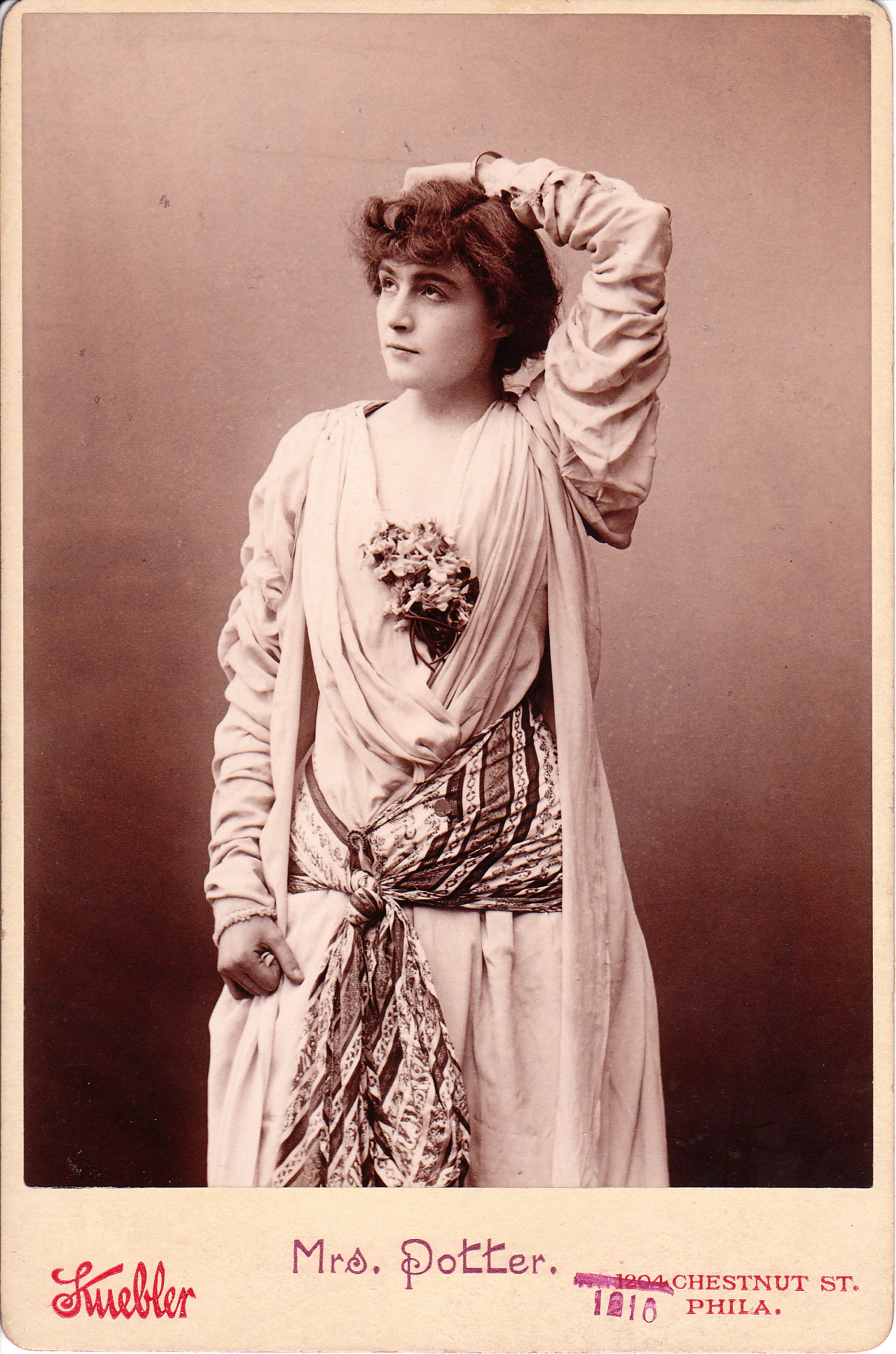
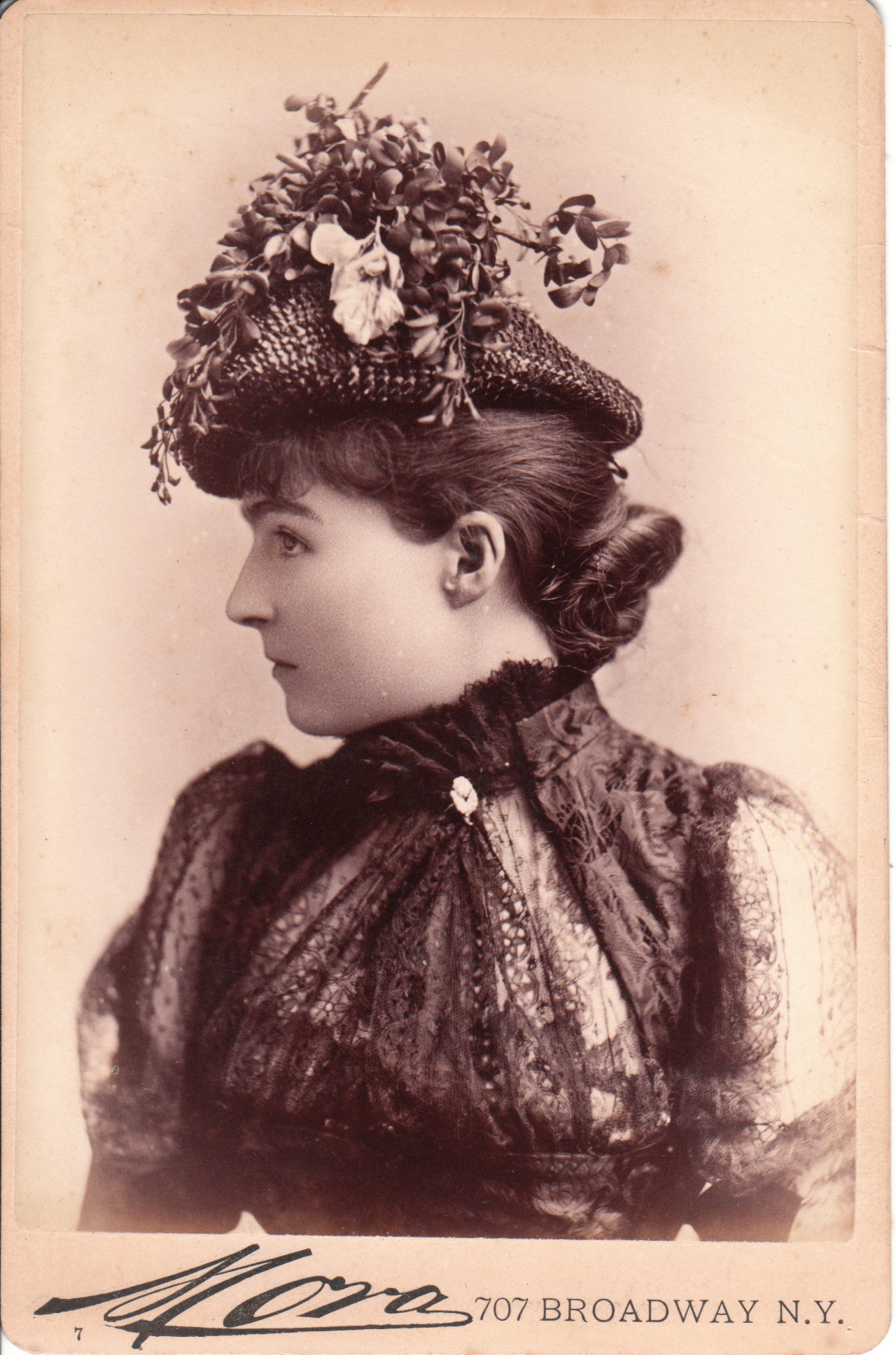
In writing about Mrs James Brown Potter, an author stated “She was singularly beautiful with her pale delicate chiseled face, long dark eyes, and hair like burnished bronze with copper lights”. Mrs Brown Potter (1859-1936) was born Mary Cora Urquhart, the daughter of a wealthy New Orleans Colonel. She was one of the first American society women to join the stage. In 1877 she married a very wealth New York socialite, James Brown Potter. That same year she made her stage debut at Theatre Royal in Brighton, England. Soon thereafter, she partnered with actor Kyrle Bellew and they frequently performed together over a ten year period. She performed in the United States and in Europe. She retired from the stage in 1912. She was active in raising money for war charities during the Second Boer War. Mrs Brown Potter was considered a competent actress, but not an outstanding performer.
In the Cabinet Card 1 photograph, Mrs. Potter looks very beautiful as she peers through a curtained doorway. Her gown was likely made by the best dress makers of the time and was assuredly very expensive. Falk, the photographer of this cabinet card, was a famous celebrity photographer in New York City. To see other photographs by Falk, click on the category “Photographer: Falk”. (SOLD)
The Cabinet Card 2 photograph of Cora Potter was photographed by Kuebler of Philadelphia, Pennsylvania. She appears to be in costume and is clearly a beautiful woman with fetching eyes. To view other photographs by and to learn more about Kuebler, click on the category “Photographer: Kuebler”.
The Cabinet Card 3 photograph of Mrs Potter was produced by Jose Maria Mora, a celebrity photographer based in New York City. The image was part of a series (#7). To view other photographs by this photographer, click on the category “Photographer: Mora”. Mrs Potter looks quite elegant in this cabinet card portrait. Her hat can best be described as “floral”. The photograph is stamped on the reverse with the name of the gallery that originally sold it (“John Hoch Art Store, 118 Court Street, Boston”). Hoch’s obituary appears in the Bulletin of Photography and the article reports that he was the first among Boston’s photographers to sell photographs of celebrities. He had been engaged in the photography and picture frame business in Boston for more than fifty years. The obituary mentions that he was of German heritage and was 84 years old at the time of his death. His cause of death was cerebral hemorrhage.
This vintage real photo postcard features French opera singer, Suzanne Balguerie (1888-1973). She is considered one of the best sopranos performing between the two World Wars. She studied singing at the Conservatoire de Paris. Her debut was at the Opera-Comique in 1921. She received rave reviews. She made a career at the Opera-Comique. When the Nazis occupied France during World War II, there was little opportunity for her to work and she became impoverished. She retired in 1950 and in 1953 she became a professor at the Conservatories in Grenoble and Geneva. For an unknown reason, she did not pursue an international opera career. Mlle Balquerie’s photo portrait seen on this postcard was taken by esteemed photographer, Henri Manuel. The card was published by Alfred Noyer (Paris, France). (SOLD)
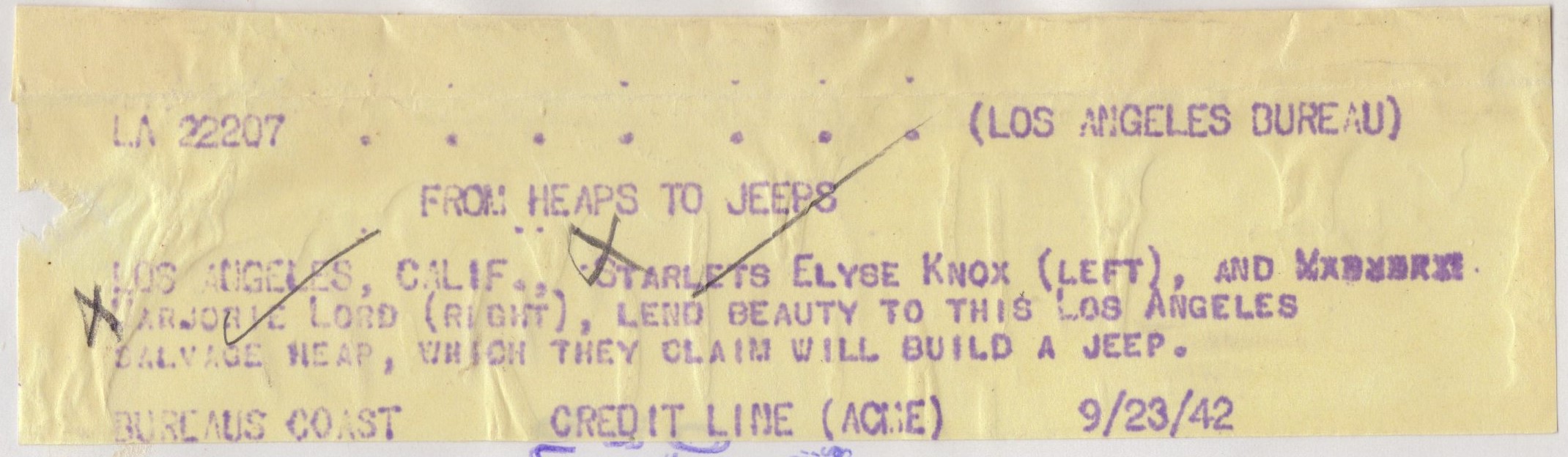
This vintage press photo features two Hollywood starlets and a cocker spaniel posing at a Los Angeles junk yard in support of the war effort (World War II). They are sitting on a junked car. A sign in front of them states “A Salvage Heap Will Build A Jeep” and is a reminder to the public that they need to recycle and not waste items and materials that could be useful in fighting the war. The actresses appearing in this photograph are Elyse Knox and Marjorie Lord. The caption on the reverse of this photograph comments that the starlets beautify the salvage heap. Elyse Knox (1917-2012) was an American actress, model and fashion designer. She is known for appearing in “The Mummy’s Tomb” (1942) and the war morale booster film, “Follow The Boys” (1944). Knox was also a popular pin-up girl during the war. She retired in 1949 after acting in 39 films. Marjorie Lord (1918-2015) was an American television and film actress. She played opposite Danny Thomas in the TV series “The Danny Thomas Show”. Her first appearance on Broadway was at age 15 and in total, she was on the Broadway stage four times. The IMDb gives her 79 acting credits. The stamp on the reverse of this photograph indicates that the photo was taken for Acme Newspictures Inc. (Los Angeles Bureau). SOLD
This vintage real photo postcard features French actress Veronique Zuber (1936-). Her beauty was recognized when she was selected Miss Paris (1954) and Miss France (1955). She became a movie actress, but her career was short lived. She dropped her career when she married French fashion designer, Ted Lapidus. She later divorced Lapidus and married Prince Georges de Bibikoff. The IMDB lists six films in her filmography. The movies were produced between 1956 and 1959. This postcard was edited by P. I. Kores as part of a series (No. 861). Miss Zuber’s photograph was taken by the Vauclair and Bernard Studio. SOLD
This cabinet card was photographed by George Rockwood (1882-1911) whose studio was located at 17 Union Square West in New York City. The reverse of the card identifies the subject of this portrait as Maud Harrison (c1856-1907). I have verified that this is indeed Maud Harrison. The corseted Miss Harrison is attractive and wearing a hat, a flower in her hair, and a cross. She is also wearing what appears to be wrist bands. The purpose of these bands beyond fashion, is unknown. Maud Harrison began her career at the Madison Square Theater. The IBDb reports that she appeared in five Broadway plays between 1877 and 1900. These productions include “Pink Dominos” (1877), “French Flats” (1880), and “Naughty Anthony” (1900).The New York Times reports Harrison’s death in 1907. She was found unconscious by a maid in her New York City hotel room. She died shortly after being discovered. Her cause of death was determined to be “Paralytic Stroke”. She had stopped acting in 1902 to care for her sick mother. She was in New York attempting to find a theatrical role to restart her career. For some reason, the Times reports that Miss Harrison was a Christian Scientist. This cabinet card’s photographer, George Rockwood was born in Troy, New York. He graduated from college with a PhD; reportedly either from the University of Chicago, or Columbia University. At 21 years of age, he was a newspaper reporter for the Troy Daily Times and at age 23, he was managing editor of the Troy Daily Post. He began working as a photographer in St. Louis and in 1857 opened a studio with his brother Elihu in New York City. He is credited for bringing CDV’s to America. His obituary in the Washington Post reports that Rockwood photographed more than 350,00 people. This cabinet card has foxing above Miss Harrison’s bust. SOLD
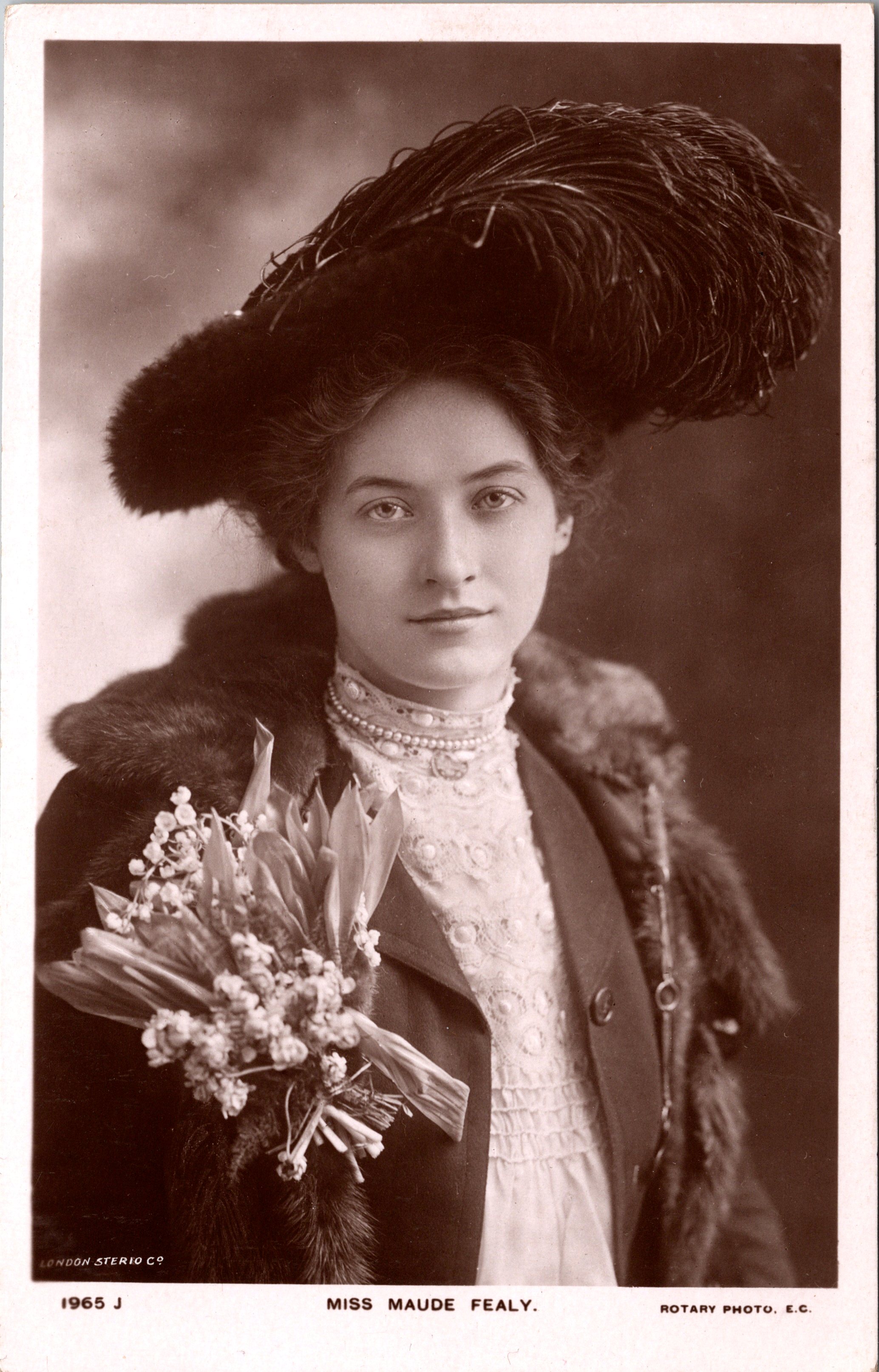
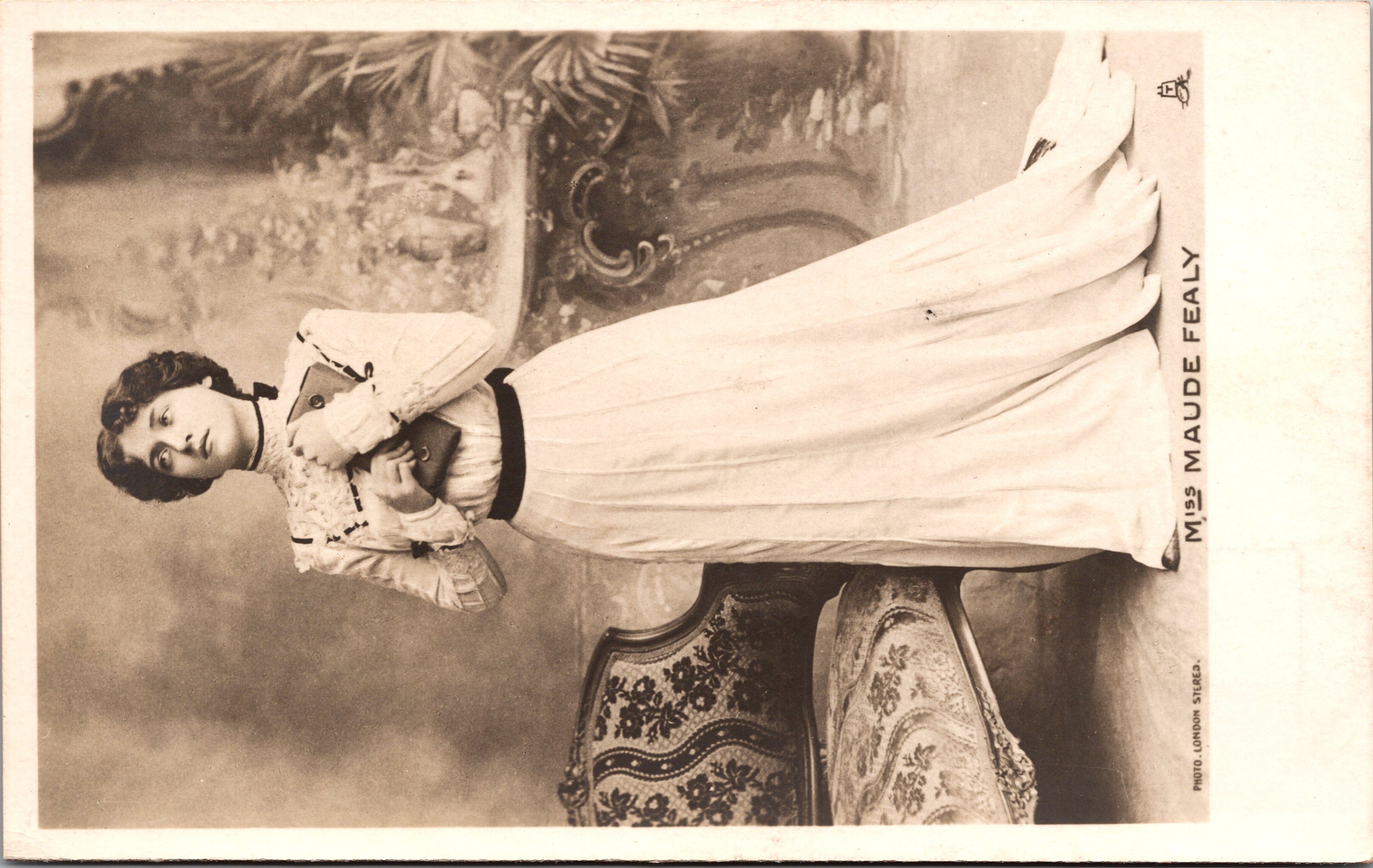
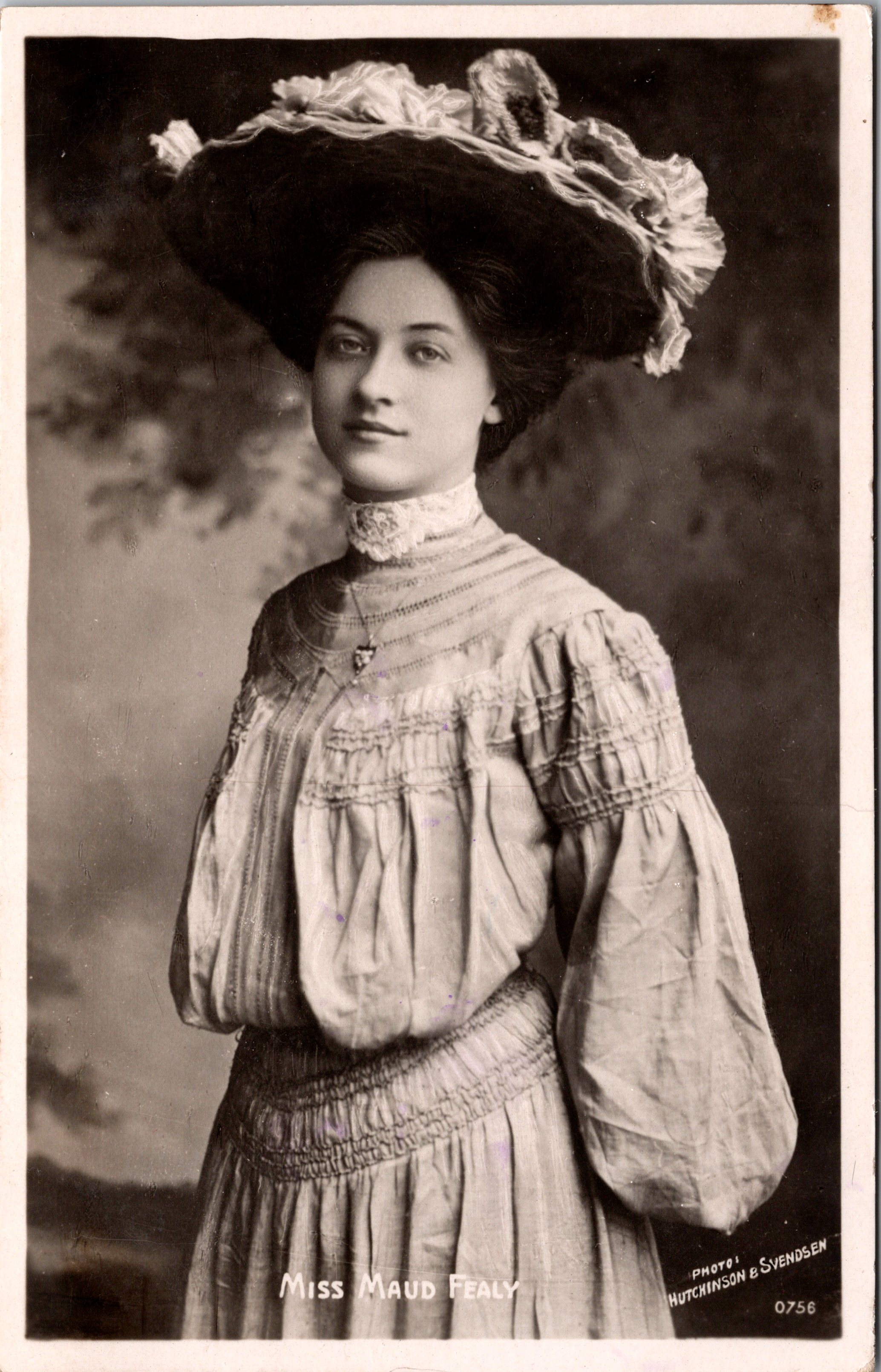
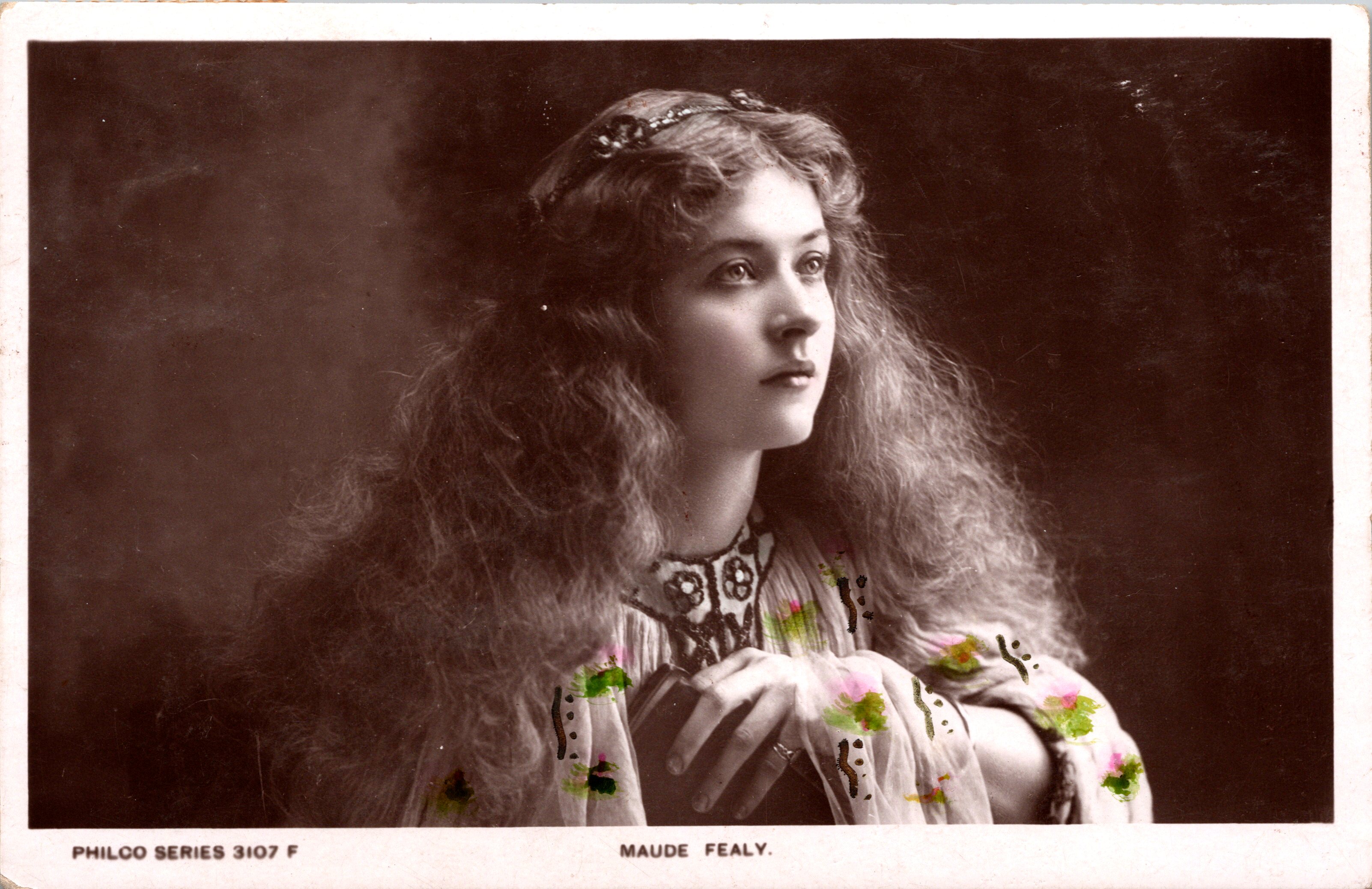
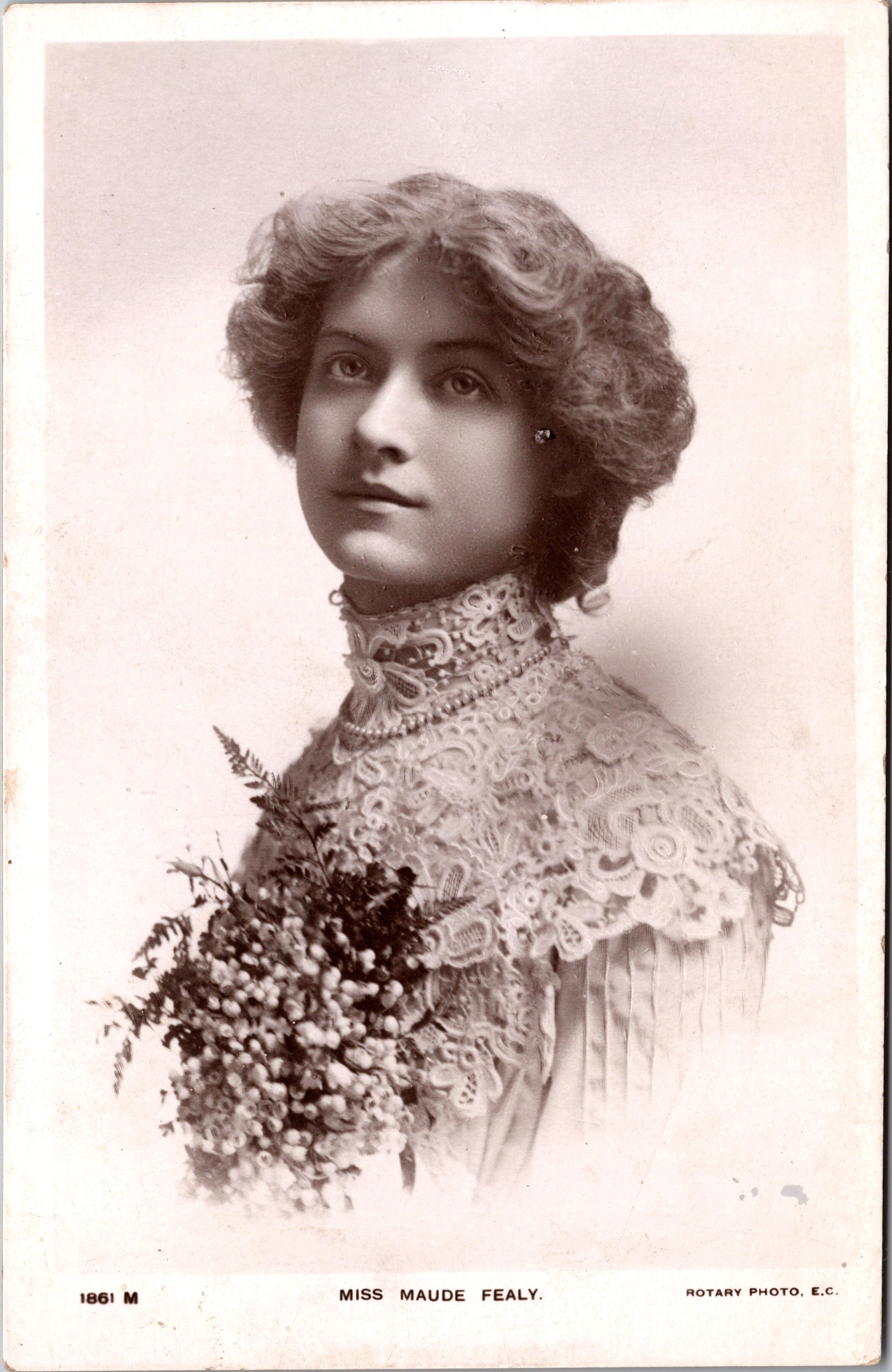
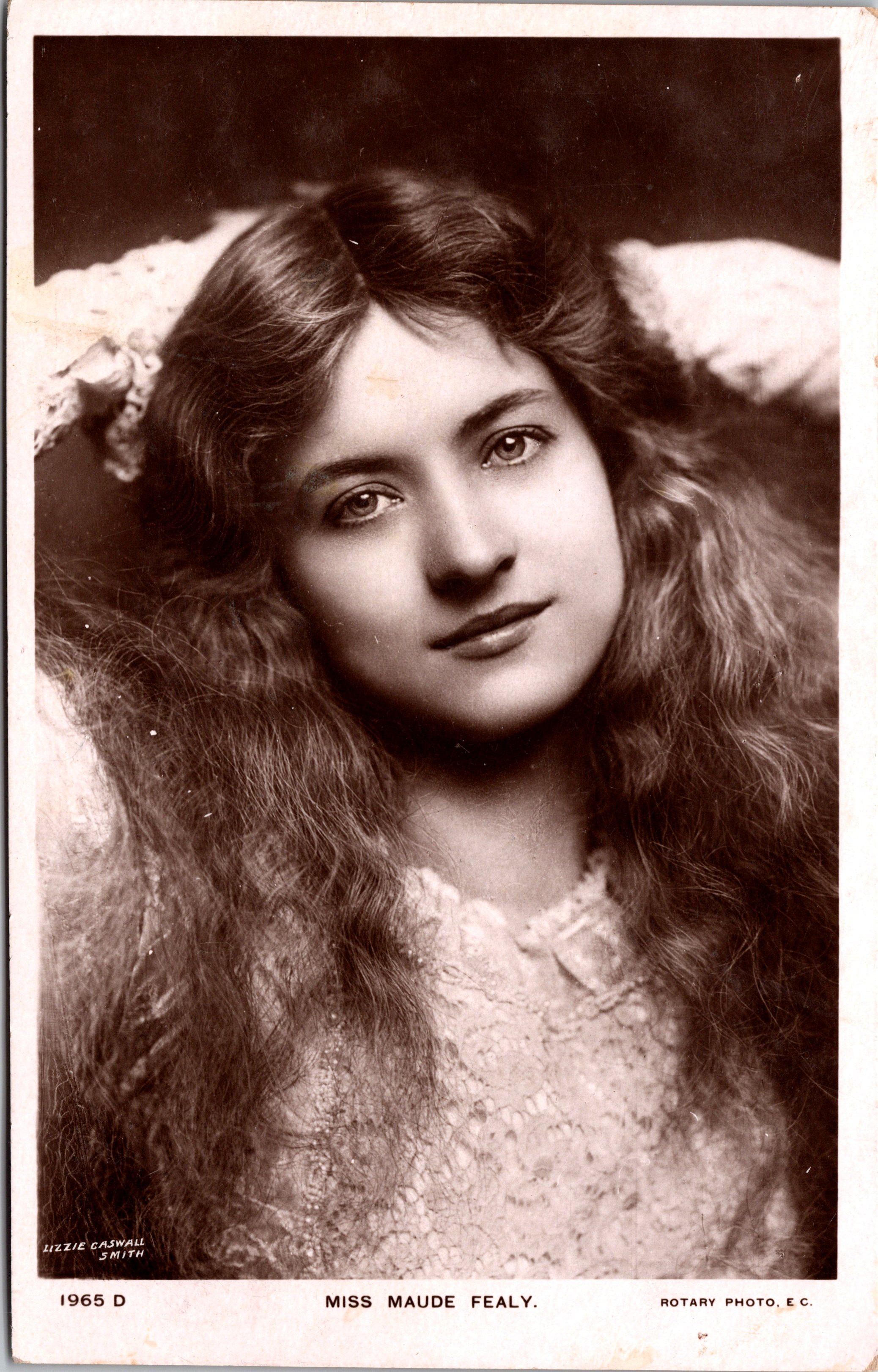
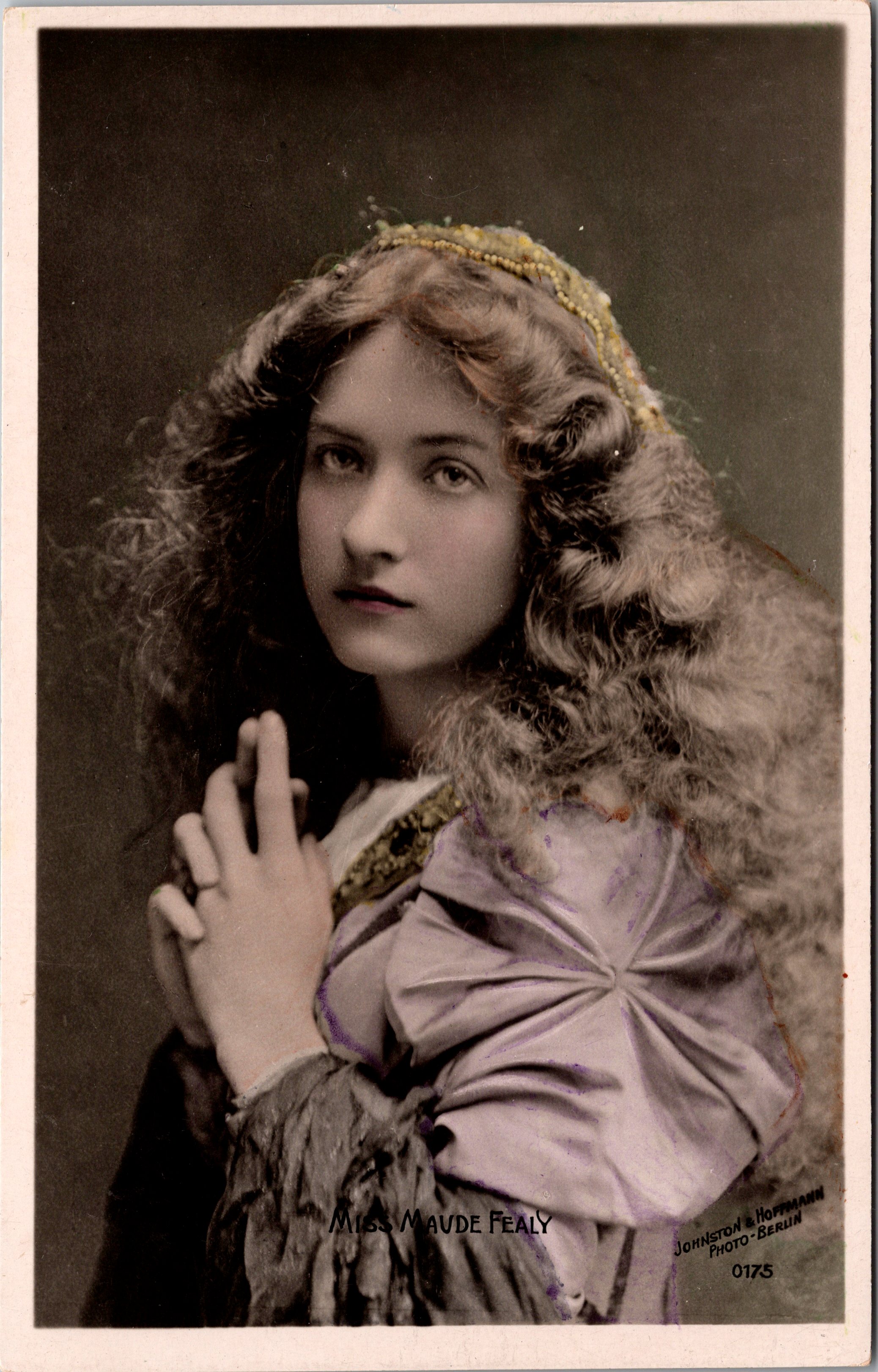
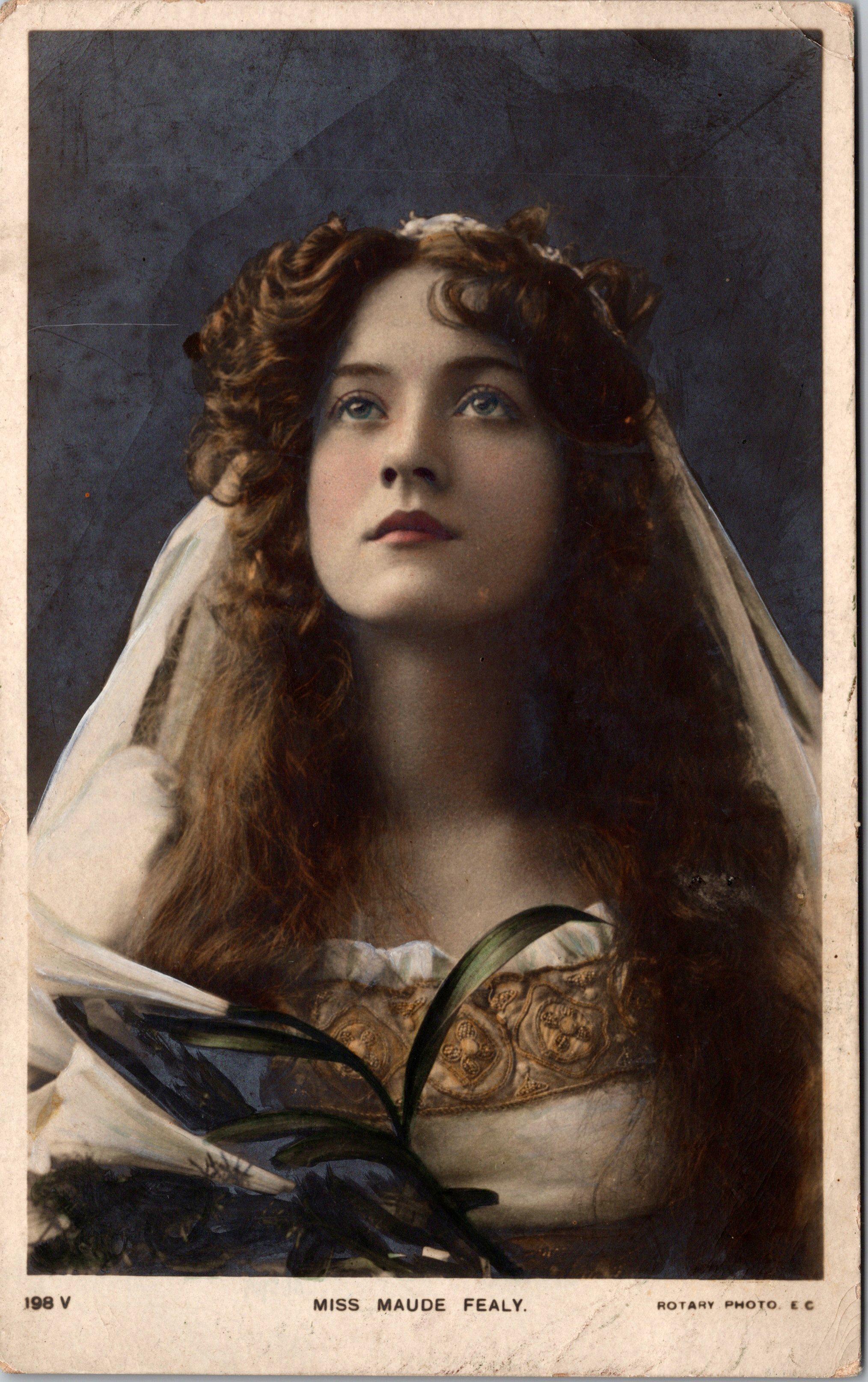
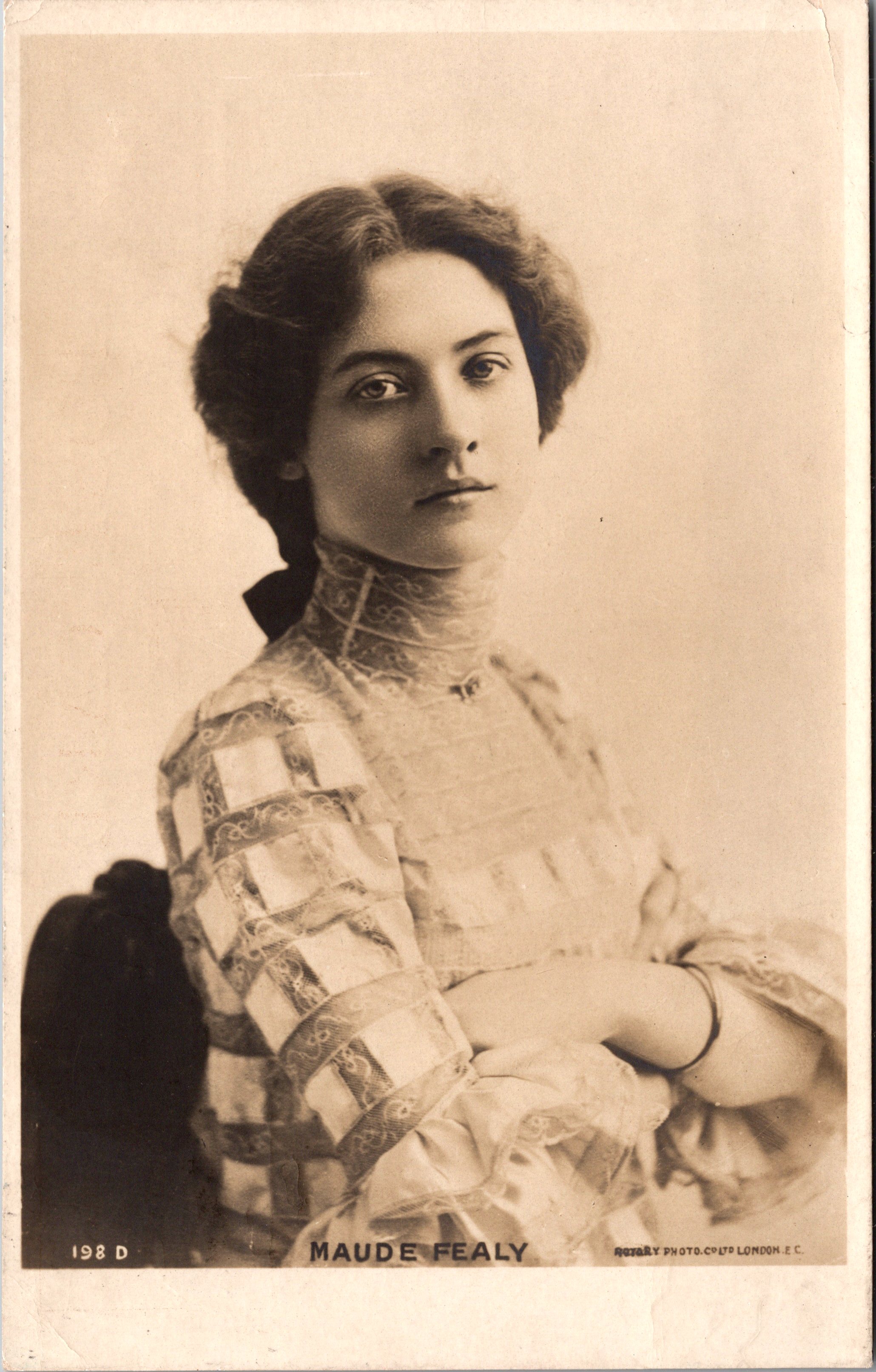
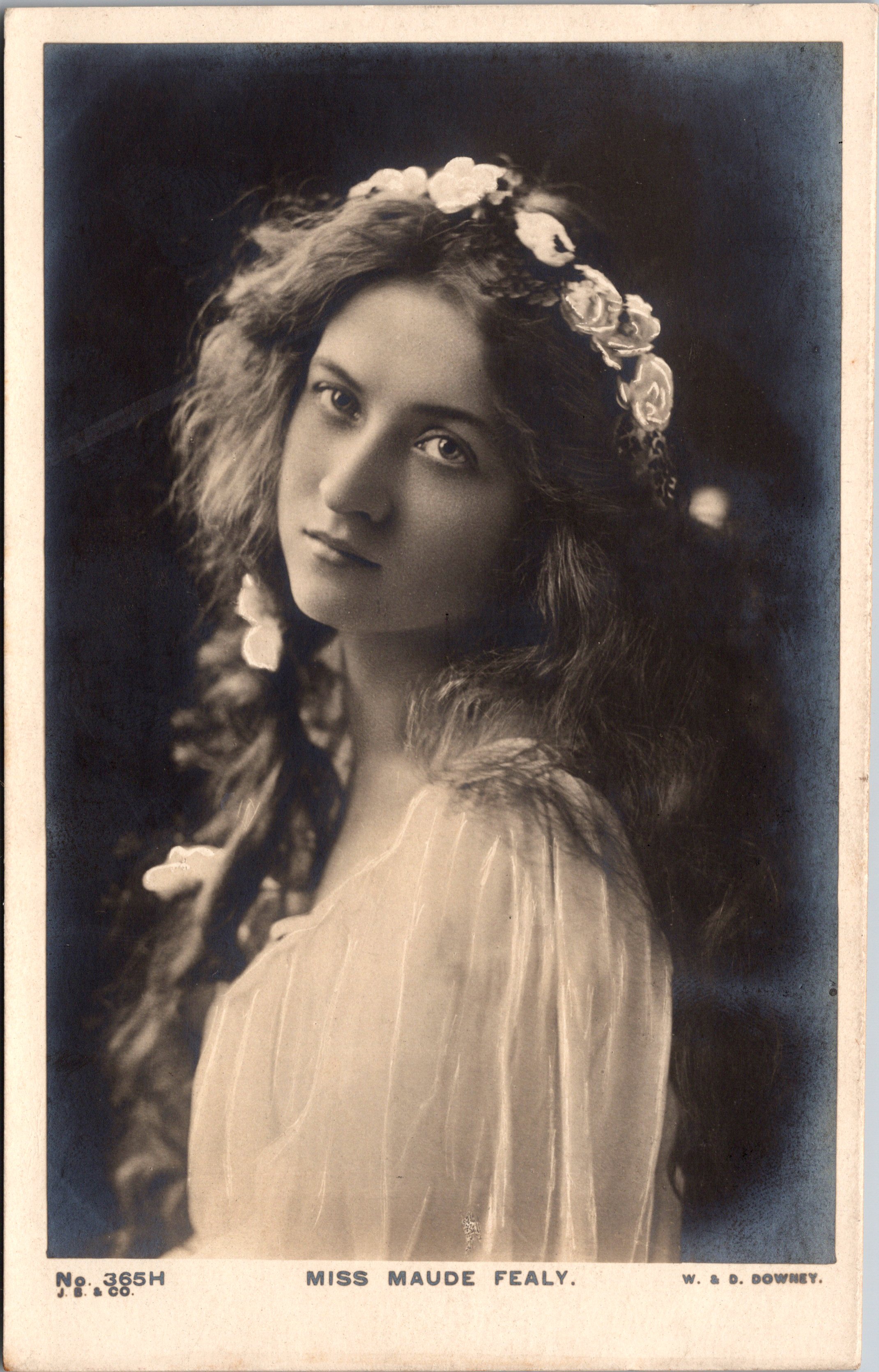
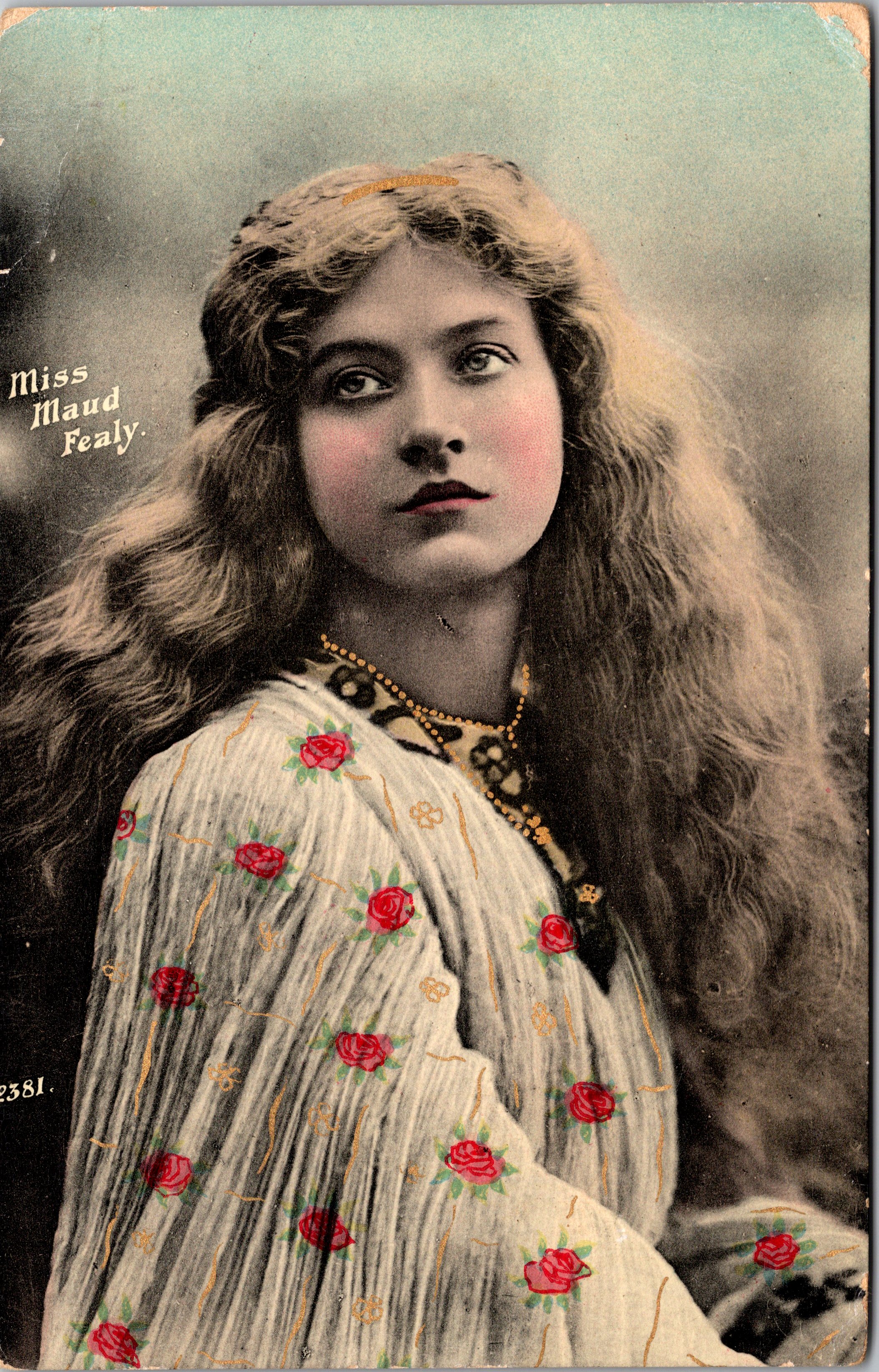
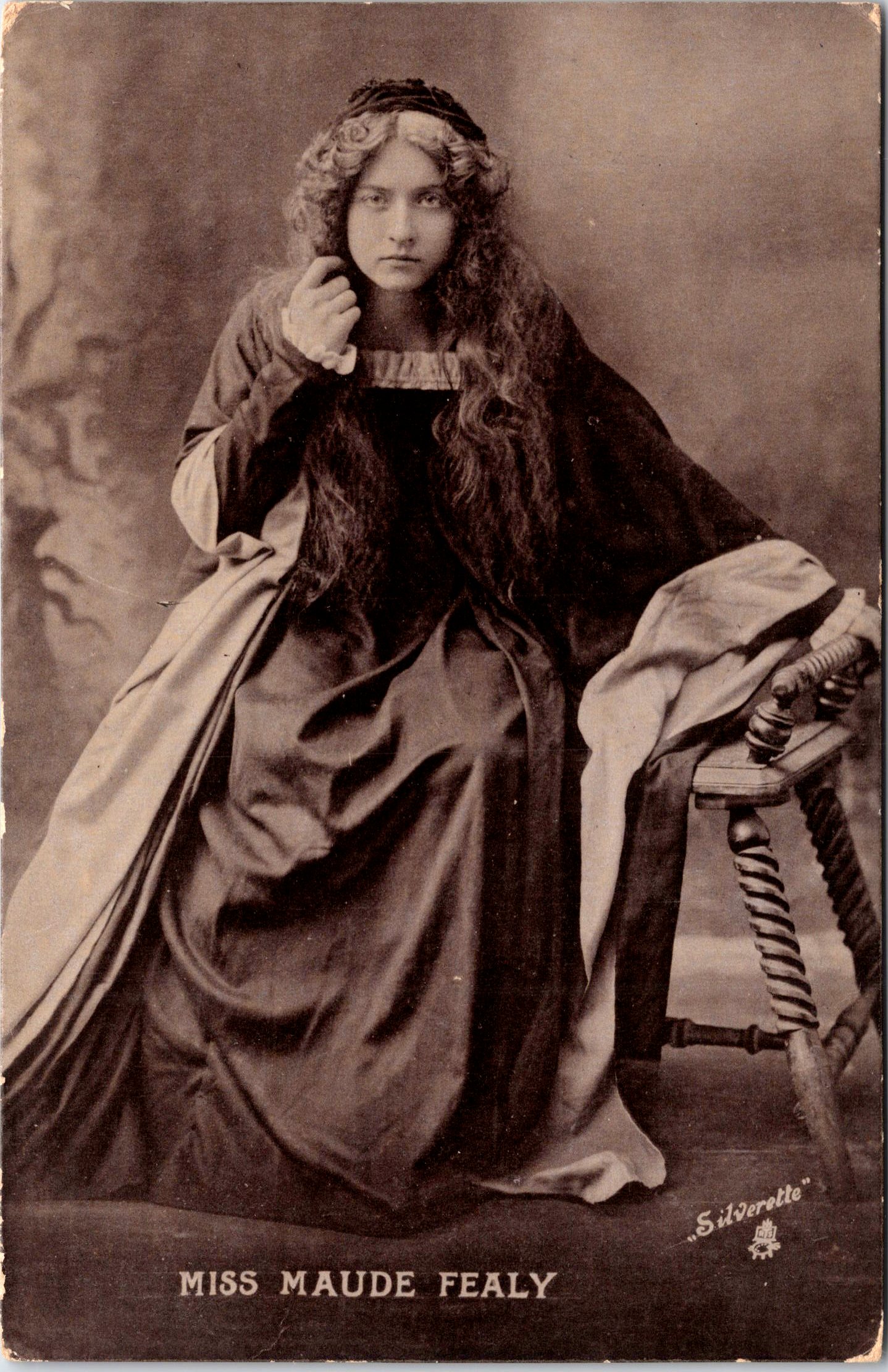
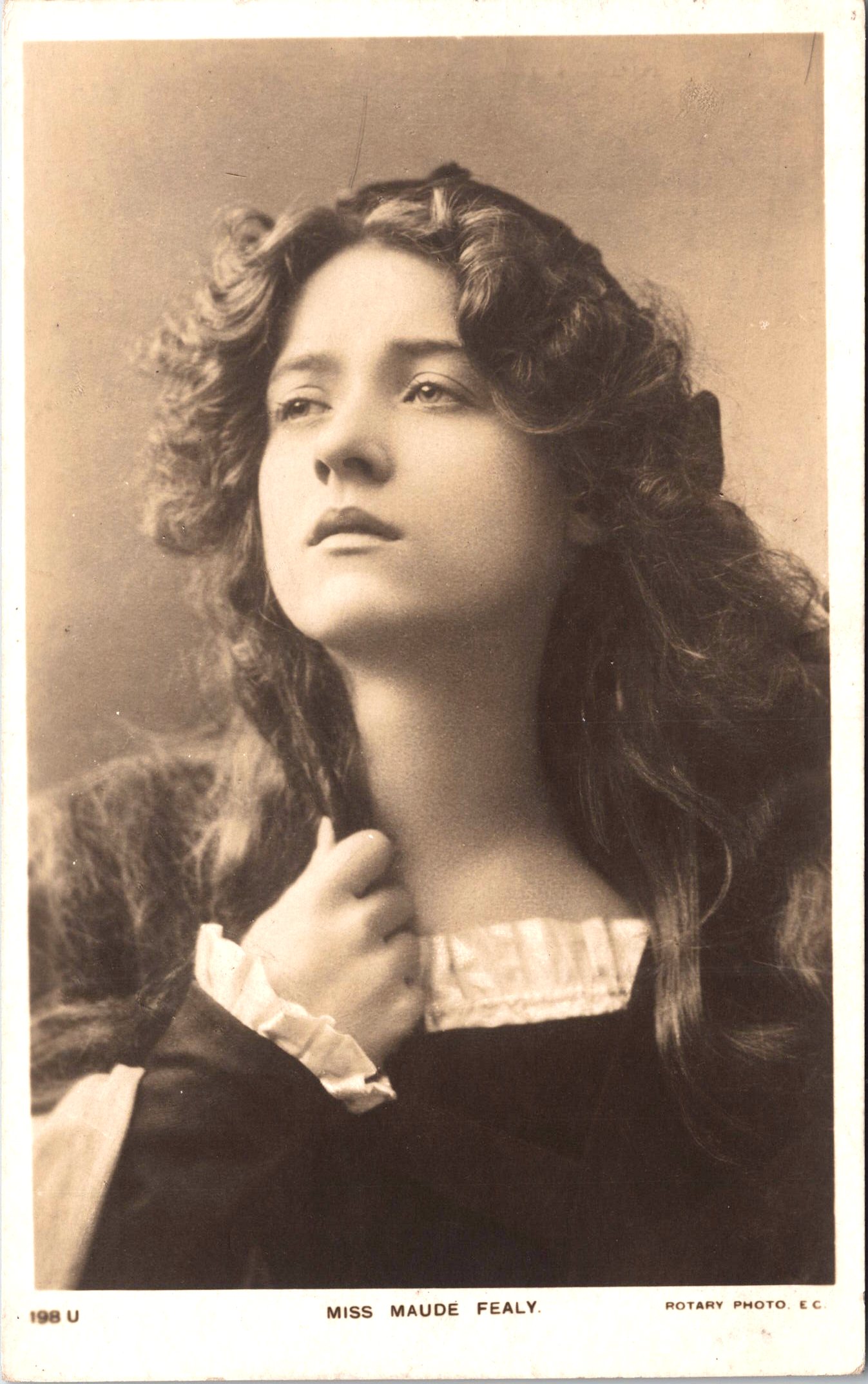
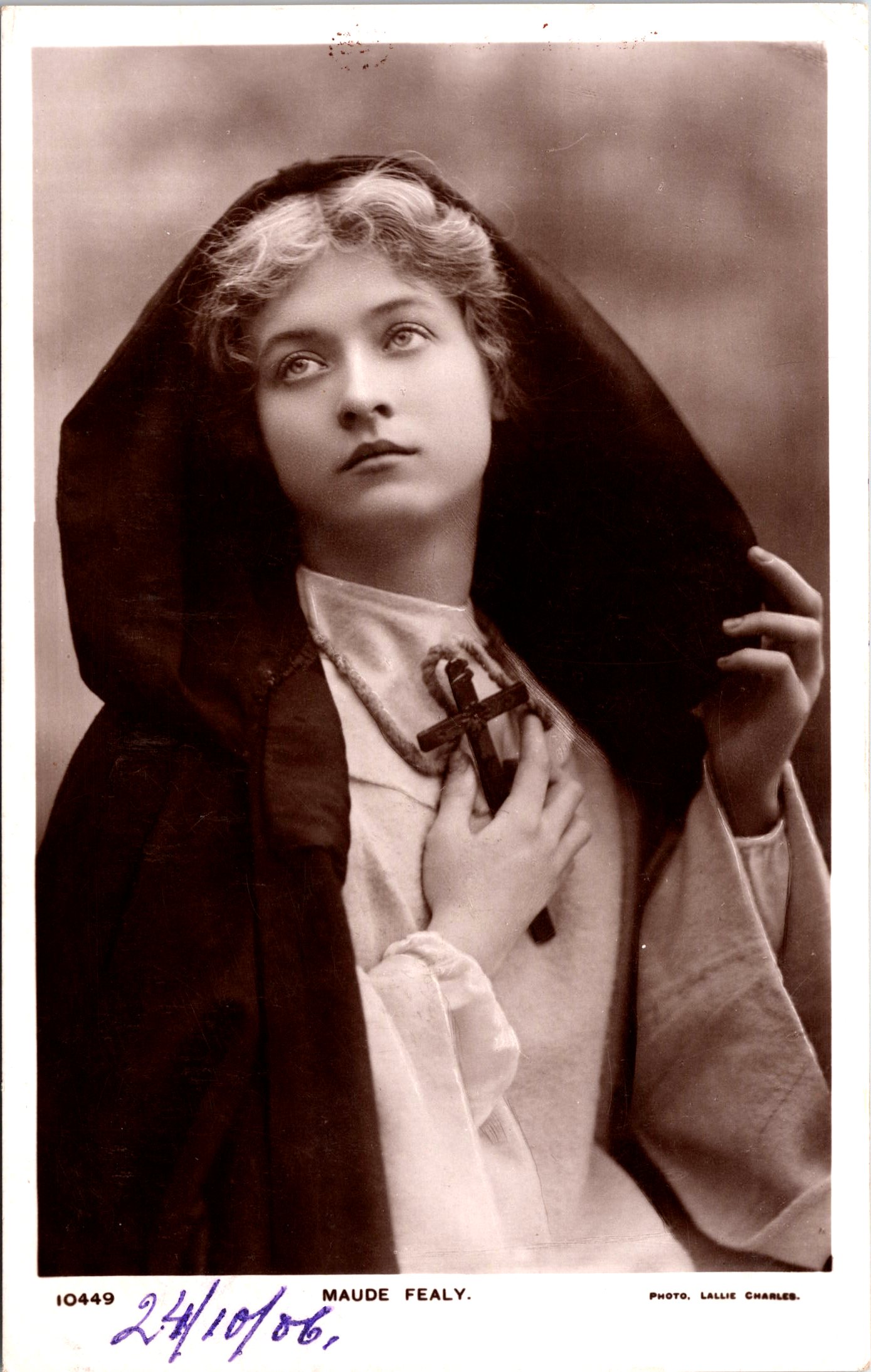
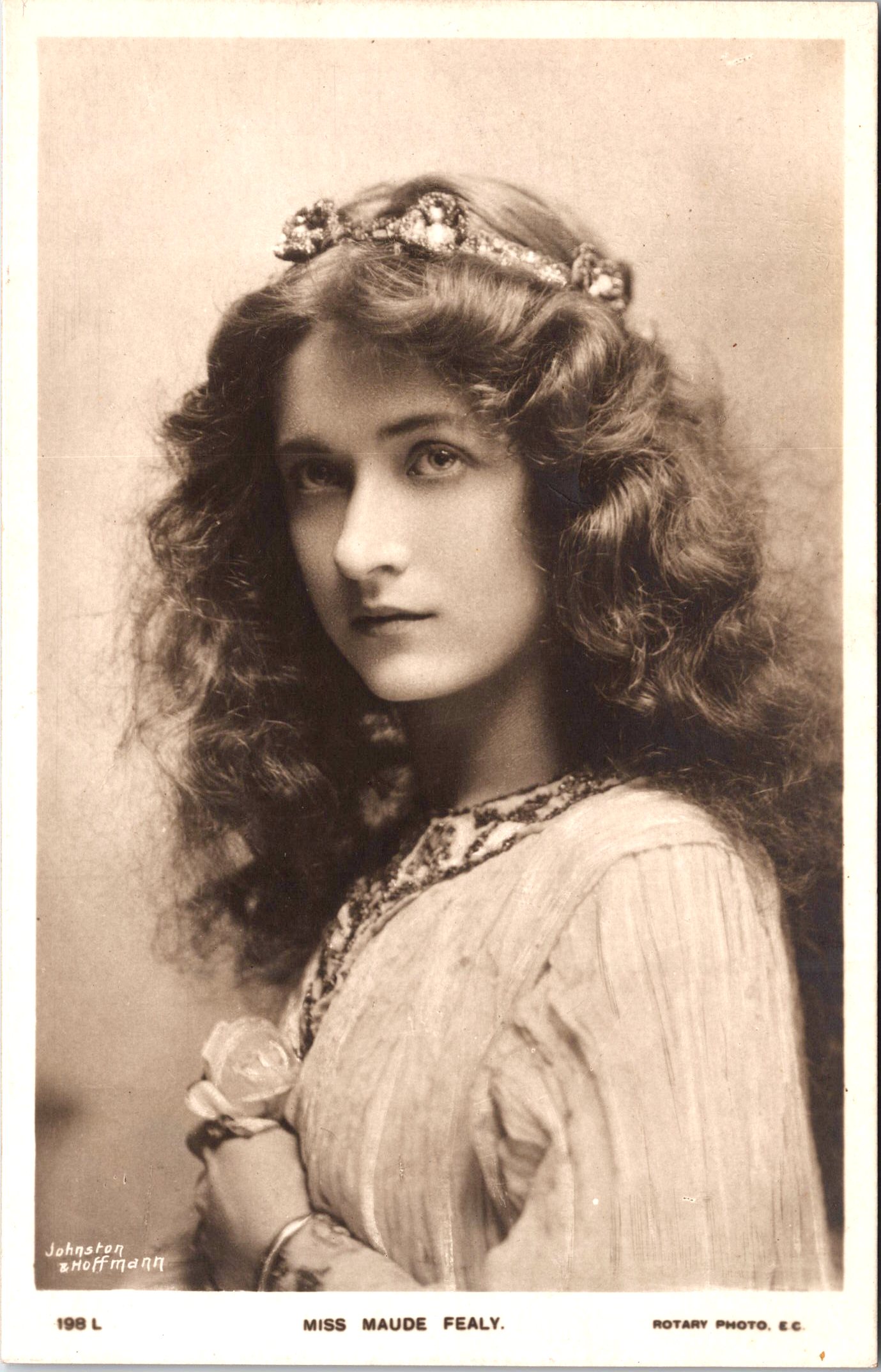
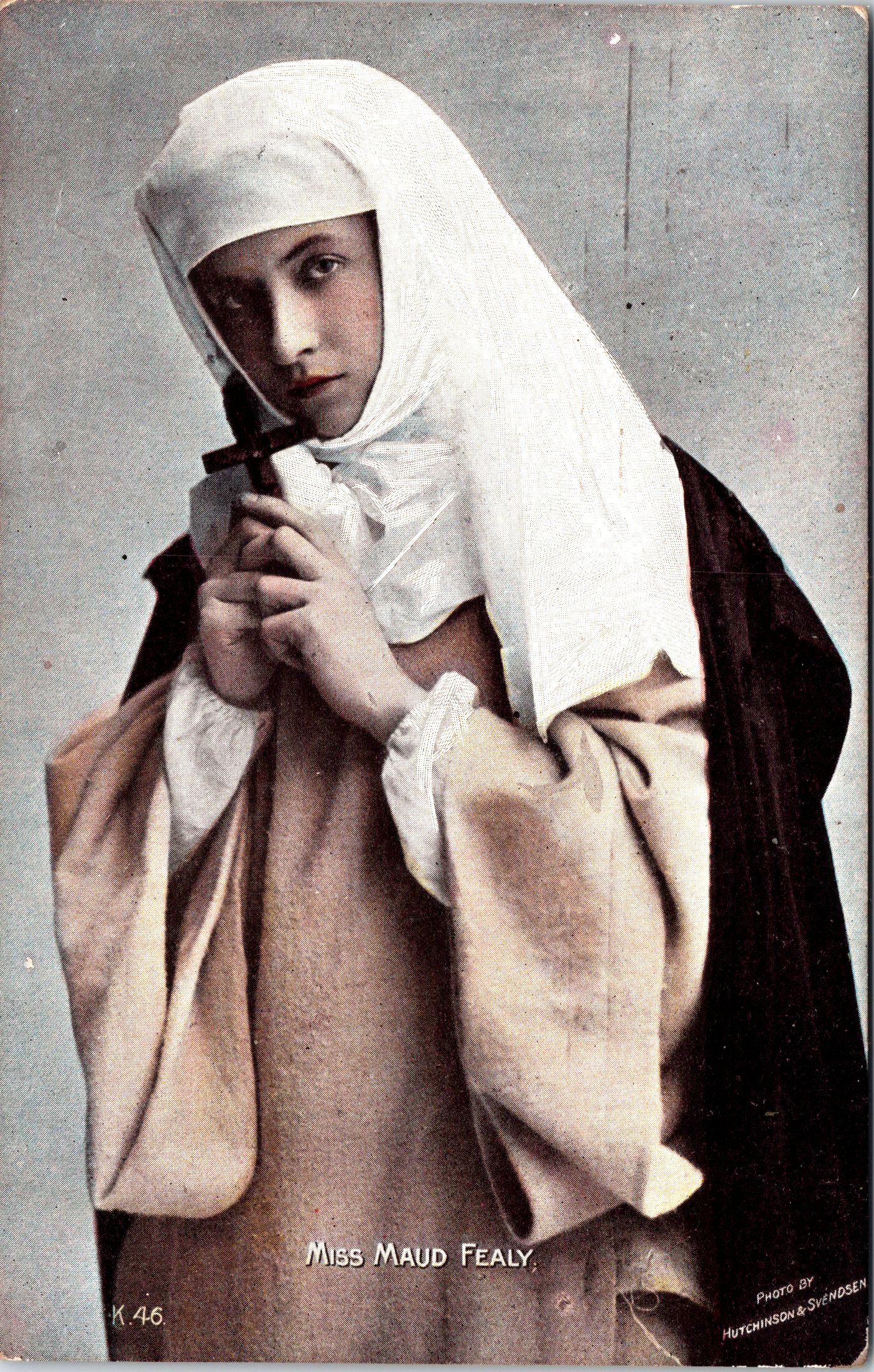
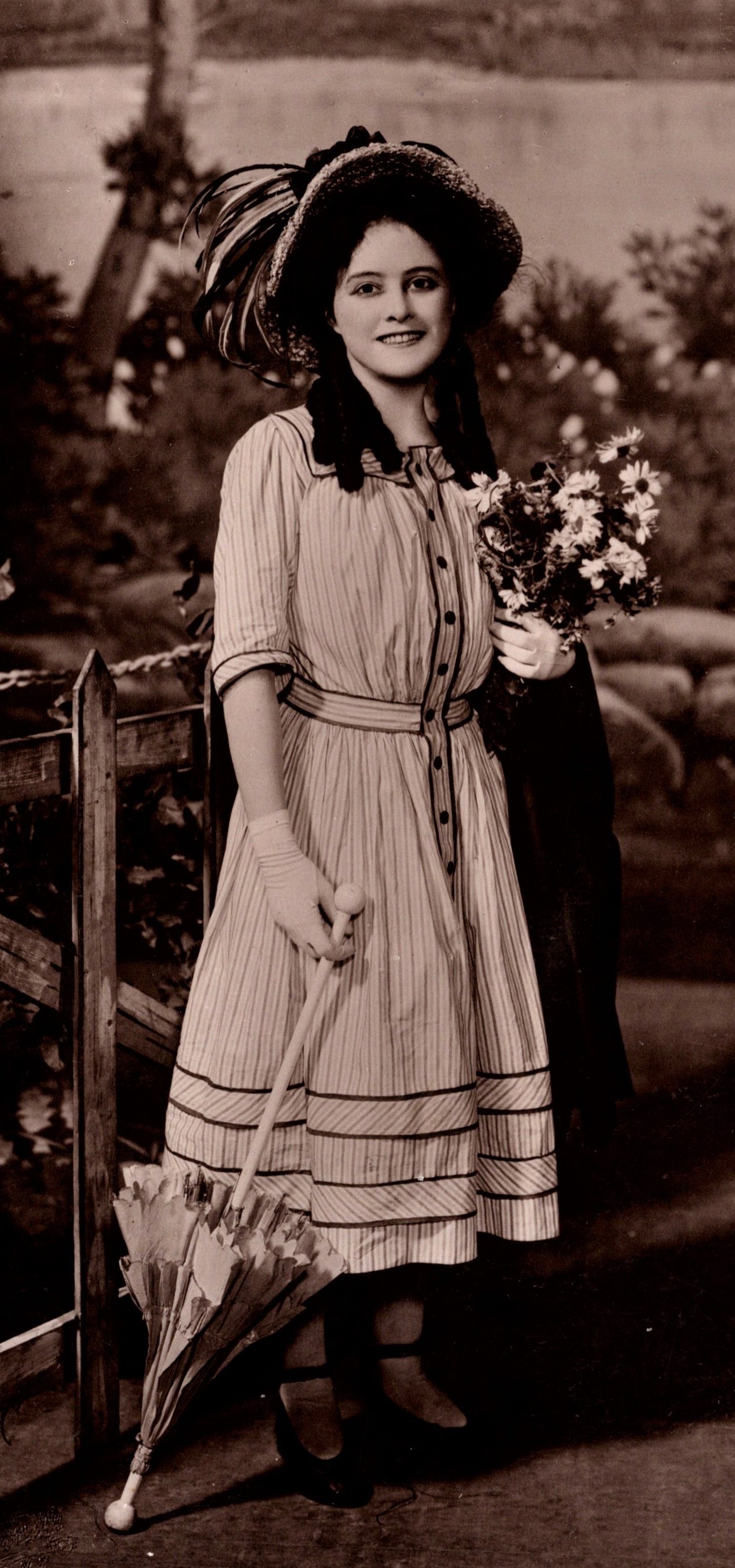
This vintage real photo postcard features American stage and silent and sound film actress, Maude Fealy (1883-1971). Maude was born in Memphis, Tennessee. Her mother was an actress and acting coach. After her mother remarried, she moved to Colorado where Maude called home for much of her life. She made her stage debut at the age of three. she performed at the Elitch Theater numerous times during her childhood. In 1905 she began to be the featured actress in a number of productions. She worked alongside stock player Cecil B DeMille and the pair developed a friendship that lasted many decades. In fact, he cast her in his film “The Ten Commandments” (1956). This postcard illustrates Miss Fealy’s beauty. Her photo postcards were very popular and collectable during her era, as well as today.
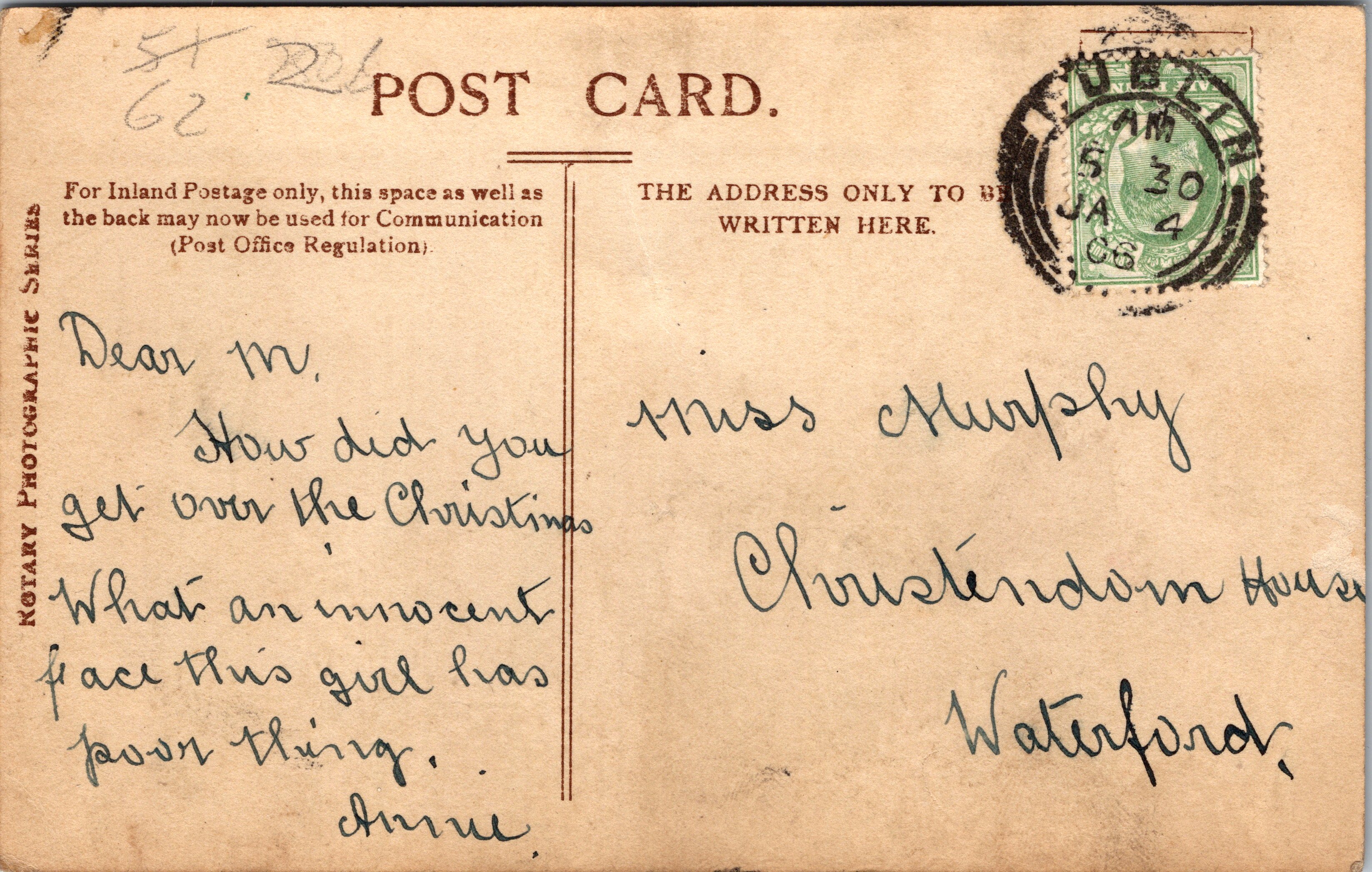
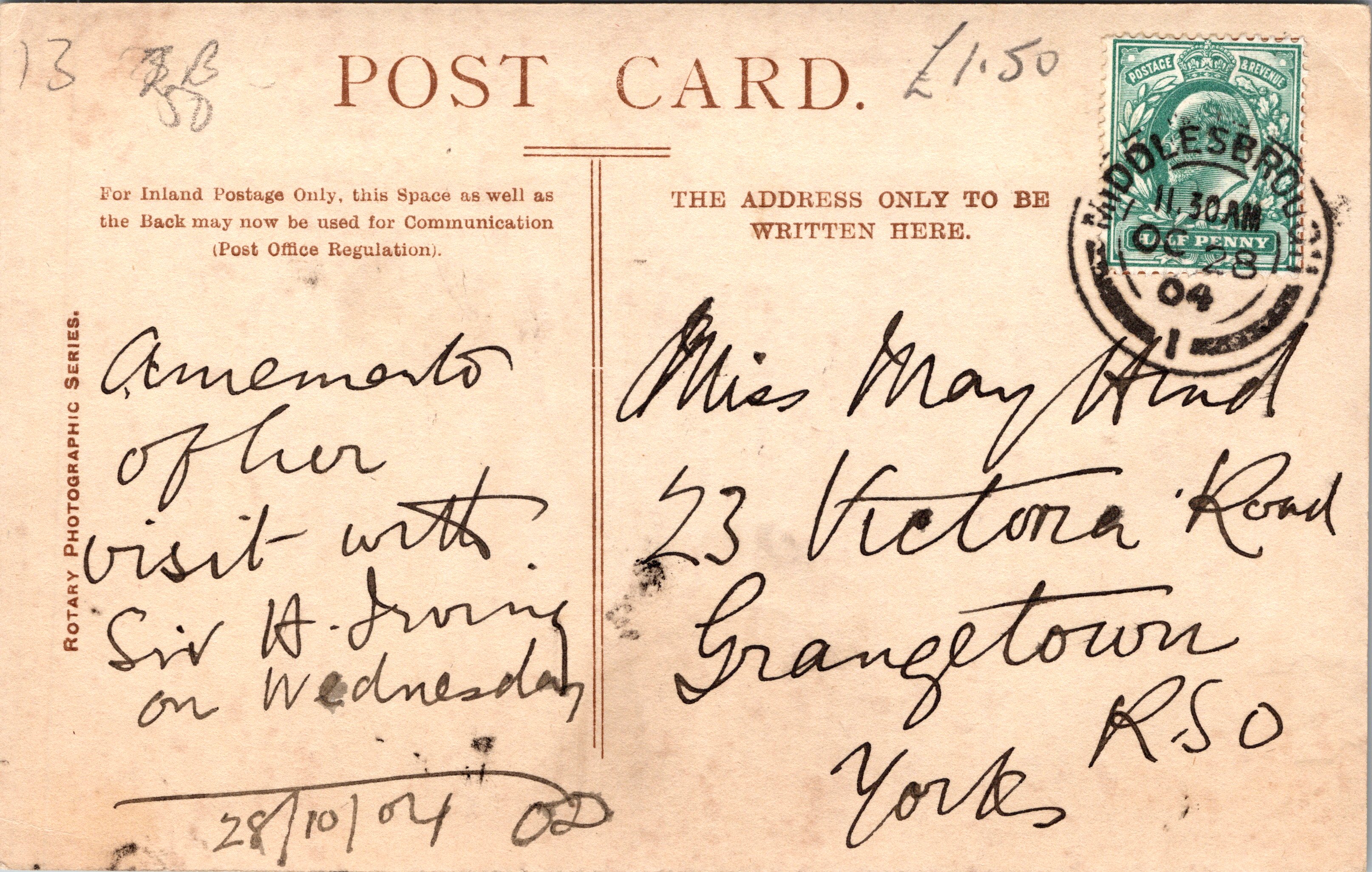
Postcard 1 is uncommon. The card was published by Rotary Photo as part of a series (no.1965J), The postcard is of British origin. Note that this postcard is hand tinted and postmarked in Dublin (1906). The card has an interesting message. The writer proclaims “What an innocent face this girl has. Poor thing”. Since when is “innocence” something to pity? (SOLD)
Postcard 2 demonstrates that Miss Fealy was fashionable and quite beautiful. Her photo postcards were very popular and collectable during her era, as well as today. This particular postcard is rare. The portrait for this postcard was taken by the London Stereo Company. The card was published by Rotary Photo as part of a series (no.1965J), The postcard is of British origin. (SOLD)
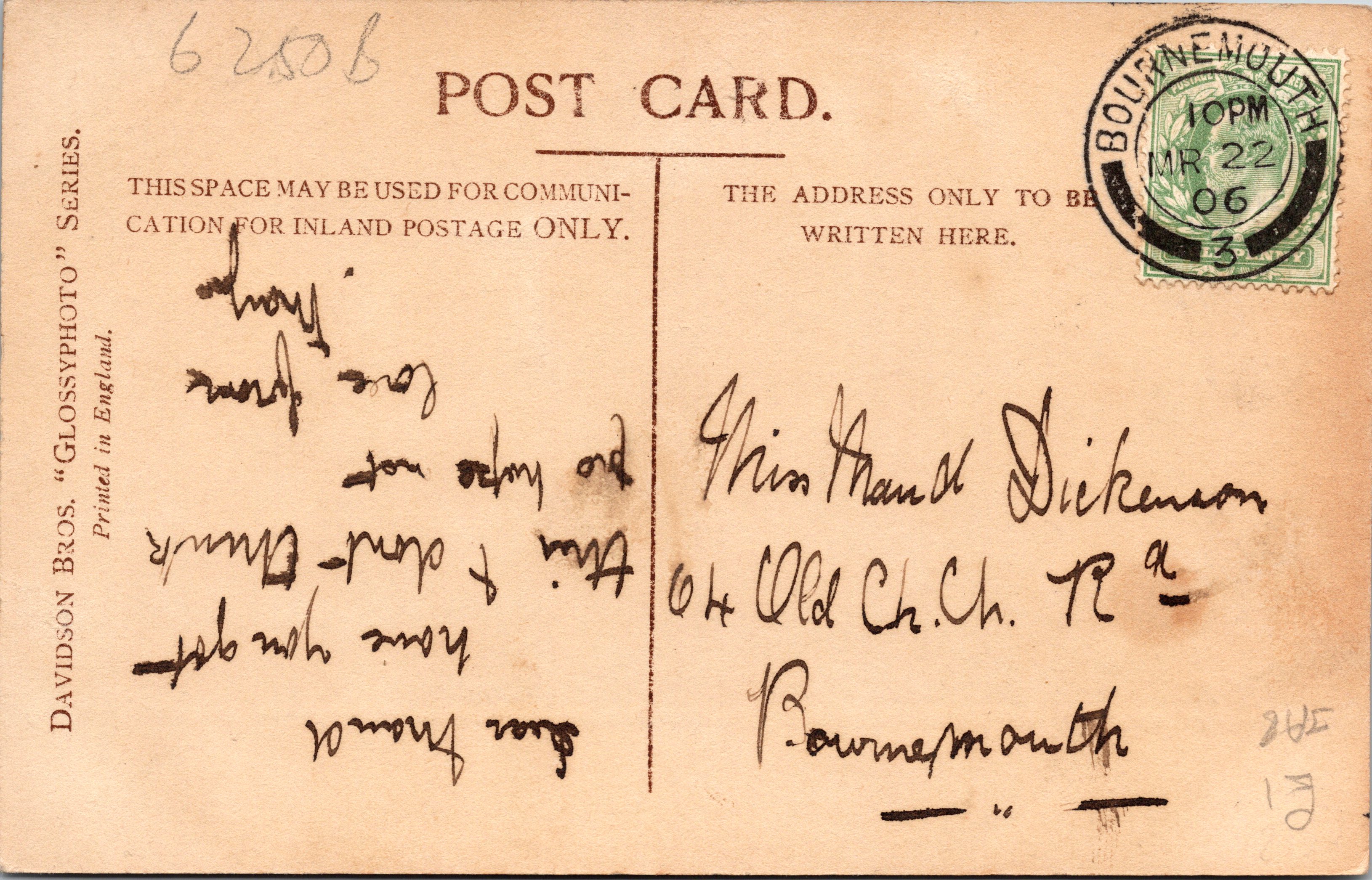
Postcard 3 was published by Davidson Brothers as part of a series (no.1378), The postcard is of British origin and demonstrates that Maude Fealy was fashionable as well as beautiful. (SOLD)
Postcard 4 is uncommon. The card was published by Raphael Tuck in 1904 as part of the “Stage Favorites: series (no.5058), The postcard is of British origin. (SOLD)
Postcard 5 is rare. The card was published by Rotary Photo as part of a series (no.1928C), The postcard is of British origin. (SOLD)
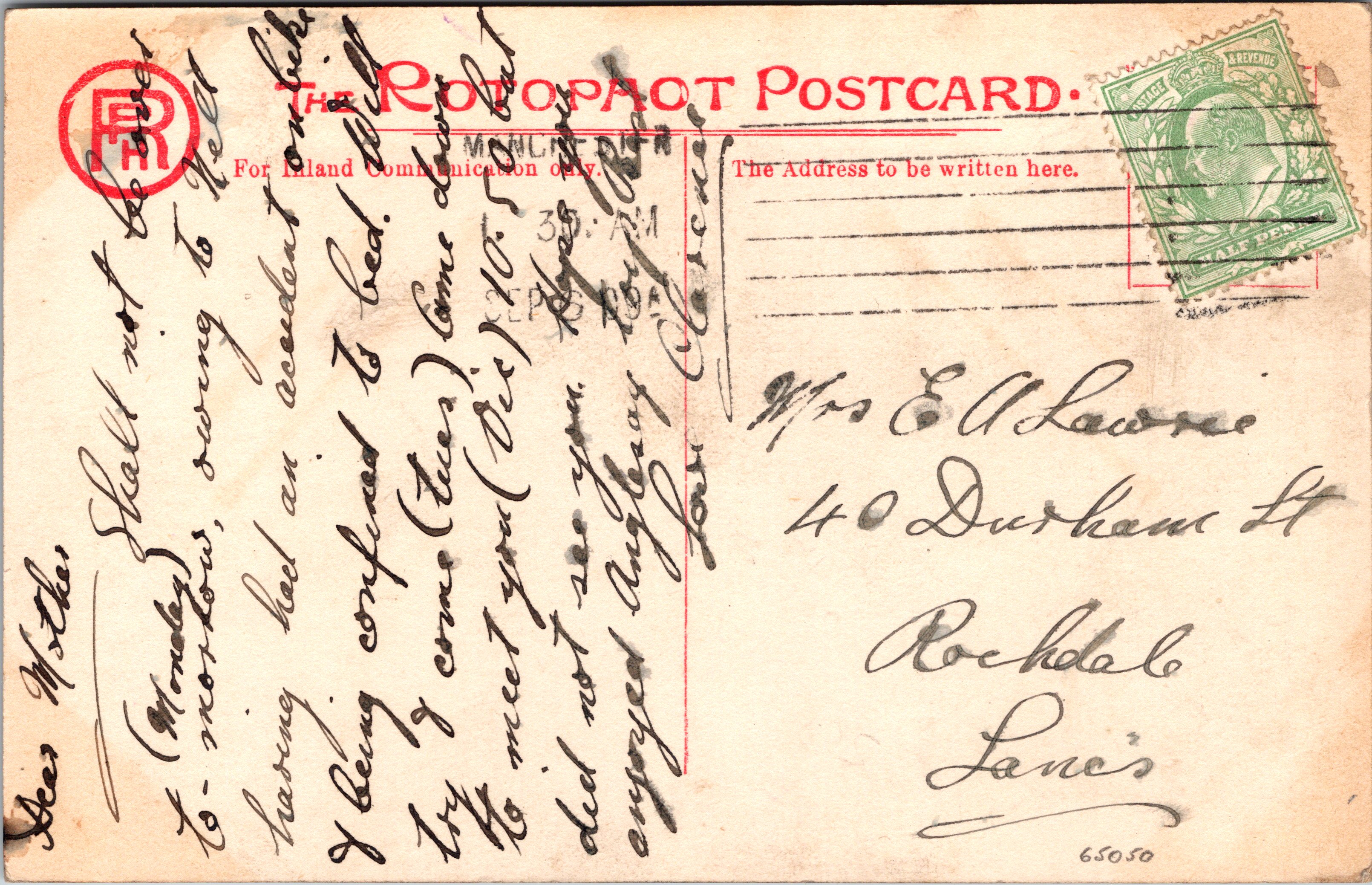
Postcard 6 is rare. The card was published by Germany’s Rotophot (no.0756). (SOLD)
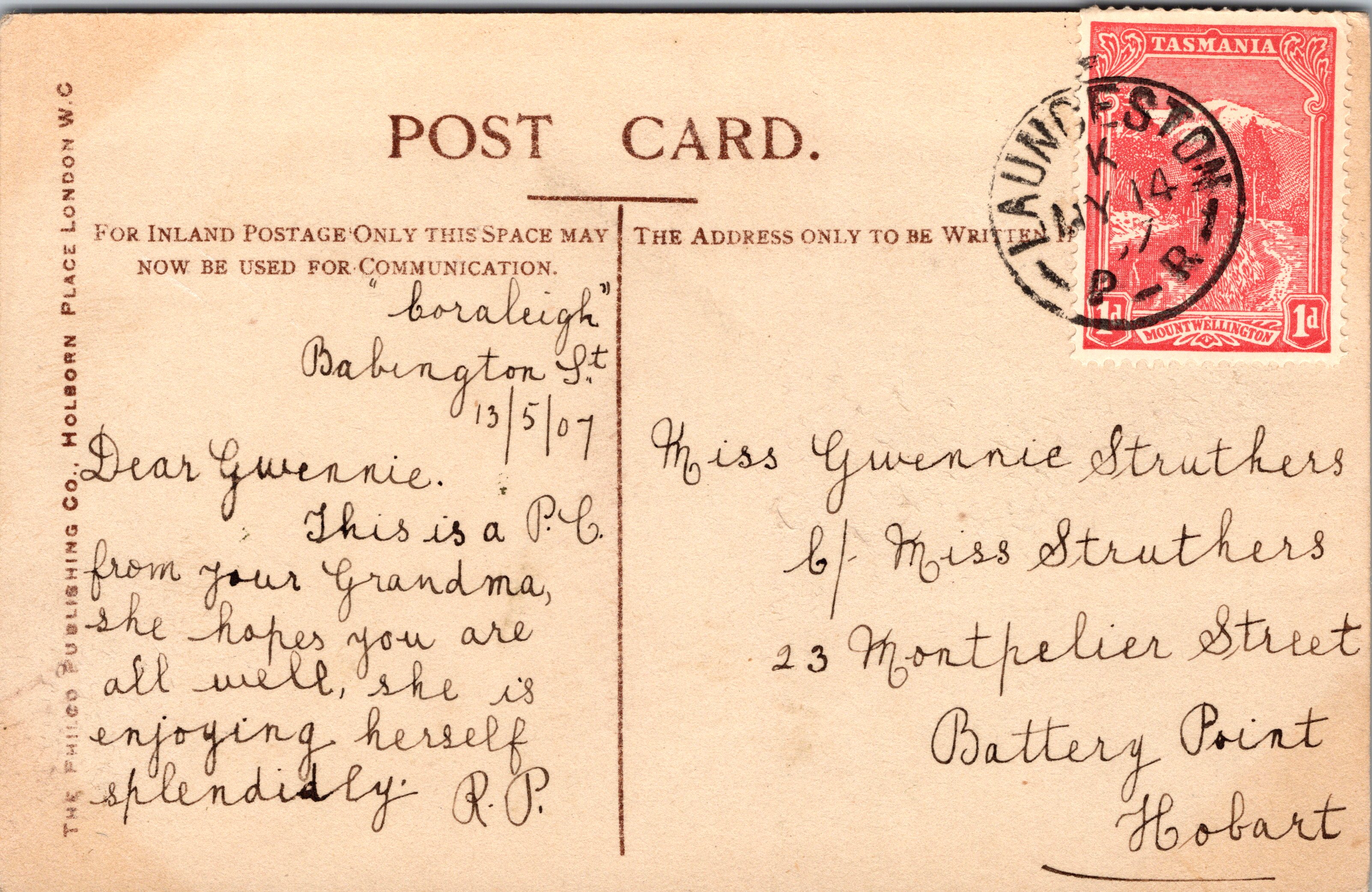
Postcard 7 was published by Philco as part of a series (no.3107F). The card is beautifully hand colored. The postcard is of British origin. The postcard was postmarked in 1907. (SOLD)
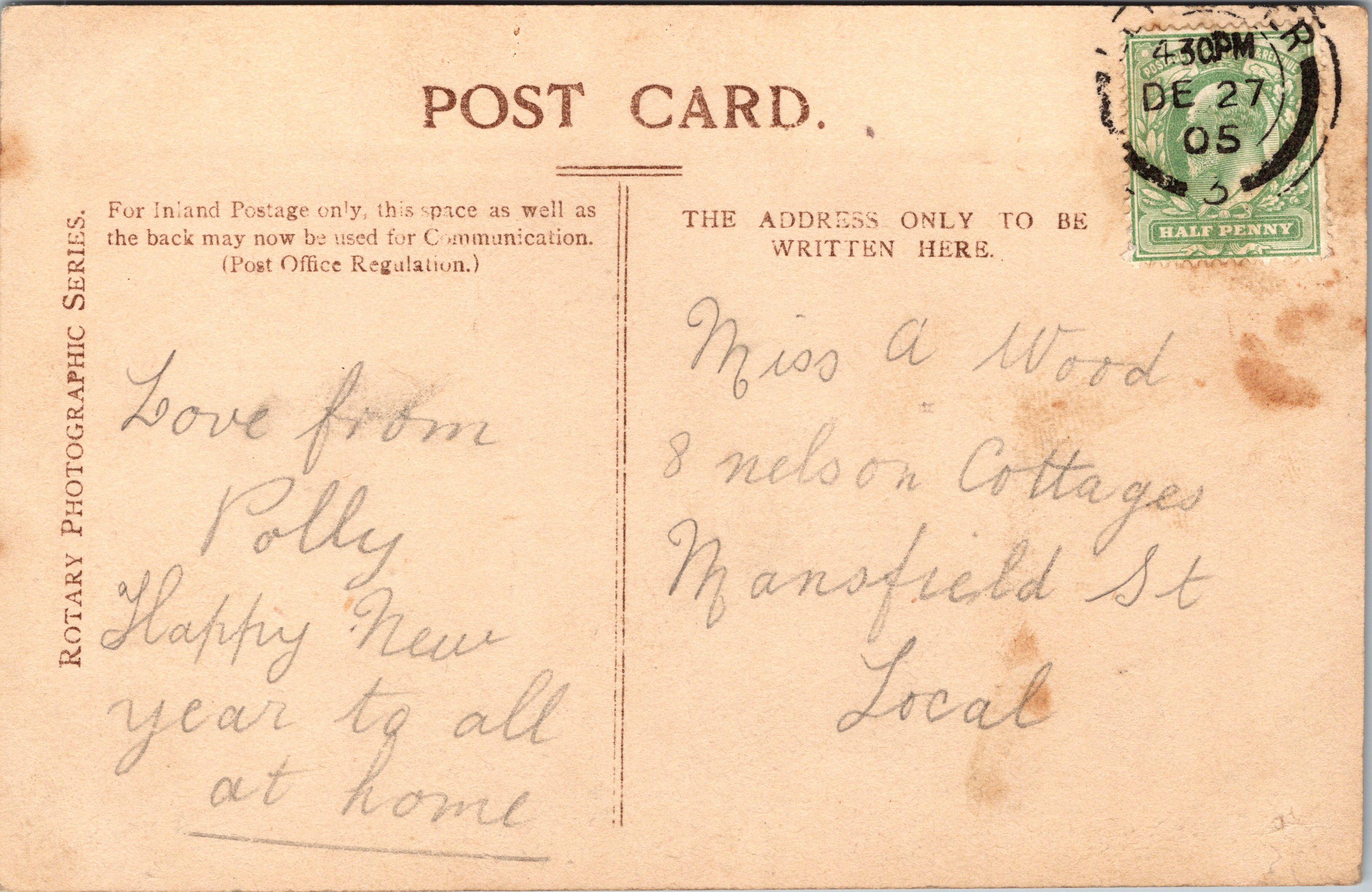
Postcard 8 was published by Rotary Photo as part of a series (no.1861M), This particular card is rare. The postcard has a 1905 postmark and is of British origin. (SOLD)
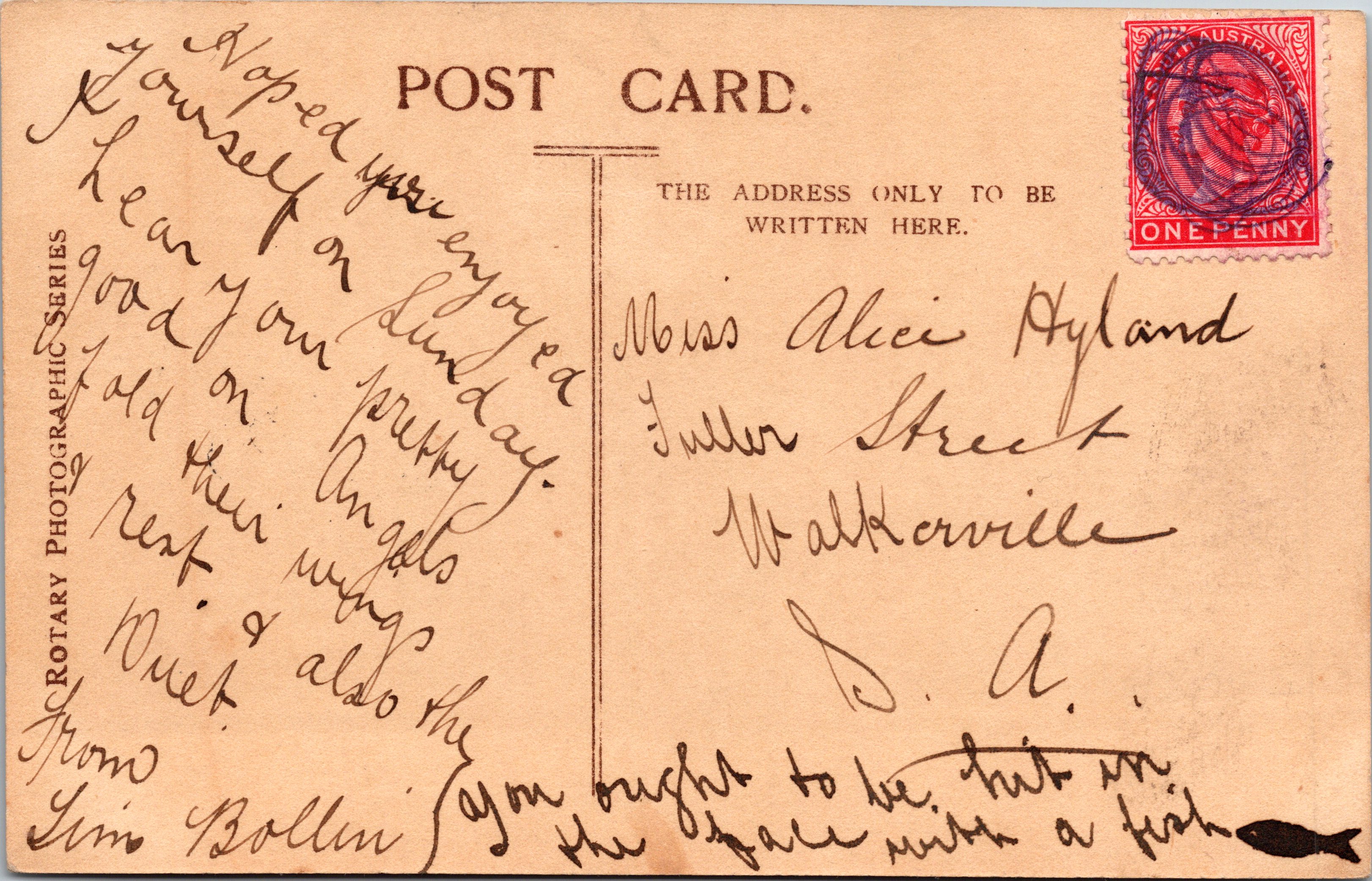
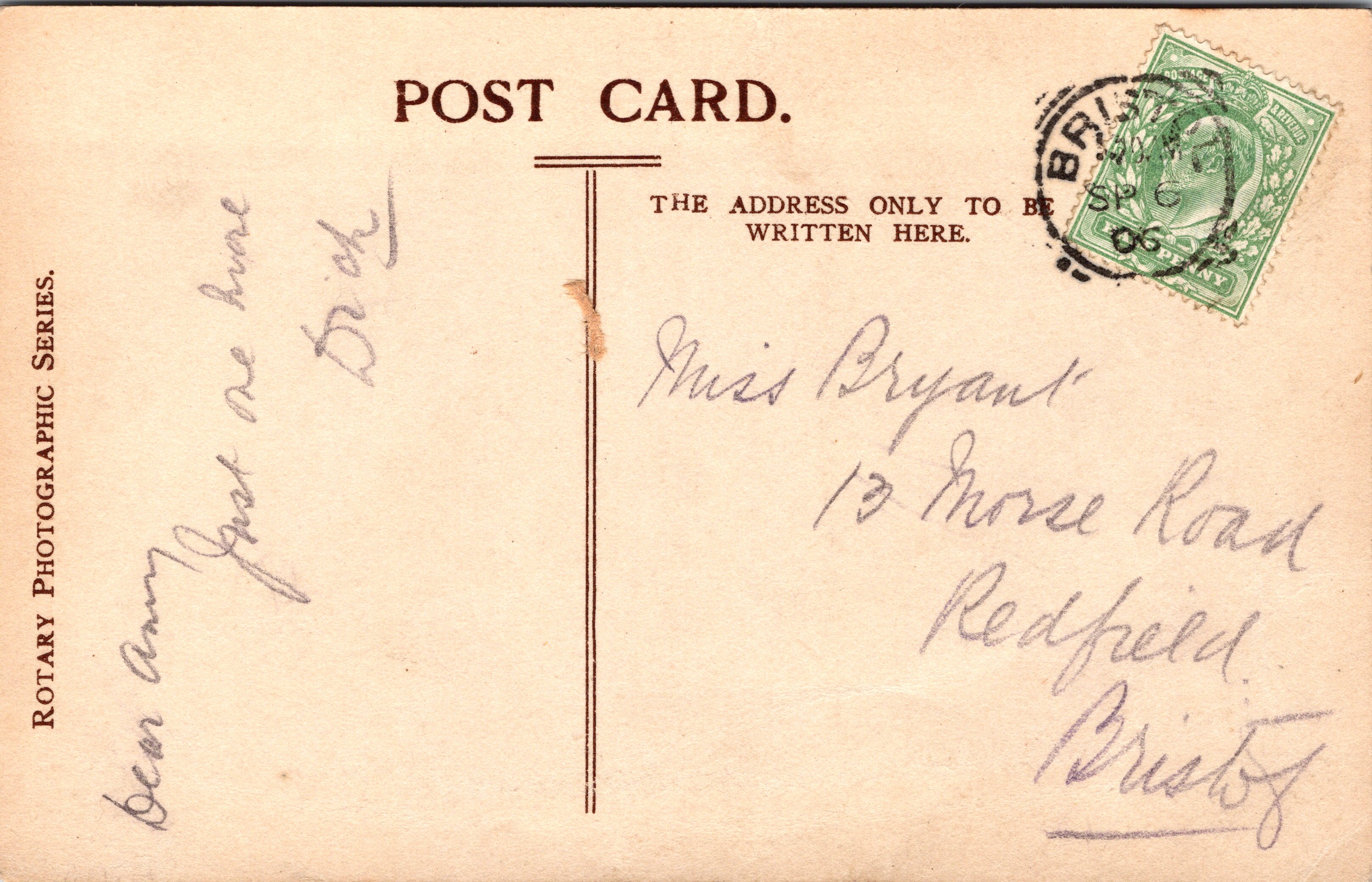
Postcard 9 has a notable message. The card was written from a man to a woman. The last line of the gentleman’s note states “You ought to be hit in the face with a fish”. He topped it off by drawing a fish at the end of the sentence. He certainly must have been joking but the comment is quite odd by today’s standards. The card was published by Rotary Photo as part of a series (no.1965D). (SOLD)
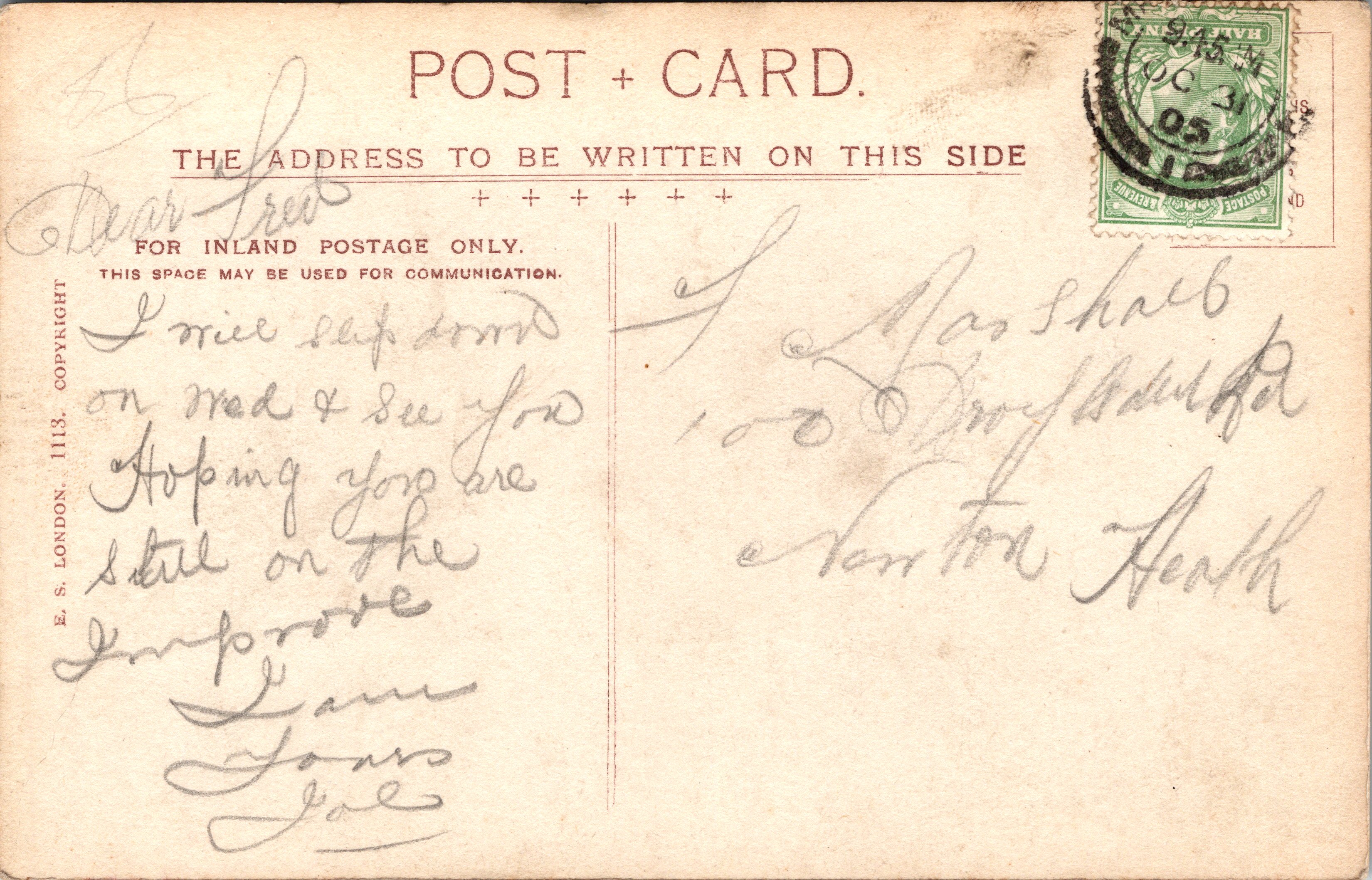
Postcard 10 is uncommon. The card was published by E. S. London as part of a series (no.1113). (SOLD)
Postcard 11 is rare. The card was published by RotoPhot as part of a series (no.0175). The card is beautifully hand colored. (SOLD)
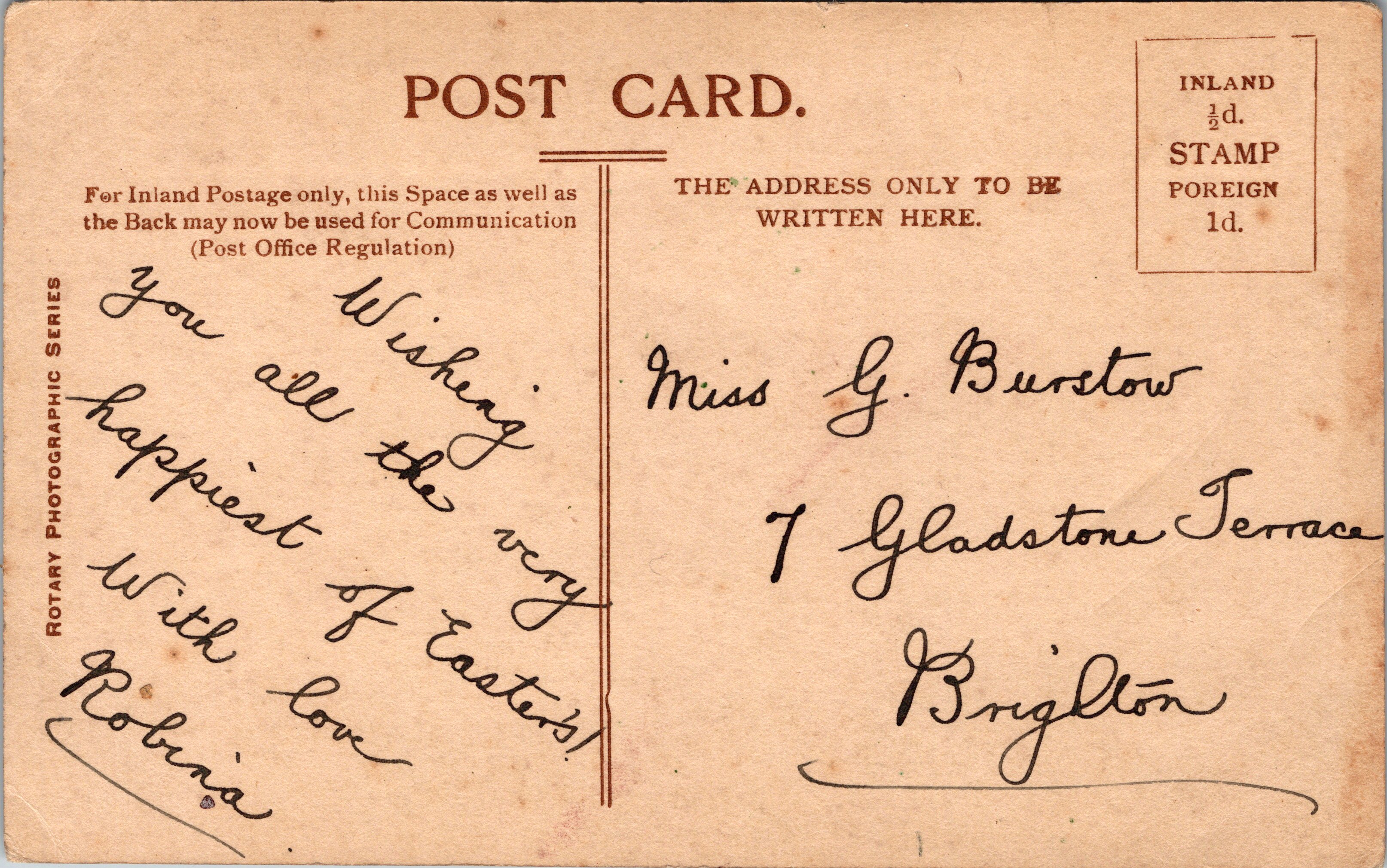
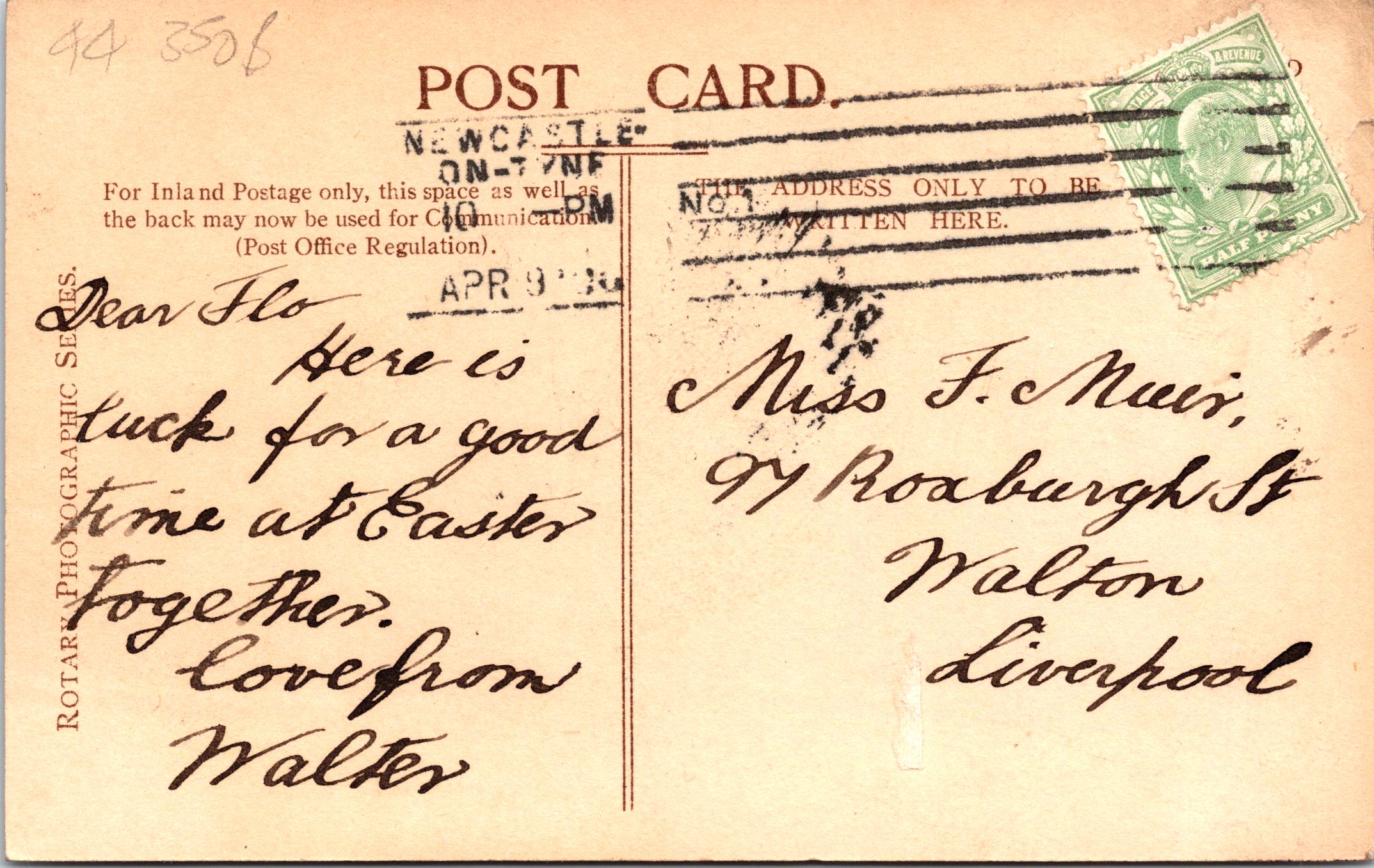
Postcard 12 is uncommon and the card was published by Rotary Photo as part of a series (no.198 V)), The message on this postcard is an Easter greeting.
Postcard 13 demonstrates that Miss Fealy was fashionable and quite beautiful. Her photo postcards were very popular and collectable during her era, as well as today. This card has a 1904 postmark.It was published by Rotary Photo as part of a series (no.198D), (SOLD)
Postcard 14 was published by J. Beagles 7 Co. as part of a series (no.365H). Miss Fealy’s photo portrait was taken by esteemed celebrity photographers, W & D Downey. The uncommon postcard is of British origin. (SOLD)
Postcard 15 was published by P. F. B. as part of a series (no.4037). P. F. B. is likely a Berlin firm named Paul Finkenrath. However, a second Berlin company named Paul Fink went by the inititials PFB which certainly creates some confusion among postcard collectors. This vintage postcard is uncommon. (SOLD)
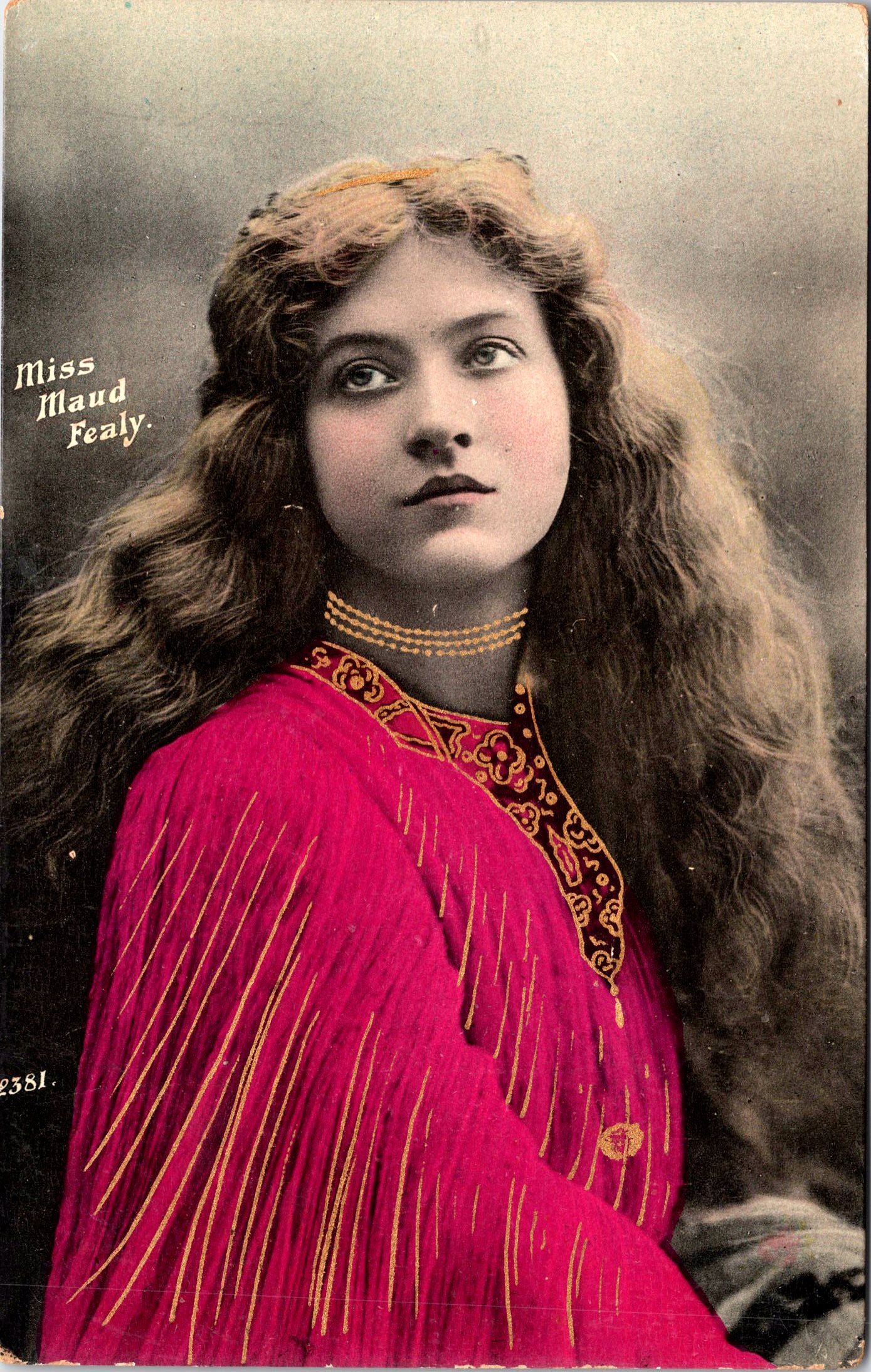
Postcard 16 was published by Rotary Photo as part of a series (no.2381). (SOLD)
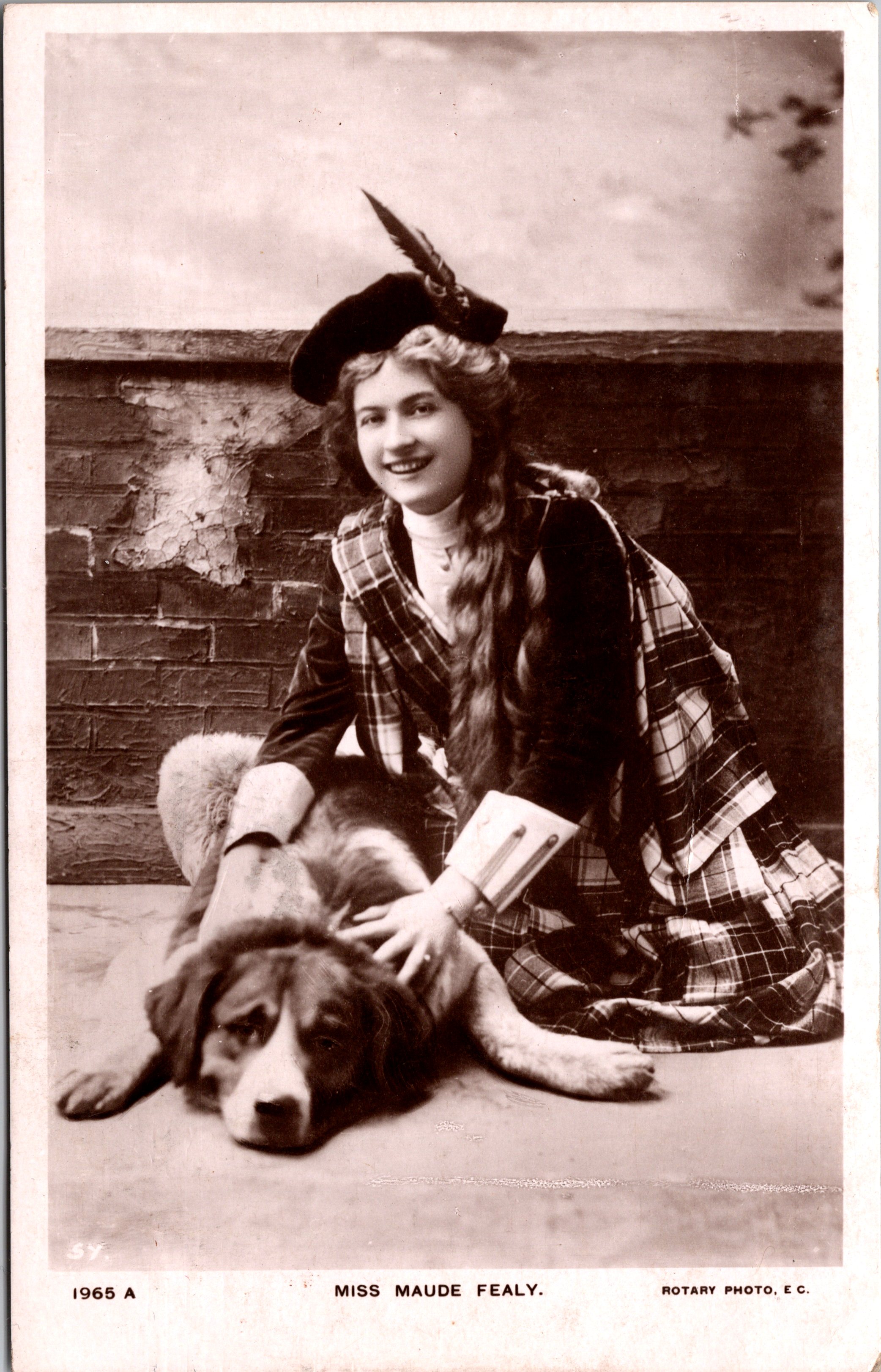
Postcard 17 is rare. The postcard offers a view of Miss Fealy petting a large dog. It appears to be some type of hound. Maude is flashing a pretty smile and is wearing a feathered hat and a plaid dress and jacket. The card was published by Rotary Photo as part of a series (no.1965A), The postcard is of British origin. (SOLD)
Postcard 18 is rare. The card was published by Rotary Photo as part of a series (no.1861F), The postcard is of British origin and it’s postmark is appears to be from 1906. (SOLD)
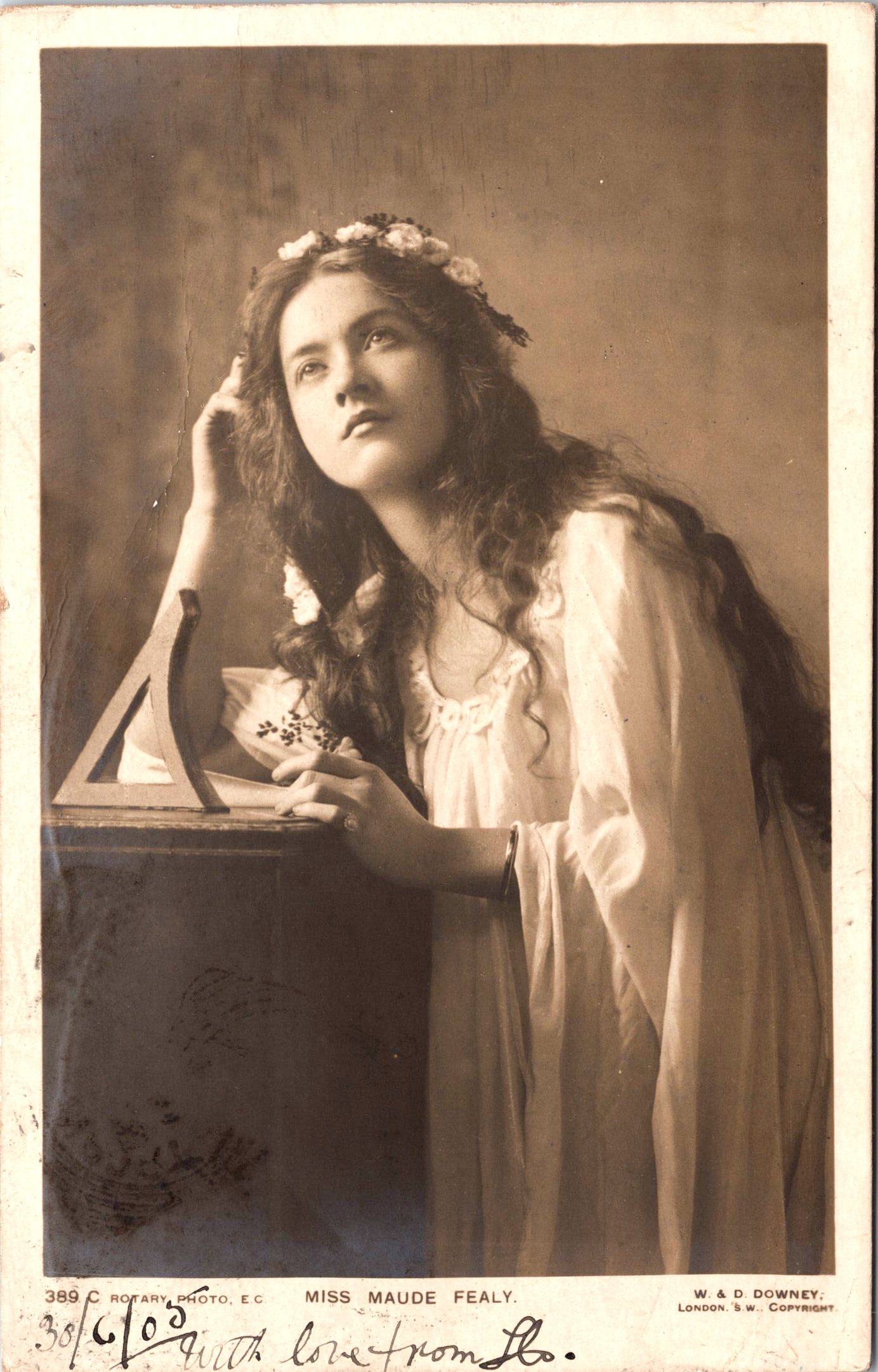
Postcard 19 is rare. The card was published by Rotary Photo as part of a series (no.389C). Miss Fealy’s photograph was taken by the esteemed W & D Downey studio. The postcard is of British origin and it’s postmark is from 1905. (SOLD)
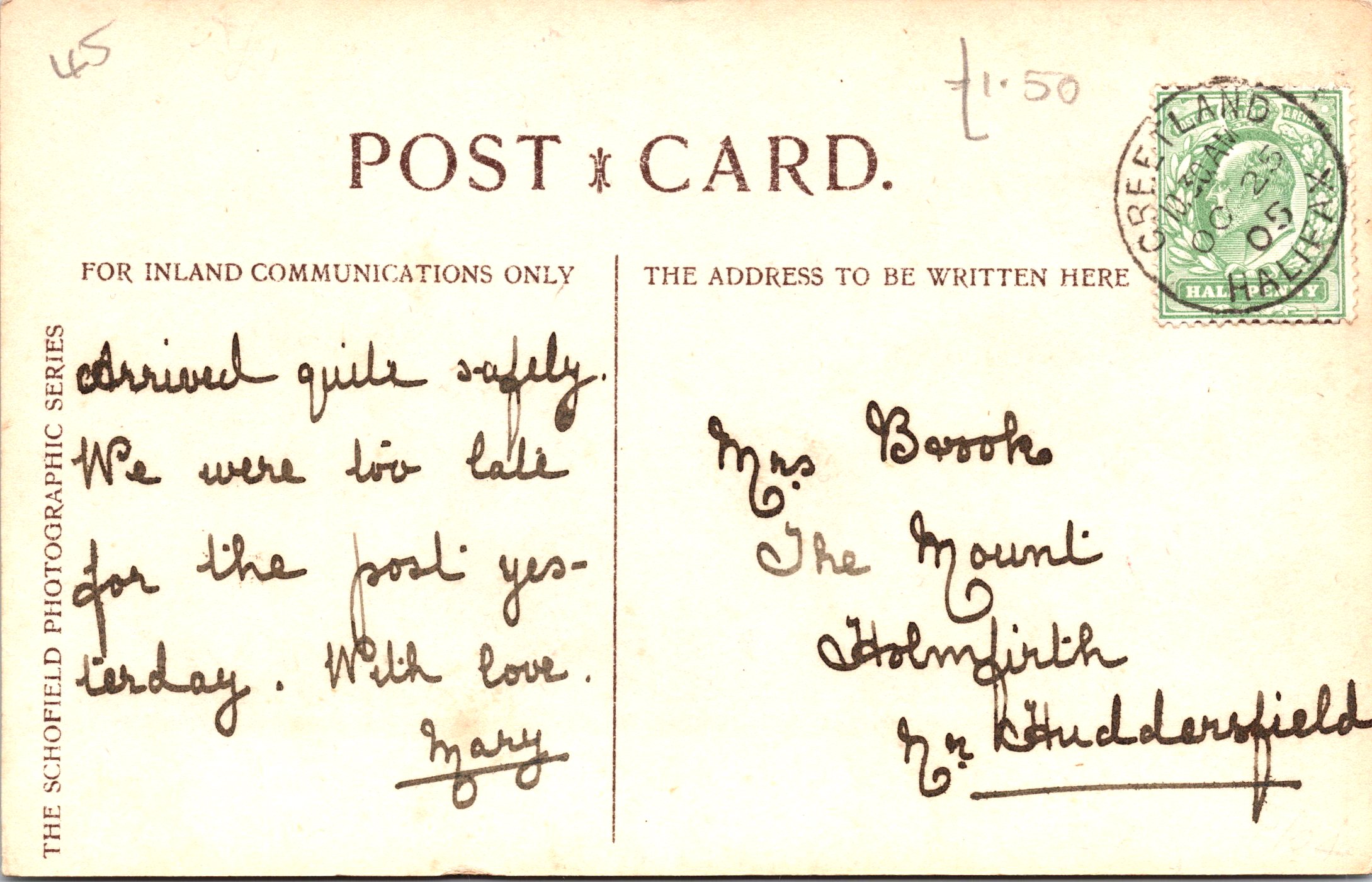
Postcard 20 is rare. The card was published by the Schofield Photographic Series (no.428). Three actress portrait postcards from this series can be found in England’s National Portrait Gallery. Miss Fealy’s photograph was taken by the esteemed Johnston & Hoffman studio. The postcard is of British origin and it’s postmark is from 1905. (SOLD)
Postcard 21 is of British origin and is generously hand tinted. The card is identical to Postcard 16 except for the two different hand tintings. (SOLD)
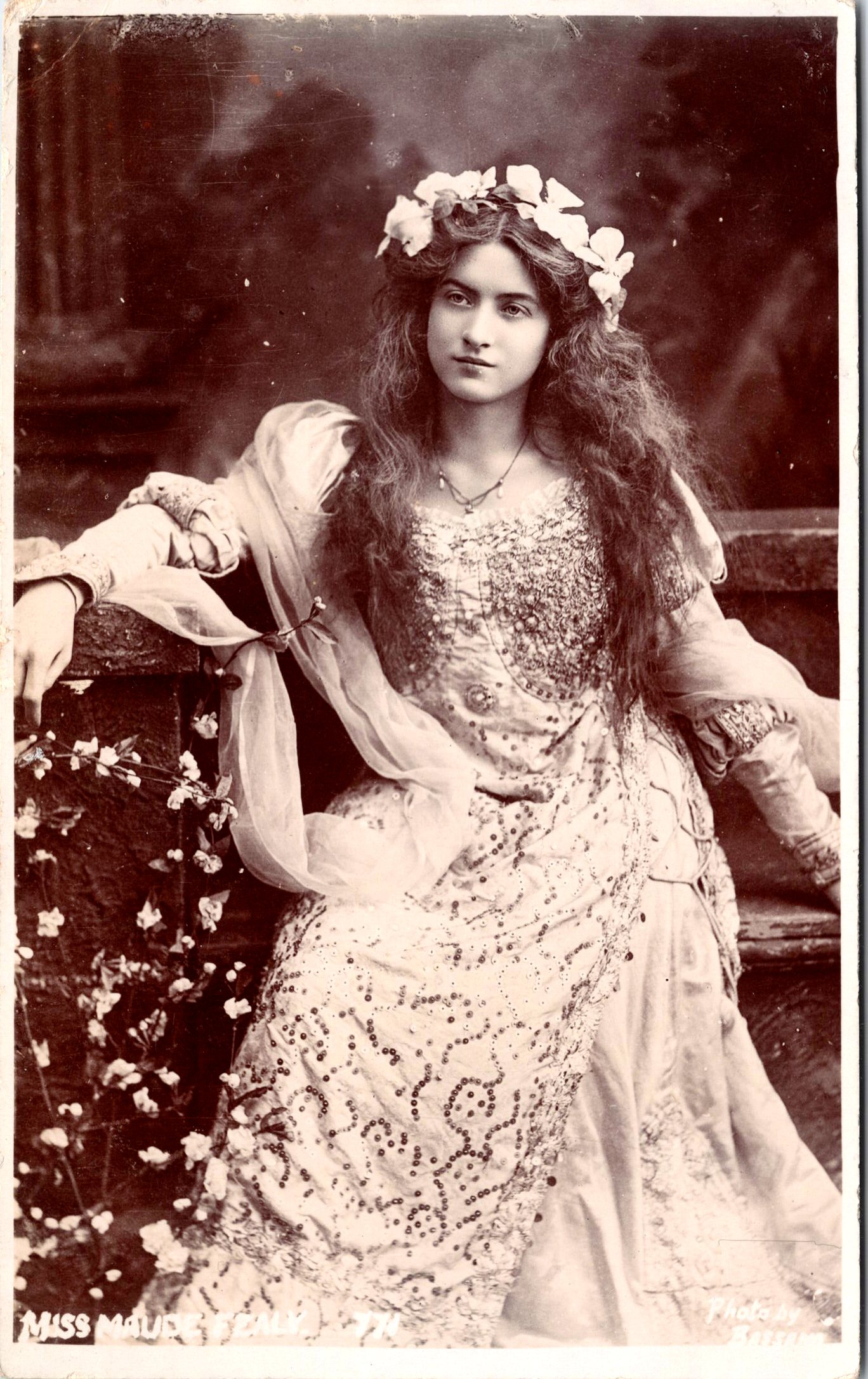
Postcard 22 is uncommon. The card was published by A & G Taylor as part of the “Reality Series”. Miss Fealy’s portrait was taken by the Bassano studio. The postcard is of British origin. (SOLD)
Postcard 23 is uncommon. The card was published by J. Beagles & Co. as part of a series (No.365). The postcard is of British origin (SOLD)
The photo portrait on Postcard 24 was taken by the Johnston & Hoffmann studio. The card is an example of an “Enamelette Postcard”. (SOLD)
Postcard 25 is color tinted and was published by Raphael Tuck as part of the “Celebrities of the Stage” series (no.S1299). The card is an example of an “Silverette Postcard”. (SOLD)
Postcard 26 is an uncommon color tinted vintage lithographic card. It was published by Rotary Photo as part of a series (no.198U). (SOLD)
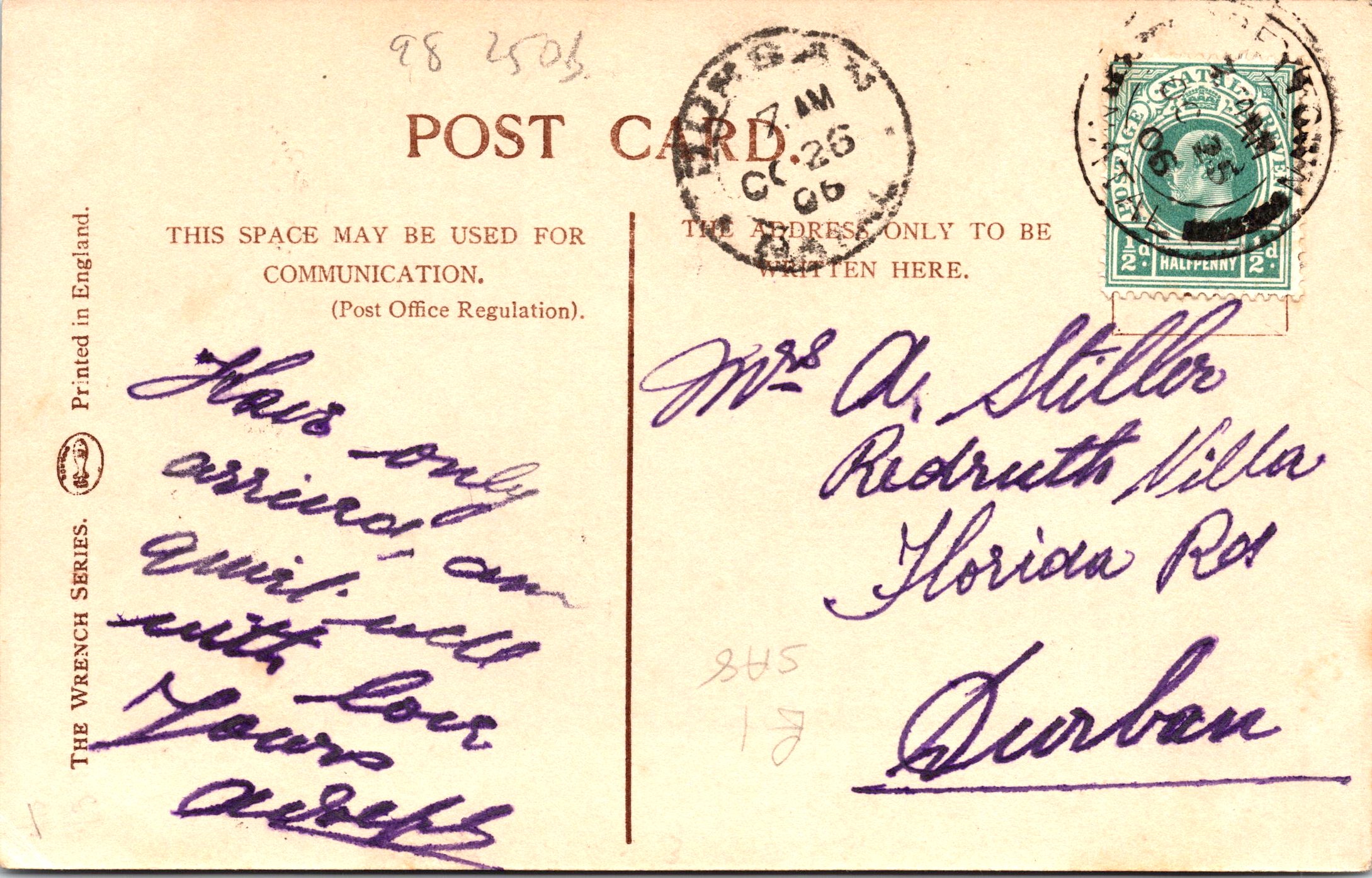
Postcard 27 is uncommon. The card was published as part of the Wrench series (No.10449). Miss Fealy’s portrait was taken by the famous female celebrity photographer, Lallie Charles. The postcard is of British origin and has a 1906 postmark. (SOLD)
Postcard 28 was published by Rotary Photo as part of a series (No.198L). Miss Fealy’s photograph was taken by the Johnston & Hoffmann studio. (SOLD)
Postcard 29 was published by Giesen Brothers & Co. as part of a series (no.K46). The photographer of Maude’s portrait was the Hutchinson & Svendsen studio. The National Portrait Gallery asserts that this pair of photographers were active in London between 1905 and 1906. (SOLD)
Postcard 30 was published by Giesen Bros. (GB).Miss Fealy’s photograph was taken by R. Thiele. Reinhold Thiele is known for his photographical talent. Thiele (1856-1921) also used the name “Karl Anton”. Seven of his photo portraits can be found in Great Britain’s National Portrait Gallery. He was born in Germany and learned about photography there. He came to London in 1878 and after a stint with photographer, William Henry Prestwich, he was hired by the London Stereoscopic Company (1880). In 1894, he established a studio known as Simmons & Thiele. Initially, Thiele specialized in photographing football teams. He is considered to be one of the early press photographers. Later, he operated a studio in London. He photographed many theatre stars. This postcard is of British origin. (SOLD)
This vintage real photo postcard features actress Edith Taliaferro (1894-1958). She was an American stage and film actress in the late 19th and early 20th century. She was active on the stage until 1935. She played roles in three silent films. She is most famous for playing the role of Rebecca in the stage production of “Rebecca of Sunnybrook Farm” (1910). Edith was born in Virginia. Her parents were theatre workers and her sister, Mabel, also became a stage actress. Edith made her stage debut at age two and by the time she was ten, she was performing in productions of Shakespeare. During her career, she performed in more than thirty stage productions. She appeared in sixteen Broadway shows. (SOLD)
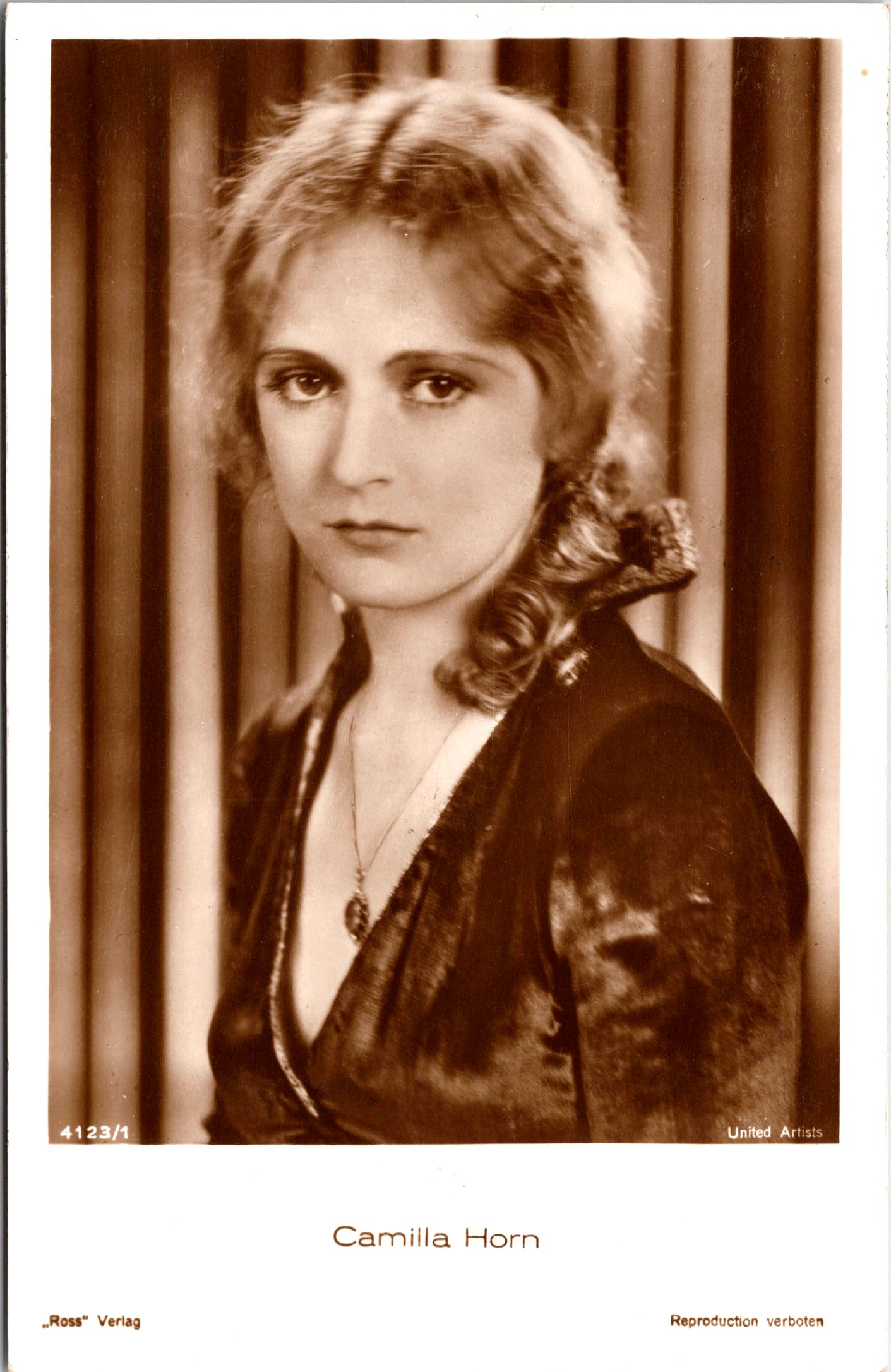
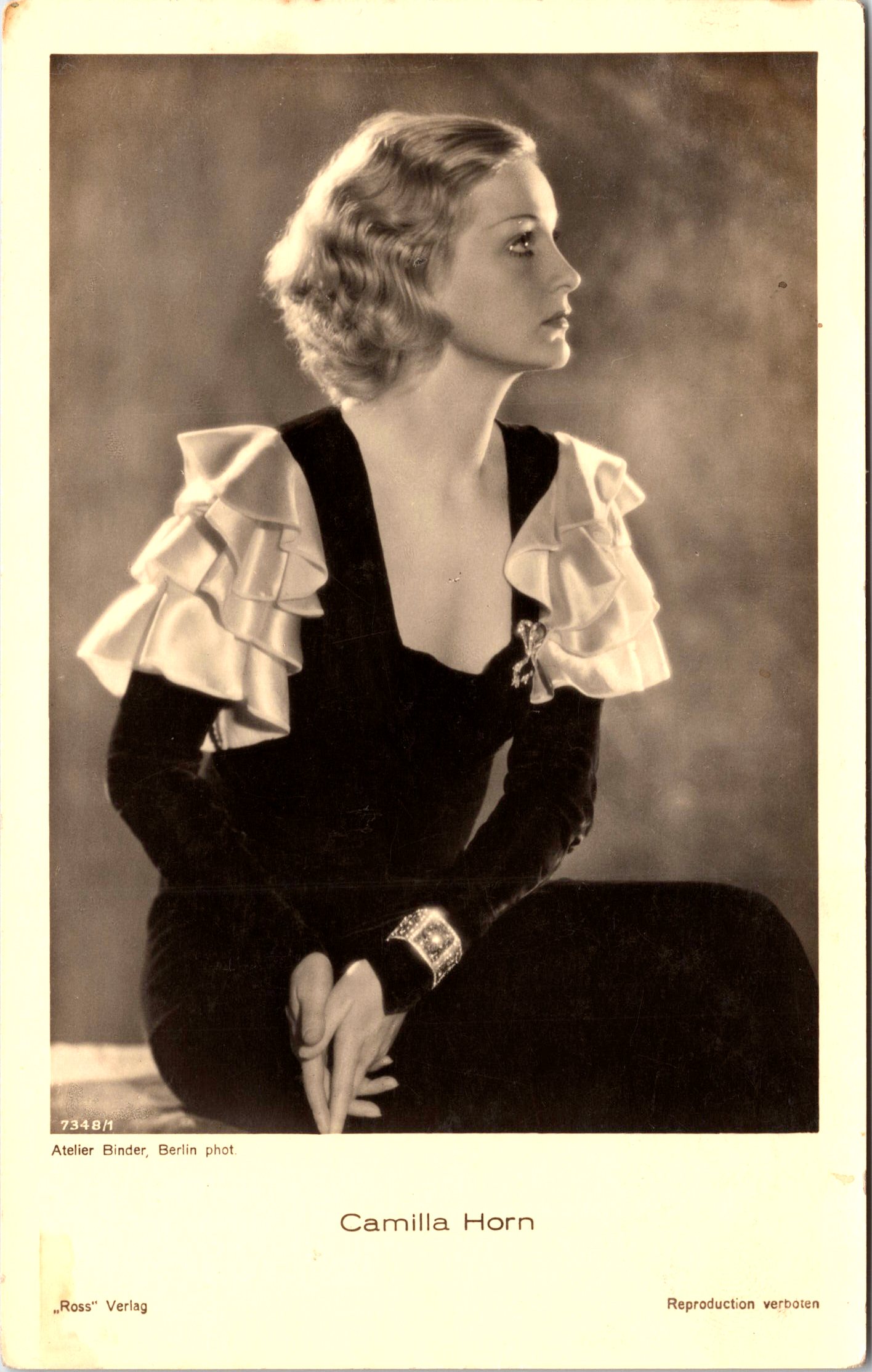
These vintage real photo postcards feature German dancer and film star of the silent and sound era, Camilla Horn (1903-1996). She also was an internationally known actress, starring in several Hollywood films of the late 1920’s as well as a few British and Italian productions. Her father was a civil servant working in the Railroad Industry. She was born in Germany and educated in Germany and Switzerland. Horn was educated to work as a dressmaker. She went to Berlin where she trained as an actress and dancer. She next became a cabaret dancer. In 1925, she worked as an extra in a German film. Her big break came in 1926 after she replaced Lillian Gist in the UFA production of “Faust”. In 1928 she left for Hollywood where she played opposite John Barrymore in “Tempest” and “Eternal Love”. She became romantically involved with film director, Joseph Schenck. She returned to Europe (upon the advent of sound film) and in the 1930’s got in trouble with the Nazis and was prosecuted for an alleged financial offense. During the war years, she was too outspoken against the Nazis. The regime investigated her. She tried to escape unsuccessfully to Switzerland. Thereafter, she kept a low profile. After the war, she was convicted by a British tribunal and sentenced for three months of jail due to some minor offenses. It was also reported that post war, she worked as an interpreter for occupying American forces. Horn was a screen star from 1930 until her retirement in 1953. Horn was married four times during her life. Interestingly, in about 1972 Bruce Springsteen wrote a song about her. Camilla Horn was quite beautiful. She had blonde hair, slanting brown eyes and classical features.
Postcard 1 was published by Ross Verlag as part of a series (No.4123/1). The logo for “United Artists” can be seen in the lower right hand corner of Horn’s image. This postcard has a 1930 postmark. (SOLD)
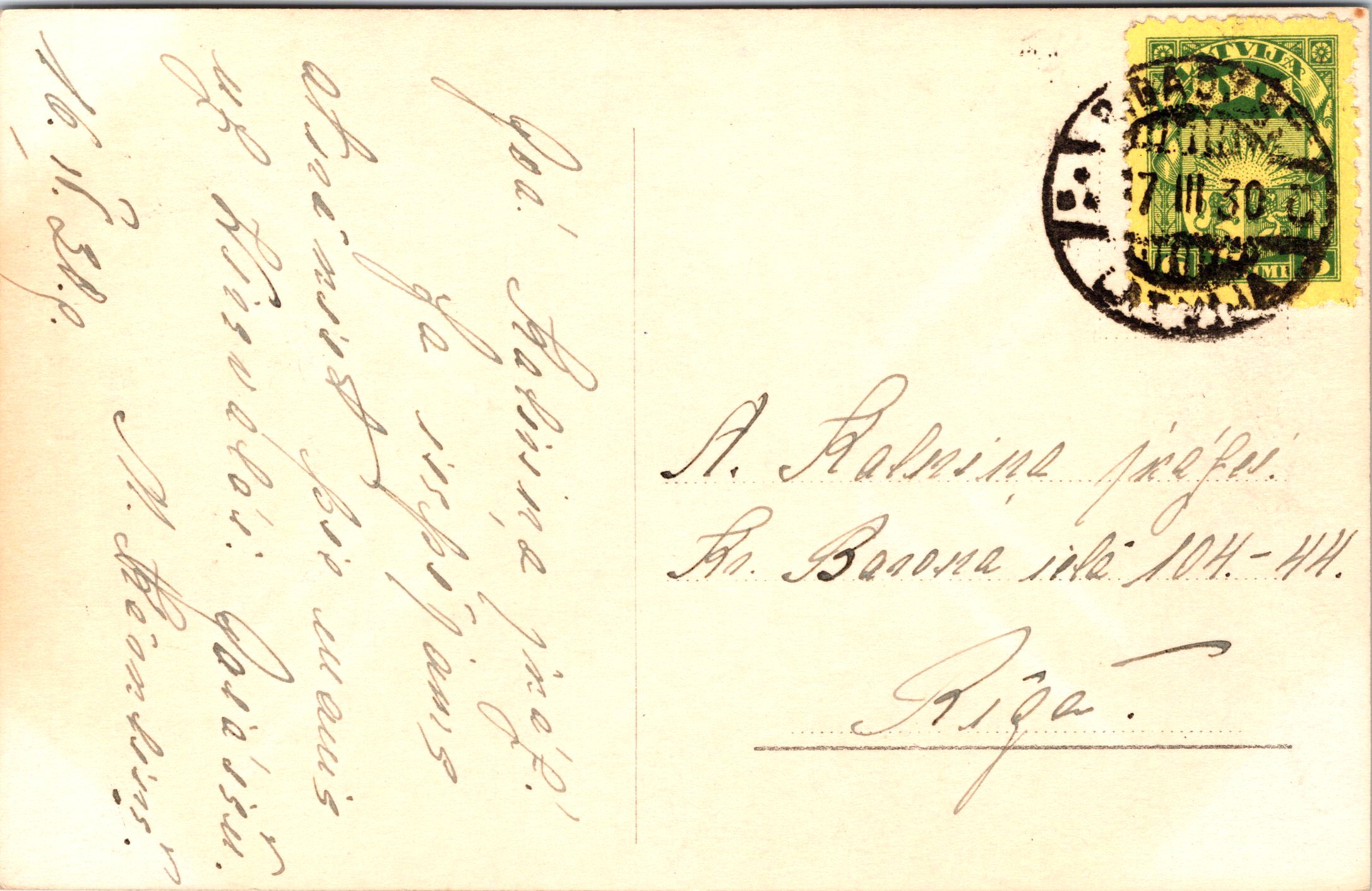
Postcard 2 was published by Ross Verlag as part of a series (No.7348/1). The card has a Latvian stamp and postmark. (SOLD)
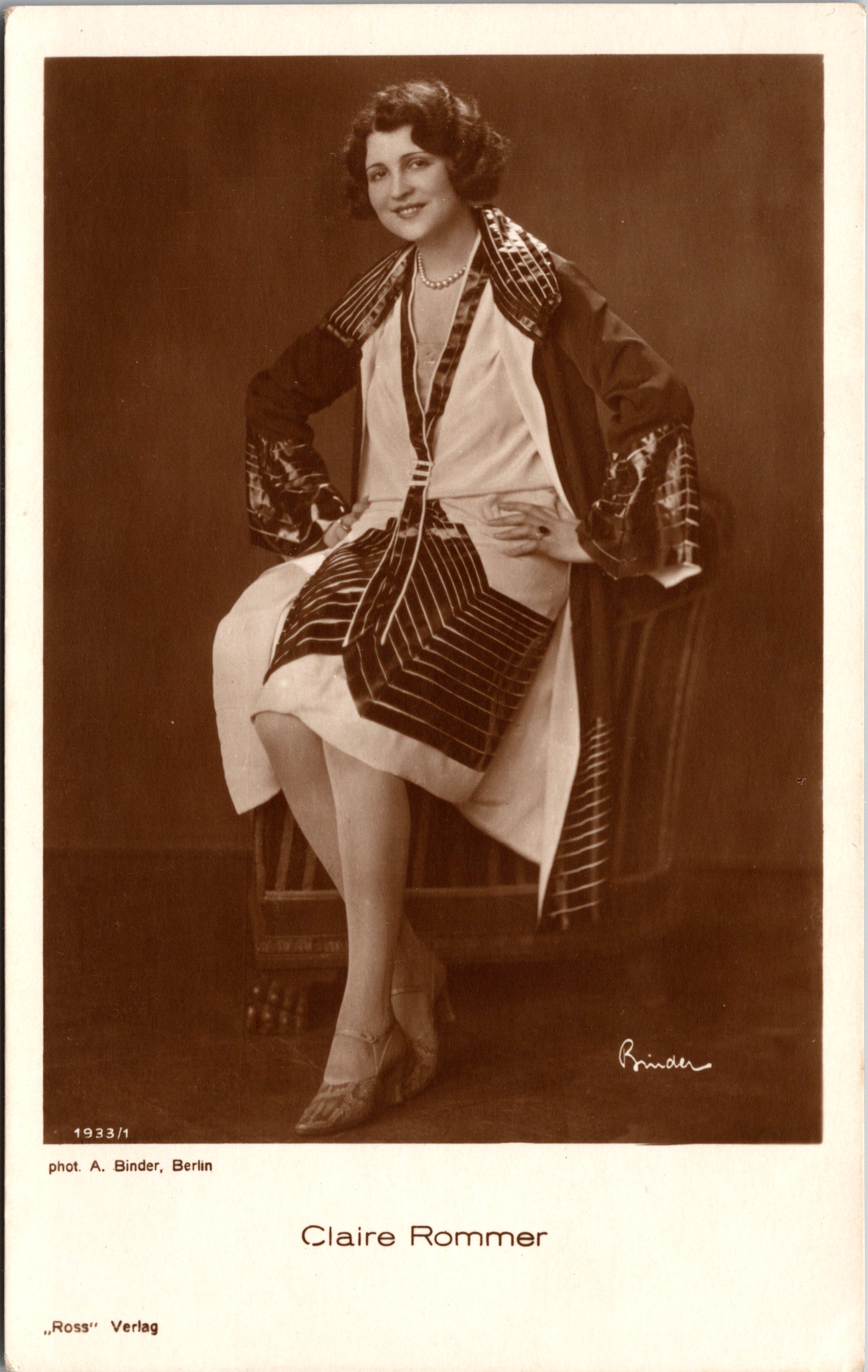
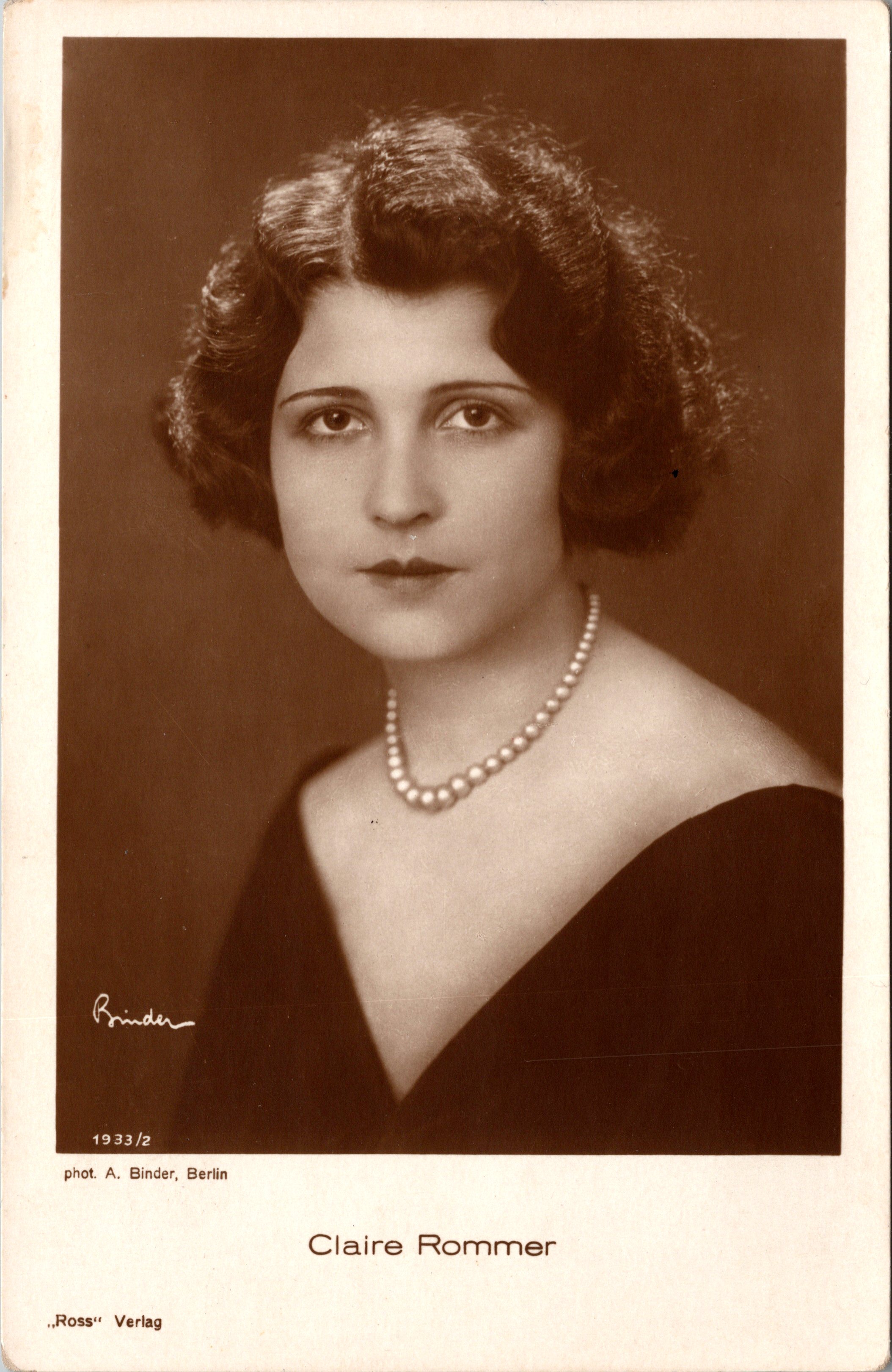
These vintage real photo postcards feature German film actress, Claire Rommer (1904-1996). Her filmography on IMDb credits her with 49 film appearances between 1922 and 1934. She made her film debut at the age of eighteen. She also began her career as a soubrette appearing in operettas and comedies on the Berlin stage. However, her fame came from her film work. She played both leading and supportive roles. She played in silent films and made a successful transition to sound films. She even sang in some of her talkies. She was married to a prosperous Jewih man, named Adolf Strenger. Because of her marriage, in 1938 she was banned from any participation in the German film industry. It was thought that she was probably not Aryan like her husband. The rise of the Nazis forced the couple to leave Germany and emigrate to the United States via Portugal.The pair left Europe with the assistance of Aristedes de Sousa Mendes. He was a Portuguese Consular stationed in France. Mendes defied orders from his government and issued thousands of visas to Jews, allowing them to escape with their families and their lives. He was a hero for his work as a Holocaust rescuer. Ultimately, Mendes was severely punished for his defiance. After leaving Germany, Rommer’s film career ended. In the US, she divorced her husband and married a meat industry multi-millionaire.
Postcard 1 was published by Ross Verlag as part of a series (No.1933/1). Claire Rommer’s photo portrait was taken by celebrity photographer, Alexander Binder. This vintage photo postcard is in excellent condition (see scans). (SOLD)
Postcard 2 was published by Ross Verlag as part of a series (No.1933/2). Claire Rommer’s photo portrait was taken by celebrity photographer, Alexander Binder. This vintage photo postcard is in very good condition (see scans). (SOLD)
Postcard 3 was published by Ross Verlag as part of a series (no.3010/1). Miss Rommer’s portrait was taken by famed celebrity photographer Alex Binder, who operated his studio in Berlin. The postcard was postmarked in 1928. (SOLD)
Evelyn Holt (3 October 1908 – 22 February 2001) was a German actress. Her father was a journalist. Her film career began with UFA, a German film company. It did not take long for her to become a film star. She was popular in the 1920’s and early 1930’s. Holt was blond and blue eyed. In 1931 she became a soubrette at the Grosses Schauspielhaus (a popular theatre) in Berlin. Her film career came to an abrupt end when the Nazis’ took power. It was alleged that Holt was half Jewish, and she was banned from films. The ban was based on her being born with a Jewish sounding last name. Holt married Jewish publisher Felix Guggenheim (1904-1976) in 1936. Two years later the couple emigrated to Switzerland, then England, then the United States. She remained in the U.S. and never returned to acting.
Postcard 1 reveals that Evelyn Holt was quite pretty. She looks very confident in this image. Her dress is shiny. Is it silk? This postcard was published by Ross Verlag, a firm located in Berlin. The card was part of a series (no.6509/2). The photographer of this portrait is Walther Jaeger and the photograph was taken in Berlin, Germany. (SOLD)
Postcard 2 was published by Iris Verlag. Iris Verlag in Vienna was the most important Austrian publisher of film star postcards. The logo for “Lux Film” can be seen in the lower left hand corner of the image. The company was an Italian Film distribution and production company. This card is part of a series (no.946). (SOLD)
Postcard 3 was published by Ross Verlag, a firm located in Berlin. The card was part of a series (no.3553/1). The photographer of this portrait is Ernst Schneider and the photograph was taken in Berlin, Germany. He was considered to be one of the most celebrated studio photographers in Berlin during three decades (1900’s, 1910’s, 1920’s). He photographed many celebrities from the world of theater, opera, circuses, and film. He was also one of the most prominent fashion photographers in Berlin. In addition, he was well known for his nude photography, and he published books showcasing his work in this domain. Sometime around 1908 Schneider began working with postcard publishers “Rotophot” and “Neue Photographische Gesellschaft” (NPG). In 1919 he began working with Ross Verlag. The card was postmarked in 1928 in the city of Riga, Latvia. (SOLD)
 CABINET CARD 1 (SOLD)
 CABINET CARD CARD 2
 CABINET CARD 3