
This vintage real photo postcard features a pretty woman wearing a bird nest hat. At least it looks like a bird nest. This young woman has the beauty to wear this unusual hat and look terrific rather than silly. The postcard is of French origin and was published in Paris. The Publisher’s logo “LL” can be seen on the front of the postcard. The postcard is part of a series (#123). “LL” postcards were produced for France, England, United States, and other nations. For many years postcard collecting experts believed the logo stood for Louis Levy but there was no real supporting evidence and that belief died around 1991. Later research arrived at the conclusion that the initials “LL” stand for (Moyse) Leon and his son-in-law (Isaac) Levy. Leon and Levy began their career as assistants with the Parisian photographic studio Ferrier-Souilier. The pair began their own photographic studio in 1862. Leon and Levy’s studio won a gold medal at the 1867 Universal Exhibition. Leon left the partnership in 1872 and Levy kept the business going and continued to use the “LL” logo. The company was renamed Levy Fils et Cie. Levy died in 1913 and the company was later bought by the printer Emile Crete.



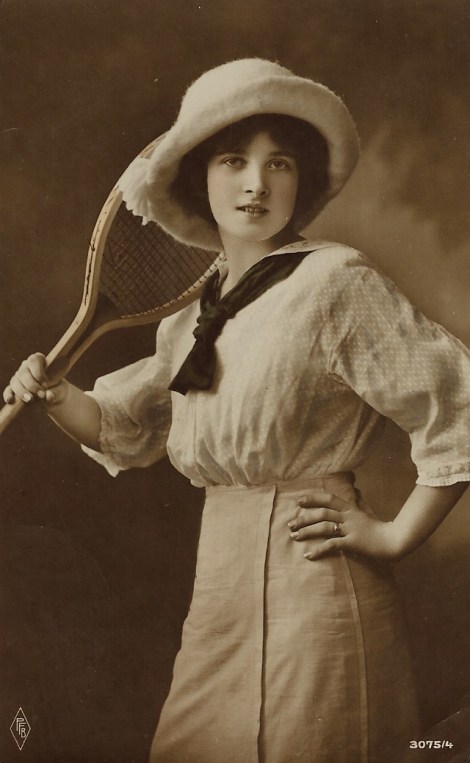
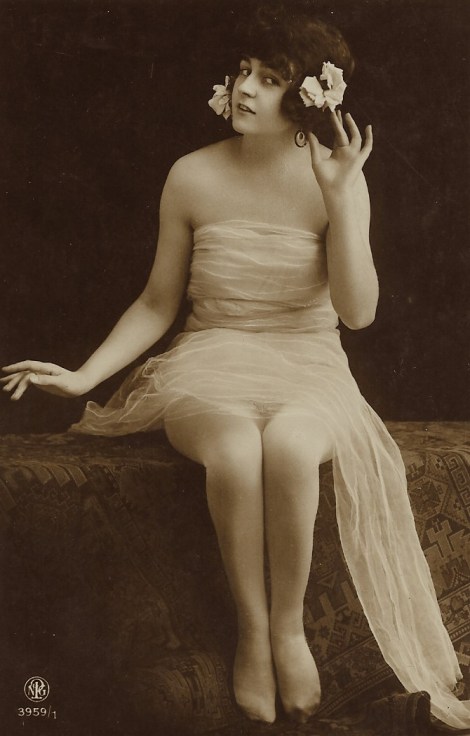 This vintage real photo postcard features a scantily clad sexy young woman wearing a “come hither” expression. There is little doubt that this postcard portrait was meant to be sexually inviting. This image supports the principle that “sex sells”. Sex sold products in the early 1900’s just as it does today. This postcard is of German origin. It was published by “NPG” (Neue Photographische Gesellschaft). The company was a leading bromide photo printing company for many years. The stamp box of this particular postcard has an interesting story. “NBC” (Neue Bromsilber Convention) was price cartel established in 1909 that continued until the 1930’s. The purpose of the cartel was to ensure that the minimum price charged for postcards was kept at a sufficiently profitable level. A number of postcard publishing companies joined the cartel in an effort to stave off the effect of competition on the pricing of postcards. (SOLD)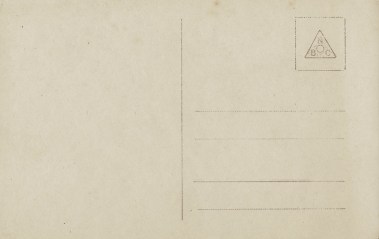
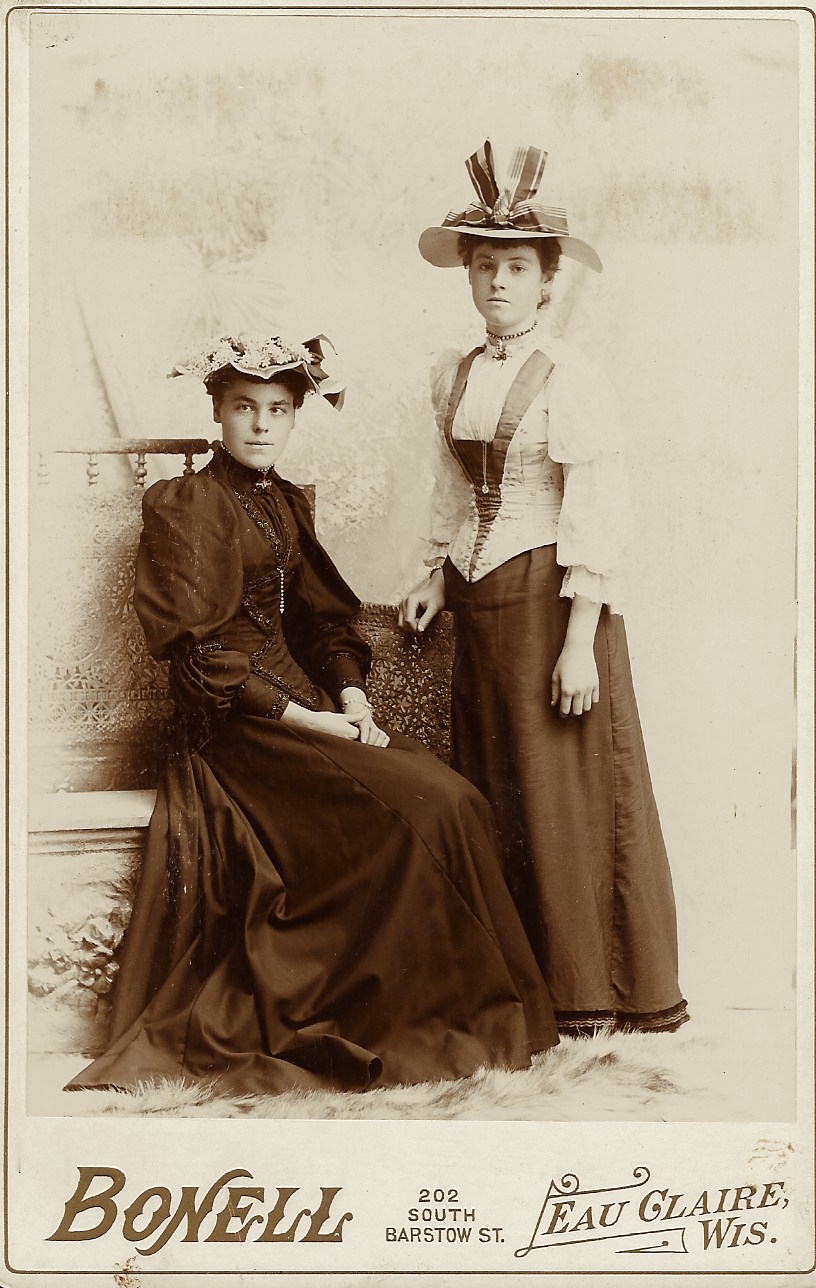
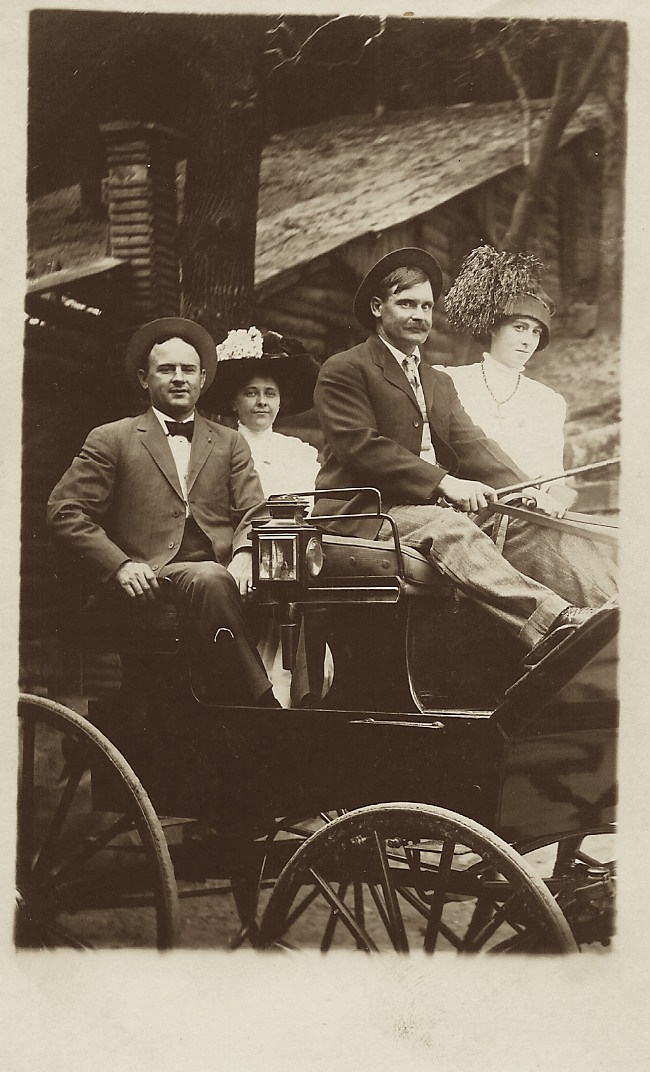



 THE CABINET CARD GALLERY