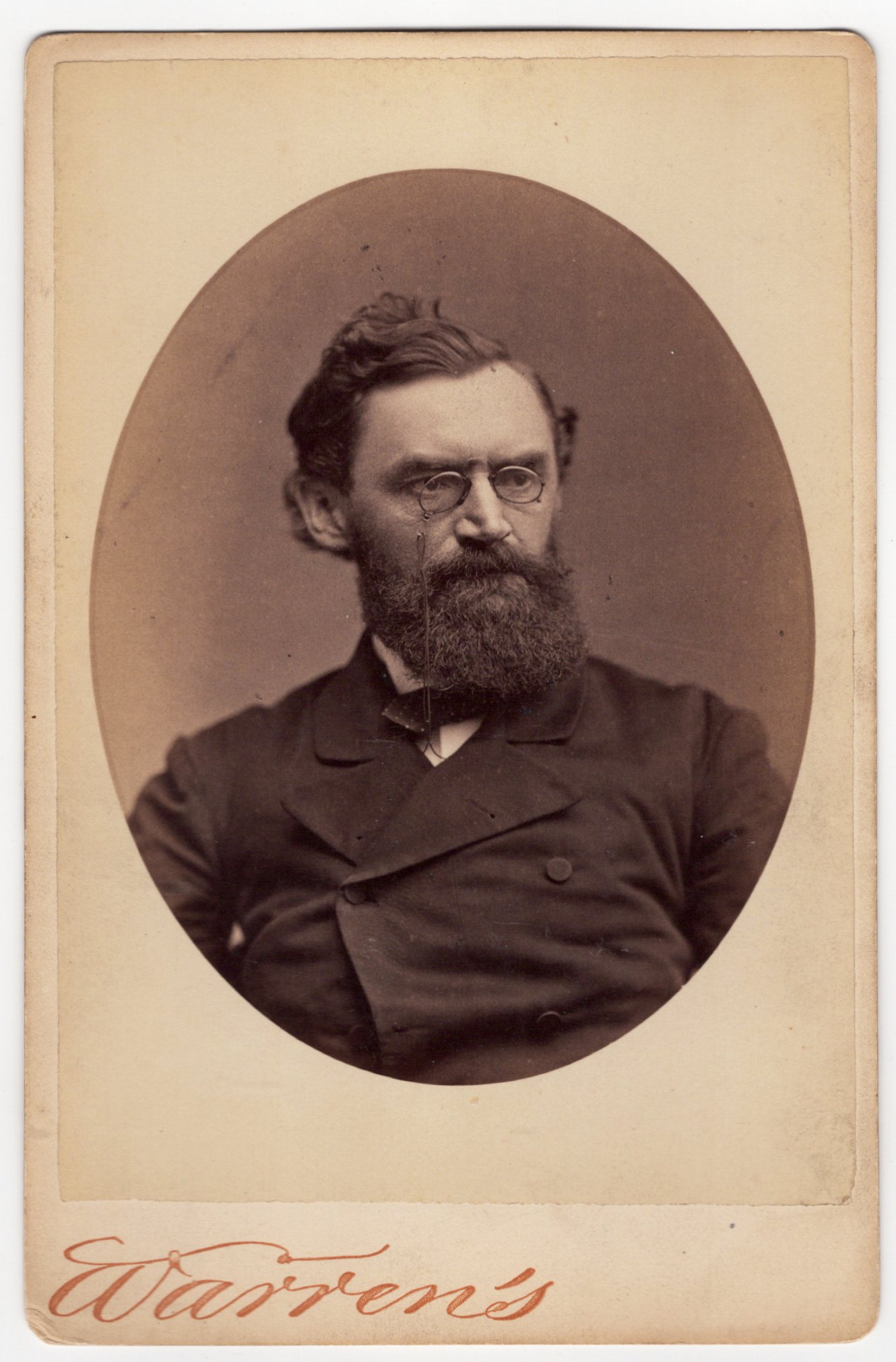
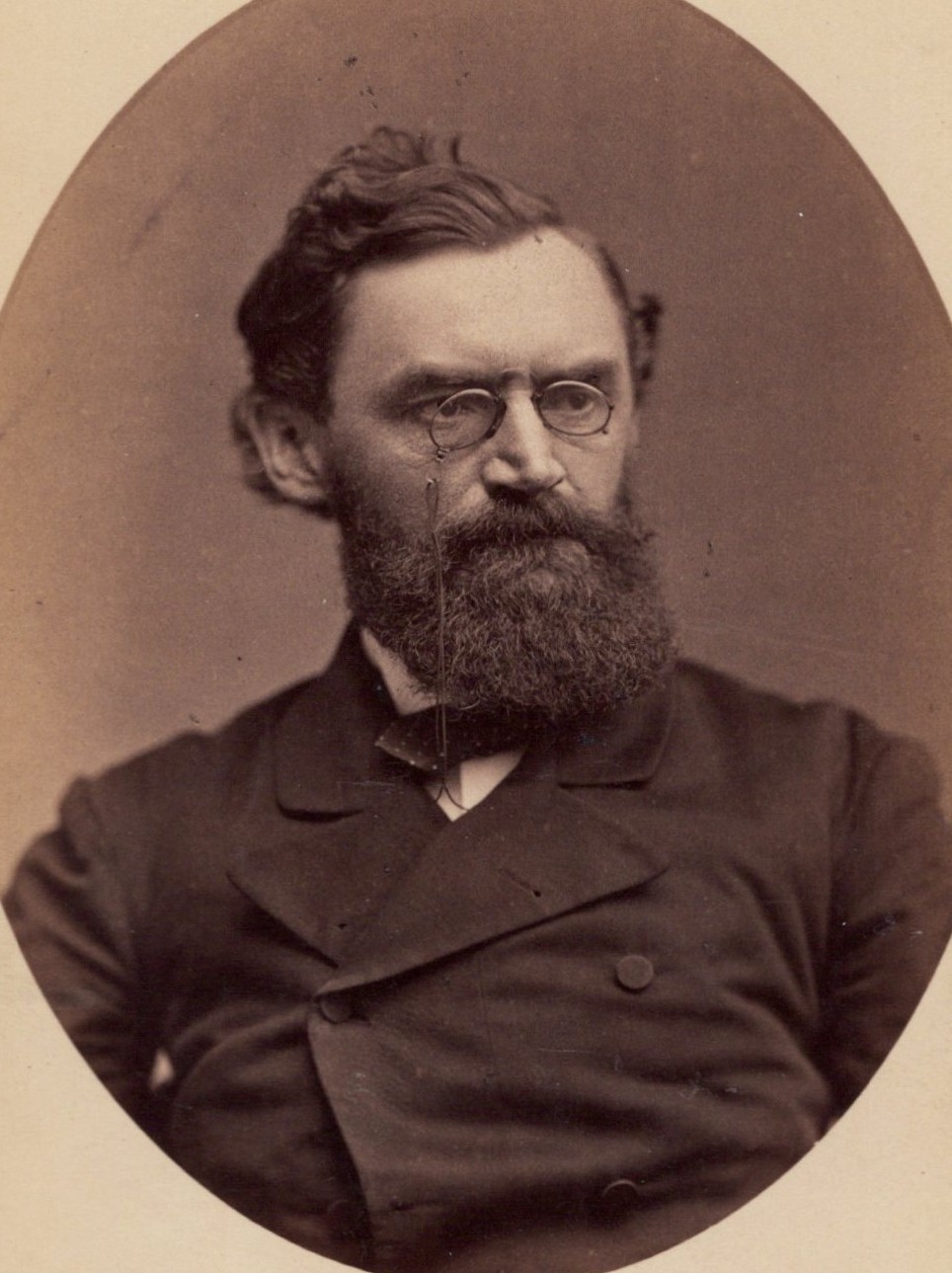
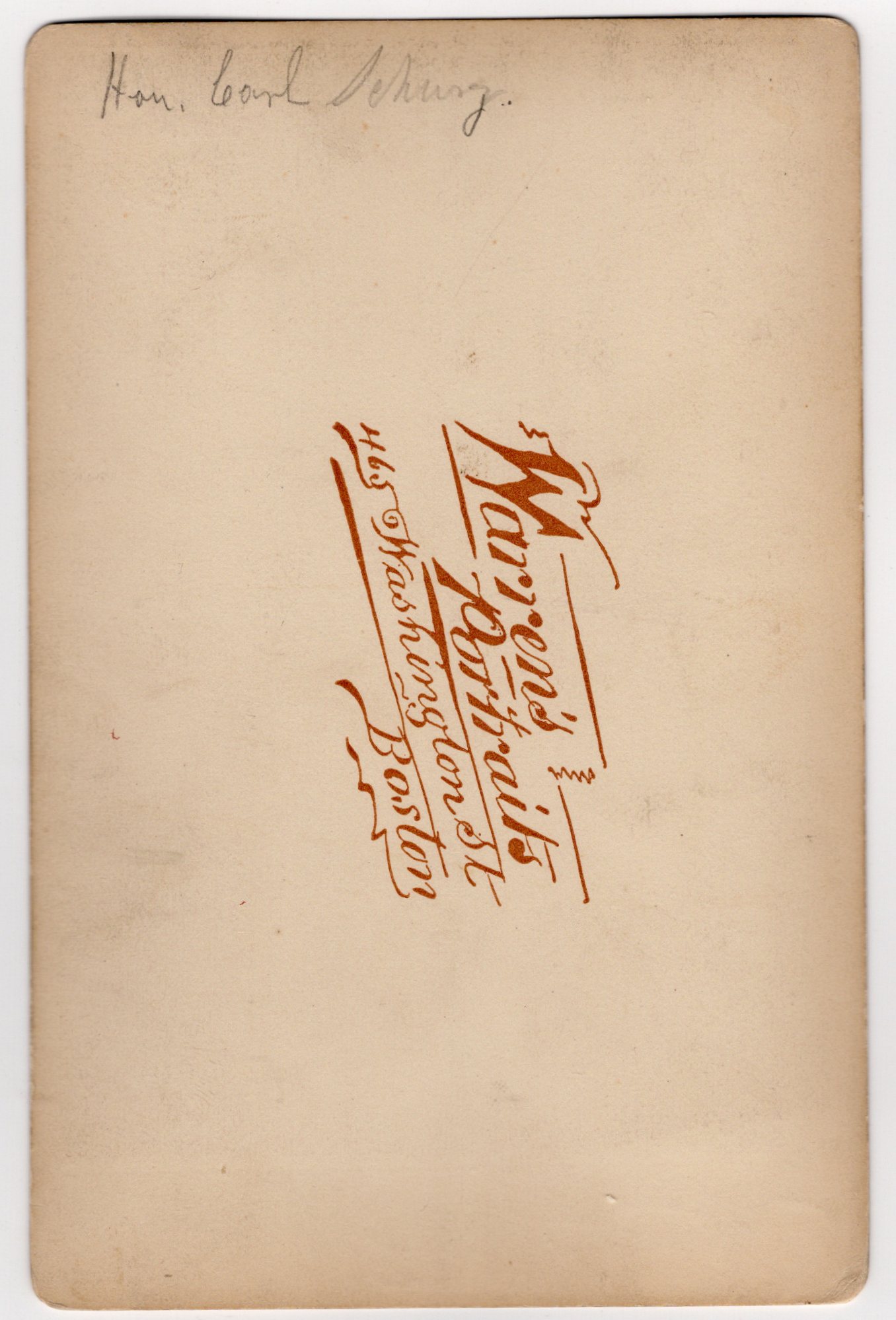
This striking 19th-century cabinet card features The Honorable Carl Schurz (1829-1906), a distinguished Civil War general, U.S. Senator, and reform-minded statesman. The photograph was taken at Warren’s Portraits, a prestigious Boston studio located at 465 Washington Street and renowned for its elegant images of notable figures during the late 1800s. In this formal portrait, Schurz is captured in a three-quarter view, seated in a dark, double-breasted coat with a subtle bow tie at his collar. His thick, well-kept beard and wavy hair give him a scholarly yet commanding presence. He gazes slightly to his left, a monocle suspended at his eye—projecting a look of intellectual rigor and seriousness. The background is a simple studio gradient, helping focus all attention on Schurz’s intense expression and refined appearance. On the reverse, the card is elegantly marked with the Warren’s Portraits logo. In pencil is written: “Hon. Carl Schurz,” affirming the identity of the sitter. Carl Schurz was born in Liblar, Prussia (modern-day Germany) in 1829. A revolutionary in his youth, he fought in the 1848 German uprisings, which ultimately failed, forcing him to flee Europe. He emigrated to the United States in 1852, where he quickly became involved in politics and the anti-slavery movement. During the American Civil War, Schurz was appointed brigadier general of Union volunteers by President Lincoln in 1862. He eventually rose to the rank of major general. Though courageous and respected, his battlefield performance received mixed reviews. He fought in key engagements including: the Second Battle of Bull Run (1862), the Battle of Chancellorsville (1863), and the Battle of Gettysburg (1863), where his XI Corps was flanked on the first day. While he was not a professional military man, Schurz’s service was notable for his efforts to advocate for German-American troops and his commitment to the Union cause. He did not have prior military experience in Europe before serving in the U.S. Army. After the war, Schurz enjoyed a long and prominent career in politics. He served as a U.S. Senator from Missouri (1869–1875) and later as Secretary of the Interior under President Rutherford B. Hayes (1877–1881). A staunch advocate of civil service reform and anti-corruption measures, he became one of the leading voices of the Liberal Republican movement. This cabinet card was produced by Warren’s Portraits, one of Boston’s most prominent photography studios in the 19th century. Operated by William Shaw Warren, the studio specialized in elegant, high-quality portraits and was especially known for photographing celebrities, politicians, military figures, and distinguished members of Boston society. Warren’s operated primarily during the 1860s through the 1890s. Warren’s images often feature clean studio backdrops, strong lighting, and detailed retouching, emphasizing refinement and dignity—qualities clearly present in this cabinet card of Carl Schurz. (SOLD)
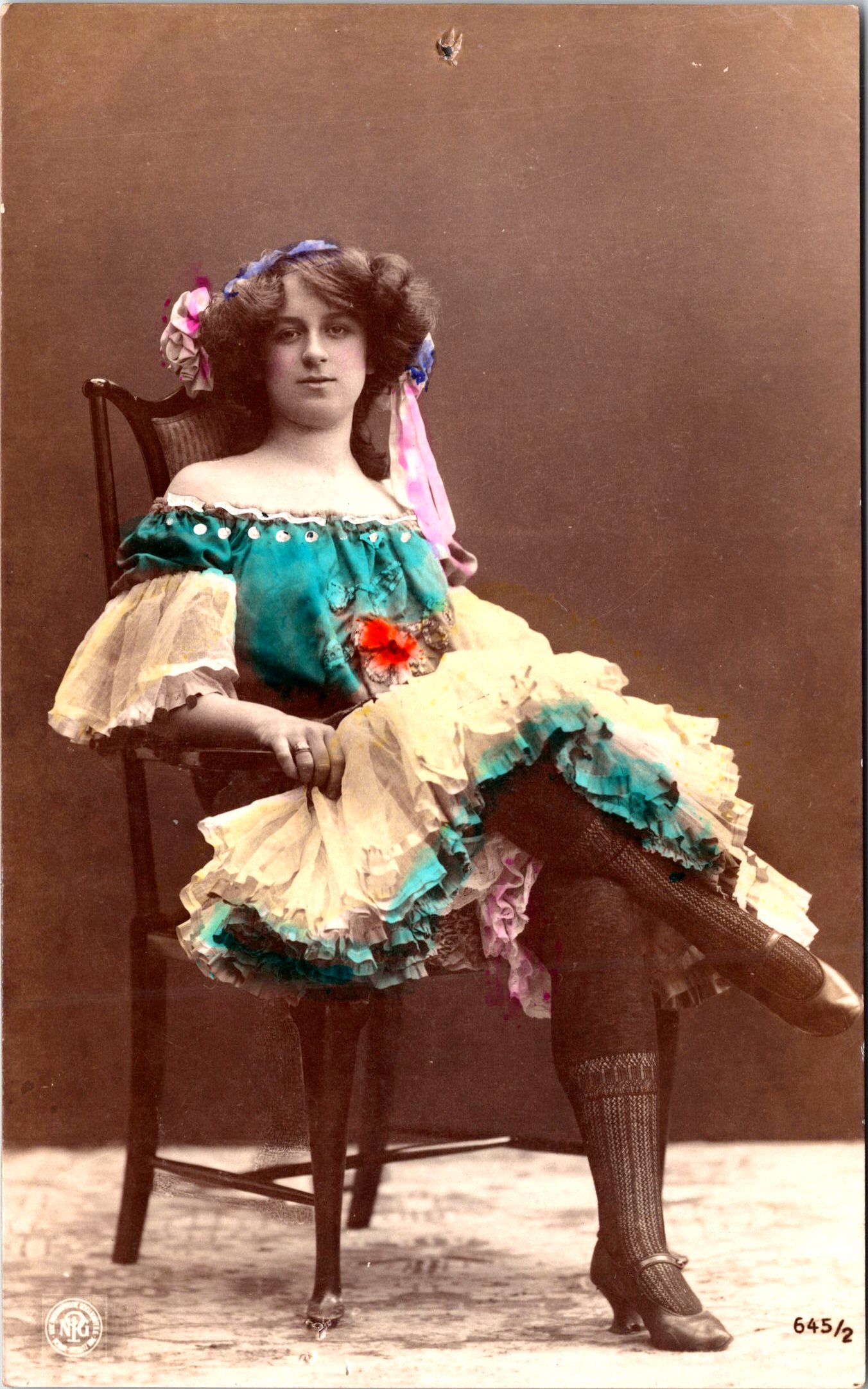
PRETTY PARISIAN ACTRESS : HAND-TINTED : NPG : RPPC 1904
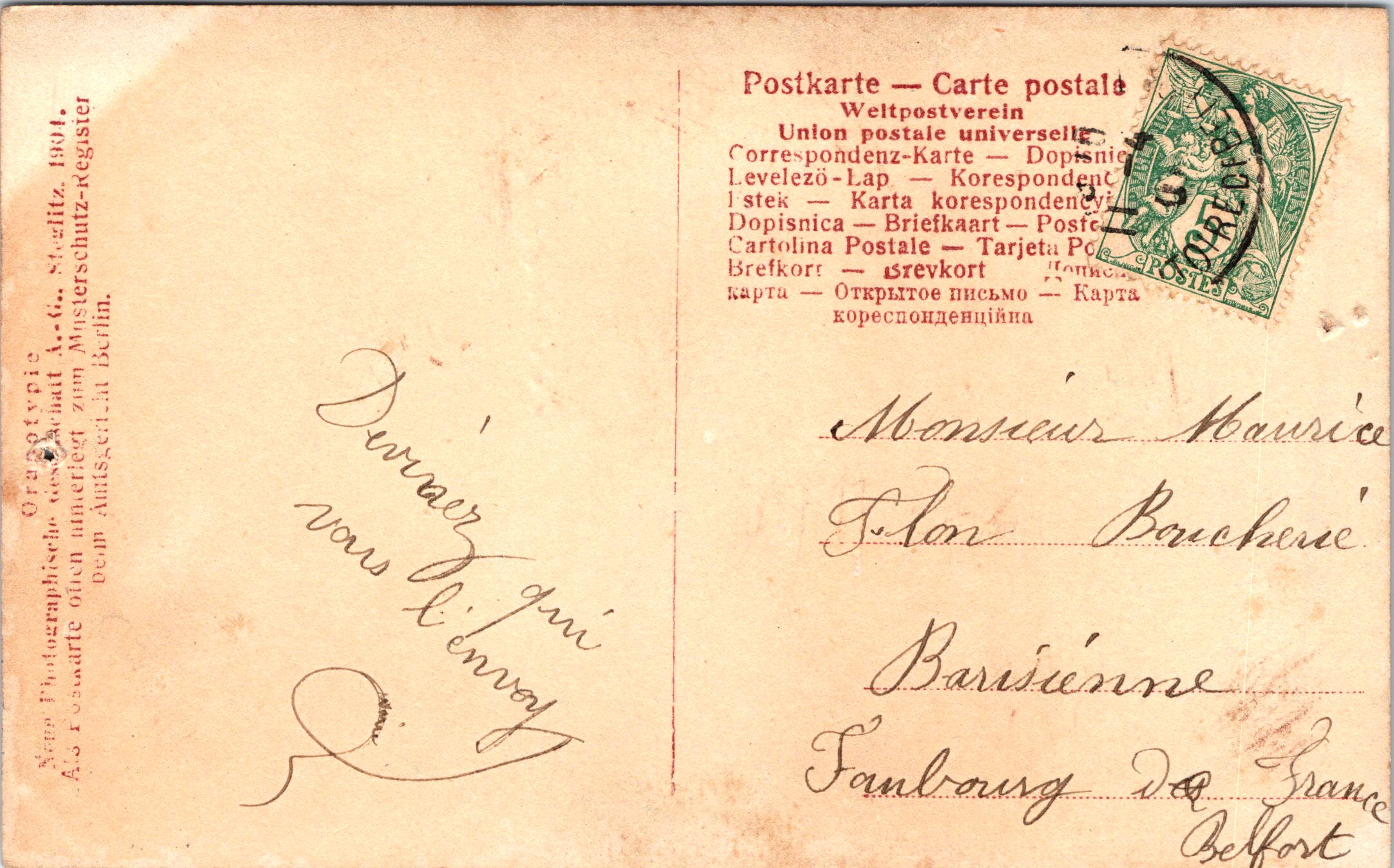
This is a striking hand-tinted real photo postcard (RPPC) featuring a young actress or performer seated confidently on a chair. The card is part of the NPG (Neue Photographische Gesellschaft) series, serial number 645/2, and dates to 1904. It was printed in Berlin, Germany, as indicated on the reverse. The woman in the image has voluminous, dark, curly hair adorned with colorful ribbons, one pink and one lavender. She wears a bold theatrical costume: a bright turquoise satin dress trimmed with cream-yellow ruffled sleeves and skirt, accented by a vivid red flower at the bodice. The layered ruffles of her skirt spill over her lap, giving her a lively, almost playful stage presence. She sits with her legs crossed, her expression calm and slightly defiant, exuding poise and self-assurance. Her dark stockings and buttoned heels complete the look, emphasizing her identity as a stage performer rather than a conventional society portrait sitter. Neue Photographische Gesellschaft A.G. was a leading German postcard and photographic publishing house active in the early 20th century. The left-side imprint, translated, reads: “Original photograph by NP Steglitz refers to the Berlin district where NPG was located, not the photographer’s surname. On the reverse, the postcard carries a green French stamp, confirming that the card was mailed from France, even though it was printed in Germany. The stamp is from the French “Sower” (La Semeuse) series, first issued in the early 20th century. The message on the card, translated from French reads: “Guess who is sending this to you.” SOLD

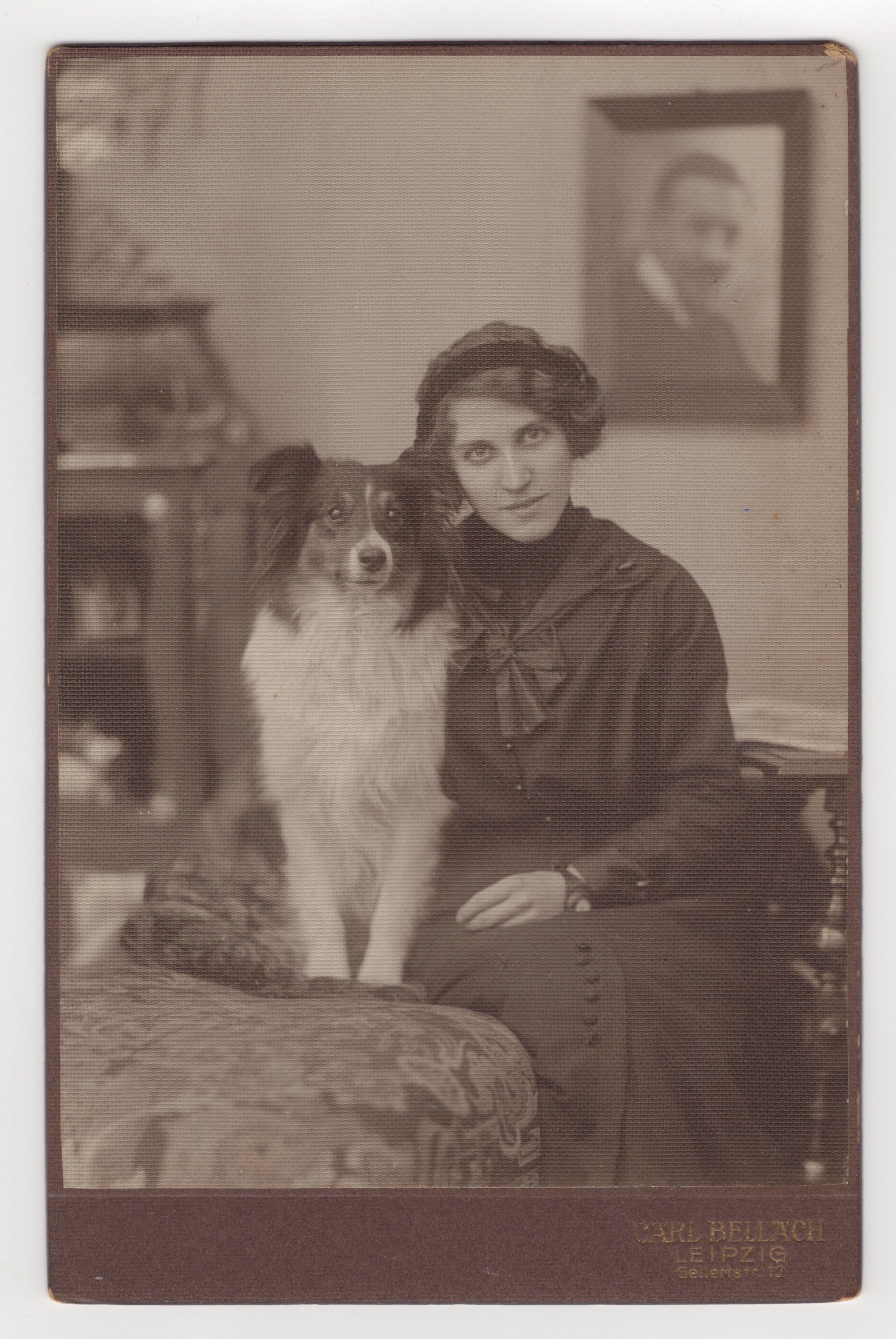
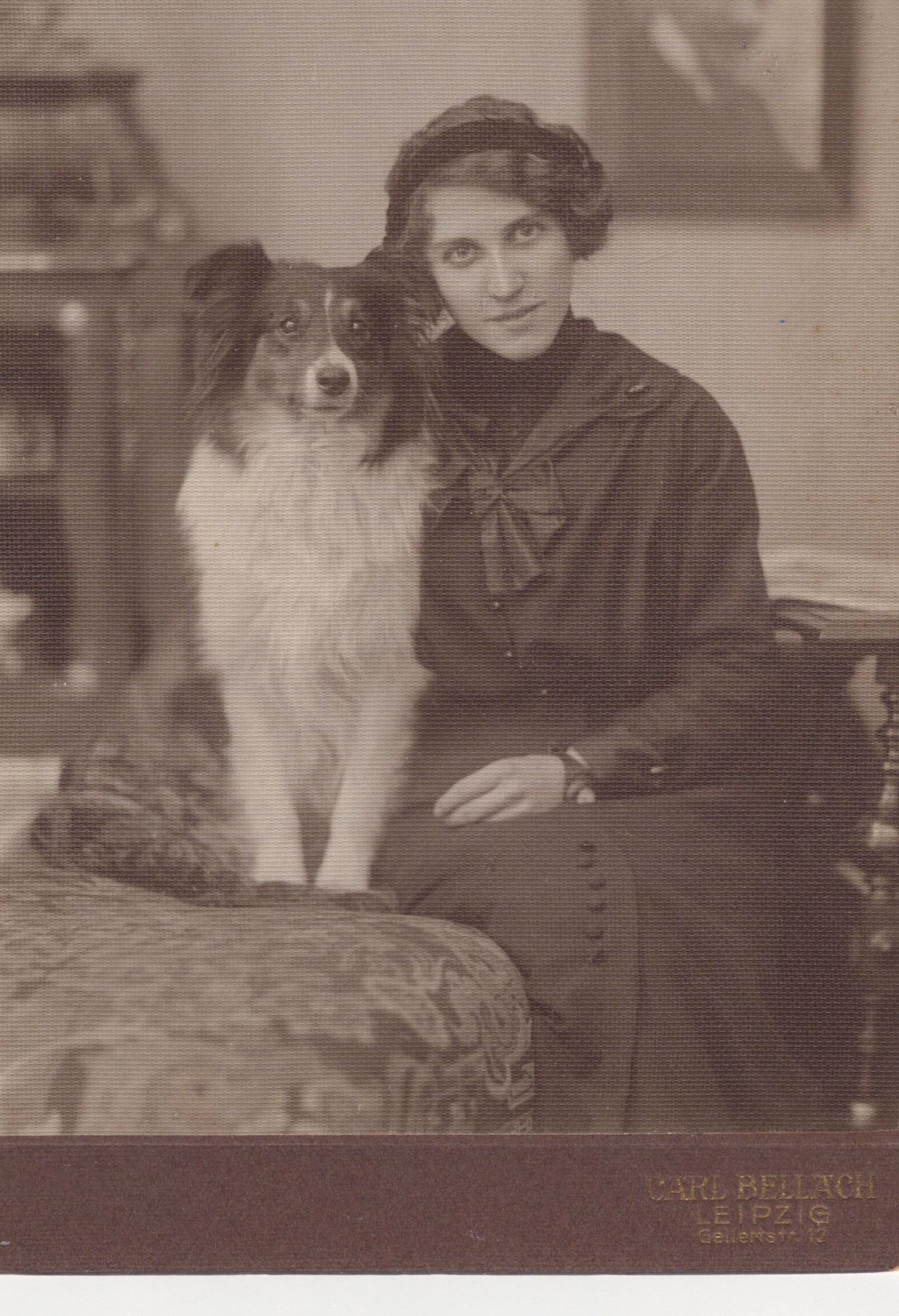
CHARMING WOMAN WITH HER COLLIE DOG : LEIPZIG, GERMANY : BY BELLACH : CABINET CARD
This evocative cabinet card photograph captures an intimate and timeless portrait of a young woman and her loyal dog, taken by the studio of Carl Bellach (1848-1920) in Leipzig, Germany. The woman sits gracefully beside her canine companion, her body turned slightly but her gaze directed straight into the camera. Her expression is serene and soft, with a gentle smile that suggests both composure and affection. She wears a dark Edwardian dress with a high collar and a prominent bow at the neck, detailed with fabric-covered buttons along the front and sleeve cuffs. Her hair is styled in soft waves and pulled back, adorned with a ribbon or dark headband, reflecting the elegant fashion of the early 20th century. Next to her sits a beautiful dog, likely a rough-coated Collie or a Border Collie mix, whose thick fur and calm, attentive expression add a warm, personal touch to the image. The dog sits proudly on a patterned upholstered bench, perfectly posed as if aware of the photographic moment. The room in which they are posed is softly lit and richly decorated, with a curio cabinet or sideboard in the background, suggesting a comfortable middle-class home. A framed portrait of a man hangs on the wall—perhaps a family member, adding a sentimental layer to the setting. The overall tone of the photograph is tender and domestic, a quiet glimpse into the bond between human and animal, beautifully preserved. The sepia tones and excellent clarity make this image a fine example of studio portraiture from pre-WWI Germany. The photographer, Carl Bellach, was a known Leipzig studio operator, and his imprint appears in gold at the bottom right corner of the mount. Bellach was also known for being an entomologist (scientific study of insects). (SOLD)
PORTRAIT OF TWO AFFECTIONATE YOUNG GIRLS AT THE BEACH

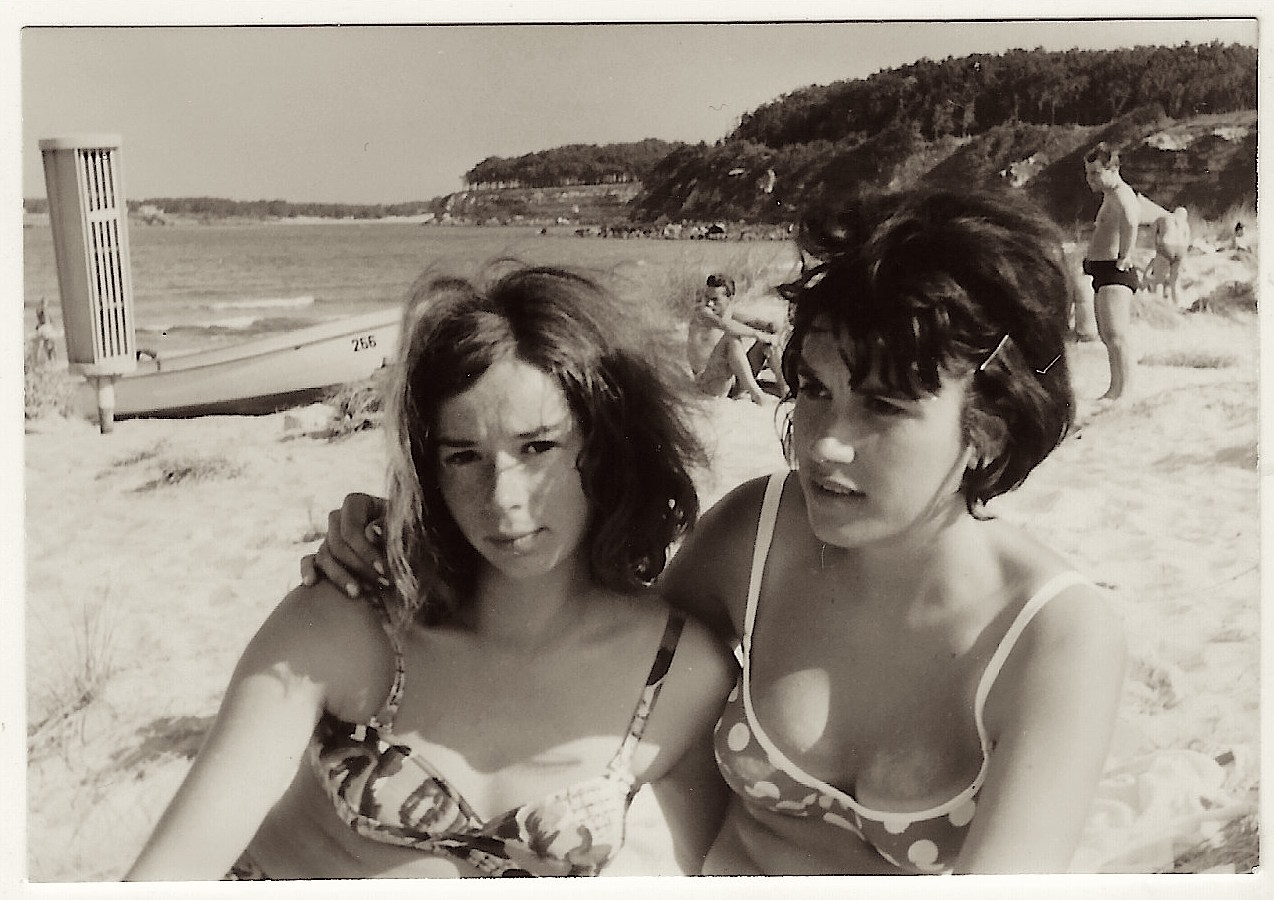
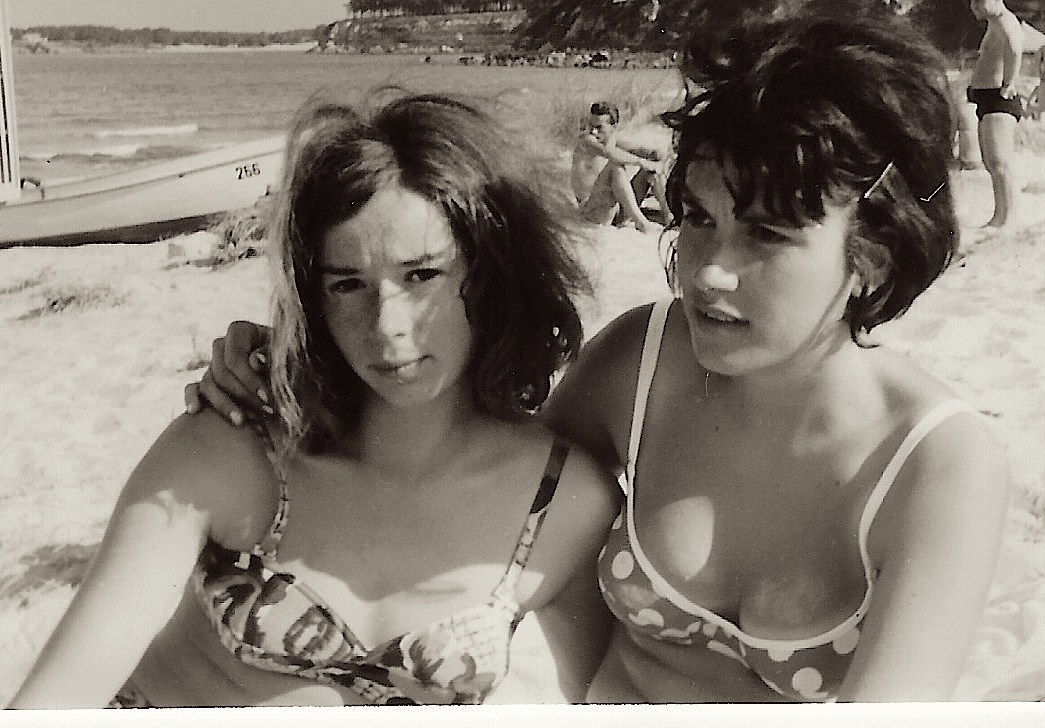
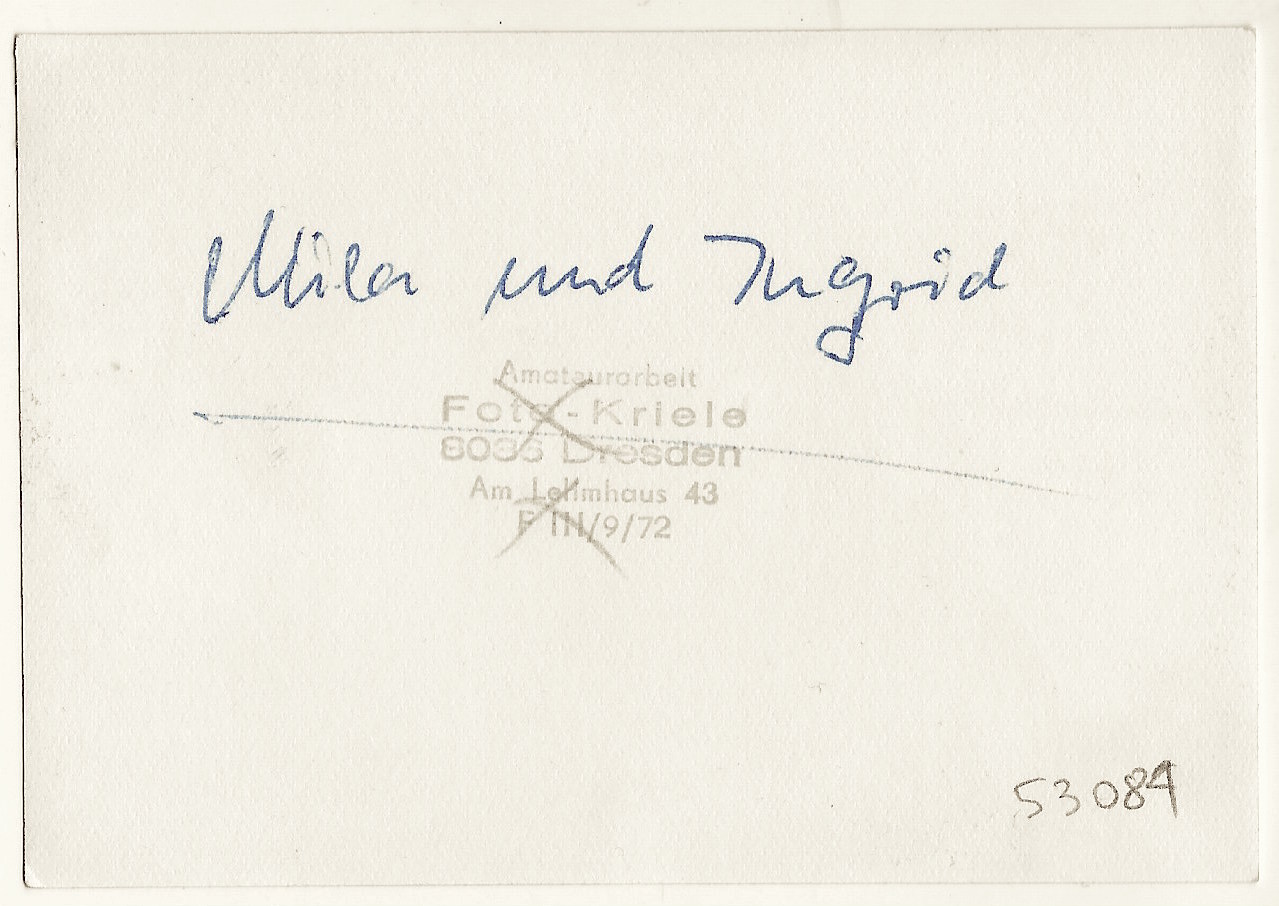
Two young girls pose for a vintage snapshot photograph as they sit on the sand at the beach. One girl has her arm affectionately around the shoulder of the second girl. The recipient of the affection is displaying a sour expression. Are the girls sisters? Could they be close friends? The answer is lost to history. The girls names are written on the reverse of the photo. I can only decipher one of the names. It is “Ingrid”. A stamp on the reverse of the snapshot indicates that the photograph was developed in Dresden, Germany. Dresden is the second largest city in Saxony. It is situated on the banks of the River Elbe. It is near the border of the Czech Republic. There are beaches along the Elbe and perhaps this image captures one of them. SOLD
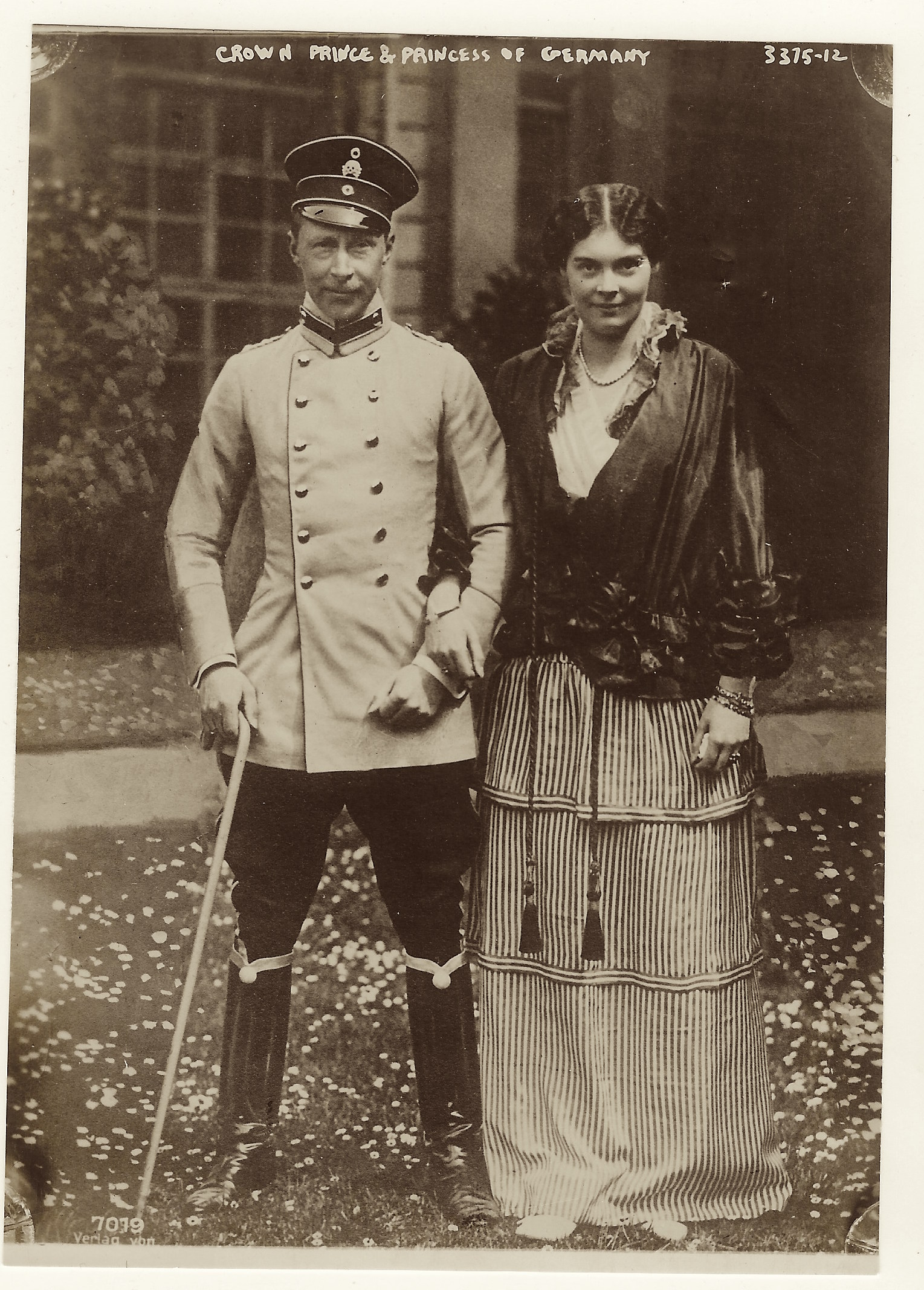
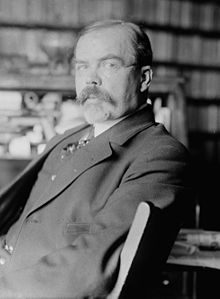
CROWN PRINCE WILHELM AND PRINCESS CECILIE OF GERMANY (PRESS PHOTO)

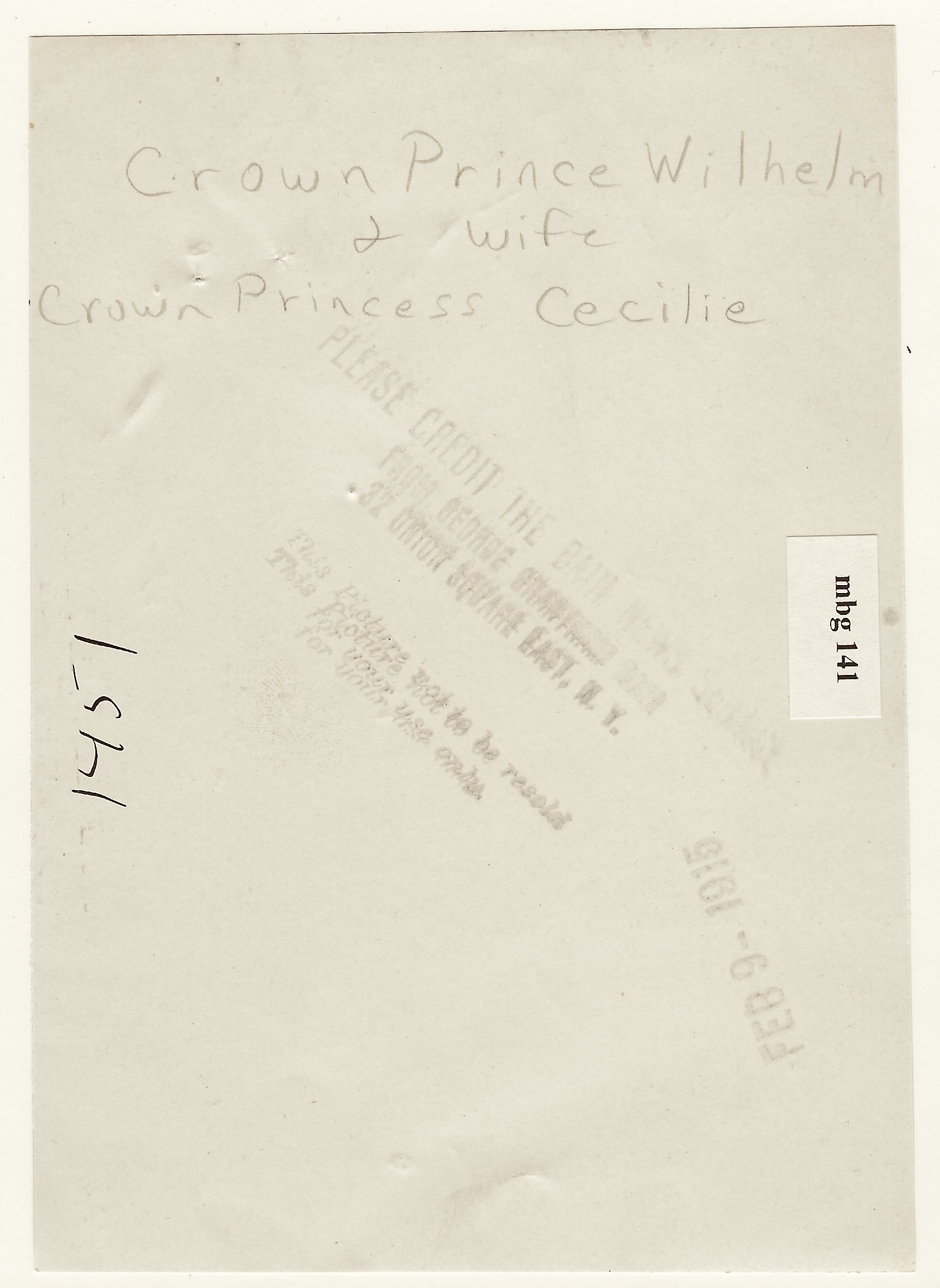
This vintage press photograph features Crown Prince Wilhelm and his wife, Crown Princess Cecilie. The photo was taken by George Grantham Bain in 1915 and it likely appeared in a number of newspapers.Some readers may be wondering about these Royals. Who are these people? Prince Wilhelm (1882-1951) was the last Crown Prince of Prussia and the German Empire. He married Duchess Cecilie of Mecklenburg-Schwerin (1886-1954) in 1905. The pair’s marriage wasn’t rock solid. The Crown Prince had affairs with both American opera singer Geraldine Farrar and dancer Mata Hari. The photographer of this photograph was a pioneer news photographer. George Grantham Bain (1865-1944) was a New York City photographer known as “the father of photographic news”. He was a chemistry graduate of St Louis University and also received a law degree there. He then became a reporter for two St. Louis newspapers in succession and one of his assignments was Washington DC correspondent. He then worked for United Press International and in 1898 started the Bain News Service. Forty thousand of Bain’s glass negatives are in the collection of the Library of Congress. This vintage press photo was published by the Bain News Service. SOLD
Photo of George Grantham Bain
FEMALE PIERRETTE CLOWN : BURLESQUE : CABARET : GERMANY : RPPC : 1920’s
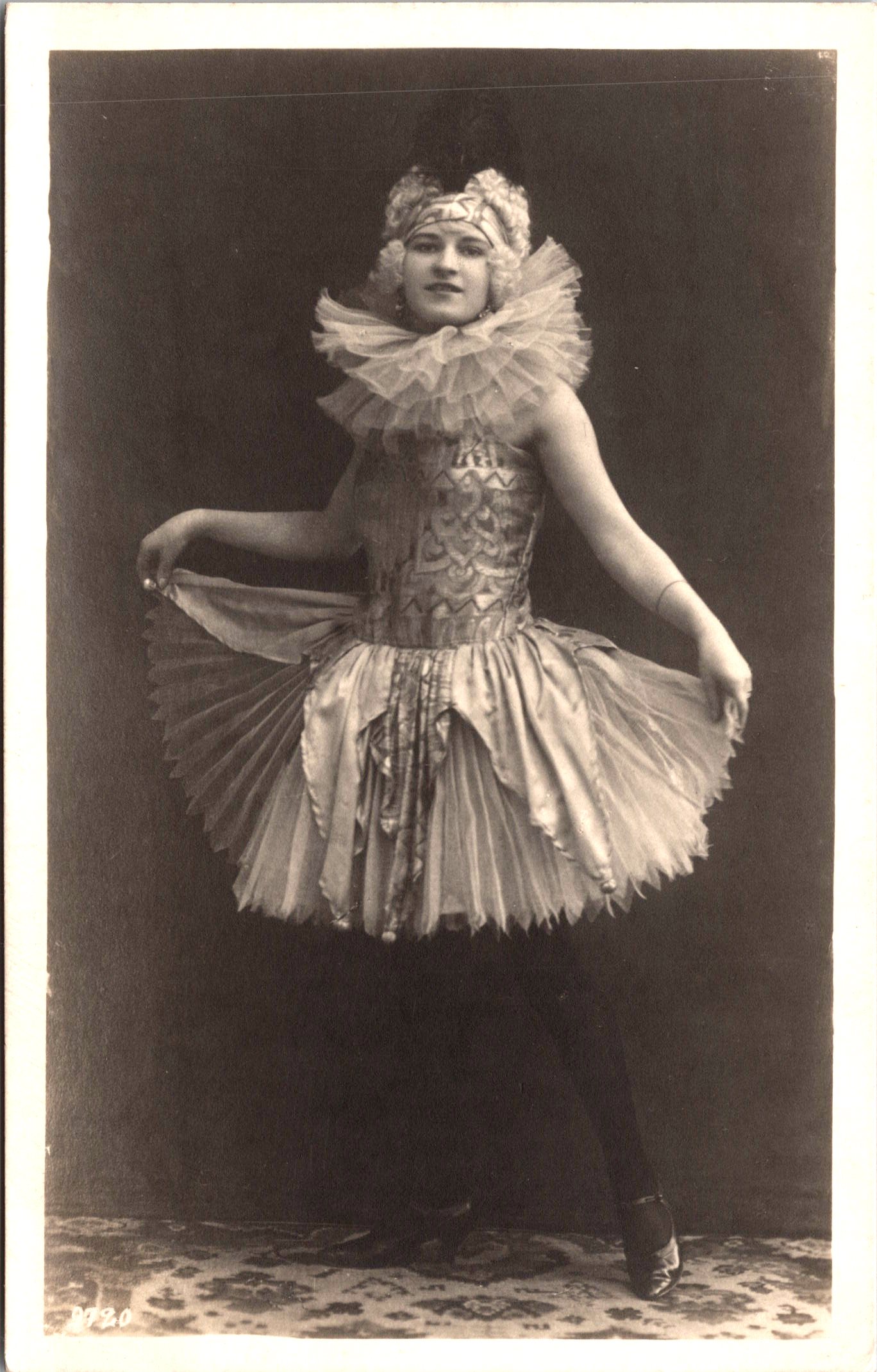
This vintage divided back real photo postcard features a young woman dressed as a Pierrot. Actually, the female version of a Pierrot is “Pierrette”.
The girl’s photo was taken by Hilde u. Clown Sarra Musik-Akt. The publisher of the postcard was Graph. Anstalt, located in Magdburg, Germany. (SOLD)

DEATH CARD : WORLD WAR I GERMAN SOLDIER : DIED IN BATTLE : TRIBUTE TO FRANZ HUBER
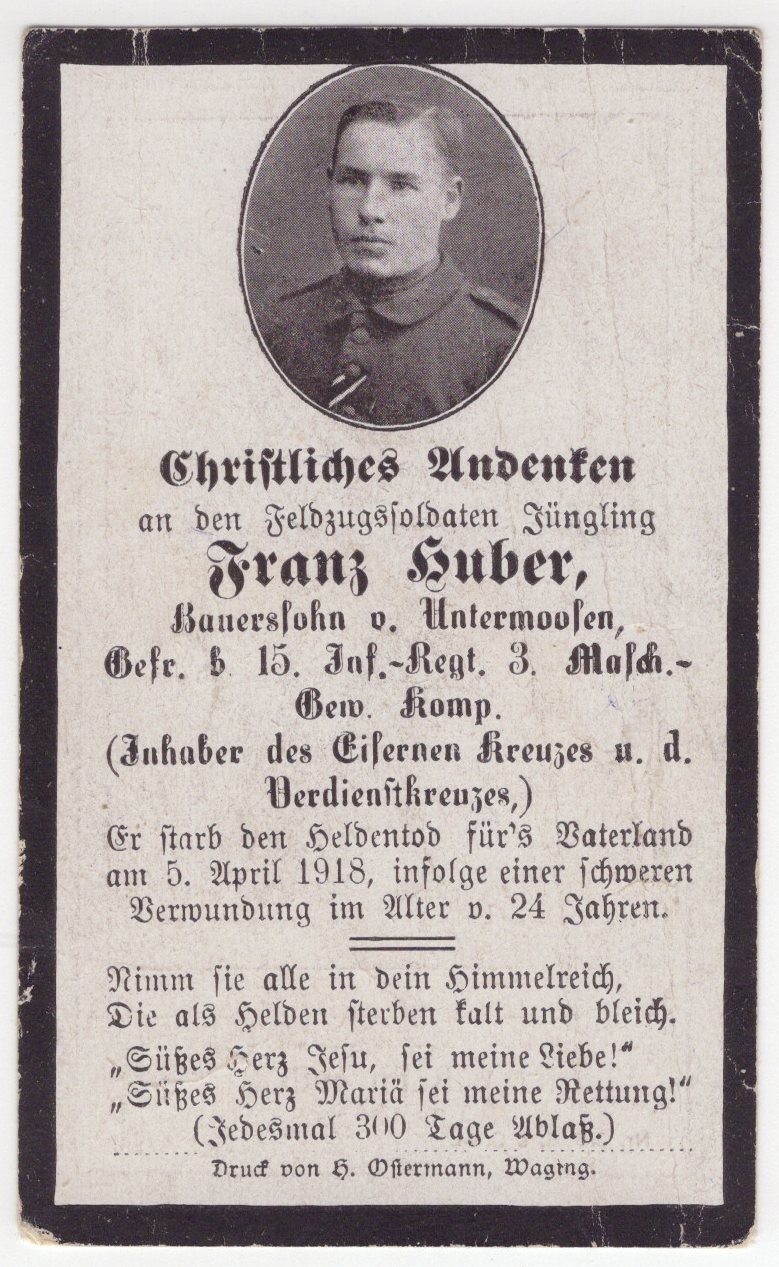
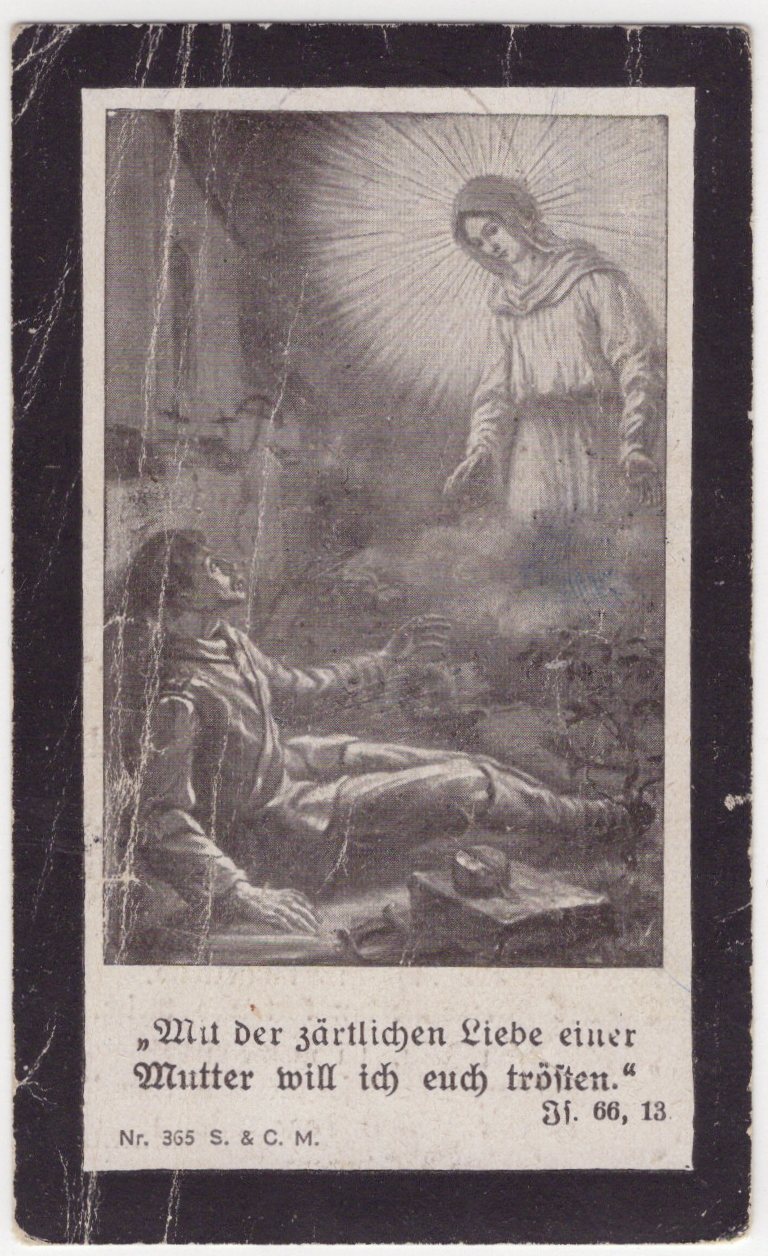
This item is a World War I death card. It was customary to issue a card for fallen soldiers of the German army, navy and air force. The front of the card states that it is a Christian commemoration of the campaign soldier youth, Franz Huber. Information about his regiment and overall unit is provided. It is stated that the soldier was awarded the Cross of Merit. Furthermore, it states that Huber died a heroic death for his country on April 5, 1918. He died as the result of a serious injury at the young age of 24. A prayer is at the bottom of the card and there is a notation that the card was printed by H. Ostermann of Waging, Germany. The reverse of the card has a touching quote. “With the tender love of a mother I want to comfort you. SOLD
PORTRAIT OF PRETTY GERMAN FILM ACTRESS KARIN HARDT
POSTCARD 1 (SOLD)
POSTCARD 2
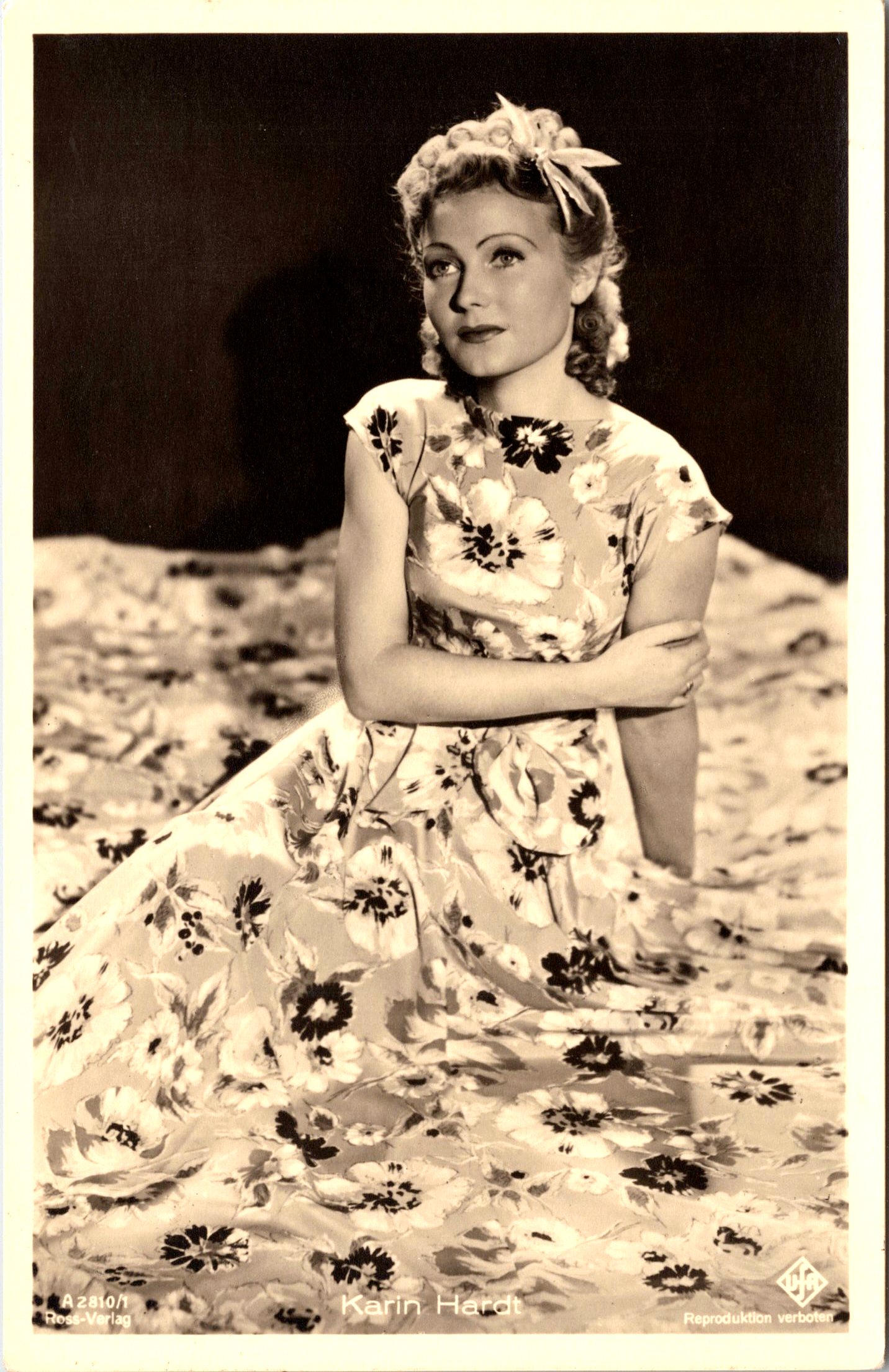
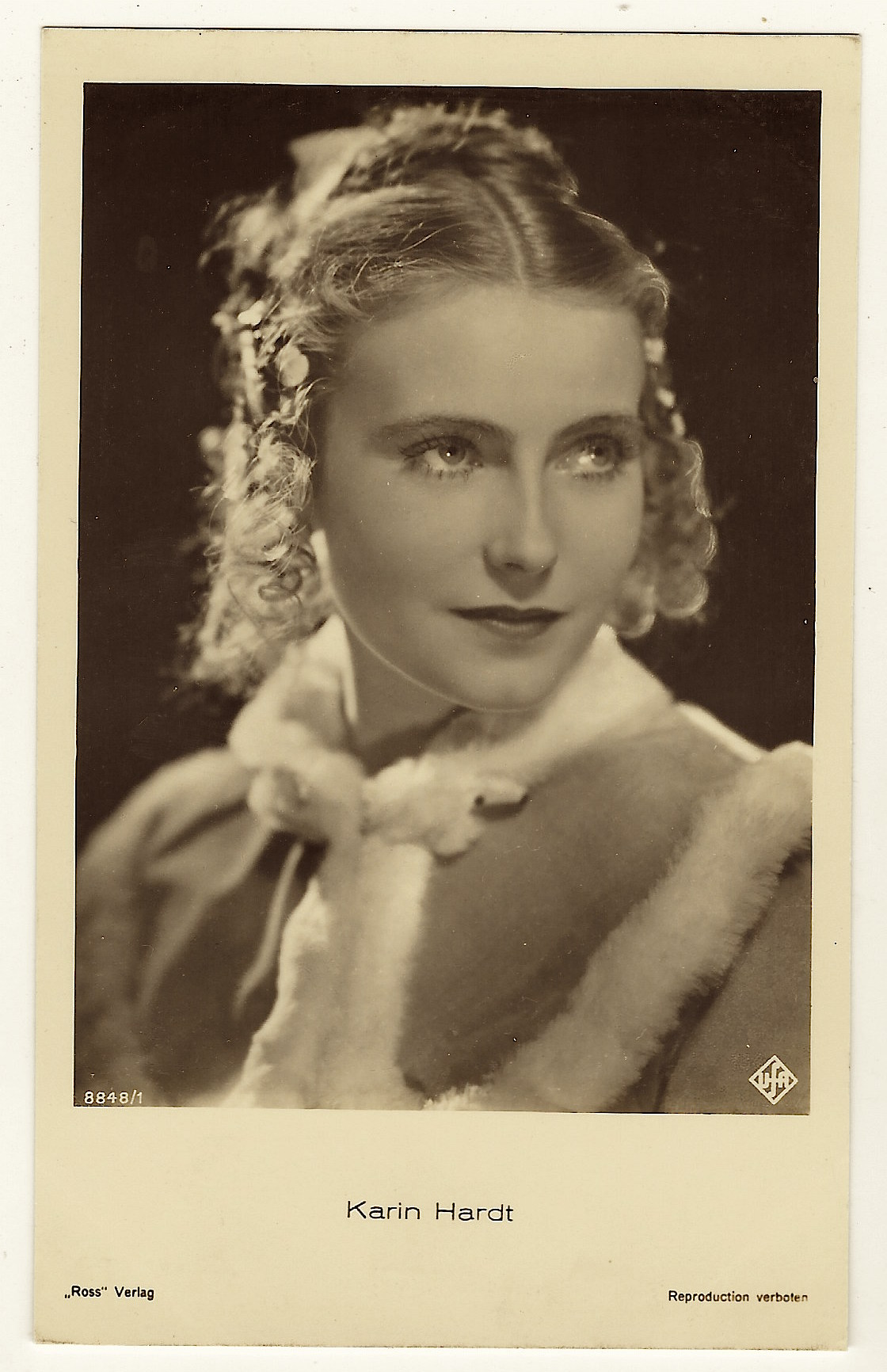
Karin Hardt (1910-1992), German film actress, is featured on these two vintage real photo postcards. Her father was a merchant. She took private acting lessons with Alex Otto, a German actor and theater director. After some theatrical appearances, she made her movie debut in 1931. She quickly rose to stardom. During the war years, her film roles decreased. Post war, she appeared in only a few more films. In the 1960’s she appeared in a number of television roles. She was married to director Erich Waschneck in 1933. She later married Rolf von Goth, a German actor. An internet filmography indicates that Hardt appeared in 88 films from 1931 through 1992. In 1979, she was in a film with David Bowie. The YouTube video below features Miss Hardt in the film, “Mens Economy” (1941).
The image in Postcard 1 gives the appearance that Hardt is about to be swallowed up by her dress. She is wearing ribbons in her hair and a sweet half smile. This photo postcard was published by Ross Verlag and is part of a series (no.A2810/1). The logo for UFA, a German film company, can be seen in the right hand bottom corner of the image. SOLD
Postcard 2 was published by Ross Verlag and is part of a series (no.8848/1). The logo for UFA, a German film company, can be seen in the right hand bottom corner of the image. This vintage postcard is in excellent condition (see scans).

Buy this original Vintage Real Photo Postcard (includes shipping within the US) #2620
To purchase this item, click on the Pay with PayPal button below
$22.00

Buy this original Vintage Real Photo Postcard (includes international shipping outside the US) #2620
To purchase this item, click on the Pay with PayPal button below
$30.00
MISS EMMY WEHLEN : PRETTY THEATRE AND SILENT FILM STAR : BROADWAY : RPPC
POSTCARD 1
POSTCARD 2 (SOLD)
POSTCARD 3 (SOLD)
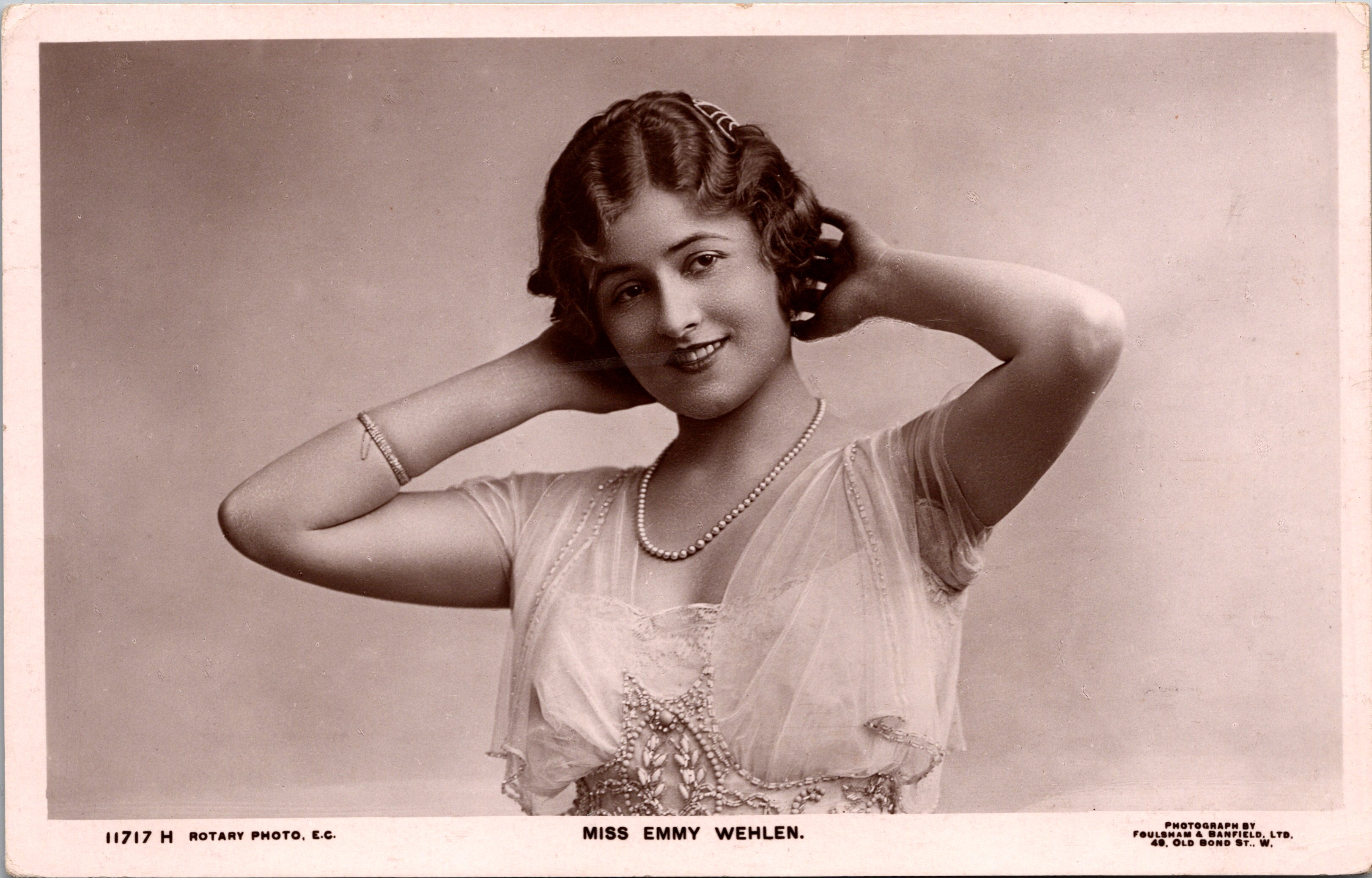
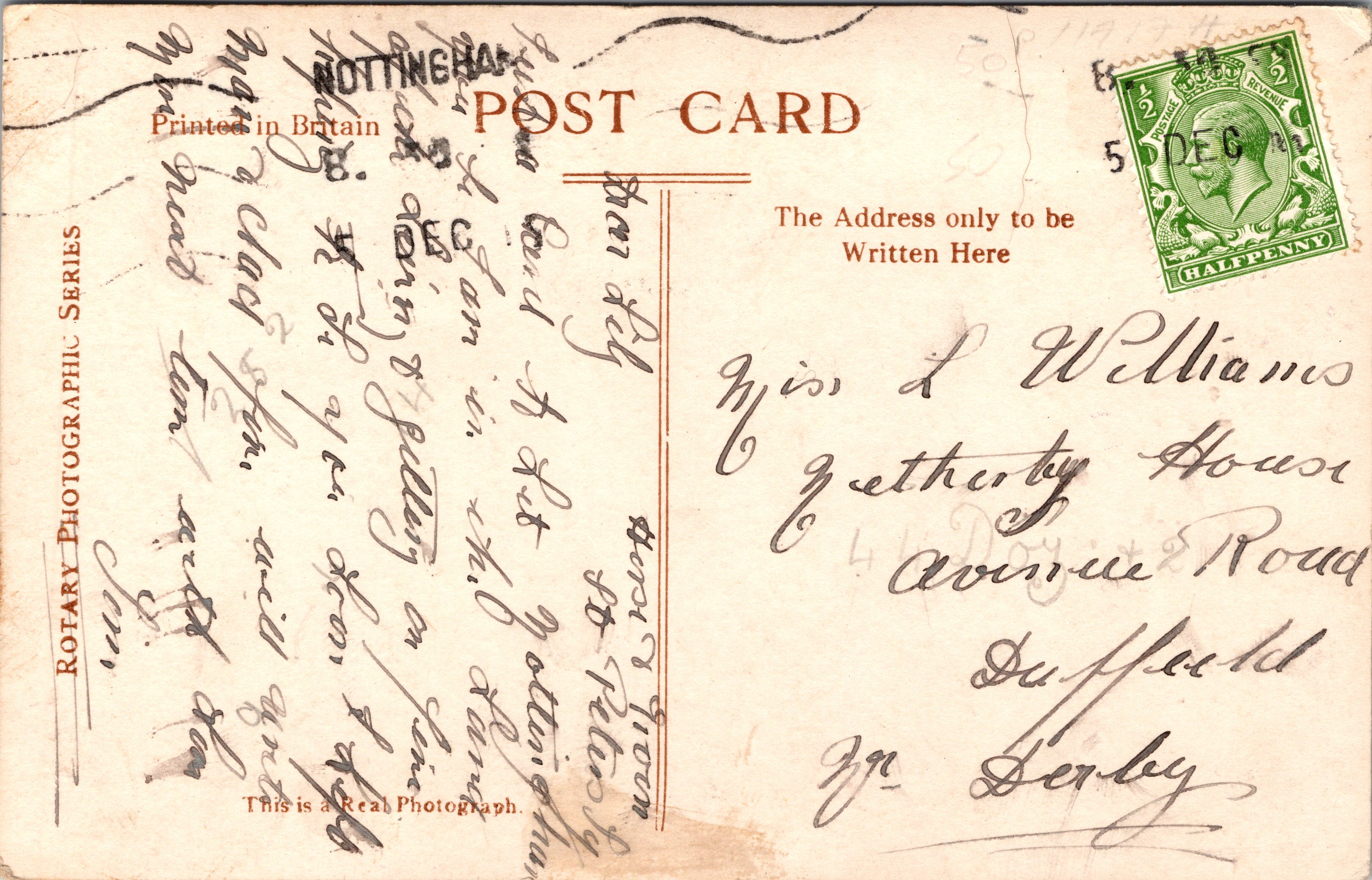
Postcard 1 features German actress, Emily “Emmy” Wehlen (1887-1977). She was a Edwardian musical comedy and silent film actress. She retired from acting at a young age (early 30’s), Wehlen received her musical training at the Mannheim Conservatory. She then joined the Thalia-Theatre and performed in musical comedies in several German cities. She was then invited to London and was considered as a possible successor to Lily Elsie. Wehlen played the lead role in “The Merry Widow” (1909). Later that year she appeared in the hit musical “The Dollar Princess” which ran for 428 performances. Next stop was New York, where she appeared in four Broadway plays between 1911 and 1915. Shortly after her last Broadway appearance, Wehlen left the stage and pursued a film career. She appeared in over twenty films between 1915 and 1920. “Everybody’s Magazine (1911) reported that Wehlen was very pretty and very graceful. Her acting and voice were also praised. In addition, the article stated that “she has the indescribable charm of personality” and that audiences liked her and wanted her to never leave the stage during a production. Miss Wehlen’s photograph on this postcard was taken by celebrity studio, Foulsham & Banfield. The card was published by Rotary Photo as part of a series (no.11717H).
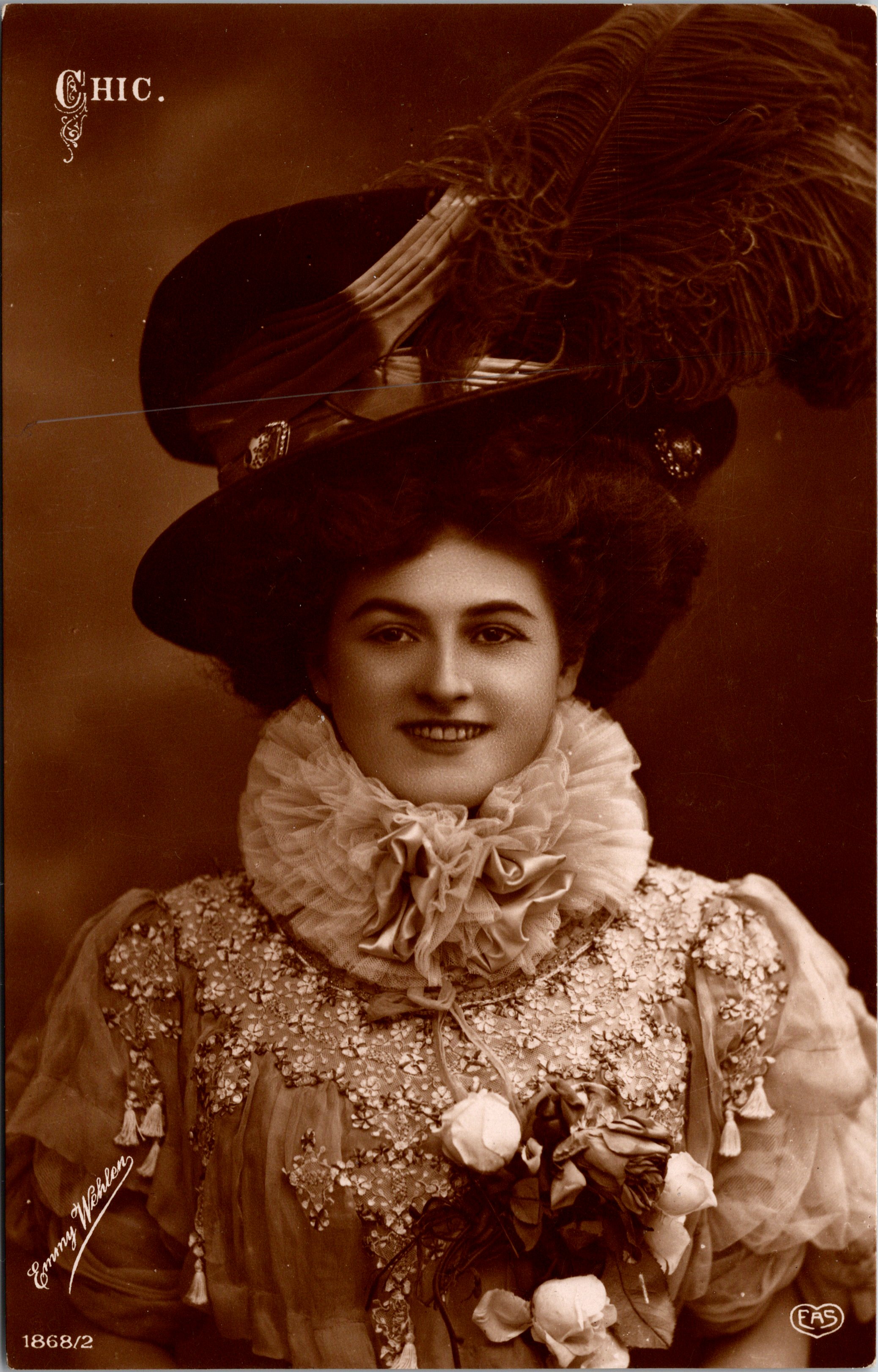
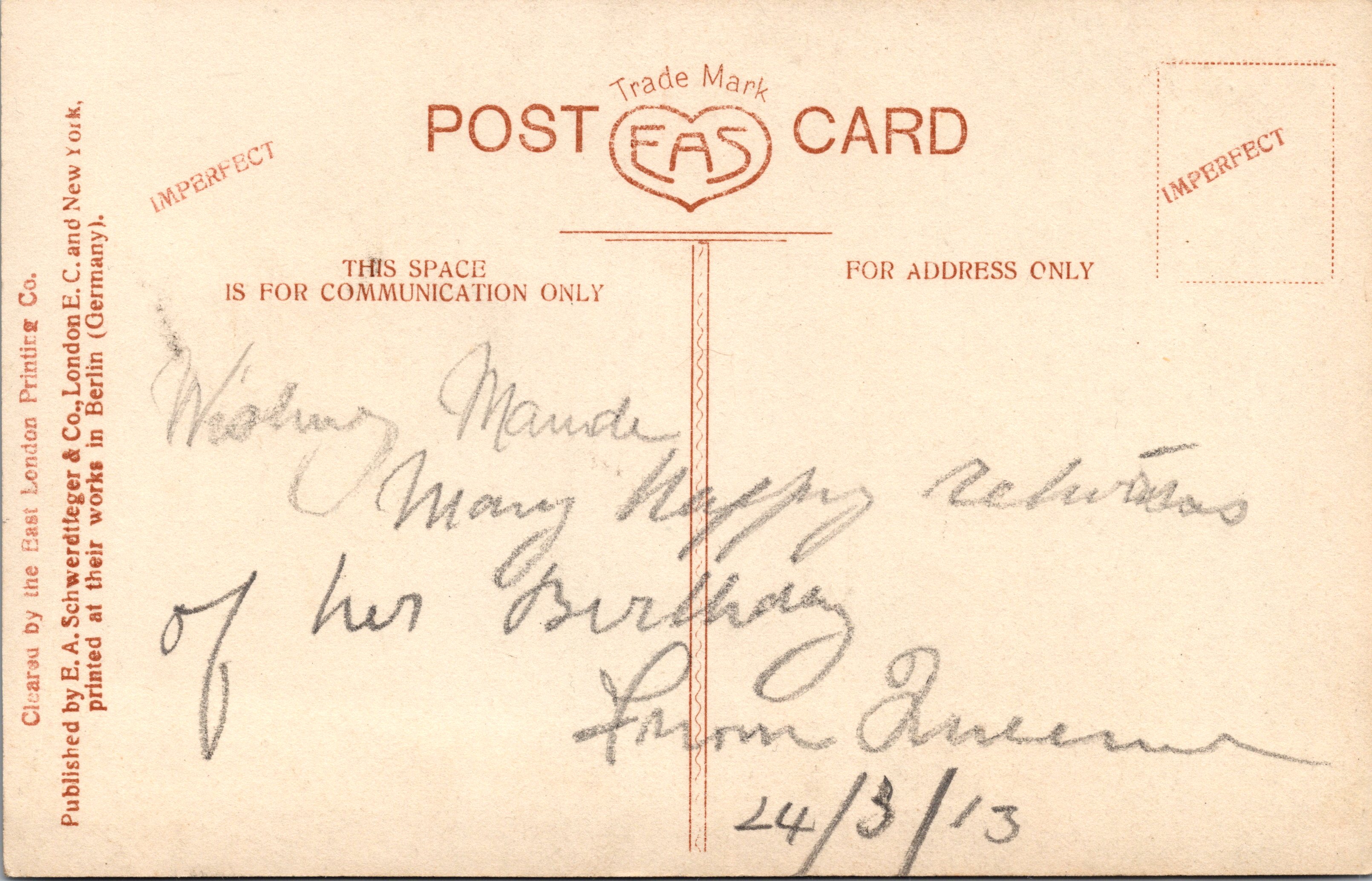
In Postcard 2, Wehlen is beautifully dressed for the portrait appearing on the postcard. She looks a bit clownish with her ruffled collar. There are flowers pinned to the front of her dress and she is wearing a jumbo feathered hat. She has a beautiful smile. The card was published by EAS as part of a series (no.1868/2). The firm was located in London and New York. The postcard was printed in Germany. Interestingly, the word “imperfect” is printed in two places on the front of the card. The word “chic” appears in the upper right hand corner of the image. Emmy Wehlen fits the bill. She is truly chic. The message on the postcard indicates that it was written in 1913. (SOLD)
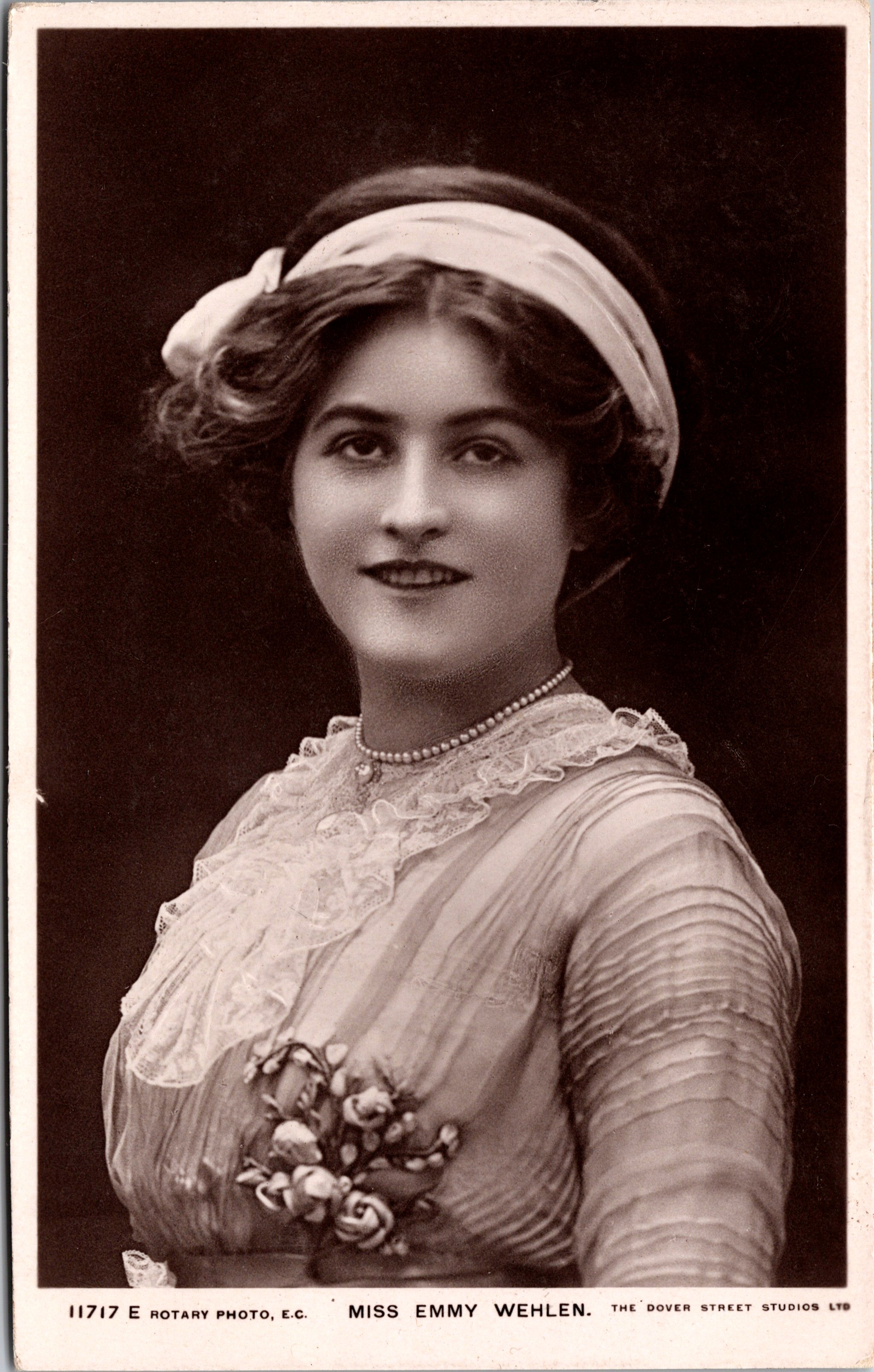
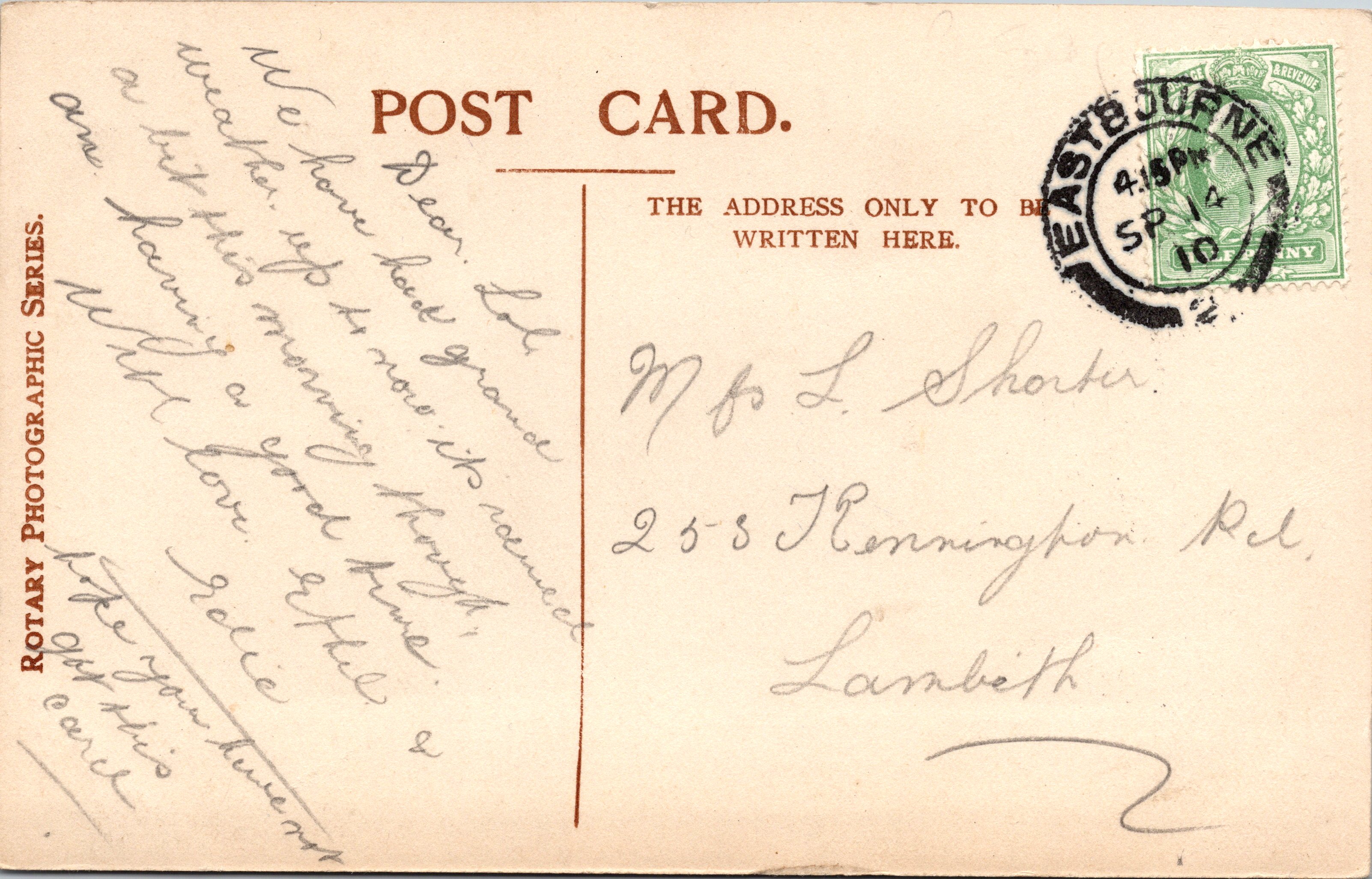
Postcard 3 features Miss Wehlen’s photograph taken by celebrity studio, Dover Street Studios. The card was published by Rotary Photo as part of a series (no.11717E). The message on the card indicates that the sender hoped that this photo postcard was meant to be an addition to the recipient’s postcard collection. (SOLD)
POSTCARD 1

POSTCARD 2

POSTCARD 3
NINE PORTRAITS OF PRETTY EUROPEAN STAGE ACTRESS LIANE HAID

POSTCARD 1

POSTCARD 2

POSTCARD 3 (SOLD)

POSTCARD 4 (SOLD)

POSTCARD 5

POSTCARD 6 (SOLD)
POSTCARD 7 (SOLD)
POSTCARD 8 (SOLD)
POSTCARD 9 (SOLD)
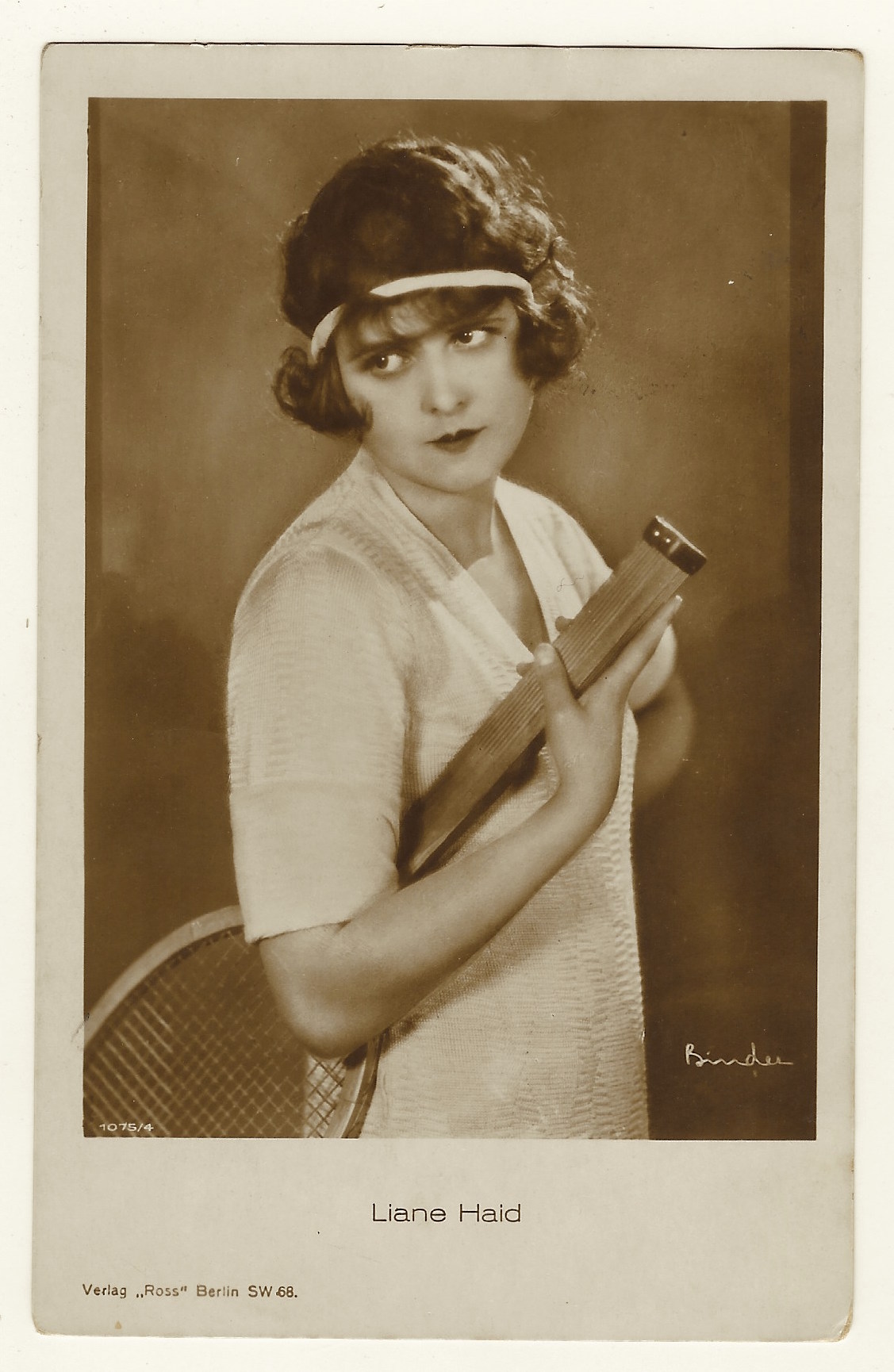
These vintage real photo postcards feature European film star Liane Haid (1895-2000). In the top postcard she poses holding a tennis racket and wearing a hair band to keep her hair out of her eyes. She is quite beautiful but how can we interpret her facial expression. To me, it looks like she is rolling her eyes as if she is bothered by something. Who is Liane Haid? She was born in Vienna, Austria and received training in both dance and singing. She gained the nickname of “Sweet Viennese Girl”. Haid was a prima ballerina, dancer, singer and stage actress. She worked in Budapest and Vienna as a dancer. Her stage career was mostly in Berlin and Vienna. She became a popular pin-up star through the 1920’s and 1930’s. Her first movie role was in a World War I propaganda film. She was employed by UFA and appeared in a number of comedy films alongside other movie stars including Willi Forst, Bruno Kastner, and Georg Alexander. UFA was a major German Film producer and distributor that operated between 1917 through the end of World War II. Liane Haid refused a number of Hollywood offers but in 1942, she escaped Nazi Germany and went to Switzerland according to Wikipedia, “because of the regime, because everything was bombed, and because all the good directors had left”. Soon thereafter she got married and retired from films. She was married three times. The IMDB web site states that she has 92 film credits from 1915 through 1953. Notable films include “Lady Hamilton” (1921), “Lucrezia Borgia” (1926), and “The Song is Ended” (1930). The photographer of this terrific image was Alexander Binder (1888-1929). He had the largest photo studio in Europe during the late 1920’s and the 1930’s. Many of his entertainment star portraits appear on Ross Verlag postards. It is thought that Binder was of Swiss origin. He was of the Jewish faith. He studied engineering but did not complete his studies. From 1908 to 1910 he studied photography at a school in Munich, Germany. After the completion of his photography studies, he went to Berlin and in 1913 opened his first photography studio. Before long, he became one of the premier photographers in Berlin. He primarily focussed on fashion and celebrity photography. Since Berlin was the capital of the European film industry, Binder photographed all the stars of the European film industry including, Lilian Harvey, Conrad Veidt, and Lya De Putti. Many of his images were used in popular film portrait postcards. His photographs could be seen in postcards published by Ross Verlag and Photochemie. Binder died in 1929 but new photo cards bearing his signature continued to be published until 1937. It is thought that the real photographer of these new postcards was Hubs Floeter (1910-1974) who was employed at the studio as an operator. The studio continued to be owned by Binder’s widow, Mrs. Binder Alleman and their two daughters. The studio was managed by the Jewish Elisabeth Baroness Vonhedlis Stengel who was later deported to the Theresienstadt concentration camp. In 1938 the Nazi’s closed Binder’s studio and it was later taken over by an Aryan photographer, Karl Ludwig Haenchen . Haenchen continued to produce celebrity portraits for postcards. His publishers included Film-Foto-Verlag. After World War II the studio was taken over by the Hasse und Wiese company.
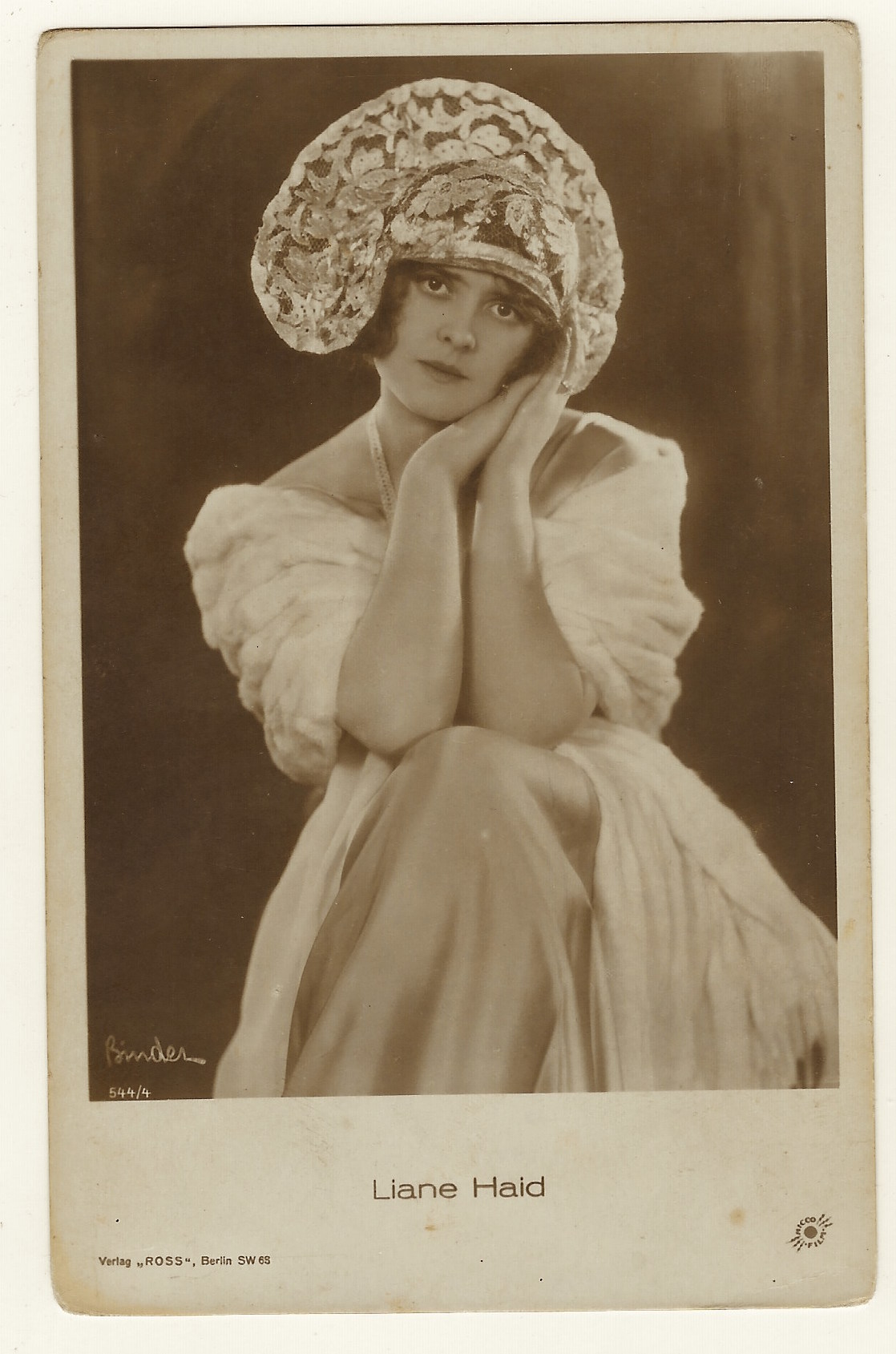
The second vintage postcard portrait of Miss Haid was also the work of Alexander Binder. The actress looks beautiful in her art deco lace headdress. Her eyes can be described as spell binding. The postcard was published by Germany’s Ross Verlag and is part of a series (no. 544/4). Also credited for this photograph is “Micco Film”. Before working for Micco Film, Haid was employed by Kunstfilm. She was very successful working for the company but in 1920 she sued the company for physically exploiting her (placing her in dangerous situations) and for making her financially responsible for her own makeup and costuming. Haid’s husband, industrialist Fritz von Haymerle, built her a studio (Micco-Film) in Vienna to further promote her career.
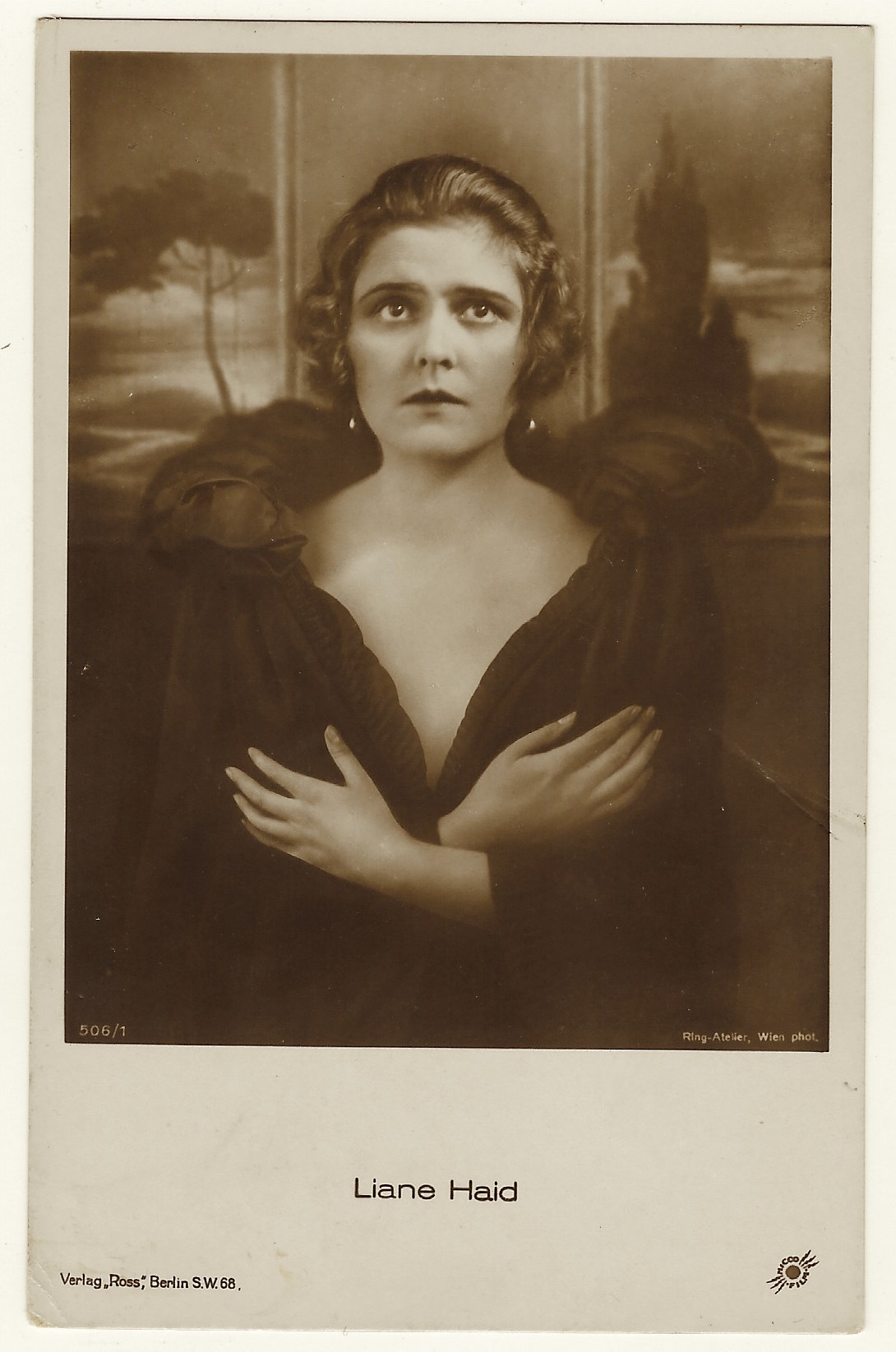
The third real photo postcard, seen above, was produced by publisher Ross Verlag (Berlin). Once again, Liane Haid appears beautiful in her portrait. The photograph was taken by the Ring studio in Vienna, Austria. A logo for Micco-Film appears in the lower right hand corner of the postcard. SOLD
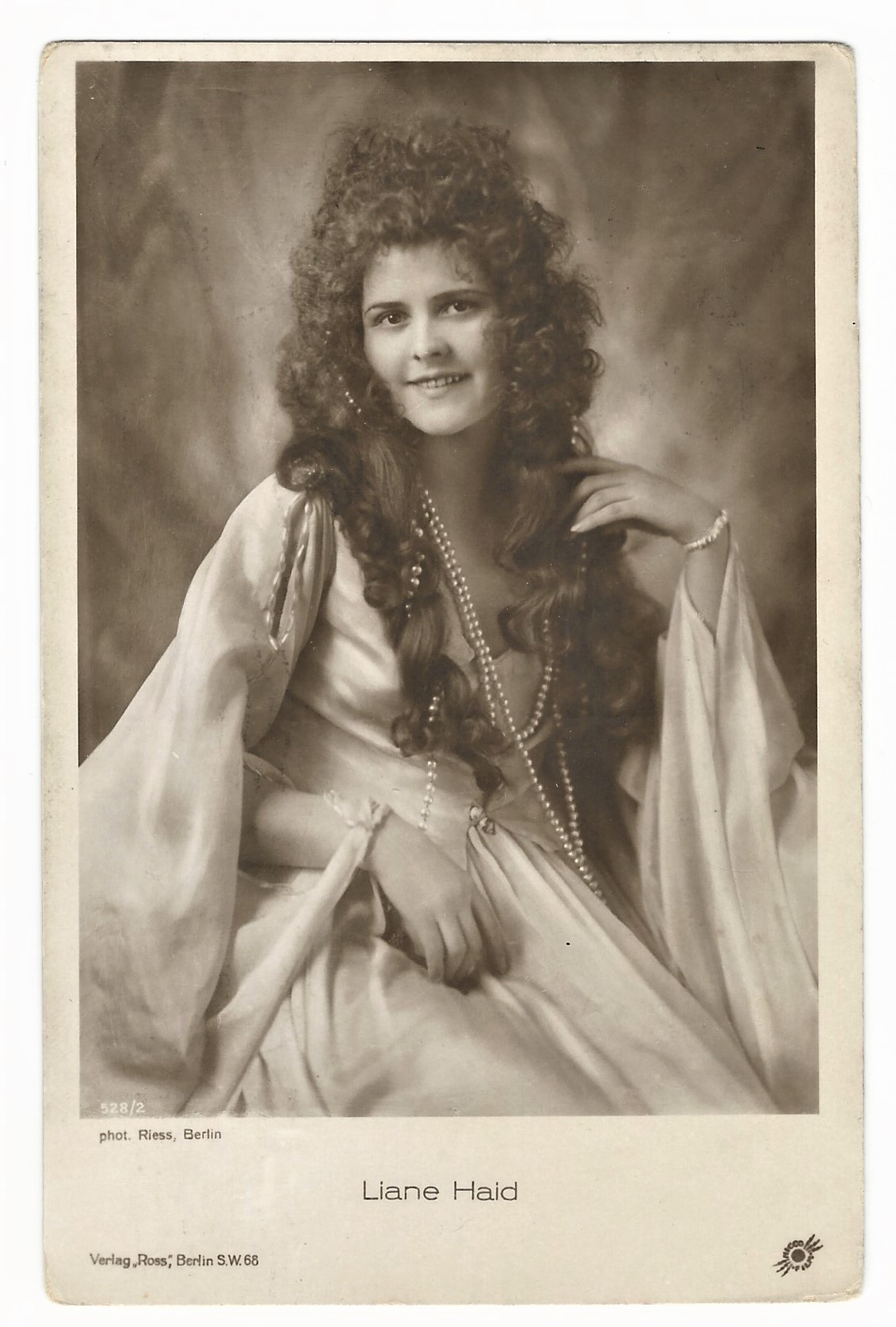
Postcard 4 is a vintage real photo postcard featuring a young and long haired Liane Haid. She is flashing a very sweet smile. The postcard was published by Ross Verlag of Berlin, Germany. It is part of a series (No. 528/2). Miss Haid was photographed by Frieda Riess (1890-1955?), a female Berlin photographer. One of her photographs can be found in Great Britain’s National Portrait Gallery. The postcard has the logo for Micco-Film in the bottom right hand corner and is postmarked 1929. The card was mailed from Denmark to Estonia. SOLD
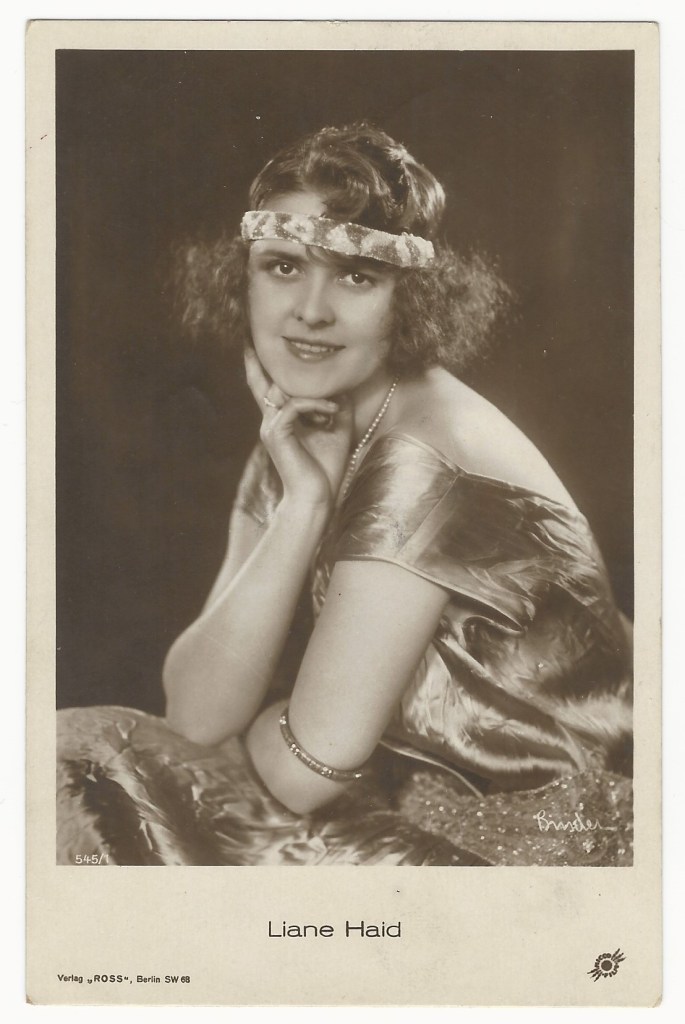
Postcard 5 features a vintage real photo of Miss Haid. As usual, she looks quite pretty. The actress is flashing a lovely smile. She is wearing a string of pearls and a hair band. This photograph was taken by the talented and prolific celebrity photographer, Alexander Binder. The postcard was published by Ross Verlag (Berlin) as part of a series (no. 545/1). The logo for Micco-Film can be seen on the bottom right hand corner of the postcard. The card was postmarked in 1925 and is in very good condition (see scans).
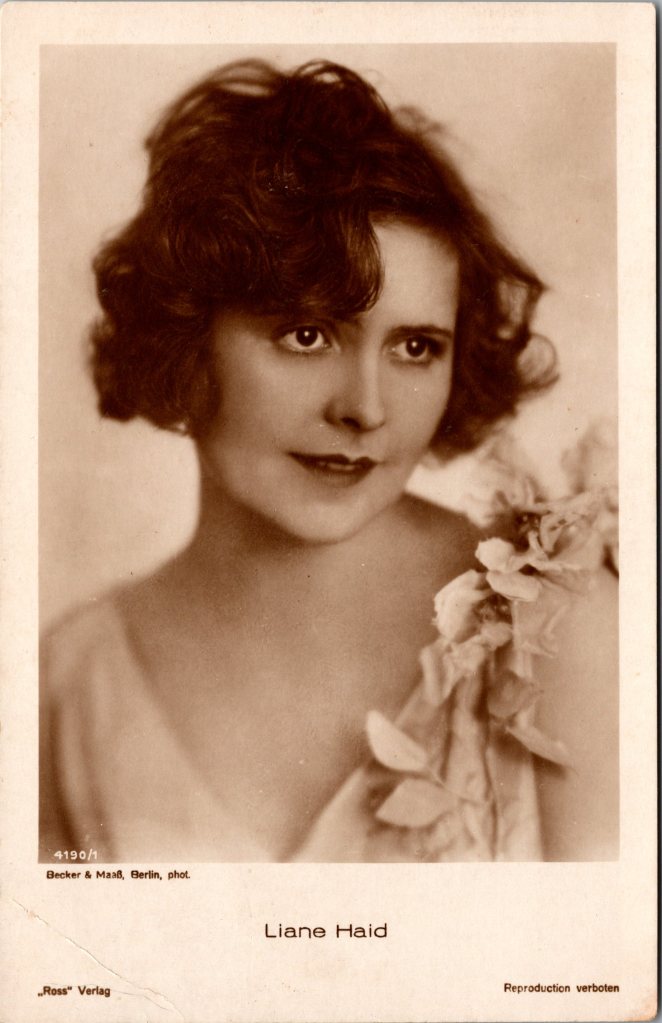
Postcard 6 offers another view of Miss Haid. She looks beautiful as always. This photograph was taken by the Becker & Maas studio. The firm was located in Berlin Germany. The publisher of the card was Ross Verlag. The postcard is part of a series (No.4190/1). (SOLD)
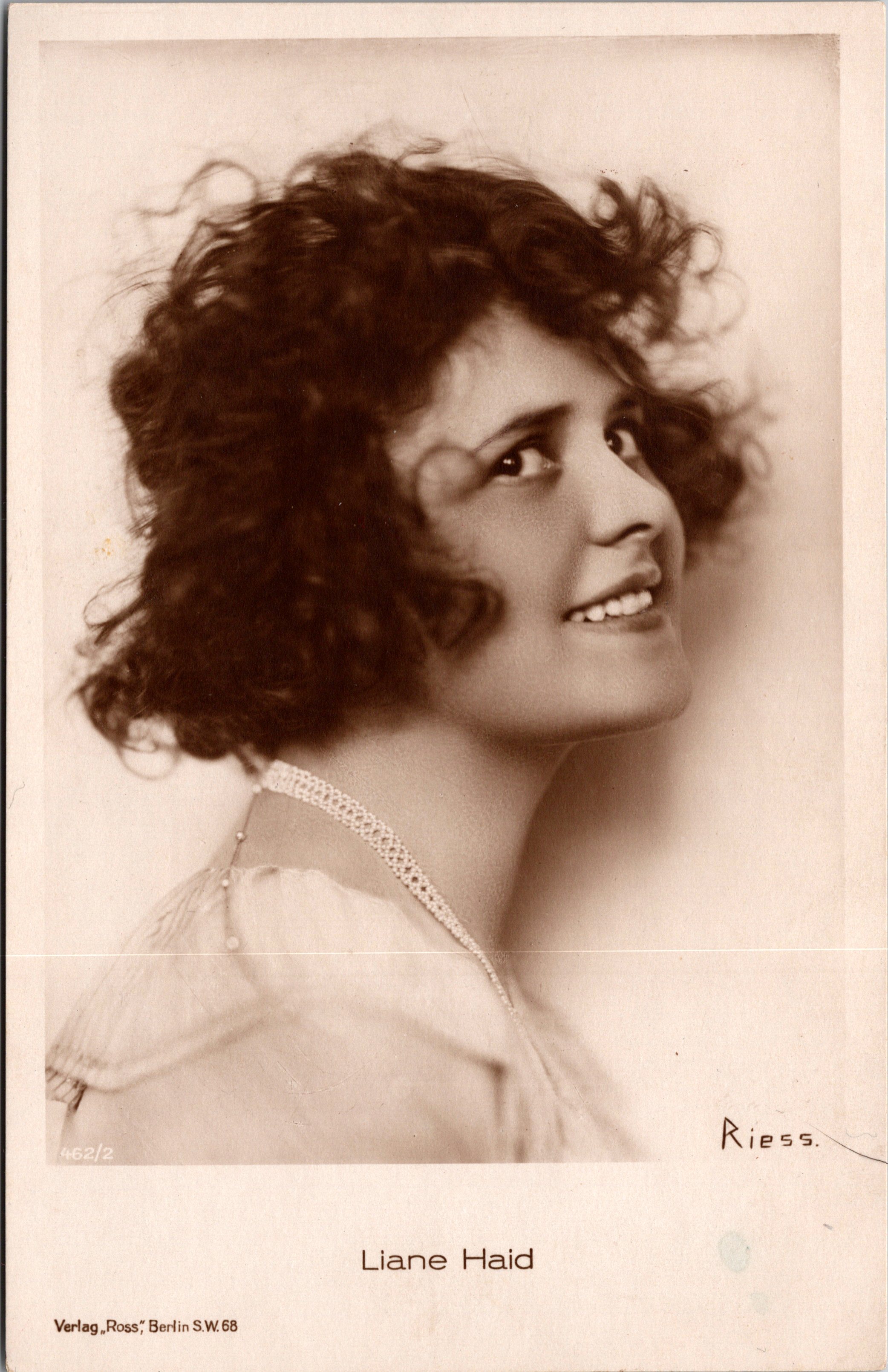
Postcard 7 features Miss Haid as photographed by Frieda Riess (1890-1955?), a female photographer located in Berlin, Germany. The publisher of the card was Ross Verlag. The postcard is part of a series (No.462/2). (SOLD)
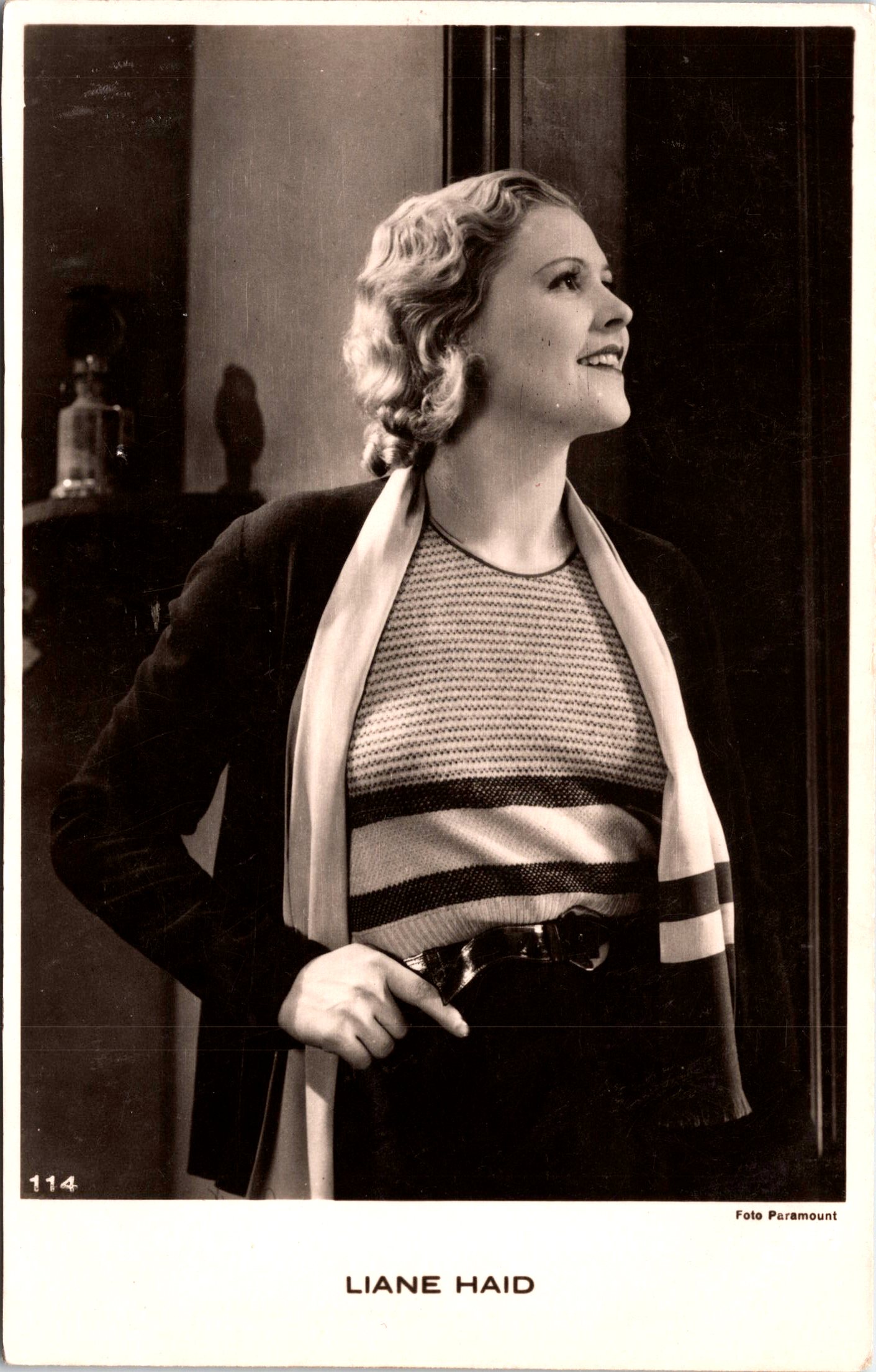
Postcard 8 was published by Ross Verlag. The postcard is part of a series (No.1732/3). Note the logo for UFA, a German film company. (SOLD)
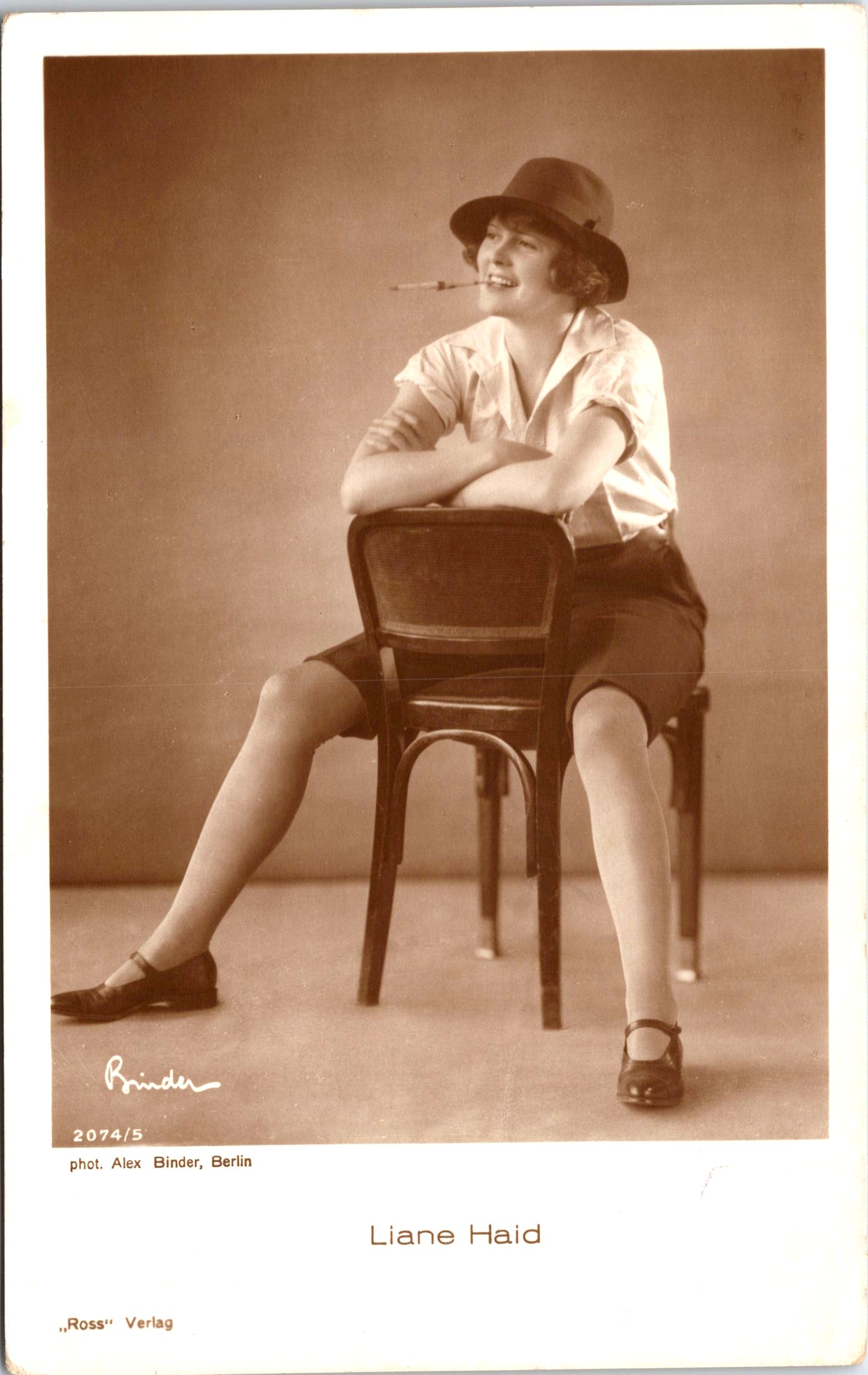
Postcard 9 features Haid sitting in a chair in a provocative manner and smoking a cigarette in a cigarette holder. This photograph portrays Haid as unconventional and seductive. The publisher of the card was Ross Verlag. The postcard is part of a series (No.2074/5). Miss Haid’s photograph appearing on this postcard was taken by Alexander Binder (Berlin, Germany). (SOLD)